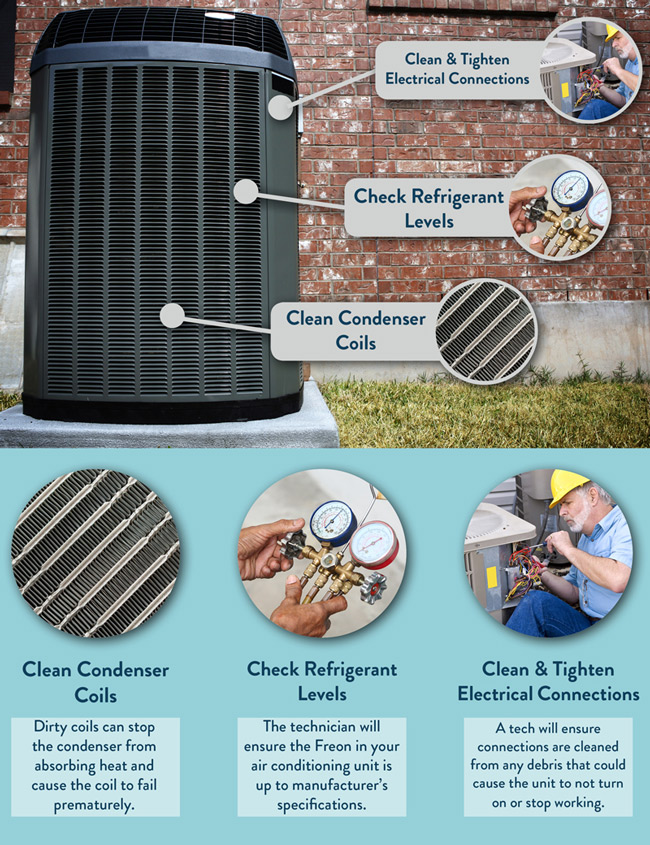
Is your air conditioner ready to keep you cool when the heat hits? If it’s been struggling or making strange noises, it might be time for a tune-up.
Taking a little time now to tune up your air conditioner can save you from costly repairs and keep your home comfortable all summer long. You’ll discover simple steps you can follow to boost your AC’s performance and lower your energy bills.
Keep reading, and you’ll learn how to make your air conditioner work like new again.

Credit: www.delcohvac.com
Signs Your Ac Needs A Tune-up
Your air conditioner works hard to keep your home cool. Over time, it may lose efficiency. Regular tune-ups help avoid bigger problems and keep your AC running well.
Watch for signs that your AC needs attention. Fixing issues early saves money and keeps your home comfortable.
Reduced Cooling Efficiency
If your air conditioner does not cool your home like before, it may need a tune-up. You might notice warm spots or longer running times. Dirt or worn parts can reduce its power.
- Rooms do not reach the set temperature
- Airflow feels weaker than usual
- AC runs constantly without cooling well
- Thermostat settings seem less effective
Strange Noises And Odors
Unusual sounds or smells can mean your AC needs service. Rattling, buzzing, or grinding noises show worn parts. Musty or burning smells may point to mold or electrical issues.
| Noise or Odor | Possible Cause | Action Needed |
|---|---|---|
| Rattling | Loose parts or debris | Inspect and tighten components |
| Buzzing | Electrical problems | Check wiring and connections |
| Grinding | Worn motor or fan | Replace or repair parts |
| Musty smell | Mold or mildew | Clean ducts and filters |
| Burning odor | Overheated motor or wiring | Turn off AC and call technician |
Rising Energy Bills
When your energy bills rise without using more AC, it may need a tune-up. Dirty filters and worn parts make the system work harder. This wastes energy and costs more money.
- Check for sudden increases in cooling costs
- Compare bills with past months or years
- Look for other signs like weak cooling or noises
- Schedule maintenance if bills keep rising

Credit: www.theartofdoingstuff.com
Essential Tools For Ac Maintenance
Tuning up your air conditioner helps it work better and last longer. Using the right tools makes maintenance easier and safer.
This guide covers the essential tools you need for cleaning, inspecting, and protecting yourself during AC maintenance.
Basic Cleaning Supplies
Cleaning your AC keeps it running smoothly. Basic supplies help remove dust and dirt from parts.
These supplies include items for cleaning coils, filters, and vents.
- Soft brushes to clean coils and fins
- Vacuum cleaner with a brush attachment
- Fin comb to straighten bent fins
- Mild detergent or coil cleaner spray
- Clean cloths or rags
- Bucket of warm water
Inspection Tools
Inspection tools help find problems early. They show if parts need repair or replacement.
Using these tools ensures your AC runs safely and efficiently.
- Flashlight to see dark spaces
- Multimeter to check electrical connections
- Thermometer to measure air temperature
- Pressure gauge to check refrigerant levels
- Screwdriver set for opening panels
- Leak detector for spotting refrigerant leaks
Safety Equipment
Safety equipment protects you while working on your AC. It reduces risks of injury and accidents.
Always wear safety gear to stay safe during maintenance.
- Safety glasses to protect your eyes
- Work gloves to protect your hands
- Dust mask to avoid breathing dust
- Long sleeves and pants to protect skin
- Non-slip shoes for stable footing
- Electrical tester to avoid shocks
Step-by-step Ac Tune-up Process
Regular tune-ups help your air conditioner run well. This saves energy and extends its life.
Follow these steps to keep your AC in good shape and avoid costly repairs.
Power Off And Safety Checks
Before starting, turn off the power to your AC unit. Use the main breaker or disconnect switch. This prevents accidents while working on the system.
Wear gloves and safety glasses. Check the area for pests or debris that could cause harm.
Cleaning Or Replacing Filters
Dirty filters reduce airflow and efficiency. Check your AC filter every month during heavy use. Clean or replace it as needed.
- Remove the filter from its slot.
- For reusable filters, rinse with water and let dry.
- Replace disposable filters with new ones of the same size.
- Reinstall the filter securely before turning the unit on.
Inspecting And Cleaning Coils
The evaporator and condenser coils collect dirt over time. This lowers their ability to absorb heat.
Carefully remove the outer panel to access coils. Use a soft brush or coil cleaner spray to clean them. Avoid damaging the delicate fins.
Checking Refrigerant Levels
Low refrigerant can cause poor cooling and damage the compressor. Use a gauge set to check pressure levels according to the manufacturer’s specs.
If levels are low, contact a professional to locate leaks and refill refrigerant safely.
Examining Electrical Components
| Component | What to Check |
| Capacitors | Look for bulges or leaks |
| Wiring | Check for frayed or loose connections |
| Contactors | Inspect for pitting or corrosion |
| Thermostat | Verify settings and responsiveness |
Turn off power before inspecting parts. Replace damaged components to avoid failures.
Lubricating Moving Parts
Some motors and fans need oil to run smoothly. Check your unit’s manual to find oil ports.
- Use the right lubricant type for your motor.
- Apply a few drops to each oil port.
- Wipe away excess oil to prevent dust buildup.
Clearing The Drain Line
The drain line removes condensation from your AC. Blockages cause water leaks or damage.
Use a wet/dry vacuum or a plumber’s snake to clear clogs. Flush the line with a mix of water and vinegar to stop mold growth.
Tips To Improve Ac Efficiency
Keeping your air conditioner efficient saves energy and lowers bills. Simple maintenance and smart habits help your AC work better.
Use these tips to keep your AC running smoothly and keep your home cool.
Sealing Air Leaks
Air leaks let cool air escape and warm air enter your home. This makes your AC work harder and waste energy.
- Check windows and doors for gaps and cracks.
- Use weatherstripping or caulk to seal leaks.
- Inspect vents and ductwork for holes or loose connections.
- Seal any leaks with mastic or metal tape designed for ducts.
Adjusting Thermostat Settings
Setting your thermostat correctly helps your AC use less energy. Avoid setting it too cold.
| Time of Day | Recommended Temperature |
| Daytime (Home) | 75°F to 78°F (24°C to 26°C) |
| Daytime (Away) | 80°F to 85°F (27°C to 29°C) |
| Night | 78°F to 80°F (26°C to 27°C) |
Use a programmable thermostat to change temperatures automatically. This saves energy without losing comfort.
Using Fans To Boost Airflow
Fans help move cool air around. This lets you feel cooler without lowering the AC temperature too much.
Here are some ways to use fans effectively:
- Use ceiling fans to push cool air down.
- Place fans near windows to bring in fresh air at night.
- Turn fans off when you leave a room to save energy.
When To Call A Professional
Air conditioners need regular care to work well. Some tasks are easy to do yourself. Others need a trained technician. Knowing when to call a professional can save you time and money.
This guide explains key situations where expert help is best. It covers complex repairs, refrigerant handling, and annual maintenance.
Complex Repairs
Some AC problems are too hard or risky for DIY fixes. Complex repairs often require special tools and knowledge. Trying these yourself can cause more damage.
- Broken compressor or motor
- Electrical wiring issues
- Fan or belt replacement
- Drain line clogs inside the unit
- Strange noises or burning smells
If you notice any of these signs, call a professional to avoid safety risks and bigger costs.
Refrigerant Handling
Refrigerant is a chemical that cools your home. Handling it needs special training and certification. Adding or removing refrigerant without the right skills is illegal and unsafe.
| Reason | Why Call a Professional |
| Low refrigerant levels | Detect leaks and refill safely |
| Refrigerant replacement | Proper handling and disposal |
| System recharge | Correct amount and type required |
Annual Professional Maintenance
Yearly check-ups help your AC run smoothly all summer. Professionals inspect, clean, and tune your system. This keeps it efficient and extends its life.
- Clean coils and filters
- Check electrical connections
- Test system controls
- Inspect refrigerant levels
- Lubricate moving parts
Schedule annual service before hot weather starts. This prevents breakdowns and keeps your home cool.

Credit: www.bayonet-inc.com
Frequently Asked Questions
How Often Should I Tune Up My Air Conditioner?
It’s recommended to tune up your air conditioner at least once a year. Regular maintenance ensures efficient performance and extends the unit’s lifespan. Ideally, schedule a tune-up before the cooling season begins. This helps prevent unexpected breakdowns during peak usage times.
What Tools Are Needed For An Ac Tune-up?
Basic tools include a screwdriver, coil cleaner, fin comb, and a vacuum. These tools help you clean and inspect the unit thoroughly. Additionally, having a multimeter can be useful for checking electrical connections. Always ensure the power is off before starting any maintenance work.
Can I Tune Up My Ac Myself?
Yes, you can perform basic AC maintenance yourself. Tasks include cleaning or replacing filters, checking for leaks, and cleaning coils. However, for more complex issues, hiring a professional is advisable. This ensures a comprehensive inspection and addresses potential problems effectively.
How Do I Clean My Ac’s Air Filter?
Remove the filter and wash it with warm, soapy water. Rinse thoroughly and let it dry completely before reinserting it. Regular cleaning improves airflow and efficiency. Replace filters every 1-3 months, depending on usage and environmental factors, to maintain optimal performance.
Conclusion
Tuning up your air conditioner keeps it running well and saves energy. Clean filters and check parts often to avoid big problems. Small fixes now stop costly repairs later. A well-maintained AC cools your home better and lasts longer. Stay comfortable all summer by caring for your unit regularly.
Simple steps bring big benefits. Take action today for a cooler, fresher home tomorrow.