Have you ever found yourself struggling to turn on your car headlights, especially when it’s getting dark or during unexpected weather changes? Knowing how to quickly and correctly switch on your headlights is essential for your safety and the safety of others on the road.
In this guide, you’ll discover simple, clear steps to master this basic but crucial skill. By the end, you’ll feel confident every time you need to light up the road ahead—no more guessing or fumbling around. Keep reading to make sure you’re always ready to drive safely, day or night.

Credit: www.reddit.com
Locate The Headlight Controls
Turning on your car headlights starts with finding the right controls. These controls let you switch headlights on or off safely.
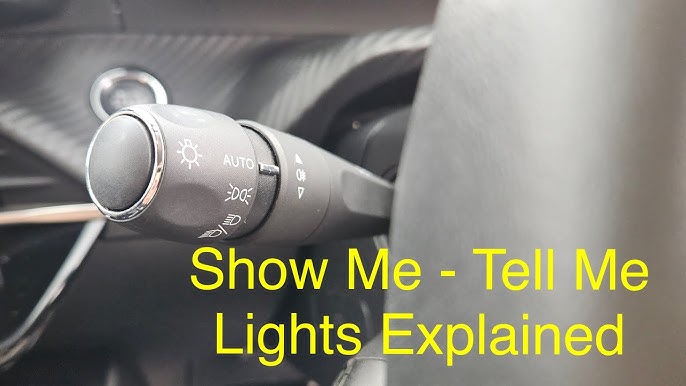
Headlight controls are usually easy to spot inside your car. They are near the steering wheel or on the dashboard.
Common Control Types
Cars have different types of headlight controls. Knowing these helps you turn on the lights quickly and correctly.
- Rotary knobs that you turn to switch headlights on or off
- Toggle switches that you flip up or down
- Push buttons that activate the headlights when pressed
- Automatic sensors that turn on lights in low light conditions
Dashboard And Steering Column Switches
Most cars place headlight controls on the dashboard or on a lever near the steering wheel. These are easy to reach while driving.
| Location | Control Type | How to Use |
| Dashboard left side | Rotary knob | Turn clockwise to switch headlights on |
| Steering column lever | Toggle switch | Push up or down to toggle headlights |
| Steering column button | Push button | Press once to activate headlights |

Credit: www.youtube.com
Activate The Headlights
Turning on your car headlights helps you see clearly at night. It also makes your vehicle visible to others.
There are two main ways to activate headlights. You can use the manual switch or the automatic settings.
Manual Switch Operation
The manual switch lets you control your headlights yourself. Usually, it is a knob or lever near the steering wheel.
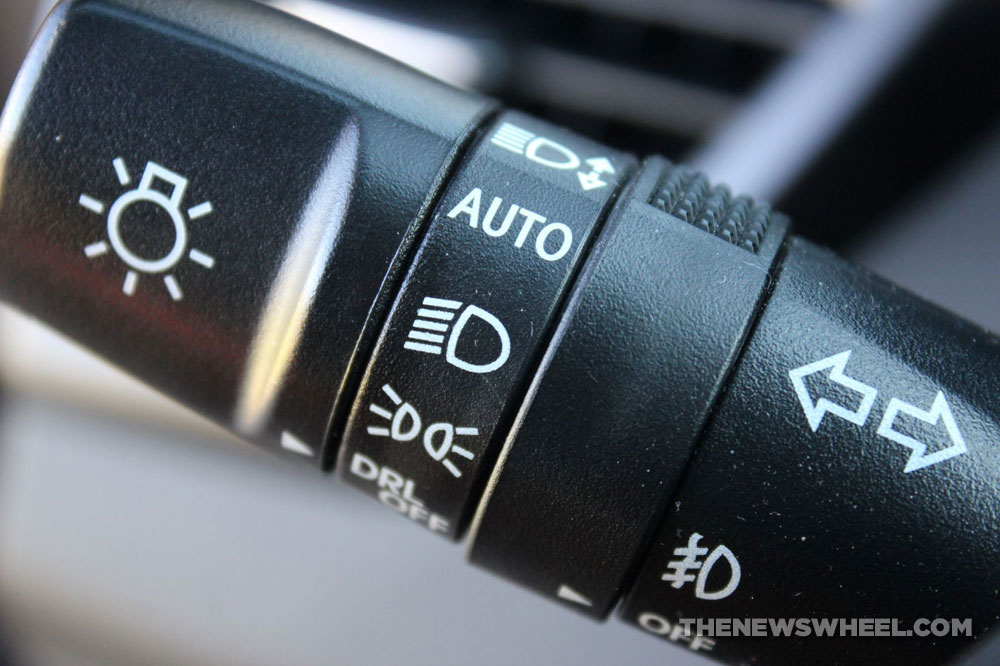
To turn on the headlights, rotate or push the switch. You will often see symbols for parking lights and headlights.
- Find the headlight switch on the dashboard or steering column
- Turn the switch to the headlight symbol
- Check the dashboard light to confirm headlights are on
- Turn off the switch to save battery when not needed
Automatic Headlight Settings
Some cars have automatic headlights. They turn on when it gets dark outside.
The system uses sensors to detect light levels. It switches headlights on or off for you.
- Activate the automatic mode by turning the switch to the “Auto” position
- Sensors detect low light and turn headlights on
- Headlights turn off when it is bright enough
- This feature helps save battery and improves safety
Use High Beams And Fog Lights
Knowing how to use high beams and fog lights helps you drive safely. These lights improve visibility in different conditions.
Using them correctly avoids blinding other drivers and keeps everyone safe on the road.
When To Use High Beams
High beams shine brighter and farther than regular headlights. Use them on dark roads with no streetlights.
Turn off high beams when another car approaches or drives ahead. This prevents blinding other drivers.
- Use high beams on empty country roads
- Turn off high beams in fog, rain, or snow
- Do not use high beams in city areas with streetlights
- Switch to low beams when following another vehicle
Operating Fog Lights Safely
Fog lights are lower and wider than regular headlights. They help you see better in fog, heavy rain, or snow.
Use fog lights only when visibility is poor. Avoid using them on clear nights to prevent glare for other drivers.
- Turn on fog lights in thick fog or heavy rain
- Switch off fog lights when visibility improves
- Use fog lights with low beam headlights
- Do not use fog lights instead of regular headlights
Check Headlight Functionality
Turning on your car headlights is important for safe driving at night or in bad weather. Before you drive, you should check if your headlights work properly.
This guide explains how to check your headlights by looking at them and adjusting their aim if needed.
Visual Inspection
Start by turning on your headlights. Walk around your car and look at both lights to see if they are bright and clear.
- Check for any cracks or damage on the headlight covers.
- Look for dirt or fog inside the light housing.
- Make sure both headlights turn on at the same time.
- Verify the brightness is even on both sides.
Adjusting Headlight Aim
Properly aimed headlights improve road visibility and avoid blinding other drivers. Use a wall and measure the light pattern to adjust them.
| Step | Action |
|---|---|
| 1 | Park your car 25 feet from a flat wall on level ground. |
| 2 | Turn on low beam headlights. |
| 3 | Mark the center of each headlight beam on the wall with tape. |
| 4 | Use the adjustment screws near the headlights to move the beam up, down, left, or right. |
| 5 | Aim beams slightly downward to avoid blinding others. |
Troubleshoot Common Issues
Car headlights sometimes stop working. This can cause safety problems at night.
Knowing how to fix common headlight problems saves time and money.
Burnt Out Bulbs
A burnt out bulb is the main reason headlights do not turn on.
Bulbs have a limited life and need replacing after some time.
- Check if the headlight is dim or not lighting at all.
- Remove the bulb carefully to inspect the filament inside.
- If the filament is broken, replace the bulb with a new one.
- Use the correct type of bulb for your car model.
- Wear gloves to avoid oil from your skin on the new bulb.
Electrical Problems
Electrical issues can stop headlights from working even if bulbs are fine.
Problems may occur in fuses, wiring, or switches controlling the headlights.
- Check the headlight fuse in the fuse box; replace if blown.
- Look for damaged or loose wires near the headlights.
- Test the headlight switch to ensure it functions properly.
- Use a multimeter to check power flow to the headlights.
- Consult a mechanic if the problem is inside the car’s electrical system.
Credit: thenewswheel.com
Maintain Headlight Performance
Keeping your car headlights clear and bright is important for safe driving. Dirt and wear can reduce their light output. Regular care helps you see better at night.
Simple maintenance steps can extend the life of your headlights. This guide covers cleaning and upgrading to keep them working well.
Cleaning And Polishing
Headlights get cloudy from dirt and sun damage. Cleaning and polishing restore their clarity and brightness. Use gentle cleaners made for headlights.
- Wash headlights with soap and water to remove surface dirt.
- Apply a headlight polish or restoration kit following the instructions.
- Use a soft cloth or sponge to avoid scratches.
- Rinse and dry completely to prevent water spots.
- Repeat this process every few months for best results.
Regular Headlight Upgrades
Upgrading bulbs or lenses can improve light output and safety. Newer technology offers brighter and longer-lasting headlights.
| Upgrade Type | Benefit |
| LED Bulbs | Brighter light and lower power use |
| Halogen Bulbs | Affordable and easy to replace |
| HID Bulbs | High brightness and longer range |
| Polycarbonate Lenses | Resist yellowing and damage |
Frequently Asked Questions
How Do I Turn On Car Headlights?
To turn on car headlights, locate the headlight switch. It’s usually on the dashboard or steering column. Turn the switch to the “on” position. Some cars have automatic headlights that activate based on light conditions. Check your vehicle’s manual for specific instructions.
Why Are My Car Headlights Not Working?
If your headlights aren’t working, check the bulbs and fuses first. Ensure the headlight switch is in the “on” position. If the problem persists, there might be an issue with the wiring or a faulty relay. It’s best to consult a professional mechanic for an accurate diagnosis.
When Should I Use My Car Headlights?
Use your car headlights during low visibility conditions like fog, rain, or dusk. They’re essential for night driving and poor weather. Some regions require headlights to be on whenever wipers are in use. Always follow local traffic laws regarding headlight usage.
Can I Turn On Headlights In Daylight?
Yes, you can turn on headlights during daylight for safety. Daytime running lights increase your vehicle’s visibility to others. They’re especially useful in overcast weather or shaded areas. Many modern cars have automatic daytime running lights that activate without manual intervention.
Conclusion
Turning on car headlights is simple and important for safety. Always check the switch before driving at night or in bad weather. Knowing how to use headlights helps you see better and stay visible to others. Practice this habit every time you drive.
Safe driving starts with small steps like this. Keep your headlights clean and working well to avoid trouble. Drive carefully and stay aware on the road.