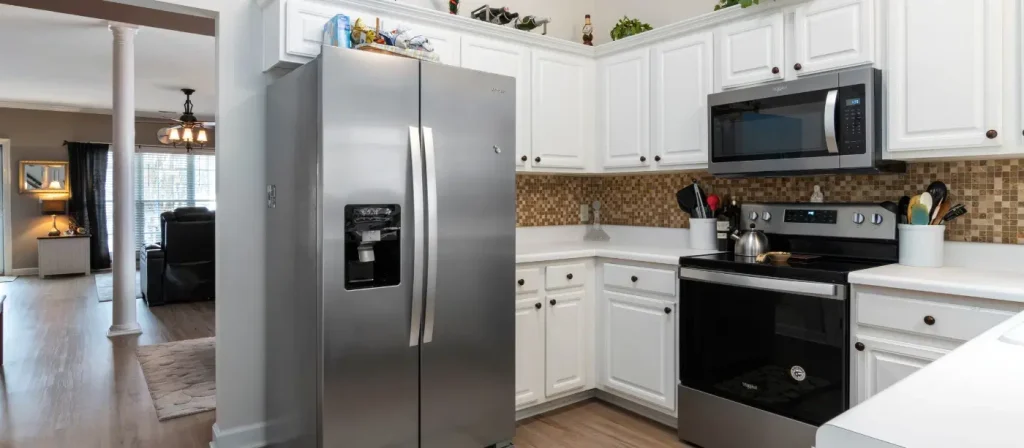
Have you ever wished your freezer could double as a refrigerator? Maybe you need extra fridge space but don’t want to buy a new appliance.
What if you could easily turn your freezer into a fridge without spending a fortune? This simple change can save you money, reduce food waste, and give you more flexibility in your kitchen. Keep reading, and you’ll discover how to make this clever switch quickly and safely.
Your kitchen is about to get a smart upgrade!
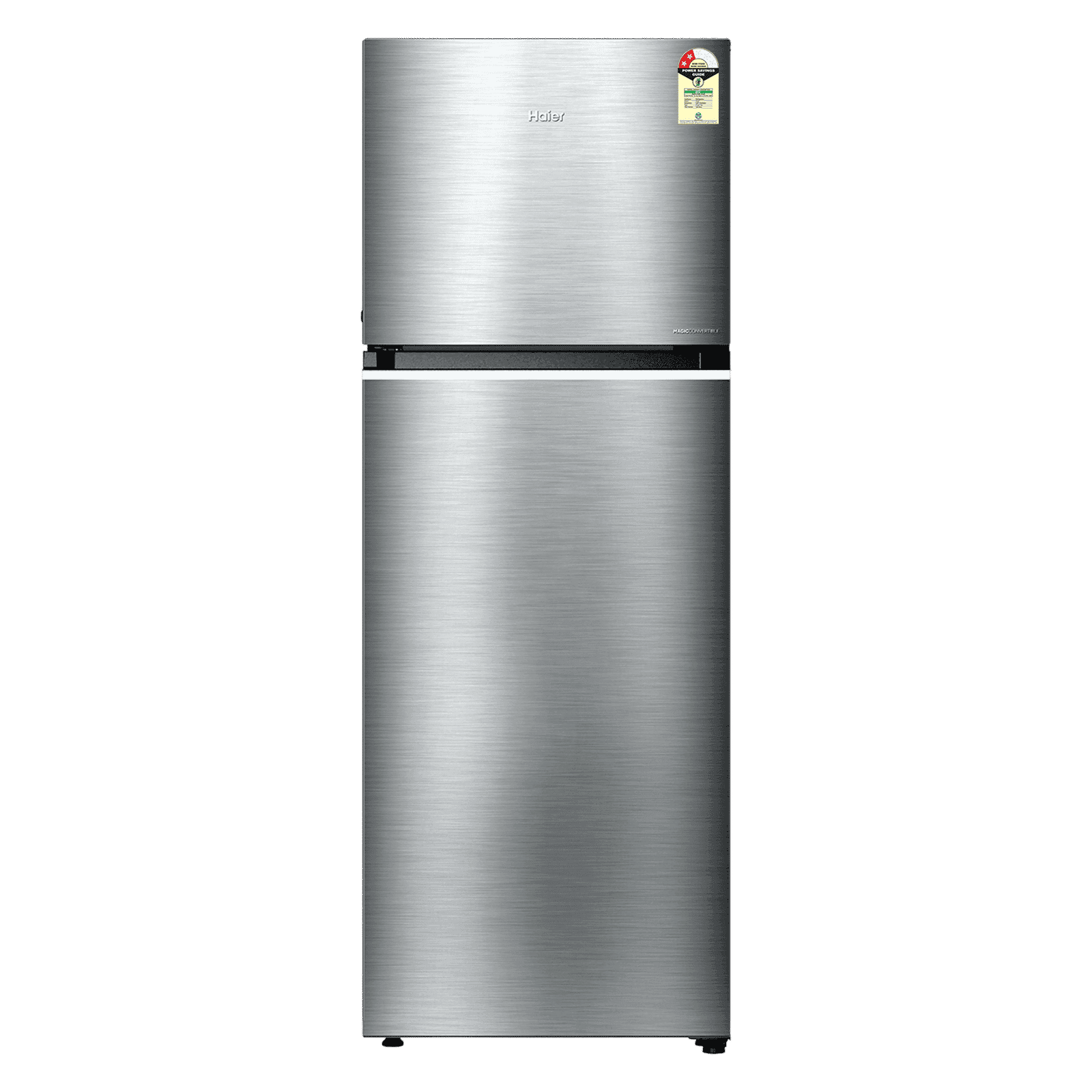
Credit: www.tataneu.com
Check Freezer Compatibility
Checking your freezer’s compatibility is key before changing its use to a refrigerator. Not all freezers can handle the shift. Some designs and features may limit how well it cools at higher temperatures needed for refrigeration. Understanding these limits helps avoid damage and ensures good performance. Pay close attention to the temperature control and sealing system. These factors affect cooling efficiency and energy use. Proper checks save time and effort in the long run.
Assess Temperature Control Options
Temperature control is the heart of this conversion. Freezers usually keep temperatures below freezing, around -18°C (0°F). Refrigerators run between 1°C and 4°C (34°F to 39°F). Check if your freezer has an adjustable thermostat. See if it can maintain warmer, stable temperatures.
Some freezers lack fine control and only switch fully on or off. This on/off cycling can cause temperature swings. Such swings are bad for food safety in a refrigerator setup. Look for models with digital or dial thermostats that allow precise temperature settings.
Also, check if the cooling system supports longer run times at higher temperatures. Freezers may not run well if set above freezing. This can cause compressor wear or failure. Understanding these limits helps choose a freezer that adapts well.
Examine Door Seals And Insulation
Good door seals keep cool air inside and warm air out. Freezers have thick insulation and strong seals to hold freezing temperatures. However, these seals may dry out or crack over time. Check the door gasket for any damage or gaps.
Replace old seals to prevent air leaks. Air leaks cause the compressor to work harder and increase energy use. Ensure the door closes tightly without gaps. A well-sealed door supports stable temperature control.
Check insulation quality too. Proper insulation helps keep the cold air in and reduces frost buildup. Poor insulation can raise energy costs and reduce cooling efficiency. Ensure the freezer body has thick, intact insulation for best results.

Credit: www.dtappliance.com
Adjust Thermostat Settings
Adjusting the thermostat settings is a crucial step to turn your freezer into a fully functional refrigerator. Freezers are designed to maintain much lower temperatures than refrigerators, so dialing down the cold is necessary for safe food storage. With a little patience and the right approach, you can easily modify the temperature to suit your needs.
Locate And Modify Temperature Dial
Most freezers have a temperature dial located inside the unit, often at the back or near the top. This dial usually has numbers or levels indicating colder or warmer settings. To transform your freezer into a refrigerator, turn the dial towards a warmer setting, usually closer to the lowest number or “warm” mark.
Be aware that each freezer model varies, so check your manual for specifics on the temperature range. After adjusting, give the unit several hours to stabilize at the new temperature before checking if it’s suitable for refrigeration. Have you noticed how even a small dial turn can dramatically change the internal temperature? That’s why gradual adjustments work best.
Use External Thermostat Controllers
If your freezer’s built-in dial doesn’t offer enough control, an external thermostat controller can be a game-changer. These devices plug into the freezer’s power source and allow you to set precise temperatures through an external control unit. This is especially helpful if your freezer’s internal thermostat jumps between freezing and refrigeration temps.
External controllers often come with digital displays, letting you monitor temperature in real-time. This way, you can keep your food fresh without worrying about unexpected freezing. Think about how much easier it is to maintain a steady 38°F (3°C) for your fridge needs compared to guessing with the freezer’s original dial.
Improve Air Circulation
Good air flow inside the freezer helps keep temperatures steady. Clear space around vents to avoid blocking cold air. This allows the freezer to work like a refrigerator.
Improving air circulation is vital for converting a freezer into a refrigerator. Proper circulation ensures even cooling throughout the unit. This prevents warm spots and keeps food fresh. Simple changes can enhance airflow and efficiency.Add Fans For Even Cooling
Adding small fans inside the unit can greatly improve airflow. These fans help distribute cold air evenly. Look for battery-operated or plug-in fans made for refrigerators. Place them in areas where circulation is poor. Ensure they do not block air vents. This simple addition can help maintain a consistent temperature.Remove Frost Build-up
Frost build-up can hinder air circulation. It creates barriers that block airflow. Regularly check for frost and remove it promptly. Use a plastic scraper to gently remove frost from surfaces. Ensure the freezer is unplugged during this process. Keeping your freezer frost-free improves cooling efficiency. By focusing on air circulation, you can make your freezer function like a refrigerator. This ensures better cooling and preserves food quality.Modify Shelving And Storage
Modifying the shelving and storage inside your freezer is key to making it function well as a refrigerator. Freezer shelves are often designed for different types of storage, so adjusting them can maximize space and improve accessibility. Thoughtful changes here help you keep everything organized and easy to reach.
Rearrange Or Replace Shelves
Freezer shelves tend to be spaced for bulky frozen items, which might not suit fresh produce, bottles, or leftovers stored in a fridge. Try moving shelves closer together to create smaller compartments for better organization. If the existing shelves don’t fit your needs, consider replacing them with adjustable or wire racks that allow more airflow and flexibility.
Have you noticed how cramped or wasted space can make it harder to find what you need? Adjusting shelf height or adding new ones can turn awkward gaps into useful storage zones. Remember, shelves that slide out or tilt slightly can save you time and frustration when grabbing items.
Add Storage Bins For Organization
Adding storage bins is a simple way to keep similar items together and reduce clutter. Use clear plastic bins or baskets to group fruits, veggies, dairy, or snacks. This keeps your fridge tidy and helps prevent items from getting lost in the back.
Bins with handles make it easy to pull out what you want without knocking over other items. Plus, labeling bins can save you from digging through everything when you’re in a hurry. What categories would help you stay organized—meal prep, snacks, or drinks?
Monitor Temperature And Humidity
Monitoring temperature and humidity is key to turning a freezer into a refrigerator. Freezers are built for very cold temperatures, but refrigerators need a warmer and more stable climate. Keeping an eye on these factors helps protect your food from spoiling. It also ensures the appliance works efficiently and lasts longer.
Use Thermometers And Hygrometers
Thermometers measure the temperature inside your converted appliance. Hygrometers track the moisture level or humidity. Both tools are small and easy to place inside.
- Place a thermometer near the center for accurate readings.
- Keep a hygrometer away from the walls to avoid false results.
- Check both daily to notice any changes quickly.
Adjust Settings For Optimal Conditions
Freezers usually run too cold for most foods stored in refrigerators. Adjust the temperature control to a warmer setting. Aim for 35°F to 40°F (1.5°C to 4.5°C) for safe food storage.
Humidity control may need extra attention. Some freezers are too dry. Place a shallow dish of water inside to add moisture if needed. Watch the hygrometer to keep humidity between 30% and 50%.
- Turn the temperature dial slowly and monitor the change.
- Close the door quickly to keep the temperature steady.
- Use a fan inside to circulate air and balance humidity.
Credit: www.coastappliances.ca
Maintain And Troubleshoot
Maintaining your converted freezer as a refrigerator is key to keeping it efficient and extending its lifespan. Regular upkeep and quick troubleshooting can save you from unexpected breakdowns and costly repairs. Let’s dive into practical tips that make maintenance simple and identify common problems you can fix yourself.
Regular Cleaning Tips
Keeping your freezer-turned-refrigerator clean helps it run smoothly and prevents odors. Start by unplugging the unit before cleaning to stay safe.
- Wipe down the interior with a mixture of warm water and mild soap every two weeks.
- Clean the door seals gently to avoid cracks that cause cold air leaks.
- Remove and wash shelves or drawers separately to clear any spills or buildup.
- Don’t forget to vacuum the coils at the back or underneath to improve airflow and efficiency.
Have you noticed a strange smell or frost buildup? This often signals it’s time for a thorough clean.
Common Issues And Fixes
Turning a freezer into a refrigerator can cause a few hiccups. Knowing how to spot and fix them keeps your food fresh and your appliance healthy.
| Issue | Possible Cause | Quick Fix |
|---|---|---|
| Temperature too cold | Thermostat not adjusted correctly | Adjust thermostat to a higher setting; monitor temperature |
| Frost buildup inside | Door seal leak or frequent door openings | Check and replace door seals; reduce door openings |
| Unusual noises | Loose parts or fan obstruction | Inspect and tighten screws; clear fan obstructions |
| Water pooling at bottom | Clogged drain hole | Clear drain hole with warm water or pipe cleaner |
Have you tried adjusting the thermostat but still see frost? Sometimes, small changes like resealing the door can make a big difference.
Frequently Asked Questions
How Can I Convert A Freezer Into A Refrigerator?
To convert a freezer to a refrigerator, adjust the thermostat to a higher temperature. Freezers typically operate below 0°F, while refrigerators stay between 35°F and 40°F. Some models have a convertible mode. Otherwise, use an external thermostat controller for precise temperature control.
Is It Energy-efficient To Use A Freezer As A Refrigerator?
Using a freezer as a refrigerator can be energy-efficient if properly adjusted. Freezers use more power to maintain colder temperatures. Raising the temperature reduces energy consumption. However, energy savings depend on insulation quality and the accuracy of temperature control.
What Temperature Should A Converted Freezer Be Set At?
Set the converted freezer temperature between 35°F and 40°F for safe refrigeration. This range keeps food fresh without freezing. Use a reliable thermometer to monitor. Adjust the thermostat or use an external controller to maintain consistent temperature levels.
Can All Freezers Be Turned Into Refrigerators?
Not all freezers can be converted. Only models with adjustable thermostats or convertible settings are suitable. Chest freezers may require external temperature controllers. Check the manufacturer’s instructions before attempting conversion to avoid damaging the appliance.
Conclusion
Turning a freezer into a refrigerator can save space and money. Adjusting the thermostat is the key step to control temperature. Keep an eye on food to avoid spoilage or freezing. Regular cleaning helps maintain good air flow inside. This simple change works well for many households.
Try it carefully and enjoy extra cold storage. Small efforts bring big convenience in your kitchen.