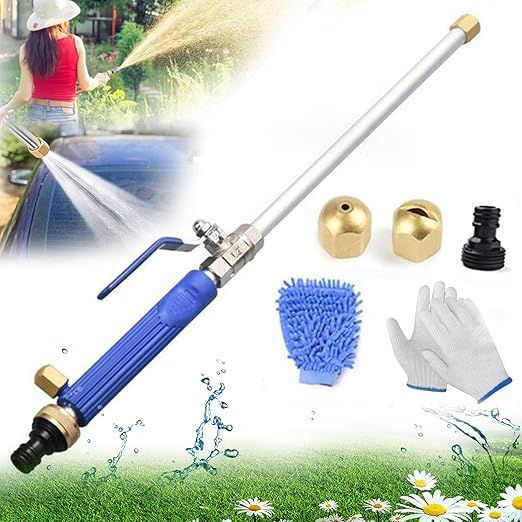
Are you tired of struggling with stubborn dirt and grime in your garden or driveway? What if you could transform your regular garden hose into a powerful pressure washer without spending a fortune?
Imagine saving time, effort, and money while getting your outdoor spaces sparkling clean. You’ll discover simple, step-by-step ways to turn your garden hose into an effective pressure washer. Keep reading to unlock easy tips that will make cleaning faster and more satisfying than ever before.

Credit: www.amazon.com
Materials Needed
Turning a garden hose into a pressure washer is a handy way to clean outdoor surfaces. You need a few basic materials before starting.
These materials help increase water pressure and improve cleaning power. Let’s look at what you need.
Choosing The Right Hose
Pick a strong, kink-free garden hose for better water flow. A hose with a smaller diameter increases pressure.
Look for hoses made of durable materials like reinforced rubber or vinyl. These last longer and handle high pressure well.
- Use 3/8 inch diameter hose for higher pressure
- Choose hoses with reinforced layers for durability
- Avoid old or damaged hoses to prevent leaks
Selecting A Nozzle
The nozzle controls water spray and pressure. Select a nozzle that fits your hose and has adjustable spray settings.
Nozzles with a narrow spray increase pressure for tough cleaning. Wider sprays cover larger areas but lower pressure.
- Pick a nozzle with adjustable spray patterns
- Choose brass or metal nozzles for durability
- Look for nozzles that connect easily to your hose
Additional Tools
Extra tools help convert your hose into a pressure washer. You might need connectors, adapters, and a pressure booster.
These parts link your hose to the nozzle and add pressure. Some kits include all needed parts for easy setup.
- Hose connectors or quick-release fittings
- Pressure booster or inline pump attachment
- Spray wand extension for better reach
- Teflon tape to seal connections and prevent leaks
Preparing The Hose
Turning a garden hose into a pressure washer needs careful preparation. You must check the hose condition and make sure it is clean and ready.
Preparing the hose well helps you get better water pressure and avoid leaks or breaks. Follow these steps to prepare your hose.
Inspecting For Damage
Look closely along the entire length of the garden hose. Check for cracks, holes, and weak spots. Small damage can cause leaks and reduce pressure.
- Feel for soft or thin areas on the hose surface.
- Look for cracks near connectors and bends.
- Check if the hose leaks when water runs through it.
- Replace the hose if damage is severe or leaks persist.
Cleaning The Hose
Clean the hose inside and out to remove dirt and debris. This helps water flow smoothly and prevents blockages.
- Detach the hose from the faucet and nozzle.
- Flush water through the hose to clear dirt inside.
- Use a soft brush and mild soap to clean the outer surface.
- Rinse the hose well and let it dry completely before use.
Cutting And Fitting
Cut the hose to the needed length and fit connectors for pressure washing. Make sure cuts are straight to avoid leaks.
| Tool | Purpose | Tip |
|---|---|---|
| Sharp utility knife | Make clean cuts on the hose | Cut on a flat surface for accuracy |
| Hose connectors | Attach to hose ends securely | Use connectors designed for pressure washers |
| Hose clamps | Secure fittings tightly | Check clamps are tight but not over-tightened |
Attaching The Nozzle
Turning your garden hose into a pressure washer is possible. Attaching the right nozzle is key for this transformation.
Follow these steps to ensure a proper connection. This will allow your garden hose to work effectively.
Types Of Nozzles
Different nozzles offer various spray patterns. Choosing the right one affects how your pressure washer performs.
- Fan nozzles spread water over a wide area.
- Jet nozzles focus water into a single stream.
- Adjustable nozzles let you change the spray pattern.
Securing The Connection
Properly securing the nozzle is important. It prevents leaks and ensures efficient water flow.
Use a rubber washer between the hose and nozzle. Tighten the connection with your hands.
- Check the washer is in place before attaching.
- Turn the nozzle clockwise to tighten.
- Do not use tools to avoid damaging threads.
Testing For Leaks
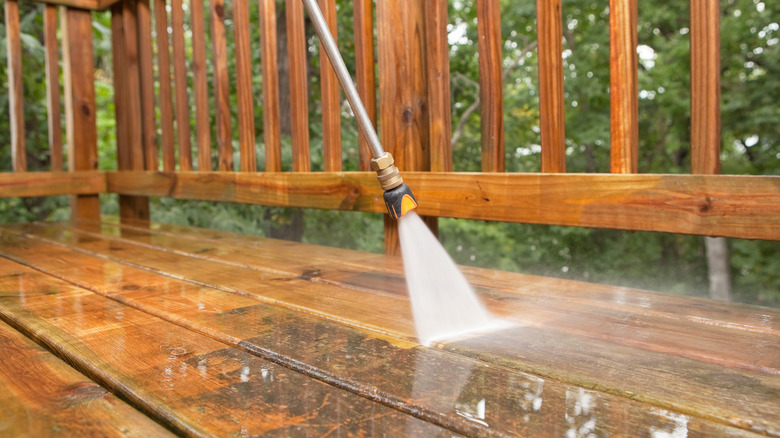
After attaching the nozzle, test for leaks. A leak-free connection is necessary for good pressure.
Turn on the water slowly. Look for any drips around the connection points.
- If leaks occur, tighten the nozzle further.
- Replace the washer if leaks persist.
- Ensure all parts are correctly aligned.
Credit: www.hunker.com
Boosting Water Pressure
Turning a garden hose into a pressure washer needs more water pressure. Normal hoses have low pressure. This limits their cleaning power.
There are simple ways to increase water pressure. These help your hose clean better without special machines.
Using A Pressure Booster Pump
A pressure booster pump pushes water harder through the hose. It raises water pressure for stronger spray power.
These pumps fit between your water source and hose. They need a power supply to work well.
- Install near the water tap
- Use pumps made for garden hoses
- Check power needs before buying
- Secure connections to avoid leaks
Adjusting Water Flow
Water flow affects pressure. Lower flow means higher pressure at the nozzle. You can adjust flow to boost pressure.
Use a valve or nozzle with flow control. Close the valve a little to tighten water stream and increase pressure.
- Start with full flow
- Slowly close valve to raise pressure
- Find balance for good spray and water use
- Avoid closing valve too much to prevent damage
Optimizing Hose Length
Long hoses reduce water pressure. Shorter hoses keep pressure higher. Use the shortest hose possible.
Thicker hoses help water flow better. A hose with bigger diameter keeps more pressure than a thin one.
- Choose hose length under 50 feet
- Use 5/8 inch or wider hoses
- Avoid many hose connectors
- Store hose properly to prevent kinks
Safety Tips
Turning a garden hose into a pressure washer can save money and time. Safety is very important when using high-pressure water.
Follow these tips to protect yourself and your property from harm or damage.
Handling High Pressure
High-pressure water can cut skin or cause injuries. Always handle the hose carefully and keep a firm grip.
Do not point the hose at people, animals, or delicate surfaces. Keep children and pets away while using it.
- Hold the hose tightly to avoid slipping
- Never aim at yourself or others
- Use slow and steady movements
Protective Gear
Wear protective gear to avoid injuries from water spray and debris. Eye protection is a must to stop particles from hitting your eyes.
Gloves help protect your hands from strong water flow and cold temperatures. Closed shoes protect your feet from water and sharp objects.
- Wear safety goggles or glasses
- Use sturdy gloves
- Wear closed-toe shoes
Avoiding Damage
Pressure from the hose can damage plants, paint, or surfaces. Test the water pressure on a small area before cleaning.
Do not use the pressure washer on fragile objects or near electrical outlets. Keep the hose away from sharp edges to avoid cuts.
- Test pressure on a hidden spot first
- Avoid spraying plants or painted surfaces
- Keep hose away from sharp or hot objects

Credit: www.hunker.com
Maintenance And Storage
Turning your garden hose into a pressure washer is handy for cleaning tasks. Proper care helps it last longer and work well. Good maintenance and storage keep it ready for use anytime.
Taking a few simple steps after each use protects your equipment. These steps stop damage and avoid problems like leaks or blockages.
Cleaning After Use
Cleaning your hose and pressure washer parts after use removes dirt and debris. This stops buildup that can clog the nozzle or damage seals.
Flush clean water through the hose and attachments. Wipe down the outside with a soft cloth to remove mud or grime.
- Run water through the hose until clear
- Clean the nozzle with a brush or cloth
- Check for stuck dirt in connectors
- Dry the hose before storage
Preventing Kinks
Kinks in the hose can block water flow and cause damage. Avoid sharp bends and twists when using or storing the hose.
Handle the hose gently and coil it loosely. This keeps it flexible and prevents weak spots that lead to cracks.
- Use a hose reel or large loops when coiling
- Do not pull the hose around sharp corners
- Keep the hose straight during use if possible
- Check for small kinks and fix them early
Proper Storage Techniques
Store your garden hose and pressure washer parts in a dry, shaded area. This protects them from sun damage and freezing temperatures.
Keep the hose off the ground to avoid dirt and pests. Use hooks or reels to hold the hose neatly and prevent tangles.
- Drain all water before storing
- Coil the hose loosely on a reel or hook
- Store indoors or under shelter if possible
- Keep attachments in a dry container
Frequently Asked Questions
How Can I Convert A Garden Hose Into A Pressure Washer?
You can attach a pressure washer nozzle to your garden hose. This nozzle increases water pressure for effective cleaning. Some kits include adapters for a secure fit.
What Tools Do I Need To Make A Hose Pressure Washer?
You need a high-pressure nozzle, hose connectors, and optionally a water filter. These tools help boost water pressure and protect your hose.
Is A Garden Hose Pressure Washer Effective For Cleaning?
Yes, it works well for light cleaning tasks. It saves money but lacks the power of electric pressure washers.
Can I Use Any Garden Hose For Pressure Washing?
Use a sturdy, kink-free hose rated for high pressure. Thin or damaged hoses may burst under pressure.
Conclusion
Turning a garden hose into a pressure washer saves money and effort. You only need a few simple tools and steps. This DIY method works well for cleaning cars, patios, and outdoor furniture. Always check your hose and attachments for leaks before starting.
With some practice, you can clean tough dirt faster and easier. Give it a try and see the difference yourself. Simple, quick, and effective cleaning is possible without expensive equipment. Your garden hose can do more than just water plants.