Have you ever found yourself driving as the sun sets, only to realize you’re not sure how to turn on your car’s headlights? It’s a simple task, but knowing exactly how to do it can keep you safe and avoid fines.
In this guide, you’ll discover easy steps to quickly switch on your headlights, no matter what type of car you’re driving. Keep reading, and you’ll never have to worry about being caught in the dark again.
Locate The Headlight Controls
Turning on your car headlights is an important skill for safe driving. Knowing where the controls are helps you react quickly.
Most cars have simple switches or knobs to operate the headlights. This guide will help you find them easily.
Common Control Positions
Headlight controls are often located in a few standard places inside the car. Check these areas first:
- On the dashboard, to the left of the steering wheel
- On the turn signal stalk attached to the steering column
- On a separate panel near the driver’s door
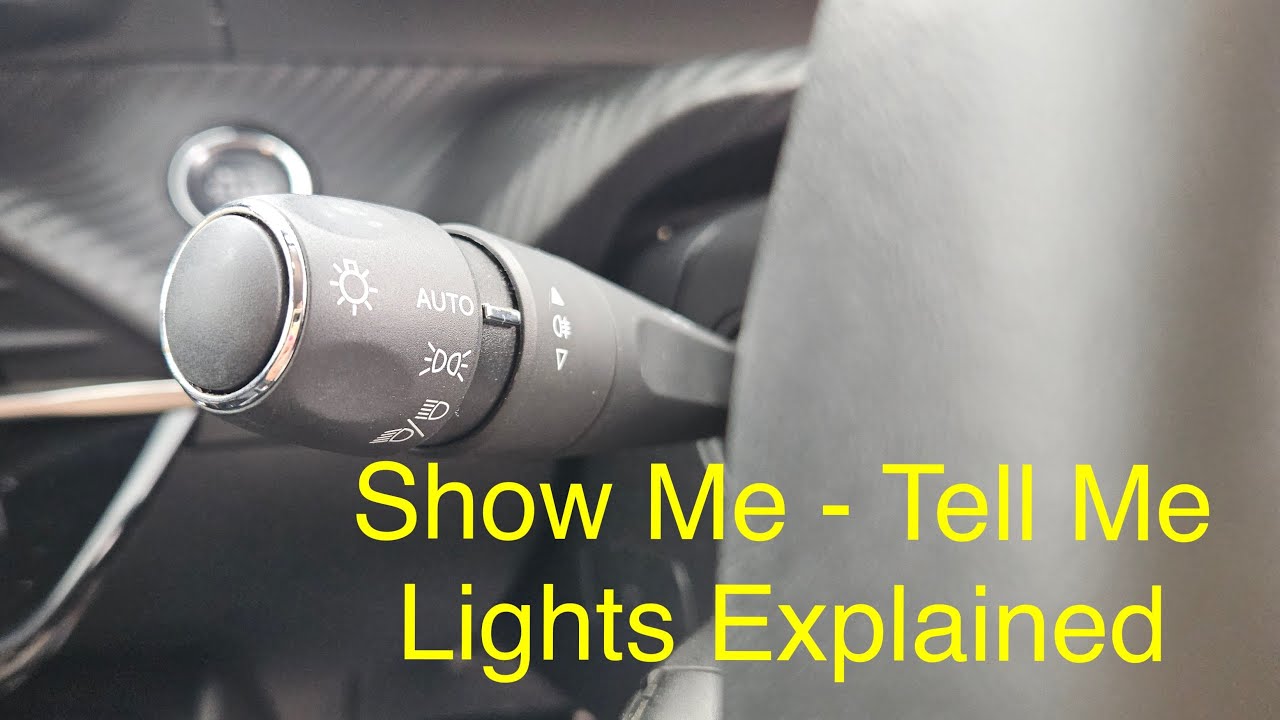
Look for symbols like a light bulb or a sun to identify the headlight switch.
Types Of Headlight Switches
There are several types of switches to turn on headlights. Knowing your car’s switch type helps you use it correctly.
| Switch Type | Description | How to Use |
|---|---|---|
| Rotary Knob | Round dial usually on the dashboard | Turn clockwise to switch headlights on |
| Toggle Switch | Small lever or button near the steering wheel | Flip or press to activate headlights |
| Stalk Control | Lever on the side of the steering column | Rotate or push the end of the stalk |
Turn On The Headlights
Turning on the headlights in a car is simple. It helps you see the road clearly at night or in poor weather.
There are common ways to turn on headlights. These include using a rotary switch or a push/pull switch.
Using The Rotary Switch
The rotary switch is usually located on the dashboard or near the steering wheel. You turn it to switch on the headlights.
- Locate the rotary switch, often marked with a headlight icon.
- Turn the switch clockwise to the first position for parking lights.
- Turn further to the second position to turn on the headlights.
- Some cars have an auto setting that turns headlights on and off automatically.
Using The Push Or Pull Switch
The push or pull switch works by pushing or pulling a lever on the steering column. This activates the headlights.
| Action | Result |
|---|---|
| Push the lever inward | Turns on parking lights |
| Pull the lever outward | Turns on headlights |
| Pull the lever again quickly | Activates high beams |
Activate High Beams
High beams help you see farther on dark roads. They give extra light when driving at night.
You must know when and how to use them safely. This guide shows you the basics.
When To Use High Beams
Use high beams only in certain situations. They can blind other drivers if used wrong.
- On dark, empty roads with no street lights
- When no other cars are ahead of you
- In rural or country areas with little traffic
- Avoid using them in fog, rain, or snow because they cause glare
- Switch to low beams when you see oncoming cars
How To Switch Between Low And High Beams
Most cars have a lever or switch near the steering wheel. This controls your headlights.
| Action | Effect |
| Push lever forward | Turn on high beams |
| Pull lever back | Return to low beams |
| Flash by pulling lever toward you | Briefly activate high beams |
Check your dashboard for a blue headlight icon. It shows when high beams are on.

Credit: www.youtube.com
Use Automatic Headlights
Automatic headlights turn on your car lights without manual effort. They use sensors to detect light levels outside.
This feature helps you drive safely at night or in dark places. It also saves battery when lights are not needed.
Settings For Automatic Mode
To enable automatic headlights, find the headlight control switch on your dashboard or steering column. Turn it to the “Auto” position.
- Check your car’s manual for exact switch location.
- Some cars allow adjusting sensitivity of the light sensor.
- Set the sensor to activate headlights at dusk or in tunnels.
- Ensure the sensor lens is clean for accurate detection.
Advantages Of Automatic Headlights
| Advantage | Description |
| Convenience | Lights turn on and off without manual input. |
| Safety | Improves visibility in low light and bad weather. |
| Battery Saving | Prevents lights from staying on accidentally. |
| Focus | Driver can concentrate on the road, not controls. |
Check Headlight Functionality
Ensuring your car headlights work properly is important for safe driving. Checking them regularly helps you avoid accidents and legal issues.
This guide shows two simple ways to check if your headlights are working well before driving at night or in bad weather.
Visual Inspection
Look at the headlights to see if they are clean and not broken. Dirt or cracks can reduce the light’s brightness.
- Check both headlights for cracks or damage.
- Make sure the lenses are clean and clear.
- Turn the headlights on and look for light coming from both sides.
- Notice if one headlight is dimmer than the other.
- Replace bulbs if any headlight is not lighting up.
Dashboard Indicators
Your car dashboard often shows symbols related to the headlights. These indicators help you know if the lights are on or if there is a problem.
| Indicator Symbol | Meaning |
| Green headlight icon | Low beam headlights are on |
| Blue headlight icon | High beam headlights are on |
| Amber warning light | Headlight bulb needs replacement |
| Flashing headlight icon | Headlight system error |
Adjust Headlight Brightness
Adjusting your car’s headlight brightness helps improve visibility at night. It also reduces glare for other drivers on the road.
Different cars have different ways to change the brightness. Some adjustments are manual, allowing you to control the light level.
Manual Adjustment Options
Many cars let you adjust headlight brightness manually. This can be done using knobs or switches inside the car.
Some cars have a dial near the dashboard or on the headlight control stalk. Turning the dial changes the beam angle or brightness.
- Use the dial to lower or raise the headlight beam
- Adjust brightness to match the load in your car
- Check your car’s manual for exact controls
Impact On Night Driving Safety
Proper headlight brightness helps you see better at night. It also prevents blinding other drivers with too much light.
Adjusting headlights correctly can reduce accidents. It improves your reaction time by showing obstacles earlier.
- Bright enough to see road signs and hazards
- Not too bright to cause glare for others
- Adjusted for different driving conditions
Safety Tips For Night Driving
Driving at night needs extra care. Your headlights help you see the road clearly.
Using headlights properly keeps you and others safe on dark roads.
Maintain Clean Headlight Lenses
Dirty headlight lenses reduce light output. Clean lenses help you see better at night.
- Wash headlights with soap and water regularly.
- Use a soft cloth to avoid scratches.
- Consider a headlight restoration kit for cloudy lenses.
- Check lenses after driving in mud or rain.
Replace Bulbs Timely
Old bulbs give weaker light. Replace them to keep your view clear at night.
| Bulb Type | Average Lifespan | Signs to Replace |
| Halogen | 450 to 1,000 hours | Dimming or flickering light |
| LED | 20,000+ hours | Light fails to turn on |
| HID | 2,000 to 3,000 hours | Color change or dim light |
Credit: www.youtube.com

Credit: www.youtube.com
Frequently Asked Questions
How Do I Turn On Headlights In A Car?
Locate the headlight switch, usually near the steering wheel. Turn the switch or rotate the knob to the “on” position to activate headlights.
When Should I Use My Car Headlights?
Use headlights at night, in low visibility, or during rain and fog. They improve safety by making your vehicle visible to others.
What Types Of Headlights Can I Turn On?
Most cars have low beam and high beam headlights. Low beams are for regular driving, while high beams are for dark, open roads.
How Do I Switch Between Low And High Beams?
To switch, push or pull the headlight lever near the steering wheel. This action toggles between low and high beam settings.
Conclusion
Learning to turn on car headlights is simple and essential. It ensures safety during night drives or gloomy weather. Remember to check the headlight controls before starting your journey. Practice makes perfect, so familiarize yourself with the switches. Always keep your headlights clean for better visibility.
Regular maintenance prevents any technical issues. Don’t forget to switch them off when not in use. This helps save battery life. Drive safely with clear, functioning lights. They guide your way and keep you visible to others. Happy and safe driving!