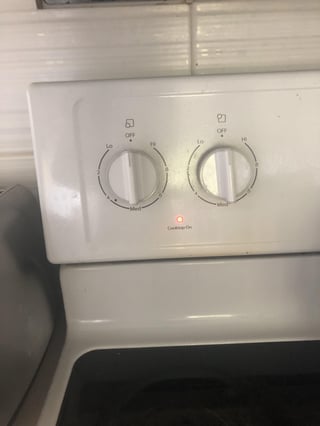
Have you ever noticed that pesky little light on your cooktop that just won’t turn off? It can be frustrating, especially when you’re sure you’ve turned off all the burners.
Not only does it raise concerns about safety, but it can also leave you wondering if something’s wrong. You’re not alone in this! Many people experience this issue and are eager to find a solution. Imagine the peace of mind you’ll feel when you know exactly how to handle this common problem.
In this guide, we’ll walk you through the simple steps to turn off that cooktop light, ensuring your kitchen feels safe and your mind is at ease. Ready to solve this once and for all? Let’s dive in!
Identifying The Cooktop Light
Before you can turn off the cooktop light, you first need to recognize what it looks like and understand its role. Many people overlook this small detail, yet identifying the cooktop light is essential for safe cooking and energy conservation. Let’s break down what these lights are for and how they differ across various cooktop models.
Purpose Of The Cooktop Light
The cooktop light serves as an important safety feature. It tells you when a burner is still hot, even if the knob is turned off. This helps prevent accidental burns or fires by keeping you aware of residual heat.
Besides safety, the light often acts as an indicator for active burners or specific cooking modes. Have you ever wondered why a light stays on after you think you’ve turned the burner off? That’s usually the cooktop’s way of warning you the surface hasn’t cooled yet.
Types Of Cooktop Indicator Lights
Cooktop indicator lights come in several forms, depending on the technology and brand. Understanding these types helps you quickly spot and interpret what the light means.
- Neon or LED Lights:Common on electric cooktops, these glow red or orange when a burner is hot.
- Digital Display Indicators:Found on induction cooktops, these might show numbers or symbols indicating heat levels.
- Mechanical Indicator Lights:Older gas cooktops sometimes use small bulbs that light up when the burner is ignited.
Knowing which type your cooktop uses can save you from guessing and ensure you never turn off a burner too soon. Have you checked what kind of light your cooktop uses today?
Simple Steps To Turn Off The Light
Turning off the cooktop light is often overlooked but can save energy and extend the life of your appliance. The process varies depending on your cooktop’s design, but it’s usually quick and straightforward. Let’s look at how you can easily switch off the light using different controls.
Using The Control Knobs
Many traditional cooktops have control knobs that serve multiple functions, including controlling the light. Usually, the light turns on automatically when you turn on a burner.
To turn off the light, simply rotate the knob back to the “Off” position. Some models may have a separate setting or a small indicator on the knob specifically for the light.
If your light stays on after switching off the burner, check if your cooktop has a dedicated light switch near the knobs. This small detail can save you time and prevent confusion.
Touch Controls And Digital Panels
Modern cooktops often feature touch controls or digital panels that control the light separately from the burners. These controls are usually intuitive but can be tricky if you’re used to knobs.
Look for a button with a light bulb icon or a symbol representing the cooktop light. Press it once to turn the light on or off.
If the light doesn’t respond immediately, try holding the button for a couple of seconds. Some models use this to prevent accidental activation.
Have you noticed how much simpler it feels once you get familiar with the control panel? Taking a moment to explore your cooktop’s interface can save you frustration later.
When The Light Stays On
Sometimes the cooktop light stays on even after turning off the burners. This can cause worry and confusion. It is important to understand why the light remains active. Identifying the cause helps fix the issue quickly and safely.
Common Causes For Persistent Lights
- Burner is still hot, triggering the heat sensor.
- Faulty or damaged cooktop sensor or switch.
- Electrical wiring problem inside the cooktop.
- Moisture or spills affecting the control panel.
- Cooktop control board malfunction.
Troubleshooting Tips
- Check if the burner surface is cool before resetting.
- Wipe the cooktop clean and dry to remove moisture.
- Turn off the power to the cooktop for a few minutes.
- Inspect the sensor for visible damage or dirt.
- Consult the user manual for specific reset instructions.
- Call a professional if the light remains after these steps.

Credit: www.amazon.com
Safety Tips For Cooktop Use
Using a cooktop safely is important to prevent accidents and injuries. Knowing how to handle it properly helps keep your kitchen safe. Follow key safety tips to protect yourself and others while cooking.
Avoiding Accidental Burns
- Always turn off the cooktop after use.
- Keep handles of pots and pans turned inward.
- Use oven mitts or pot holders to handle hot cookware.
- Never leave the cooktop unattended while cooking.
- Keep children and pets away from the cooking area.
- Check that all burners are completely off before leaving.
Proper Maintenance
- Clean the cooktop regularly to avoid buildup of grease.
- Inspect the cooktop for any damage or wear.
- Replace damaged parts promptly to prevent hazards.
- Use recommended cleaning products to avoid surface damage.
- Test control knobs and lights to ensure they work correctly.
- Schedule professional inspections if you notice irregularities.
When To Call A Professional
Knowing when to call a professional is important for safety and efficiency. Some cooktop issues can be fixed easily, but others need expert care. Ignoring warning signs can lead to bigger problems or hazards. Acting quickly protects your home and family from electrical dangers.
Signs Of Electrical Issues
- Cooktop lights flicker or stay on without control.
- Burning smell or smoke near the cooktop area.
- Cooktop turns off suddenly or won’t power on.
- Sparks or unusual noises when using the cooktop.
- Frequent tripping of circuit breakers linked to the cooktop.
- Buttons or controls feel hot or unresponsive.
These signs suggest wiring or internal component problems. Do not try to fix electrical faults yourself. Turn off the cooktop and disconnect power if possible.
Finding A Qualified Technician
Choose a technician with experience in cooktop repairs. Look for licensed electricians or appliance specialists. Check reviews and ask for references if possible. Confirm they have proper insurance to cover any accidents. Request a clear estimate before any work begins.
Reliable experts will diagnose the problem quickly. They ensure the repair meets safety standards. Hiring a professional saves time, money, and stress. It keeps your kitchen safe and your cooktop working well.

Credit: www.reddit.com

Credit: www.youtube.com
Frequently Asked Questions
How Do I Turn Off The Cooktop Light Safely?
To turn off the cooktop light safely, first ensure the cooktop is off. Locate the light switch or button. Press or toggle it to switch off the light. Avoid touching any hot surfaces to prevent burns.
Can The Cooktop Light Be Turned Off Separately?
Yes, many cooktops have a separate switch for the light. Check your appliance’s manual for the exact location. This allows you to turn off the light without affecting the cooktop’s cooking functions.
Why Won’t My Cooktop Light Turn Off?
If your cooktop light won’t turn off, the switch may be faulty. It could also be a wiring issue or a stuck button. Inspect the switch and consult a professional if needed for safe repairs.
Is It Safe To Leave The Cooktop Light On?
Leaving the cooktop light on is generally safe but wastes energy. It can slightly increase your electricity bill. Turn it off when not needed to save power and extend the bulb’s life.
Conclusion
Turning off the cooktop light is simple and quick. Always check the control panel carefully. Make sure the cooktop is fully off before leaving. This helps keep your kitchen safe. Remember, small steps prevent accidents and save energy. Practice these tips every time you cook.
Stay safe and enjoy your cooking experience.