
Are you ready to cool down your home but unsure how to turn on your air conditioner outside? Knowing the right steps can save you time, avoid costly mistakes, and keep your AC running smoothly.
Whether you’re dealing with a new unit or just want to make sure you’re doing it correctly, this guide will walk you through everything you need to know. Keep reading to unlock simple tips that will get your air conditioner up and running quickly and efficiently.
Your comfort starts right here.
Locate The Outdoor Unit
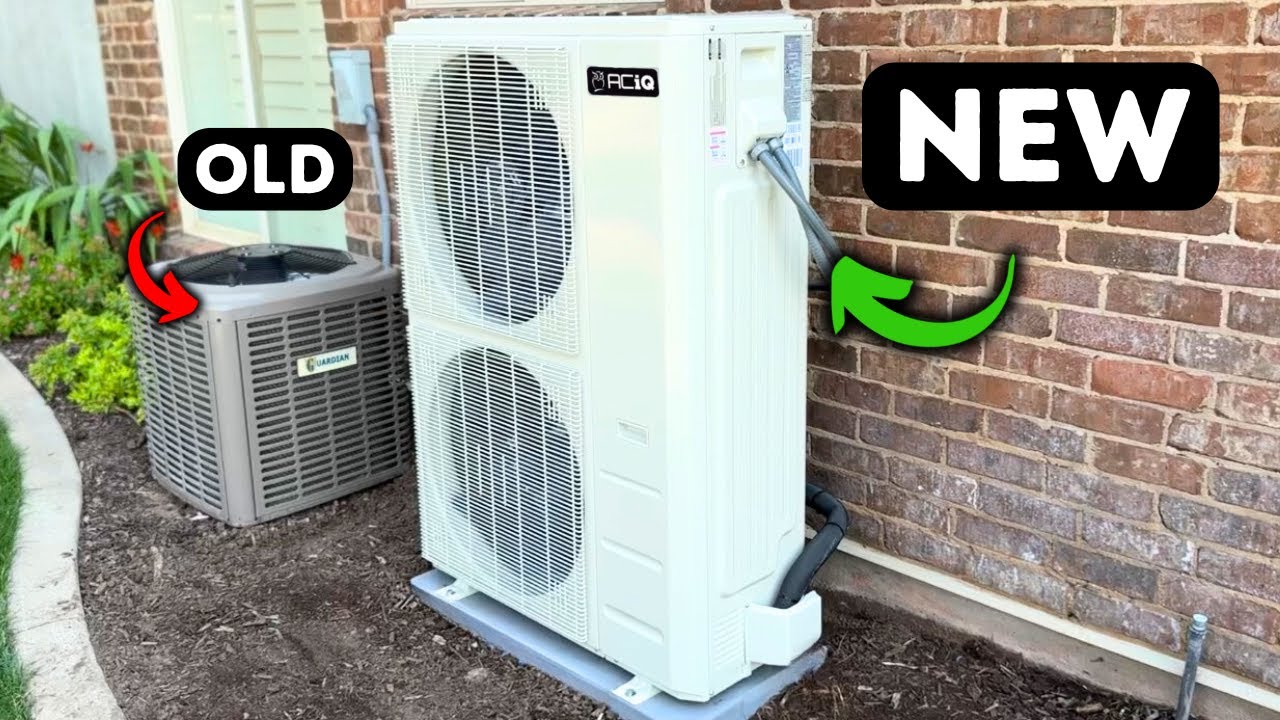
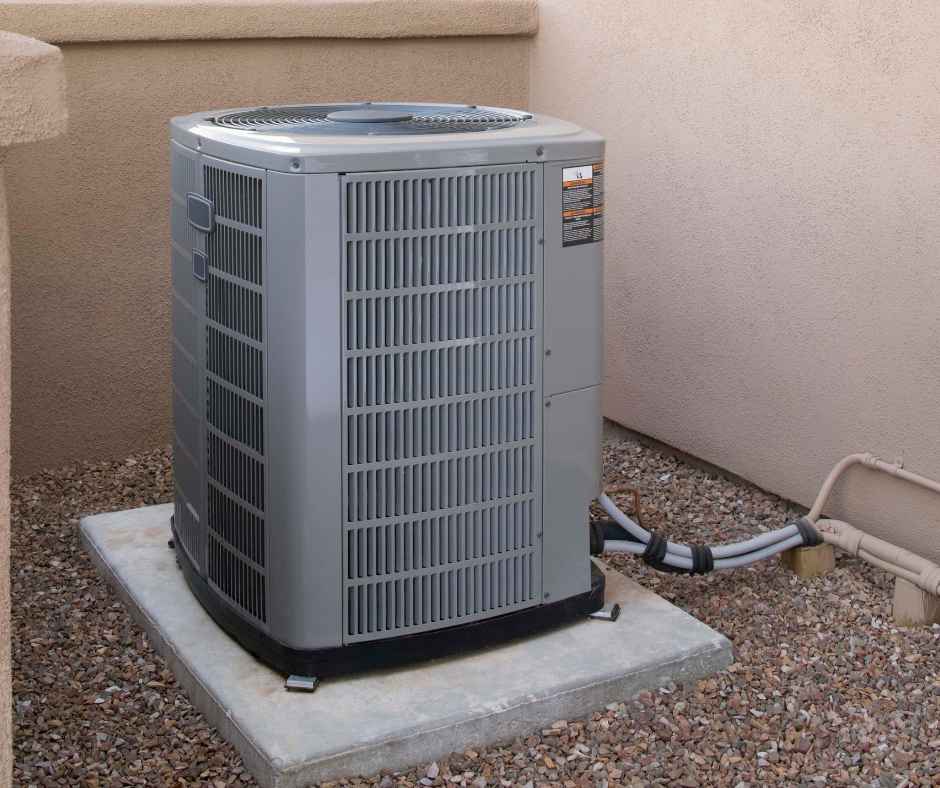
The outdoor unitis usually placed outside your home. It looks like a big metal box with a fan on top. This unit is often near the wall or in a backyard. You might find it close to a window or patio door. The outdoor unit connects to the indoor air conditioner. It helps cool your home by releasing heat outside. Check for any plants or objects blocking the unit. Clear space helps the air conditioner work well. The unit often has a power switch nearby. This switch controls the outdoor unit’s electricity. Make sure the switch is on to start the air conditioner.
Credit: www.youtube.com
Check The Power Supply
Start by checking the circuit breakerto ensure it is not tripped. A tripped breaker will cut power to the air conditioner. Flip the breaker off and then back on to reset it.
Next, inspect the disconnect switchnear the outdoor unit. This switch controls the power supply directly to the air conditioner. Make sure it is in the ONposition.
Both the circuit breaker and disconnect switch must allow power flow for the unit to turn on. If either is off or faulty, the air conditioner will not start.
Prepare The Unit For Startup
Clear all leaves, dirt, and debrisaround the outdoor unit. This helps the air conditioner work better. Check for plants or objects blocking airflow. Remove anything that stops air from moving freely.
Make sure the area around the unit has enough space. Good ventilation keeps the unit cool and stops overheating. Keep at least 2 feet of open space on all sides.
- Remove leaves, grass, and dust.
- Trim plants near the unit.
- Keep the top clear of branches or wires.
- Check the unit for any damage or rust.
Turn On The Thermostat
First, find the thermostat control panelon your air conditioner. Use the buttons or dial to turn it on.
Next, set the desired temperature. Choose a cool setting that makes you comfortable. Usually, 72°F to 75°F works well.
- Select the cooling modeon the thermostat. This tells the unit to start cooling.
- Look for settings like “Cool,” “Auto,” or a snowflake icon.
- Make sure the fan is set to “Auto” for best results.
Activate The Outdoor Unit
The outdoor unit of an air conditioner needs power to work. Locate the disconnect boxnear the unit. This box has a switch that controls electricity flow.
- Open the box carefully.
- Flip the switch to the ONposition.
- This action allows power to reach the outdoor unit.
If the air conditioner does not start, check the circuit breaker. Sometimes, it trips to protect the system.
- Find the breaker panel inside your home.
- Look for the breaker labeled for the AC unit.
- If it is in the OFFposition, reset it by flipping it back ON.
After these steps, the outdoor unit should be powered and ready to run.
Perform A Test Run
Turn on the air conditioner outside and listen carefully. Unusual noiseslike rattling or buzzing can mean a problem.
Check if the fan is spinning smoothly without any stops or jerks. The motor should sound steady and calm.
Next, stand near the unit and feel for airflow. The air should blow out strong and steady. Weak airflow may mean a blockage or dirty filter.
Ensure that the area around the outside unit is clear of debris, leaves, and dirt. This helps the air flow freely.
Watch for any vibrations or shaking. These signs might mean loose parts or mounting issues.
Troubleshoot Common Issues
Unit not startingmay happen due to a tripped breaker or blown fuse. Check your home’s electrical panel and reset the breaker or replace the fuse if needed. Make sure the thermostat is set to a cool setting. Also, verify the power switch near the outdoor unit is turned on.
Fan not spinningcould be caused by a faulty motor or capacitor. Sometimes debris or dirt blocks the fan blades. Clear away any debris carefully. If the fan still won’t spin, a professional may need to replace the motor or capacitor.
Unusual smells or soundsoften signal mechanical problems or electrical issues. Burning smells need immediate attention to avoid fire hazards. Strange noises like grinding or rattling might mean loose parts or worn-out components. Turn off the unit and call a technician for a safety check.

Credit: www.youtube.com
Schedule Regular Maintenance
Regular maintenance keeps your air conditionerrunning smoothly and cool. Clean or replace the filtersoften to let air flow well. Dirty filters make the unit work harder and waste energy.
Inspect the refrigerant levelsto ensure the system cools properly. Low refrigerant can cause poor cooling and damage the unit. A technician can check and refill it if needed.
Check all electrical connectionsto avoid shorts or failures. Loose wires can stop the air conditioner from turning on. Tighten or repair any bad connections for safety and performance.
Credit: www.russettsouthwest.com
Frequently Asked Questions
How Do I Turn On An Outdoor Air Conditioner Unit?
Locate the outdoor unit’s disconnect switch or breaker. Turn it on to power the unit. Then, use the indoor thermostat to activate cooling.
Can I Control My Outdoor Ac Unit Remotely?
Yes, smart thermostats and AC controllers allow remote control of outdoor units via smartphone apps. This offers convenience and energy savings.
What Safety Precautions Are Needed When Turning On Outdoor Ac?
Ensure the power is off before inspecting. Clear debris around the unit. Avoid wet conditions and use proper protective gear.
Why Won’t My Outdoor Ac Unit Turn On?
Common issues include tripped breakers, blown fuses, or thermostat problems. Check power supply and settings before calling a technician.
Conclusion
Turning on your outdoor air conditioner is simple and quick. First, check the power supply and thermostat settings. Next, switch on the unit and listen for normal sounds. Keep the area around the unit clear for good airflow. Regular checks help your air conditioner work well.
Now you can enjoy cool air without trouble. Stay comfortable even on hot days with these easy steps.