Have you ever found yourself driving as the sun sets, unsure how to turn on your car’s headlights? It might seem simple, but knowing exactly how to switch them on quickly can keep you safe and avoid fines.
You’ll discover easy steps to activate your headlights no matter what type of car you’re driving. By the end, you’ll feel confident and ready to handle any situation on the road—day or night. Keep reading to learn the quick tricks that every driver should know!

Credit: www.reddit.com
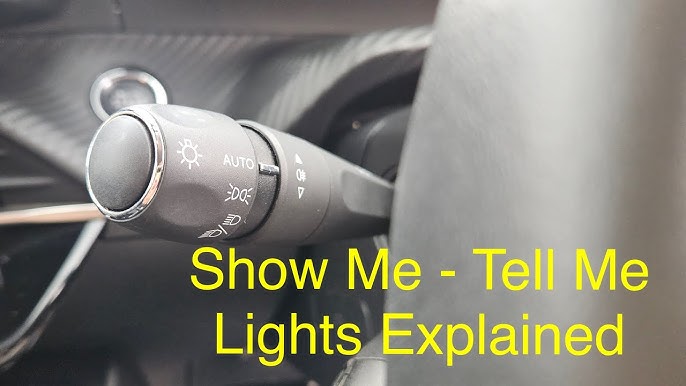
Locate The Headlight Controls
Turning on your car headlights is an important step before driving at night or in low light. You first need to find the headlight controls in your vehicle.
These controls are usually located near the dashboard or the steering wheel. Knowing where to look helps you operate them safely and quickly.
Dashboard Switches And Levers
The dashboard often has a switch or dial to control the headlights. This switch can turn the lights on and off and may include settings for parking lights or automatic mode.
- Look for a knob or dial on the left side of the dashboard.
- The icon usually looks like a small light bulb or a headlight symbol.
- Turn the knob to the right to switch on the headlights.
- Some cars have a button instead of a dial.
Common Control Positions
| Control Type | Location | How to Use |
| Rotary Switch | Left side of dashboard | Turn clockwise to switch headlights on |
| Lever on Steering Column | Left side of steering wheel | Push or pull lever to activate headlights |
| Button | Dashboard near center console | Press to toggle headlights on or off |
Types Of Headlights
Cars have different types of headlights for safe driving. Each type serves a special purpose. Knowing them helps you use headlights correctly.
This guide explains the main types of headlights and their uses on the road. Understanding these lights improves your driving safety.
Low Beams Vs. High Beams
Low beams light up the road ahead without blinding other drivers. Use them in city areas or when traffic is near. High beams shine bright and far. Use high beams on empty roads at night.
- Low Beams:Shorter range, less glare, for regular driving.
- High Beams:Longer range, brighter light, for open roads.
- Switch to low beams when you meet other cars to avoid glare.
Fog Lights And Daytime Running Lights
Fog lights help you see better in fog, rain, or snow. They shine low and wide to reduce glare. Daytime running lights turn on automatically during the day. They make your car more visible.
| Light Type | Purpose | When to Use |
| Fog Lights | Improve visibility in foggy or bad weather | In fog, heavy rain, or snow |
| Daytime Running Lights | Increase car visibility during daytime | Automatically on during the day |
Step-by-step Guide To Turning On Headlights
Headlights help you see the road in the dark. They also make your car visible to others. Learning to turn them on is important for safe driving.
This guide explains how to use low beams, high beams, and fog lights in your car. Follow these steps to operate your headlights correctly.
Activating Low Beams
Low beams are the standard headlights for night driving. Use them in normal dark conditions without fog or heavy rain.
- Locate the headlight switch, usually on the dashboard or steering column.
- Turn the switch to the first or low beam setting. This may be marked with a small light symbol.
- Check that the low beams are on by looking at the dashboard indicator or outside the car.
Switching To High Beams
High beams shine brighter and farther than low beams. Use them on empty roads or highways without oncoming traffic.
| Action | Purpose |
|---|---|
| Push or pull the turn signal lever | Toggle high beams on or off |
| Look for a blue high beam icon on the dashboard | Confirm high beams are active |
| Switch back to low beams when another car approaches | Prevent blinding other drivers |
Using Fog Lights
Fog lights improve visibility in fog, heavy rain, or snow. Use them with low beams for best results.
- Find the fog light button or switch near the headlight controls.
- Turn on the fog lights by pressing or twisting the control.
- Use fog lights only in poor weather conditions to avoid glare.

Credit: www.youtube.com
Automatic Headlight Features
Automatic headlights help drivers by turning lights on or off based on outside light. This feature makes driving safer at night and in dark places.
Understanding how automatic headlights work can help you use them better and know when to take control.
How Auto Mode Works
Auto mode uses a sensor to check light levels outside the car. It switches headlights on when it gets dark or when entering tunnels. The lights turn off during bright daylight.
- Sensors detect darkness or low light
- Headlights turn on automatically
- Lights turn off in bright conditions
- Some cars adjust brightness based on conditions
When To Override Automatic Settings
Sometimes, you may need to control headlights manually even if auto mode is on. This can happen in unusual weather or driving conditions.
| Situation | Reason to Override |
| Heavy fog or rain | Auto sensors may not detect low visibility well |
| Bright street lights | Sensors might keep lights off though you need them |
| Parking at night | You may want to keep lights on for safety |
| Driving through dark tunnels | Manual control can ensure lights are on immediately |
Troubleshooting Common Issues
Car headlights are important for safe driving at night. Sometimes, they may not work properly. This guide helps you fix common headlight problems.
Read each section to understand how to check and solve headlight issues. You do not need special tools for most fixes.
Headlights Not Turning On
If your headlights do not turn on, start by checking the headlight switch. It may be faulty or stuck.
- Check the headlight fuse in the fuse box. Replace if blown.
- Inspect the wiring for loose or broken connections.
- Test the headlight relay and replace if needed.
- Make sure the car battery is charged and terminals are clean.
- Try turning the switch on and off several times.
Dim Or Flickering Lights
Dim or flickering headlights usually mean a problem with power supply or bulbs. Check these parts carefully.
| Possible Cause | What to Do |
| Weak battery | Charge or replace the battery |
| Loose wiring | Tighten or fix wiring connections |
| Old or dirty bulb | Clean or replace the bulb |
| Faulty alternator | Have alternator tested and repaired |
| Bad ground connection | Check and clean ground wires |
Replacing Headlight Bulbs
Headlight bulbs wear out over time and need replacement. Use the correct bulb type for your car model.
- Open the car hood and locate the headlight assembly.
- Remove the power connector from the bulb.
- Twist or unclip the bulb holder to release the old bulb.
- Insert the new bulb carefully without touching the glass.
- Secure the bulb holder and reconnect the power plug.
- Test the headlights to make sure they work.

Credit: www.youtube.com
Safety Tips For Using Headlights
Headlights help you see the road and other drivers. Using them correctly keeps you and others safe.
Learn when to turn on your headlights and how to avoid hurting other drivers’ eyes.
When To Use Headlights
Turn on headlights at dusk, dawn, and night. Use them in bad weather like rain, fog, or snow.
Headlights help you see and help others see your car. Use low beams in city areas or when near other cars.
- Use headlights from sunset to sunrise
- Turn on in rain, fog, or snow
- Use low beams in traffic or city streets
- Use high beams on dark, empty roads
Avoiding Glare For Other Drivers
Bright headlights can blind other drivers. Always aim lights low and switch to low beams near cars.
Avoid using high beams when driving behind another car or when facing oncoming traffic.
- Lower beams when near other cars
- Do not use high beams in fog or heavy rain
- Adjust headlights if they shine too high
- Clean headlights to keep light clear and steady
Frequently Asked Questions
How Do I Turn On Headlights In Most Cars?
To turn on headlights, locate the headlight switch, usually on the dashboard or steering column. Rotate or pull the switch to activate the headlights. Some cars have an automatic setting that turns on headlights based on lighting conditions.
When Should I Use My Car’s Headlights?
Use headlights at dusk, dawn, or in poor visibility like rain, fog, or snow. Headlights improve your visibility and help others see you. It’s also legally required in many places to use headlights after dark.
What Are The Types Of Headlight Controls?
Headlight controls include manual switches, rotary dials, and automatic sensors. Manual switches let you control headlights and parking lights. Automatic controls use sensors to turn lights on or off based on ambient light.
Can I Turn On High Beams With The Same Control?
Yes, usually by pushing or pulling the turn signal lever. High beams provide stronger light for dark roads but can blind other drivers. Use them only when no other vehicles are nearby.
Conclusion
Turning on your car’s headlights is simple. Find the headlight switch near the steering wheel. Usually, it’s on a lever or a panel. Twist or pull it to activate the lights. Practice makes it easier. Good headlights improve safety. They help you see better at night.
They also help others see you. Always check your headlights before driving. Safety first. Proper use of headlights prevents accidents. Follow these steps to ensure safe driving. Happy driving!