
Is your central vacuum system not working as it should? A clogged vacuum can disrupt your cleaning routine and leave you feeling frustrated.
But don’t worry—you’re not alone, and there’s a solution! Whether it’s a blocked hose or a stuffed filter, learning how to unclog your central vacuum system can save you from unnecessary stress and costly repairs. Imagine a spotless home, free from dust and debris, with your vacuum working as efficiently as the day you got it.
If you want to restore your vacuum’s performance and reclaim that clean, fresh feeling, keep reading to discover simple, step-by-step methods to get your system back in top shape. Your home deserves it, and so do you!
Signs Of A Clogged System
Recognizing the signs of a clogged central vacuum system can save you time and prevent damage. Your vacuum might be trying to tell you something important about its health. Paying attention to these signals helps you act before the problem worsens.
Reduced Suction Power
If your vacuum suddenly feels weaker, it’s a clear warning sign. You might notice it takes more effort to clean or that dirt stays behind. This drop in suction usually means debris is blocking the airflow somewhere in the system.
Have you ever cleaned the same spot multiple times without success? That’s a strong hint your vacuum isn’t pulling as it should.
Unusual Noises
Strange sounds like rattling, whistling, or a high-pitched tone often point to blockages. These noises occur because the motor struggles to pull air through clogged pipes. Ignoring these sounds can lead to more serious mechanical issues.
Think about the last time your vacuum made odd noises—did you check for obstructions right away? Listening closely to your vacuum’s sounds can save you from costly repairs.
Visible Blockages
Sometimes, the problem is right in front of you. Inspect the hose and inlet valves for visible dirt or debris buildup. Even a small clog in these areas can reduce the system’s performance drastically.
Take a moment to look inside your vacuum connections. Spotting and removing visible blockages is the quickest fix you can do yourself.

Credit: www.angi.com
Tools You’ll Need
Having the right tools on hand makes unclogging your central vacuum system much easier and quicker. Without proper supplies, you might waste time guessing what to use or risk damaging your vacuum. Let’s look at what you really need to get the job done efficiently.
Basic Cleaning Supplies
- Gloves:Protect your hands from dust, dirt, and sharp debris inside the pipes.
- Flashlight:A strong light helps you see inside dark vacuum pipes or the clog area.
- Bucket and Towels:Useful for catching dust or water that might spill during cleaning.
- Screwdriver or Drill:Necessary to open access panels or vacuum inlet covers.
- Flexible Brush or Pipe Cleaner:Helps you scrub away stubborn dust and dirt inside the vacuum hose or pipes.
Think about the last time you tried fixing something without basic tools. Frustration builds fast. Having these simple supplies ready will save you time and stress.
Specialized Vacuum Tools
- Vacuum Hose Snake:A flexible, long tool designed to push through blockages deep inside your vacuum pipes.
- Compressed Air Canister:Useful for blowing out smaller clogs or dust buildups that brush or snake can’t reach.
- Vacuum Cleaner with Strong Suction:Sometimes you’ll need to reverse suction to pull out clogs.
- Pipe Inspection Camera (Optional):This tool lets you see the inside of the pipes to locate the clog accurately.
Specialized tools might seem like extra expense, but they make your job precise and less frustrating. Have you ever struggled to find a clog only to guess its location? These tools give you clear answers and control.
Locating The Clog
Locating the clog in your central vacuum system is the key to fixing the issue quickly. Without knowing exactly where the blockage is, you might waste time and effort checking parts that are perfectly fine. Let’s look at how to pinpoint the problem, so you can get your vacuum working like new again.
Checking The Hose And Attachments
Start by detaching the hose and any attachments. Sometimes, debris like hair or dust balls get stuck right at the hose’s opening or inside the attachments. Give them a good visual check and try running water through the hose if possible to see if it flows freely.
If you notice weak suction while using the hose, it’s a clear sign the blockage might be here. Don’t forget to also feel for any kinks or crushed spots along the hose—they can cause partial clogs that reduce suction power.
Inspecting The Inlets
Next, move to the wall inlets where you plug in the hose. Dust and debris often accumulate in these spots, especially if the vacuum bag or canister is full or hasn’t been emptied in a while. Open the inlet covers and shine a flashlight inside to spot any visible blockages.
Try inserting a flexible rod or a straightened wire coat hanger carefully to dislodge any debris. Be gentle to avoid damaging the inlet’s sealing mechanisms. Have you ever found a surprise clump of dust hiding deep inside these inlets? It’s more common than you think!
Examining The Main Unit
The main vacuum unit is where most blockages build up over time. Check the dirt canister or bag first—if it’s full, empty it immediately. Then look inside the inlet where the hose connects to the unit; blockages often form here due to heavy debris.
Remove any filters and inspect them for clogging. A clogged filter can mimic the symptoms of a blockage, reducing airflow and suction. Remember to clean or replace filters regularly to avoid these issues.

Credit: www.youtube.com
Clearing The Blockage
Clearing a blockage in your central vacuum system is key to restoring strong suction and proper function. Blockages often occur in the pipes or hose, trapping dirt and debris. Removing this obstruction quickly helps avoid damage and keeps your home clean.
Removing Debris Manually
Start by disconnecting the vacuum hose from the wall inlet. Use a flashlight to inspect inside the hose and pipe for visible debris. Carefully pull out any stuck dirt, hair, or objects by hand. Gloves protect your hands during this process.
Be gentle to avoid damaging the hose or pipes. Clear both ends of the hose to ensure no small particles remain.
Using A Plumbing Snake
A plumbing snake works well for blockages deep inside pipes. Insert the snake into the inlet or hose and push it slowly forward. Rotate the snake to break up or catch the clog.
Pull the snake out gently, along with the debris it may have hooked. Repeat this a few times for thorough clearing. Clean the snake after use to avoid spreading dirt back into the system.
Flushing With Water Or Air
Flushing the pipes with water or air can push out smaller blockages. Use a garden hose with moderate pressure to send water through the pipe. Avoid high pressure to prevent pipe damage.
Alternatively, use a compressed air blower to force air through the system. This method dries the pipes quickly and removes loose dirt. Ensure all openings are clear before flushing for effective results.
Preventing Future Clogs
Preventing future clogs in your central vacuum system saves time and effort. Regular care keeps the system running smoothly. Simple habits protect your pipes and motor. Avoid blockages before they start for cleaner, efficient suction.
Regular Maintenance Tips
- Empty the dirt canister or bag often to prevent buildup.
- Check hoses and pipes for debris or small blockages regularly.
- Clean or replace filters as recommended by the manufacturer.
- Inspect the vacuum motor and brushes for dust accumulation.
- Schedule a professional inspection once a year to catch hidden issues.
Proper Usage Practices
- Only vacuum dry debris; avoid liquids that can cause clogs.
- Do not vacuum large or sharp objects that may block pipes.
- Use the correct attachments for different surfaces to reduce strain.
- Avoid pulling on hoses roughly; handle all parts gently.
- Clear visible debris from entry points before vacuuming.
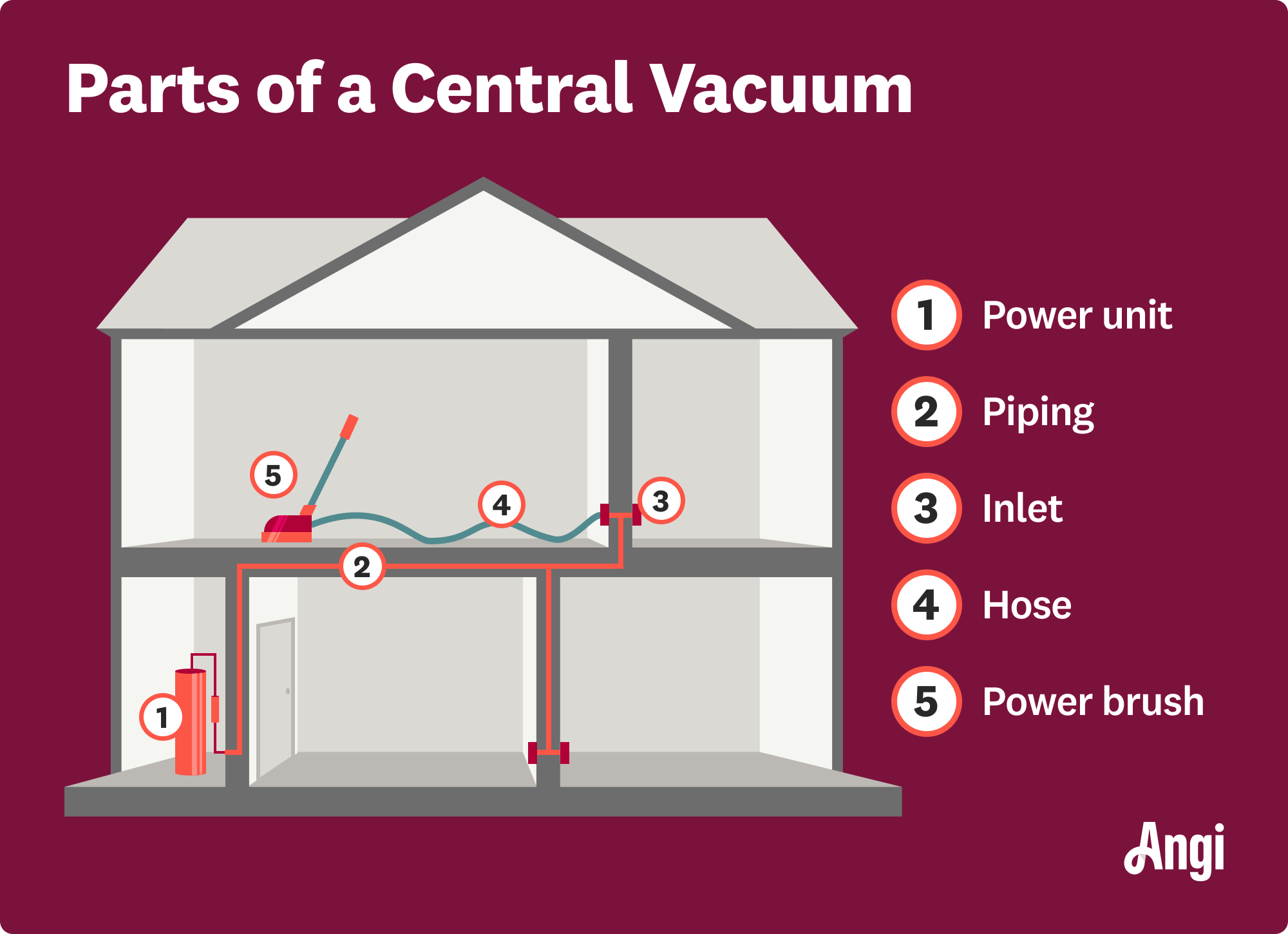
Credit: www.angi.com
When To Call A Professional
Knowing when to call a professional is key to fixing your central vacuum system. Some problems need expert tools and skills. Trying to fix serious issues alone can cause more damage. A timely call to a technician can save time and money. It also ensures your system works safely and efficiently.
Signs You Can’t Fix It Yourself
- The vacuum motor won’t start at all.
- Strong burning smells come from the unit.
- Repeated clogging after cleaning the hose.
- Unusual noises like grinding or rattling sounds.
- Visible damage to the pipes or wiring.
- Loss of suction despite clearing all accessible areas.
These signs mean the problem is deeper than a simple clog. A professional can diagnose hidden issues safely.
Choosing The Right Service
- Pick a company with experience in central vacuum systems.
- Check for good reviews and customer feedback.
- Confirm they offer on-site diagnostics and repairs.
- Ensure they use proper tools and replacement parts.
- Ask about warranties on their work and parts.
- Compare prices but avoid the cheapest option only.
Finding a skilled service helps keep your vacuum running longer. It also gives peace of mind knowing experts handle the repair.
Frequently Asked Questions
How Do I Know If My Central Vacuum Is Clogged?
Check for weak suction and poor debris pickup. Inspect hose and wall inlets for blockages. Listen for unusual motor sounds indicating strain. If airflow is reduced, a clog is likely present.
What Tools Are Needed To Unclog A Central Vacuum?
You need a vacuum hose, flexible cleaning brush, and a plumbing snake. A flashlight helps inspect pipes. Gloves protect your hands. These tools help reach and remove blockages effectively.
Can I Unclog A Central Vacuum Myself Safely?
Yes, most clogs can be cleared safely at home. Turn off the power before inspecting. Use tools gently to avoid damage. Call a professional if blockages are deep or difficult to remove.
How Often Should I Check For Clogs In My Vacuum?
Inspect your system every 3 to 6 months. Frequent use or debris buildup may require more checks. Regular maintenance prevents clogging and keeps suction strong.
Conclusion
Keeping your central vacuum system clear improves cleaning power and air quality. Regular checks help spot clogs early and avoid damage. Use simple tools and steps to remove blockages safely. Stay patient and thorough during the process for best results.
A clean system saves time and keeps your home fresh. Routine care makes vacuuming easier and more effective every day. Take action soon to keep your vacuum working well. Your home will thank you for it.