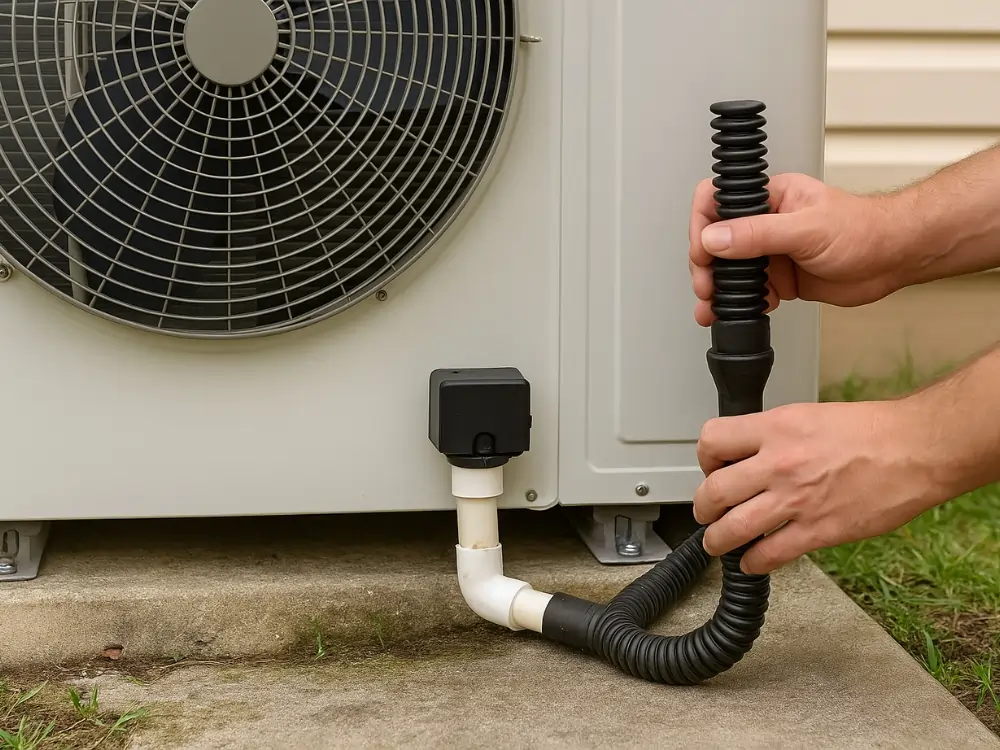
Is your air conditioner leaking water or not cooling properly? The problem might be a clogged drain.
When your AC drain gets blocked, it can cause water damage and reduce your system’s efficiency. But don’t worry—unclogging your air conditioner drain is easier than you think. You’ll learn simple, step-by-step methods to clear the blockage and get your AC running smoothly again.
Keep reading, and take control of your comfort today.
Signs Of A Clogged Ac Drain
Your air conditioner’s drain line removes moisture from the unit. Sometimes, this drain can get clogged. A blocked drain causes problems you can notice at home.
Knowing the signs of a clogged AC drain helps you fix it early. This stops damage to your air conditioner and home.
Water Leaks Around The Unit
Water leaking near the air conditioner is a common sign of a clogged drain. The moisture has nowhere to go, so it spills outside the unit.
You might see puddles on the floor or wet spots on walls near the AC. This leak can cause damage if not fixed quickly.
- Look for water pooling under or around the AC unit
- Check walls and ceilings near the unit for damp spots
- Notice if floors feel wet or slippery near the AC
Unusual Musty Odors
A clogged AC drain can cause mold and mildew to grow inside the unit. This growth creates a strong, musty smell in your home.
If you smell something damp or moldy near the AC, the drain may be blocked. This odor means moisture is trapped and causing mold.
- Notice musty or damp smells when the AC runs
- Check if the odor gets worse over time
- Look inside the drain pan for mold or mildew
Reduced Cooling Efficiency
A clogged drain can make your air conditioner work harder. The unit may cool less because water blocks normal operation.
You might feel the room is not as cold as before. Your energy bills could also rise because the AC uses more power.
- Notice if the room stays warmer than usual
- Watch for the AC running longer than normal
- Check if your energy costs increase without reason
Credit: airaceheatingandcooling.com
Tools Needed For The Job
Unclogging your air conditioner drain requires a few tools. Using the right tools makes the task easier and safer.
This guide covers basic household items and specialized cleaning tools you need for the job.
Basic Household Items
You can find many useful tools around your home. These help you clear simple blockages quickly.
- Bucket to catch water
- Towels or rags for spills
- Vacuum cleaner with hose attachment
- Long flexible wire or coat hanger
- Funnel to pour cleaning solution
Specialized Cleaning Tools
For tougher clogs, use these tools designed for air conditioner maintenance. They help reach and clean deep inside the drain line.
| Tool | Purpose |
| Wet/dry vacuum | Remove water and debris from drain |
| Air conditioner drain cleaning kit | Includes brushes and flexible snakes |
| Pipe cleaner brush | Scrubs inside drain pipes |
| Foam cleaner or vinegar | Dissolves algae and mold |
| Gloves and safety glasses | Protects hands and eyes |
Step-by-step Drain Cleaning
Clogged air conditioner drains can cause water damage and reduce cooling efficiency. Cleaning the drain line helps keep your AC working well.
This guide shows you how to unclog the drain with simple steps anyone can follow.
Turning Off The Power
Before starting, turn off the power to the air conditioner. This keeps you safe from electrical shock.
Find the AC’s circuit breaker in your electrical panel and switch it off. Double-check the unit is not running.
Locating The Drain Line
The drain line removes water from your AC. It usually looks like a PVC pipe near the indoor unit.
Look for a pipe that runs from the AC to the outside or a drain pan. It may have a small cap or opening.
Clearing The Drain Line
Remove the cap or cover on the drain line carefully. Use a wet/dry vacuum or a pipe cleaner to clear any blockages.
Push the vacuum hose into the drain line opening and run it for a few minutes to remove debris and dirt.
- Use gloves to protect your hands
- Do not use sharp objects that may damage the pipe
- Be gentle when removing clogs
Flushing With Water
After clearing, flush the drain line with clean water to remove any leftover dirt. Use a garden hose or a cup of water.
Pour water slowly into the drain opening. Check the outside drain to see if the water flows freely.
- Repeat flushing if water drains slowly
- Make sure no water leaks inside the house
- Replace the drain line cap securely

Credit: unitedstatesolutions.com
Using Vinegar And Bleach Safely
Unclogging your air conditioner drain line can stop water damage and keep your AC running well. Vinegar and bleach are common cleaners for this task.
It is important to use these chemicals safely to avoid harm to yourself and your AC system.
Preparing The Solution
Use white vinegar or household bleach diluted with water. This makes the solution safe and effective for clearing clogs.
- Mix 1 cup of vinegar with 1 cup of water, or
- Mix 1/4 cup of bleach with 1 cup of water
- Never mix vinegar and bleach together directly
- Always prepare the solution in a well-ventilated area
Applying To The Drain Line
Pour the prepared solution slowly into the drain line access point. Let it sit for 30 minutes to break down the clog.
| Step | Action |
|---|---|
| 1 | Turn off the AC unit |
| 2 | Locate the drain line access |
| 3 | Slowly pour the solution into the drain |
| 4 | Wait 30 minutes before flushing with water |
| 5 | Turn the AC back on |
Precautions To Take
Use gloves and eye protection to avoid contact with vinegar or bleach. Keep children and pets away during the process.
- Do not mix vinegar and bleach together
- Ensure good ventilation in the working area
- Use only diluted solutions to prevent damage
- Flush the drain line with water after treatment
- Call a professional if clog persists
Preventive Maintenance Tips
Keeping your air conditioner drain clear helps avoid water damage. Regular care stops clogs and improves system performance.
Follow simple steps to check and clean your AC drain. These tips save money and keep your home comfortable.
Regular Drain Line Inspection
Inspect the drain line often to catch problems early. Look for cracks, leaks, or blockages that could cause water buildup.
- Check the line for mold or algae growth
- Look for slow drainage or pooling water
- Ensure the line is securely attached and not loose
- Use a flashlight to see inside the drain opening
Routine Cleaning Schedule
Clean the drain line regularly to prevent clogs. Use safe methods to clear dirt and debris from the pipe.
- Turn off the air conditioner power
- Flush the drain line with a cup of white vinegar
- Wait 30 minutes to let vinegar work on buildup
- Rinse the line with water to clear loosened debris
- Repeat every three months or as needed
Installing A Drain Pan
A drain pan collects water that may leak from the system. It protects your floor and walls from damage.
| Drain Pan Feature | Benefit |
| Material | Plastic or metal resists rust and corrosion |
| Size | Fits under the AC unit to catch all water |
| Installation | Easy to place and remove for cleaning |
| Overflow Sensor | Alerts you if water rises too high |
Credit: www.searspartsdirect.com
When To Call A Professional
Unclogging your air conditioner drain can often be done by yourself. Some clogs are easy to clear with simple tools. But some problems need expert help to avoid damage.
Knowing when to call a professional saves time and prevents costly repairs. It keeps your air conditioner working well and your home safe.
Signs Of Persistent Clogs
Some clogs do not clear with basic cleaning. These persistent clogs cause water to back up and drip inside your home. You may notice water stains or wet spots near your air conditioner.
Other signs include a musty smell or slow drainage from the drain line. If you see these signs after trying to clean the drain, call a professional.
- Water pooling around the unit
- Unusual wet spots or stains indoors
- Musty or moldy odors
- Drain line water flows very slowly
- Repeated clogging after cleaning
Potential Damage Risks
Ignoring a clogged drain can cause serious damage. Water may leak into walls and ceilings. This can lead to mold growth and wood rot.
Electrical parts can get wet and fail. This creates a fire risk or expensive repairs. A professional can fix clogs safely and prevent damage.
- Water damage to walls and floors
- Mold and mildew growth
- Wood rot and structural issues
- Electrical hazards and short circuits
- Reduced air conditioner efficiency
Frequently Asked Questions
How Do I Know If My Ac Drain Is Clogged?
A clogged AC drain often leads to water pooling around the unit. You may notice musty odors or reduced cooling efficiency. Regular maintenance checks can help identify blockages early. A quick inspection of the drain line for visible debris is advisable.
What Causes Ac Drain Clogs?
AC drain clogs are typically caused by dust, dirt, and mold buildup. Over time, algae and mildew can form in the moist environment of the drain line. Regular cleaning helps prevent these obstructions and ensures optimal performance of your air conditioning system.
Can I Unclog The Ac Drain Myself?
Yes, you can unclog the AC drain yourself with some basic tools. A wet/dry vacuum or a plumber’s snake can effectively clear minor blockages. However, for severe clogs, professional assistance might be necessary to avoid damage to the unit.
How Often Should I Clean My Ac Drain Line?
It’s recommended to clean your AC drain line at least once a year. Regular maintenance can prevent clogs and ensure efficient cooling. During peak usage periods, such as summer, consider checking the drain line more frequently for any obstructions.
Conclusion
Keeping your air conditioner drain clear prevents water damage and mold. Regular checks stop clogs before they cause trouble. Clean the drain line every few months for best results. Use simple tools like a wet-dry vacuum or a brush. A clean drain helps your AC run smoothly and saves money.
Small efforts now avoid big problems later. Stay comfortable and keep your home safe with this easy task. Don’t wait for leaks; take action today. Your AC will thank you.