Is your air conditioner leaking water or not cooling as it should? A clogged drain line might be the hidden problem causing all this trouble.
If you don’t fix it quickly, you could face bigger issues like water damage or costly repairs. But don’t worry—you don’t need to be a pro to clear it out. You’ll learn simple, step-by-step ways to unclog your air conditioner drain line and keep your home cool and dry.
Keep reading, and you’ll save time, money, and stress!

Credit: www.youtube.com
Signs Of A Clogged Drain Line
A clogged drain line in an air conditioner can cause several problems. Knowing the signs helps you fix it early. Watch for water, smells, and poor cooling.
These signs show that the drain line may be blocked and needs cleaning. Act quickly to avoid bigger damage.
Water Leakage Around Unit
Water leaking near your air conditioner is a common sign of a clogged drain line. The water can pool around the base or drip from the unit.
- Check for puddles near the indoor unit.
- Look for water stains on walls or ceiling.
- Notice damp spots on the floor or carpet.
- Watch for mold or mildew growth close to the unit.
Foul Odors
A clogged drain line can cause bad smells inside your home. Stagnant water in the line breeds bacteria and mold.
Common Odors from a Clogged Drain Line:
- Musty or moldy smell
- Rotten or sour odor
- Wet or damp scent
Reduced Cooling Efficiency
A blocked drain line can lower your air conditioner’s cooling power. Water buildup affects the system’s parts and airflow.
| Issue | Effect on AC |
|---|---|
| Water backup | Freezes evaporator coil |
| Blocked airflow | Less cool air output |
| System strain | Higher energy use |
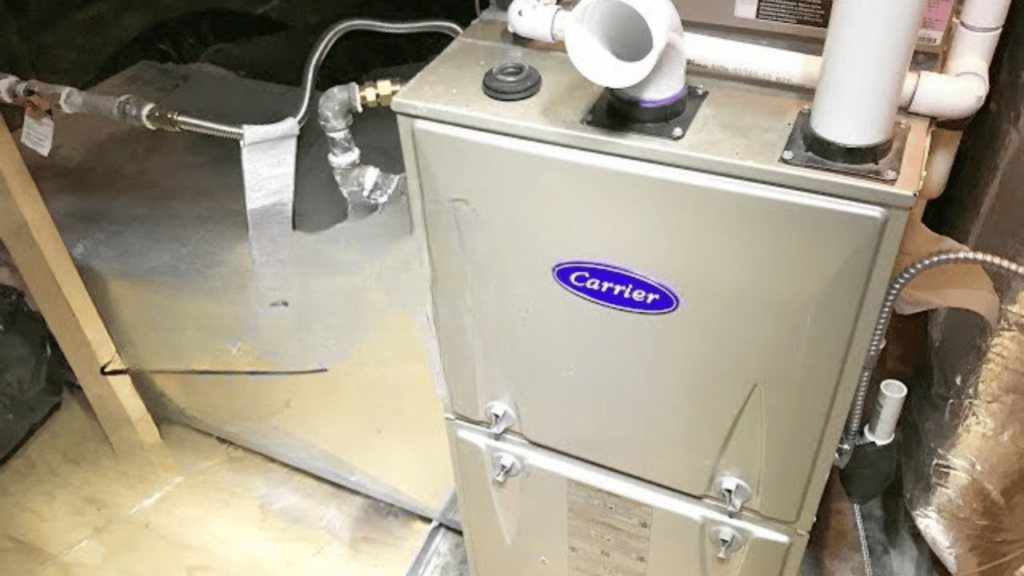
Credit: www.eliterooter.com
Tools Needed For The Job
Unclogging an air conditioner drain line requires a few simple tools. These tools help clear blockages safely and quickly.
Having the right equipment makes the job easier. Below are the main tools you will need.
Wet/dry Vacuum
A wet/dry vacuum is very useful for sucking out debris from the drain line. It can remove dirt, mold, and algae that block the pipe.
Pipe Cleaner Or Brush
A pipe cleaner or brush helps scrub the inside of the drain line. It removes stubborn buildup that the vacuum cannot reach.
- Choose a brush size that fits your drain pipe.
- Use a flexible brush for curved pipes.
- Scrub gently to avoid damaging the pipe.
Bleach Or Vinegar Solution
Bleach or vinegar solution cleans and disinfects the drain line. It helps prevent future clogs by killing mold and algae.
| Solution | Mix Ratio | Use |
| Bleach | 1 part bleach to 10 parts water | Disinfecting and removing mold |
| Vinegar | Undiluted or mixed with water | Natural cleaning and deodorizing |
Safety Precautions Before Starting
Unclogging an air conditioner drain line can prevent water damage. It also keeps your AC running well. Safety is very important before you begin any work.
Taking simple safety steps helps avoid accidents and injuries. Prepare yourself and your workspace carefully before starting.
Turn Off Power
Always turn off the power to your air conditioner before working on it. This stops the risk of electric shock.
Find the circuit breaker or switch that controls your AC unit. Switch it off and make sure the power is completely off.
- Locate your home’s main electrical panel
- Turn off the breaker for the air conditioner
- Test to confirm the AC is off
Wear Protective Gear
Wear protective gear to keep yourself safe from dirt and chemicals. The drain line may have mold or debris that can irritate skin and eyes.
Use gloves and safety glasses before you start cleaning. This gear protects you from harmful substances and sharp edges.
- Wear rubber or latex gloves
- Use safety glasses or goggles
- Consider a face mask if mold is present

Credit: unitedstatesolutions.com
Step-by-step Drain Line Cleaning
Clogged air conditioner drain lines can cause water damage and reduce system efficiency. Cleaning the drain line regularly helps keep your AC running smoothly.
This guide shows simple steps to unclog your air conditioner drain line safely and easily.
Locate The Drain Line
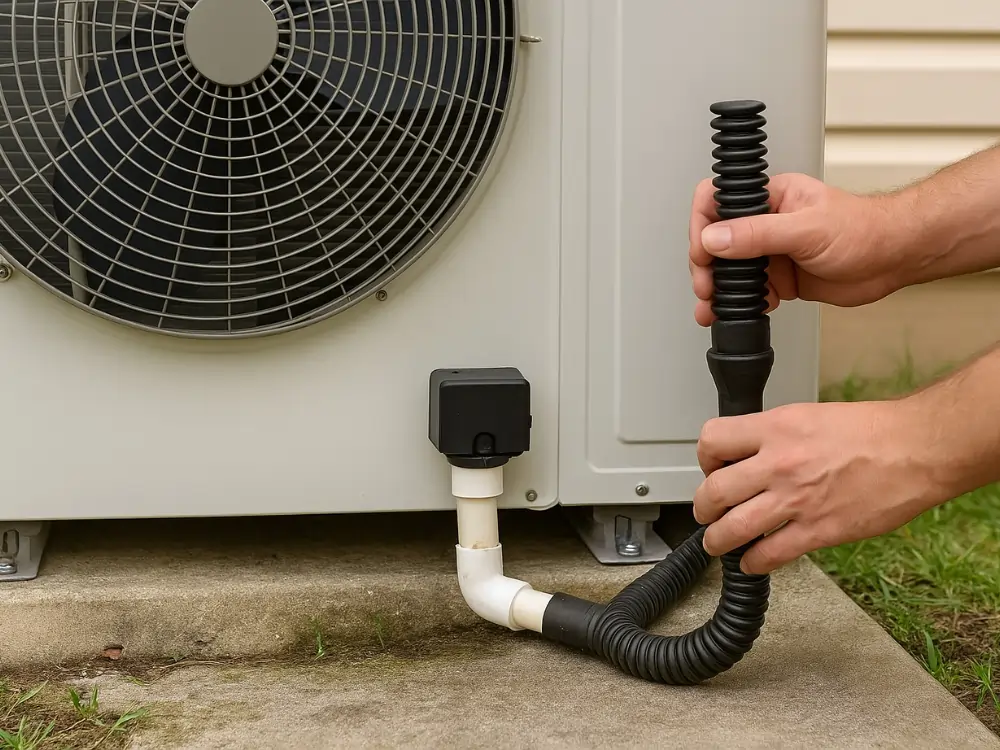
First, find the drain line outside your house. It is usually a PVC pipe near the outdoor unit. The pipe carries water away from your air conditioner.
Check for any visible signs of water leakage or mold around the pipe. This can show where the clog is.
Remove The Drain Line Cap
Next, remove the cap or plug at the end of the drain line. Use a screwdriver or your hand if it is loose. This lets you access the inside of the pipe.
Be careful not to damage the pipe or cap during removal. Keep the cap safe to put back later.
Clear Debris With Vacuum
Use a wet/dry vacuum to suck out dirt and debris blocking the drain line. Place the vacuum hose over the open pipe end. Run the vacuum for a few minutes.
This step removes algae, mold, and dust that cause clogs and bad smells.
Flush With Cleaning Solution
After vacuuming, pour a cleaning solution into the drain line. Use a mix of water and white vinegar or a mild bleach solution. This kills bacteria and clears any remaining buildup.
Let the solution sit for 30 minutes, then flush the line with water to rinse it out.
Preventing Future Clogs
Keeping your air conditioner drain line clear helps the system run smoothly. Clogs can cause water damage and reduce cooling efficiency. Preventing them saves time and money.
Here are simple ways to stop clogs before they start. Follow these tips to maintain your drain line properly.
Regular Maintenance Schedule
Set a routine to check and clean your drain line regularly. This stops dirt and mold from building up inside the pipe.
- Inspect the drain line every 1 to 3 months.
- Flush it with a mix of water and vinegar.
- Clear any visible blockages carefully.
- Replace filters to keep debris out of the system.
- Call a professional if you see water leaks or slow drainage.
Use Of Drain Line Tablets
Drain line tablets help dissolve slime and algae inside the pipe. They are easy to use and keep the drain clear longer.
- Drop one tablet into the drain pan once a month.
- Choose tablets made for air conditioner drains.
- Follow the tablet instructions for the best results.
- Use tablets along with regular cleaning for stronger protection.
Inspecting Drain Pan
The drain pan collects water from the AC unit. Check it often to avoid overflow and leaks.
| What to Check | Why It Matters |
| Cracks or holes | Can cause water leaks |
| Standing water | May lead to mold growth |
| Cleanliness | Prevents debris from clogging drain line |
| Proper slope | Helps water flow to drain line easily |
When To Call A Professional
Your air conditioner drain line can clog from dirt and algae. Sometimes, you can clear it yourself. Other times, the problem needs a pro.
Knowing when to call a professional helps prevent damage. It also saves time and effort on tough problems.
Persistent Clogs
If you clean the drain line but it clogs again soon, the problem is persistent. This may mean a bigger blockage or buildup inside.
Repeated clogs can cause water damage and reduce your AC’s efficiency. A professional can find the root cause and fix it right.
- Drain line clogs return quickly after cleaning
- Water leaks near the AC unit
- Unusual smells or mold near the drain
- AC shuts off due to water backup
Complex Drain Line Issues
Some drain line problems need special tools or knowledge. Complex issues include damaged pipes or hard-to-reach clogs.
Trying to fix these issues yourself may cause more harm. A professional has the right tools and experience to fix complex problems safely.
- Cracked or broken drain pipes
- Drain line runs inside walls or ceilings
- Blocked drain lines deep inside the system
- Electrical problems related to the drain system
Frequently Asked Questions
How Do I Know If My Ac Drain Line Is Clogged?
A clogged AC drain line causes water leaks, musty smells, and reduced cooling. Check for standing water near the unit or slow drainage in the condensate pan.
What Tools Are Needed To Unclog An Ac Drain Line?
Common tools include a wet/dry vacuum, a pipe brush, and distilled vinegar or bleach. These help clear blockages and kill mold or algae buildup.
Can Vinegar Really Unclog The Ac Drain Line?
Yes, vinegar is effective for cleaning and disinfecting the drain line. Pouring vinegar helps dissolve minor clogs and prevents mold growth without harsh chemicals.
How Often Should I Clean My Air Conditioner Drain Line?
Clean the drain line at least once a year. Regular maintenance prevents blockages and improves AC efficiency, extending the system’s lifespan.
Conclusion
Unclogging your air conditioner drain line keeps your home comfortable. Regular maintenance prevents costly repairs. Follow the steps carefully. Your system will thank you. Clean lines mean efficient cooling. No more water leaks or mildew smells. Enjoy a pleasant indoor environment.
Now, you know how to tackle the task yourself. Save time and money by avoiding professional help. Keep your AC running smoothly all year. Stay cool and worry-free. Your home deserves the best care. Remember these simple tips to maintain your AC unit.
Live comfortably with a well-functioning air conditioner.