Is your air conditioner leaking water or not draining properly? A clogged drain line outside could be the culprit.
If you ignore this problem, it can cause serious damage to your AC and even your home. But don’t worry—you can fix it yourself with simple steps. In this guide, you’ll learn exactly how to unclog your air conditioner drain line outside quickly and safely.
Keep reading to save money and avoid costly repairs!
Credit: airaceheatingandcooling.com
Signs Of A Clogged Ac Drain Line
A clogged air conditioner drain line can cause problems in your cooling system. It stops water from draining properly. Knowing the signs helps you fix it early.
Here are common signs that your AC drain line might be clogged and needs attention.
Water Leaks Around The Unit
Water leaking near your AC unit often means the drain line is blocked. The water has nowhere to go and pools around the base.
Check for wet spots or puddles near the outdoor unit. This can damage your home’s foundation or landscaping if ignored.
Unusual Odors
A clogged drain line can cause mold or mildew to grow inside the AC system. This leads to bad smells when the AC runs.
If you notice musty or sour odors coming from vents, the drain line might be blocked and causing moisture buildup.
Reduced Cooling Efficiency
When the drain line clogs, your AC might not cool your home well. Water buildup can cause the unit to freeze or work harder.
The AC uses more energy and runs longer, but the air does not feel as cool as usual.
Tools Needed For Clearing The Drain Line
Unclogging an air conditioner drain line outside is important. It keeps your AC running smoothly. Here are tools you’ll need.
Wet/dry Vacuum
A wet/dry vacuum can suck out the blockage. It is easy to use and effective.
- Connect the vacuum to the drain line
- Turn it on to remove debris
- Check the vacuum for clogs
Compressed Air
Compressed air blasts away dirt and grime. It’s fast and efficient.
- Attach the air nozzle to the drain line
- Release air to clear the blockage
- Repeat if necessary
Drain Line Cleaning Brush
A cleaning brush scrubs the inside of the drain. It helps remove stubborn debris.
- Insert the brush into the drain line
- Move it back and forth
- Rinse the line with water
Bleach Or Vinegar Solution
Bleach or vinegar kills mold and bacteria. It keeps the line clean and fresh.
- Mix bleach or vinegar with water
- Pour the solution into the drain line
- Let it sit for 30 minutes
Step-by-step Drain Line Cleaning
Cleaning your air conditioner drain line keeps your system running well. Blocked drain lines cause water damage and reduce cooling.
Follow these simple steps to unclog the drain line outside your home. Use basic tools and cleaning solutions for best results.
Locate The Drain Line
Find the drain line on the outside unit of your air conditioner. It is usually a PVC pipe that lets water flow out. The pipe is near the condenser unit.
Clear Visible Debris
Remove leaves, dirt, and other debris near the drain line opening. Clear the area to prevent more blockages. This helps water flow smoothly.
- Wear gloves to protect your hands
- Use a brush or cloth to clean around the pipe
- Pick out leaves or twigs blocking the drain
- Check the pipe for cracks or damage
Use Vacuum To Remove Blockages
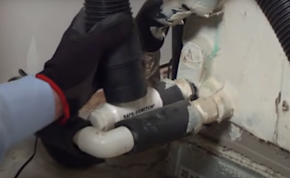
Use a wet/dry vacuum to suck out clogs inside the drain line. Place the vacuum hose over the pipe end. Seal around it to keep strong suction.
| Tool | Purpose |
|---|---|
| Wet/Dry Vacuum | Remove deep blockages from the drain line |
| Brush | Clear surface debris around the pipe |
| Gloves | Protect hands from dirt and germs |
Flush With Cleaning Solution
Pour a cleaning solution down the drain line to clear any remaining buildup. Use a mixture safe for your AC system, like diluted vinegar or a mild detergent.
- Mix one cup of white vinegar with one cup of water
- Slowly pour the solution into the drain line opening
- Let it sit for 30 minutes to break down clogs
- Flush the line with clean water to rinse
Credit: www.searspartsdirect.com
Preventing Future Clogs
Keeping your air conditioner drain line clear helps your system run smoothly. Clogs can cause water damage and reduce cooling efficiency.
Preventing blockages is easier than fixing them. Follow simple steps to keep the drain line working well.
Regular Maintenance Schedule
Check the drain line every few months. Cleaning it regularly stops dirt and algae buildup.
- Turn off the air conditioner before cleaning.
- Use a wet/dry vacuum to clear the drain line.
- Flush the line with a vinegar and water mix.
- Inspect the drain pan for standing water.
- Call a professional if you see recurring clogs.
Installing A Drain Line Filter
A filter on the drain line traps debris before it enters the pipe. This reduces the chance of clogs.
| Filter Type | Benefits | Maintenance |
|---|---|---|
| Mesh Screen | Blocks large debris | Clean monthly |
| Foam Filter | Captures fine particles | Replace every 3 months |
| Inline Filter | Easy to install and clean | Rinse monthly |
Keeping The Area Clean
Remove leaves, dirt, and debris near the drain line. A clean area stops clogs and improves drainage.
- Trim plants and grass around the drain line.
- Clear fallen leaves regularly.
- Keep the ground level to avoid water pooling.
- Check for animal nests near the drain outlet.
When To Call A Professional
Sometimes, fixing your air conditioner drain line is easy. You can clear small clogs or clean the drain. But some problems need a trained expert. Knowing when to ask for help saves time and stops damage.
Here are signs that show it is time to call a professional for your air conditioner drain line.
Persistent Clogs
If your drain line clogs again and again, it may be more than dirt. A deep clog or mold can block the pipe. A professional has the right tools to clear tough blockages safely.
- Repeated water backup near the drain
- Slow draining after cleaning attempts
- Visible mold or algae growth inside the pipe
Damaged Drain Components
Cracked or broken drain pipes cause leaks and water damage. A professional can inspect the drain line and parts. They will replace damaged sections to prevent more problems.
| Type of Damage | Signs | Professional Action |
| Cracked Pipe | Water pooling outside | Replace damaged pipe section |
| Loose Fittings | Dripping water | Tighten or replace fittings |
| Clogged Trap | Water smells or overflows | Clean or replace trap |
Electrical Or Refrigerant Issues
If your air conditioner stops working and the drain line is blocked, the problem may be electrical or refrigerant leaks. These need expert care to fix safely.
Signs to watch for:
- AC unit won’t turn on or shuts off suddenly
- Ice forming on the evaporator coils
- Hissing sounds from the AC unit
- Unusual warm air from vents

Credit: unitedstatesolutions.com
Frequently Asked Questions
How Do I Know If My Ac Drain Line Is Clogged?
You may notice water pooling near the outdoor unit or a musty smell inside. Slow drainage and AC leaks also signal clogs.
What Tools Are Needed To Unclog An Ac Drain Line?
Common tools include a wet/dry vacuum, a garden hose, a pipe brush, and a screwdriver. These help clear blockages effectively.
How Often Should I Clean My Ac Drain Line?
It’s best to clean the drain line at least once a year. Regular cleaning prevents mold and water damage.
Can I Use Bleach To Unclog The Drain Line?
Yes, a diluted bleach solution can kill mold and algae. Use it sparingly to avoid damaging pipes or harming plants.
Conclusion
Keeping your air conditioner drain line clear helps your system work well. Clogged lines can cause water damage and reduce cooling. Regular cleaning stops blockages and saves repair costs. Use simple tools like a wet-dry vacuum or a garden hose.
Check the drain line every few months for buildup. A little care goes a long way in avoiding big problems. Stay on top of maintenance to keep your home comfortable all year. Simple steps make a big difference in air conditioner health.