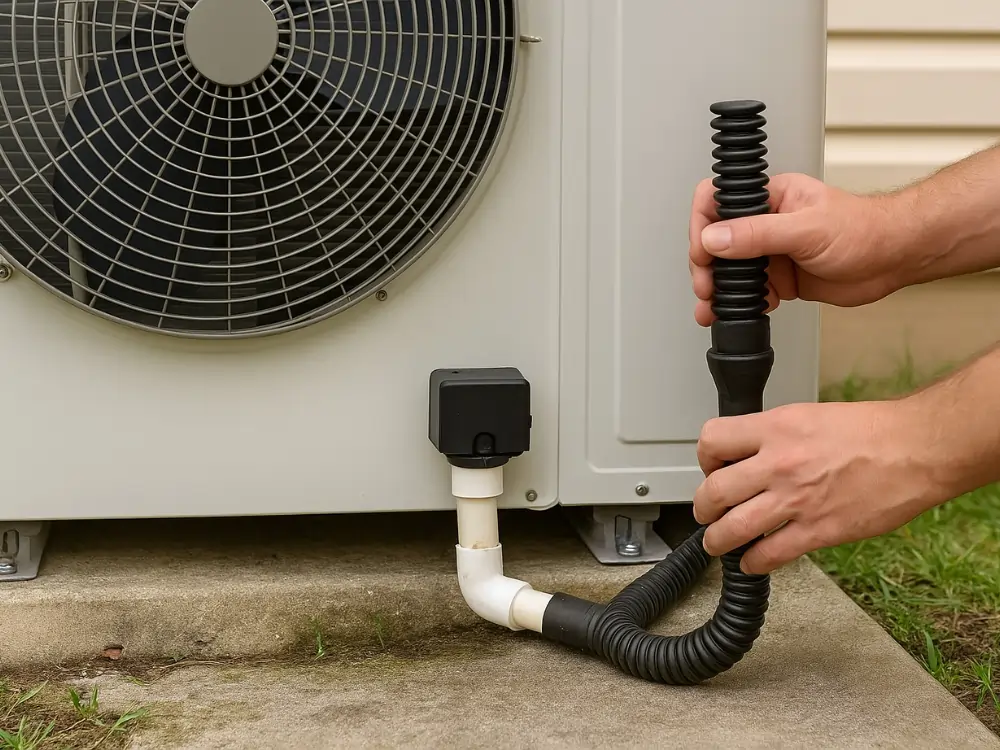
Is your air conditioner leaking water or not cooling properly? These are common signs that your AC drain might be clogged.
If you ignore this issue, it can cause serious damage to your system and raise your repair bills. But don’t worry—you can fix it yourself with some simple steps. You’ll learn exactly how to unclog your air conditioner drain quickly and effectively.
Keep reading to save time, avoid costly repairs, and keep your home cool and comfortable all year round.
Credit: airaceheatingandcooling.com
Signs Of A Clogged Ac Drain
Water leaking near the air conditioner shows a clogged drain. The drain line may be blocked by dirt or algae. This causes water to build up and spill.
Unpleasant smells come from standing water inside the unit. Mold or mildew grows in the clogged drain. These odors can enter the room and cause discomfort.
Cooling may feel weaker than usual. A clogged drain can cause the unit to work less efficiently. This leads to less cool air and higher energy use.
Tools Needed For The Job
Basic cleaning supplies include a cloth, bucket, and mild detergent. Use these to wipe the drain area clean.
A vacuumor wet/dry shop vachelps remove debris and water from the drain line. They make clearing clogs easier.
Pipe cleanersare useful for scrubbing the inside of drain pipes. They help remove dirt and buildup.
Flush kits allow you to flush out blockagesusing water pressure. They work well for stubborn clogs.
Safety Precautions Before Starting
Always turn off the powerto the AC unit before starting any work. This stops electric shocks and keeps you safe.
Wear protective glovesand goggles to protect your hands and eyes. Dust and dirty water can irritate your skin and eyes.
Make sure the area has good air flow. Open windows or doors to avoid breathing in dust or fumes.
Credit: www.searspartsdirect.com
Step-by-step Cleaning Process
Find the drain panunder the air conditioner unit. It collects water from the system. Then, locate the drain line, a pipe that carries water outside.
Remove any visible debrislike dirt, leaves, or mold near the drain pan and drain line. This helps stop blockages early.
Flush the drain line with clean water. Use a hose or a pitcher to pour water slowly. This can clear small clogs.
A wet/dry vacuumworks well for deep cleaning. Attach it to the drain line’s end and create suction. It pulls out stubborn dirt and buildup.
Pour a vinegar solution(about one cup) down the drain line. Vinegar kills mold and stops future clogs. Let it sit for 30 minutes, then flush with water.
When To Call A Professional
Persistent clogs can cause water to back up and leak. If cleaning does not clear the drain, it may be time to call a professional. Complex drain line issues often need special tools and skills to fix. Professionals can spot hidden problems that are hard to see.
Mold and mildew can grow inside the drain line if it stays wet too long. These signs include a musty smell or visible black spots near the drain. Mold can harm your health and damage your AC system. Experts can safely remove mold and stop it from coming back.
- Water leaks after cleaning the drain line
- Drain line has cracks or blockages deep inside
- Strong musty smell near your air conditioner
- Visible mold or mildew growth around the drain
- Repeated clogs that return quickly
Preventive Maintenance Tips
Inspecting drain lines regularlyhelps catch clogs early. Look for cracks, leaks, or blockages. Clear any debris or dirt you find. This keeps water flowing smoothly and prevents damage.
Scheduling routine AC servicingensures professional checks. Technicians clean drain lines and check system health. Regular service keeps the AC running well and avoids costly repairs.
Keeping the surrounding area cleanstops dirt and leaves from entering the drain. Remove plants, dust, and debris near the outdoor unit. A clean area means fewer chances of clogs and better airflow.

Credit: unitedstatesolutions.com
Frequently Asked Questions
How Do I Know If My Ac Drain Is Clogged?
If your AC is leaking water inside, it might be clogged. You might also notice a musty smell or decreased cooling efficiency. Regular maintenance can help prevent these issues. Checking the drain line for visible blockages is a good starting point.
What Causes Air Conditioner Drain Clogs?
AC drain clogs are often caused by dirt, dust, and mold. Over time, these can accumulate and block the drain line. Regular cleaning and maintenance can help prevent clogs. Ensuring your AC unit is clean and free of debris is essential.
Can I Unclog My Ac Drain Myself?
Yes, you can unclog your AC drain yourself with basic tools. Start by turning off the unit and locating the drain line. Use a wet/dry vacuum to remove the clog. If you’re uncomfortable, consider hiring a professional for assistance.
How Often Should I Clean My Ac Drain Line?
It’s advisable to clean your AC drain line every three months. Regular cleaning prevents clogs and ensures optimal performance. If your AC operates in a dusty environment, consider more frequent cleaning. Consistent maintenance extends the lifespan of your unit.
Conclusion
Keeping your air conditioner drain clear helps avoid water damage and mold. Regular checks stop clogs before they grow. Clean the drain with simple tools and mild cleaners. Quick action saves you time and money later. A clean drain keeps your AC running smoothly and cool.
Don’t ignore small problems; they can become big. Stay safe, stay comfortable, and enjoy fresh air all year.