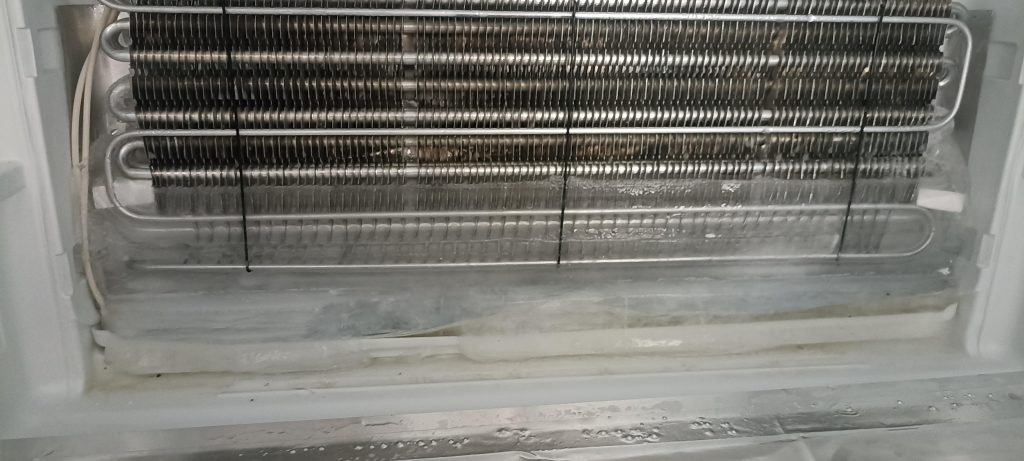
Are you tired of finding water pooling at the bottom of your fridge? A clogged refrigerator defrost drain might be the culprit.
It’s a common issue that many homeowners face, but the good news is, you don’t need to be a repair expert to fix it. Imagine opening your refrigerator and not having to worry about those pesky puddles ever again. With just a few simple steps, you can tackle this problem head-on.
In this guide, you’ll discover exactly how to unclog your refrigerator’s defrost drain and keep your appliance running smoothly. Get ready to say goodbye to unnecessary stress and hello to a more efficient fridge! Keep reading to find out how.

Credit: www.walmart.com
Signs Of A Clogged Defrost Drain
Recognizing the signs of a clogged defrost drain helps prevent bigger fridge problems. A blocked drain stops water from flowing out properly during the defrost cycle. This can lead to several noticeable issues inside your refrigerator. Watching for these signs can save time and avoid costly repairs.
Water Pooling Inside Fridge
Water collects at the bottom of the fridge or on shelves. You may see puddles or damp spots inside. This happens because melted ice has nowhere to drain. The blocked defrost drain causes water to leak into the fridge compartment.
Unusual Odors
Standing water leads to bad smells inside the fridge. Food can spoil faster in a wet environment. The trapped water becomes a breeding ground for bacteria. You might notice a sour or musty odor developing over time.
Ice Buildup In Freezer
Ice forms unevenly or piles up inside the freezer. A clogged drain prevents proper water drainage during defrosting. This causes water to freeze in unwanted spots. Excess ice reduces freezer space and lowers efficiency.
Tools Needed For The Fix
Before you start unclogging your refrigerator’s defrost drain, gathering the right tools can make the task smoother and faster. Having everything on hand keeps you focused and prevents unnecessary trips to the store. Let’s break down what you’ll need, separating common household items from specialized tools designed for this kind of fix.
Basic Household Items
You might be surprised how many of the tools needed are already in your home. Simple items like a turkey baster or a plastic squeeze bottle can help flush out debris with warm water. A soft cloth or sponge comes in handy for wiping away any buildup around the drain opening.
- Warm water:Essential for loosening clogs and flushing the drain.
- Turkey baster or squeeze bottle:Perfect for directing water into the drain without making a mess.
- Soft cloth or sponge:Useful for cleaning the drain area and catching any drips.
- Dish soap:Helps break down any grease or sticky residue causing the blockage.
- Paper towels or rags:For quick cleanups during and after the process.
Have you ever noticed how small household items can solve big problems? Using these basic tools, you can often clear minor clogs without needing professional gear.
Specialized Cleaning Tools
Some clogs require more precise equipment to reach and remove stubborn blockages. A flexible drain snake or a pipe cleaner specifically designed for narrow spaces can work wonders. These tools reach deep into the drain, breaking up or pulling out debris you can’t access by hand.
- Flexible drain snake or plumber’s auger:Designed to navigate bends and dislodge tough clogs.
- Pipe cleaners or long, thin brushes:Ideal for scrubbing the inside walls of the drain tube.
- Compressed air canister:Useful for blowing out debris if water flushing doesn’t fully clear the clog.
- Small flashlight:Helps you inspect the drain and see where the blockage is located.
Have you ever tried using a drain snake on a stubborn clog? It’s surprisingly satisfying to see it work and get your fridge back to normal. Investing in one of these tools pays off not just for your refrigerator but for other household drains too.
Step-by-step Drain Clearing Methods
Clogged refrigerator defrost drains cause water to pool inside the fridge. Clearing the drain keeps the fridge clean and prevents odors. Use simple tools and common household items to clear the blockage effectively. Follow these step-by-step drain clearing methods for easy results.
Using Warm Water And A Pipe Cleaner
Warm water helps melt any ice or debris blocking the drain. A pipe cleaner reaches deep into the drain tube to remove clogs.
- Mix warm water in a cup or bowl.
- Locate the defrost drain inside the fridge or freezer.
- Insert the pipe cleaner gently into the drain opening.
- Move the pipe cleaner back and forth to break up the clog.
- Pour warm water slowly into the drain to flush out debris.
- Repeat until water flows freely through the drain.
Applying Baking Soda And Vinegar
Baking soda and vinegar create a natural fizzing action. This reaction helps dissolve dirt and buildup inside the drain tube.
- Mix 1/4 cup baking soda with 1/4 cup vinegar in a container.
- Pour the mixture slowly into the defrost drain opening.
- Allow the fizzing to work for 5 to 10 minutes.
- Flush the drain with warm water to clear loosened debris.
- Repeat if the drain still shows signs of blockage.
Employing A Wet-dry Vacuum
A wet-dry vacuum removes water and debris from the drain quickly. This tool is useful for stubborn or deep clogs.
- Set the vacuum to liquid or wet mode.
- Place the vacuum hose over the defrost drain opening.
- Create a tight seal to increase suction power.
- Turn on the vacuum and let it suck out water and debris.
- Check the drain for clear flow after vacuuming.
Preventive Tips To Avoid Future Clogs
Keeping your refrigerator’s defrost drain clear is easier than you might think. Preventing future clogs saves you from unexpected water leaks and costly repairs. A few simple habits can keep the drain flowing smoothly and your fridge running efficiently.
Regular Maintenance Schedule
Set a reminder to clean the defrost drain every few months. Use warm water and a gentle brush or pipe cleaner to clear any buildup. This small effort stops debris from turning into stubborn clogs.
Have you ever noticed water pooling inside your fridge? That’s often a sign the drain needs attention. Catching it early means less hassle and no soggy messes to clean up.
Proper Food Storage Practices
Keep food items sealed and avoid placing anything directly against the back wall. Moisture from uncovered foods can drip into the drain and cause blockages. Using airtight containers not only preserves your food but also protects the drain system.
Think about how often you spill liquids inside the fridge. Wiping spills immediately prevents sticky residue from building up near the drain opening. Your fridge stays cleaner, and the drain stays clear.
Checking Drain Condition Periodically
Peek inside the drain hole every couple of months to ensure it’s free of ice or debris. You can gently flush it with warm water to test if it’s flowing well. This quick check can help you spot problems before they turn serious.
Have you ever ignored a small drip only to find a bigger leak later? A little attention now stops that from happening. Your fridge will thank you with better performance and fewer surprises.
When To Call A Professional
Knowing when to call a professional for a clogged refrigerator defrost drain can save you time, frustration, and potential damage. While many clogs are simple to clear yourself, some problems persist or become more complicated. Recognizing the signs that indicate you need expert help is key to keeping your fridge running smoothly.
Persistent Drain Issues
If you’ve cleared the defrost drain several times but water keeps pooling inside your fridge, it’s a warning sign. Persistent blockages might mean the drain line is damaged or there’s buildup deeper than you can reach. Constantly repeating the same fix can waste your time and might worsen the problem.
Ask yourself: Is the water backup happening even after multiple cleanings? Are you noticing unusual odors or ice buildup in the drain area? These clues suggest it’s time to get a professional involved.
Complex Repairs Beyond Diy
Sometimes, the clog is just the tip of the iceberg. Issues like frozen drain tubes, broken drain heaters, or electrical faults require specialized tools and knowledge. Attempting to fix these can risk voiding your warranty or causing more damage.
Think about whether you have the right tools and expertise to safely access and repair these components. If not, calling a technician can save you from costly mistakes and ensure the problem is fully resolved.

Credit: www.reddit.com

Credit: www.amazon.com
Frequently Asked Questions
How Do I Know If My Defrost Drain Is Clogged?
Signs include water pooling inside the fridge or freezer, slow drainage, and unpleasant odors. Check for ice buildup near the drain hole.
What Tools Are Needed To Unclog A Defrost Drain?
You typically need warm water, a turkey baster or pipe cleaner, and a small brush or flexible wire for clearing blockages.
Can I Use Hot Water To Clear The Defrost Drain?
Yes, warm or hot water helps melt ice and flush debris from the drain, but avoid boiling water to prevent damage.
How Often Should I Clean The Refrigerator Defrost Drain?
Clean the defrost drain every 6 to 12 months to prevent clogs and maintain proper drainage inside your refrigerator.
Conclusion
Keeping the refrigerator defrost drain clear stops water buildup. Regular cleaning helps the fridge work better and last longer. Small blockages cause leaks and bad smells. Use simple tools like a pipe cleaner or warm water to clear it. Doing this task takes just a few minutes but saves money.
Stay on top of this to avoid bigger problems later. A clean drain keeps your fridge fresh and dry. Easy care brings peace of mind every day.