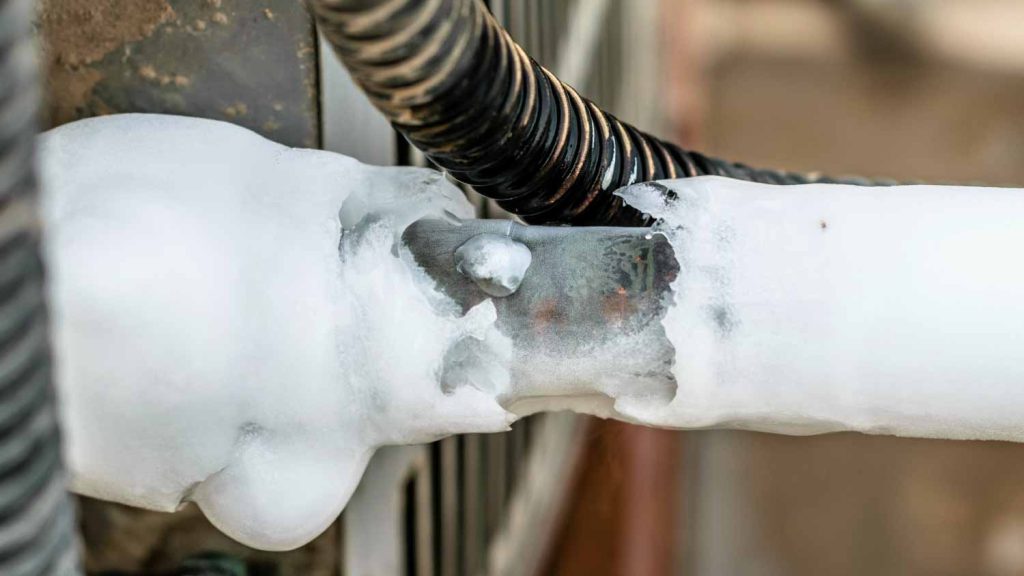
Is your air conditioner acting up because the pipes have frozen? You’re not alone—and the good news is, you don’t have to call a professional right away.
Knowing how to unfreeze air conditioner pipes can save you time, money, and a lot of frustration. You’ll learn simple, effective steps to get your AC back to normal quickly. Keep reading, and you’ll be ready to tackle this common problem with confidence.
Causes Of Frozen Ac Pipes
Frozen air conditioner pipes can stop your unit from cooling properly. Understanding the causes helps fix the issue fast.
Several factors can cause the pipes in your AC to freeze. Knowing these can keep your system running smoothly.
Low Refrigerant Levels
Refrigerant cools the air inside your home. Low levels can cause the pipes to freeze. This happens when there is a leak or the system was not charged correctly.
Signs of low refrigerant include poor cooling and ice buildup on pipes. A professional should check and refill refrigerant safely.
Poor Airflow
Good airflow is key for AC to work well. Blocked vents or closed registers reduce airflow. This makes the pipes cold enough to freeze.
- Blocked or closed air vents
- Obstructed return air ducts
- Dirty blower fan blades
- Incorrect fan speed settings
Check vents and ducts to keep air moving freely. Clear any blockages to prevent freezing.
Thermostat Issues
A faulty thermostat can cause the AC to run too long or too cold. This can freeze the pipes and stop cooling.
| Thermostat Problem | Effect on AC |
|---|---|
| Incorrect temperature setting | Runs unit longer than needed |
| Malfunctioning sensor | Causes frequent on/off cycling |
| Old or damaged unit | Fails to control temperature properly |
Test your thermostat and replace batteries or the unit if needed. This helps keep the AC working correctly.
Dirty Air Filters
Dirty filters block air and reduce airflow. This causes the evaporator coil to get too cold and freeze pipes.
- Check filters monthly during heavy use
- Replace or clean filters every 1-3 months
- Use the correct filter size for your unit
- Keep area around the AC clean
Keeping air filters clean improves airflow and prevents frozen pipes.
Credit: www.topnotchheatingandair.com
Signs Of Frozen Pipes
Frozen air conditioner pipes can cause serious damage if not noticed early. Recognizing the signs helps you act fast and avoid costly repairs.
This guide explains common signs that show your AC pipes might be frozen. Watch for these signs to keep your system working well.
Ice Formation On Pipes
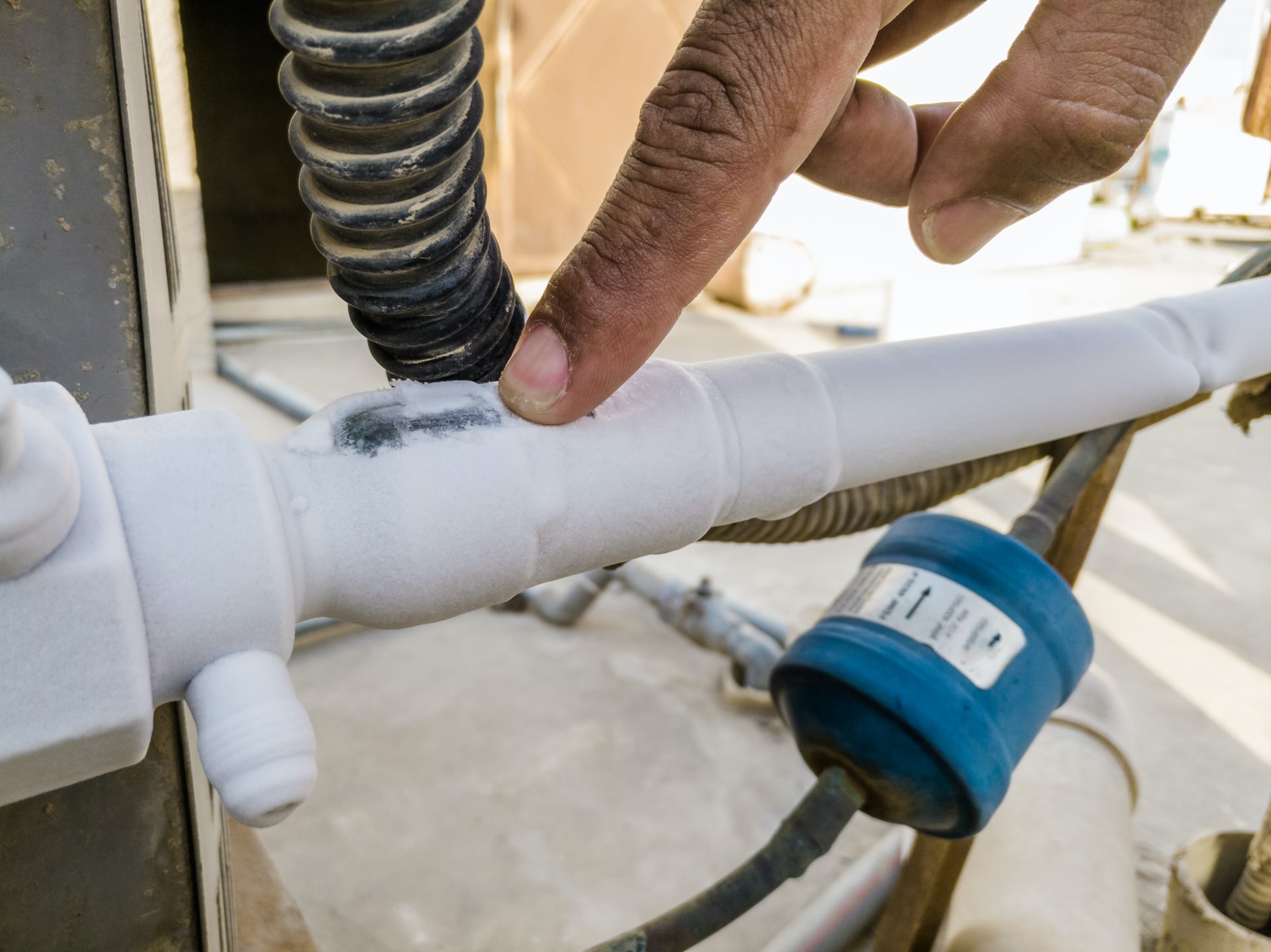
One clear sign of frozen pipes is the visible ice buildup. Pipes covered in frost or ice indicate freezing temperatures inside the system.
- White or clear ice on pipe surfaces
- Frost that spreads along the pipe length
- Water droplets freezing around the pipe joints
Reduced Cooling Efficiency
Frozen pipes reduce the AC’s ability to cool your space. The system may run longer but cool less effectively.
| Symptom | Effect on Cooling |
|---|---|
| Ice blocks refrigerant flow | Lower cooling output |
| Compressor works harder | Increased energy use |
| Air temperature remains warm | Room does not cool down |
Water Leaks
Thawing frozen pipes may cause water leaks around the AC unit. This water comes from melting ice inside the pipes.
- Wet spots near pipe connections
- Dripping sounds around the unit
- Pooling water on the floor below pipes
Unusual Noises
Frozen pipes can cause strange noises inside the AC system. Listen for these sounds as warning signs.
- Hissing or bubbling from pipes
- Clanking or banging during operation
- Whining noises from the compressor
Safety Precautions
Unfreezing air conditioner pipes needs care to avoid damage or injury. Follow safety steps to protect yourself and the AC unit.
Knowing how to stay safe helps finish the job without problems. Use these tips before you start unfreezing the pipes.
Turn Off The Ac Unit
Always switch off the air conditioner before unfreezing the pipes. This stops the system from running while you work.
Turning off the unit prevents more ice from forming and protects the compressor from damage.
Avoid Electrical Hazards
Ice and water near electrical parts can cause shocks or short circuits. Keep water away from outlets and wiring.
Wear rubber gloves and dry shoes to reduce the risk of electric shock during the process.
- Do not touch electrical parts with wet hands
- Keep the area dry and clean
- Use insulated tools if needed
Use Proper Tools
Use soft cloths or warm water to melt the ice gently. Avoid sharp tools that can damage pipes or wires.
Heating pads or hair dryers on low heat work well but keep them at a safe distance from the pipes.
- Soft towels or cloths
- Warm water (not boiling)
- Heating pad or hair dryer on low heat
- Avoid knives or sharp objects

Credit: www.reddit.com
Quick Fixes To Unfreeze Pipes
Frozen air conditioner pipes can stop your system from working well. It can cause damage if not fixed fast.
Here are simple ways to unfreeze your AC pipes quickly. These tips help you avoid bigger problems.
Apply Warm Towels
Warm towels can help melt ice on frozen pipes. Use towels soaked in warm water and wrap them around the pipes.
Keep the towels on the pipes until the ice melts. Replace towels if they get cold to keep warming the pipes.
Use A Hair Dryer
A hair dryer can gently warm frozen pipes. Set it on low or medium heat to avoid damage.
Hold the dryer a few inches from the pipe and move it slowly along the frozen area until ice melts.
Increase Airflow
Better airflow helps prevent and fix frozen pipes. Open vents and doors to let warm air reach the pipes.
Use fans to move air around the AC unit. This speeds up melting and keeps pipes from freezing again.
Check And Replace Filters
Dirty or clogged filters reduce airflow and cause pipes to freeze. Check your AC filters often.
Replace filters if they look dirty. Clean filters keep air flowing and stop pipes from freezing.
Preventing Future Freezing
Frozen air conditioner pipes can cause damage and reduce efficiency. Preventing freezing saves money and keeps your system working well.
Simple steps like regular care and checking parts help stop ice buildup on pipes. Learn key ways to protect your AC unit.
Regular Maintenance
Keep your air conditioner clean and clear. Change filters often and remove dirt around the unit. Clean coils help the system run smoothly and avoid freezing.
- Replace air filters every 1-3 months
- Clear debris near outdoor units
- Clean evaporator and condenser coils
- Check drain lines for blockages
Monitor Refrigerant Levels
Low refrigerant causes pipes to freeze. Check levels regularly to keep the right amount. If levels drop, find leaks and fix them fast.
| Refrigerant Level | Effect on Pipes |
| Normal | Prevents freezing |
| Low | Causes ice buildup |
| Too High | Reduces efficiency |
Improve Insulation
Insulate pipes to keep cold air from causing ice. Use foam sleeves or wrap materials. Good insulation stops heat loss and pipe freezing.
- Choose weather-resistant foam sleeves
- Seal gaps with tape or insulation sealant
- Cover exposed pipes fully
- Replace worn insulation regularly
Schedule Professional Inspections
Have a technician inspect your AC yearly. They find problems early and keep refrigerant at the right level. Professionals clean and tune parts to prevent freezing.
When To Call A Professional
Air conditioner pipes can freeze for several reasons. Sometimes, you can fix them on your own. Other times, you need expert help to avoid damage.
This guide explains when you should call a professional to unfreeze your air conditioner pipes safely and effectively.
Persistent Freezing
If your air conditioner pipes freeze often, it is a sign of a bigger problem. A professional can check the system to find the root cause. This prevents repeated freezing and further damage.
Refrigerant Leaks
Refrigerant leaks cause the pipes to freeze by lowering pressure in the system. Detecting these leaks requires special tools and skills. Only a trained technician should handle refrigerant repairs.
- Leaking refrigerant reduces cooling efficiency.
- Leaks can harm the environment.
- Improper handling can be dangerous.
- Certified professionals must fix leaks.
Complex Repairs Needed
Sometimes frozen pipes mean complex problems like faulty compressors or blocked coils. These issues need advanced tools and knowledge to fix. Attempting repairs without experience may cause more damage.
| Problem | Why Call a Professional |
| Faulty Compressor | Needs special tools and replacement parts |
| Blocked Coils | Requires cleaning and inspection by an expert |
| Damaged Pipes | Needs proper sealing and testing |

Credit: paramountnv.com
Frequently Asked Questions
How Can I Safely Unfreeze Air Conditioner Pipes?
Turn off the AC unit first to prevent damage. Use warm towels or a hairdryer on low heat. Avoid direct flame or boiling water to protect pipes and components.
What Causes Ac Pipes To Freeze In Winter?
Low outdoor temperatures and poor insulation cause freezing. Moisture buildup and restricted airflow also lead to frozen pipes in cold weather conditions.
Can I Use Hot Water To Defrost Ac Pipes?
It’s best to avoid hot water directly on pipes. Warm towels or gentle heat sources work better, preventing pipe damage and sudden temperature changes.
How Long Does It Take To Unfreeze Ac Pipes?
Unfreezing typically takes 30 minutes to a few hours. Time varies based on pipe size, freezing extent, and warming method used.
Conclusion
Fixing frozen AC pipes can seem tricky, but it’s manageable. First, ensure proper airflow by cleaning filters regularly. Check refrigerant levels to prevent future freezes. Keep your thermostat at a stable temperature. Regular maintenance helps avoid freezing issues. If the problem persists, call a professional.
They can provide expert solutions. Remember, routine checks save time and money. Stay proactive with your air conditioner care. A well-maintained system ensures a comfortable home environment. Enjoy the cool air without worries. Reliable cooling starts with simple steps. Your comfort is just a few precautions away.