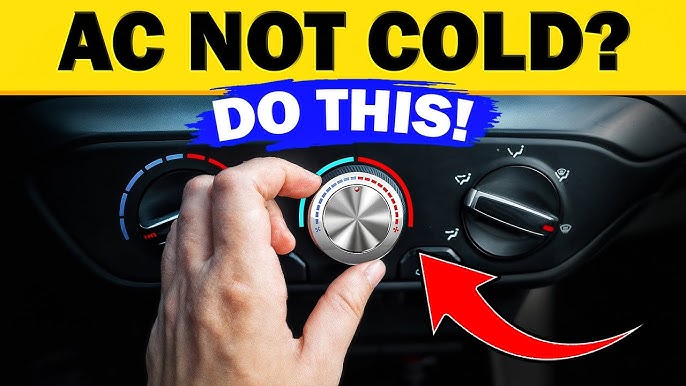
Is your air conditioner frozen and leaving you in the heat? It’s frustrating when your cool relief turns into an icy problem.
But don’t worry—you can fix this yourself. You’ll learn simple, effective steps to unfreeze your air conditioner quickly. Keep reading, and you’ll be back to enjoying cool, comfortable air in no time.
Causes Of A Frozen Air Conditioner
When your air conditioner freezes, it stops cooling properly. Ice can build up on parts inside the unit. This problem happens for several reasons.
Knowing the causes helps you fix the issue. It can also prevent future freezing problems.
Low Refrigerant Levels
Refrigerant is the liquid that cools the air. If there is not enough refrigerant, the air conditioner can freeze.
Leaks or poor charging cause low refrigerant. When refrigerant is low, the pressure drops inside the system. This makes the coils too cold and ice forms.
- Leaky pipes or connections cause refrigerant loss
- Incorrect refrigerant charge leads to freezing
- Low refrigerant reduces cooling efficiency
Poor Airflow
Airflow helps move warm air over the coils. If air does not flow well, the coils get too cold and freeze.
Blocked vents, dirty filters, or broken fans reduce airflow. Without enough warm air, the cooling parts freeze up quickly.
- Clogged air filters block air
- Closed or blocked vents stop airflow
- Malfunctioning fans fail to move air
Dirty Evaporator Coils
Evaporator coils absorb heat from the air. Dirt on the coils blocks heat transfer. This makes the coils too cold and causes ice.
Cleaning the coils regularly keeps the unit running well. Dirty coils reduce efficiency and cause freezing problems.
- Dust and dirt build up on coils
- Blocked coils stop heat absorption
- Cleaning coils prevents ice formation

Credit: www.callacs.com
Signs Of A Frozen Air Conditioner
Air conditioners can freeze during use. Knowing the signs helps you fix them early. A frozen AC can stop cooling your home properly.
Look for clear signs to know if your AC is frozen. This guide explains the common symptoms to watch for.
Ice Formation On Coils
The most obvious sign is ice on the AC coils. Ice can cover the evaporator or refrigerant lines. This ice blocks airflow and stops cooling.
Ice forms because of low refrigerant or poor air circulation. It may look like frost or thick ice buildup.
- Ice on evaporator coils inside the unit
- Frozen refrigerant lines outside the unit
- Visible frost or solid ice patches
Reduced Cooling Efficiency
A frozen AC cools less than usual. The ice stops the unit from working well. You may notice the room does not get cold enough.
The AC runs longer but does not cool the air. This wastes energy and raises your electric bill.
- Room temperature stays high despite AC running
- Longer cooling cycles with less cold air
- Increased energy use without better cooling
Water Leaks Around Unit
Ice on the AC melts and causes water leaks. You may see water pooling near or under the unit. This leak can damage floors or walls.
Leaking water is a warning sign to stop the AC and check for ice buildup. Ignoring leaks can lead to bigger problems.
- Water puddles near indoor or outdoor unit
- Dripping sounds from the AC unit
- Damp or wet spots on nearby surfaces
Safety Precautions Before Starting
Unfreezing your air conditioner needs care and safety. Before you start, take steps to avoid accidents.
Following safety rules protects you and your device. Read each step carefully.
Turn Off The System
Always switch off your air conditioner before working on it. This stops electricity flow and prevents shocks.
Turn off the unit at the thermostat and also at the main power source. This ensures full power cut.
Use Protective Gear
Wear protective gear to keep yourself safe. Gloves protect your hands from cold and sharp parts.
Safety glasses stop dust and debris from getting in your eyes. Use a mask if dust is heavy.
- Wear insulated gloves
- Use safety glasses
- Consider a dust mask
- Wear long sleeves to protect skin
Steps To Unfreeze The Air Conditioner
An air conditioner can freeze due to several reasons. It stops cooling properly and may cause damage.
Follow these steps carefully to unfreeze your air conditioner safely and quickly.
Turn Off The Thermostat
First, switch off the thermostat or set it to the off position. This stops the cooling cycle and lets the ice melt.
Switch To Fan Mode
Change the air conditioner setting from cooling to fan mode. This helps air flow inside the unit and speeds up melting.
- Locate the mode button on your remote or control panel.
- Select “Fan” mode instead of “Cool.”
- Let the fan run for several hours until the ice melts completely.
Check For Blockages
Clear any dirt or objects blocking air flow around the unit. Blockages reduce air flow and cause freezing.
| Common Blockages | How to Fix |
| Dirty air filters | Clean or replace filters regularly |
| Blocked vents | Remove objects and dust |
| Outdoor unit debris | Clear leaves and dirt around the unit |
Cleaning The Air Filters
Cleaning the air filters is key to fixing a frozen air conditioner. Dirty filters block airflow and cause ice buildup. Regular cleaning helps your AC run smoothly and stay cool.
Below are simple ways to remove, wash, and replace your air filters. Follow these steps to unfreeze your air conditioner safely.
Removing And Washing Filters
Start by turning off your air conditioner and unplugging it. Locate the air filter, usually behind the front panel or grille. Carefully remove the filter to avoid damage.
- Take the filter outside to avoid spreading dust indoors.
- Use a vacuum cleaner to remove loose dust and dirt.
- Wash the filter gently with lukewarm water and mild soap.
- Rinse thoroughly to remove all soap residue.
- Let the filter air dry completely before reinstalling it.
Cleaning the filter regularly improves air flow and stops the ice from forming on the coils.
Replacing Old Filters
If your air filter is torn or very dirty, replace it with a new one. Using a damaged filter can reduce air flow and cause your AC to freeze again.
| Filter Type | Recommended Replacement Time | Notes |
|---|---|---|
| Fiberglass | Every 30 days | Low cost, basic protection |
| Pleated | Every 90 days | Better filtration, longer life |
| Electrostatic | Every 6 months | Reusable, high efficiency |
Inspecting And Cleaning Coils
Frozen air conditioners often have dirty or blocked coils. Checking and cleaning the coils helps fix this problem. Clean coils let your AC work well and stay cool.
Regular coil care stops ice from building up. It also saves energy and extends your AC’s life.
Accessing Evaporator Coils
Evaporator coils are inside the indoor unit of your air conditioner. You need to turn off the power before opening the cover. This protects you from electric shock.
Use a screwdriver to remove screws holding the access panel. Gently pull the panel off to see the coils. Be careful not to bend or damage the thin metal fins.
Using Coil Cleaner
Coil cleaners help remove dirt, dust, and grime from the coils. Choose a cleaner made for air conditioner coils. Follow the instructions on the label carefully.
Spray the cleaner evenly on the coils. Let it sit for the time the instructions say. Then rinse gently with water, if needed. Avoid using too much water to prevent damage.
- Wear gloves and eye protection
- Work in a well-ventilated area
- Do not use harsh chemicals
- Dry coils completely before closing panel
Checking Refrigerant Levels
Frozen air conditioners often have low refrigerant levels. This causes the coils to freeze and stops cooling. Checking refrigerant helps find the problem early.
You should know how to spot low refrigerant signs. Then, decide if you can fix it or need help.
Identifying Low Refrigerant
Low refrigerant causes your AC to freeze and lose cooling power. Look for these signs:
- Ice buildup on the indoor coils
- Warm air blowing from vents
- Longer run times without cooling
- Hissing or bubbling noises near the AC unit
- Higher electricity bills than usual
These signs mean your refrigerant might be low or leaking. You should act fast to avoid damage.
Contacting A Professional
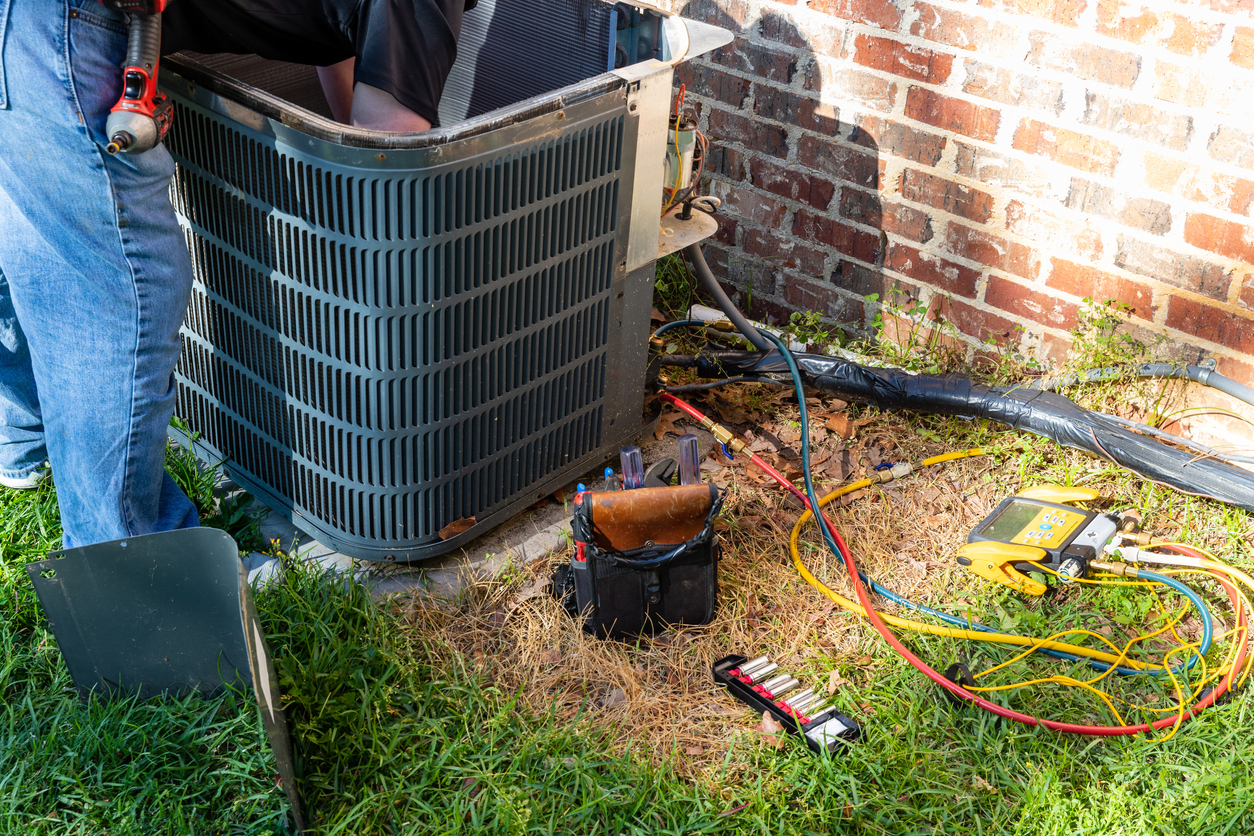
Handling refrigerant requires skill and special tools. It is safer to call an expert. Here is what a professional does:
| Service | What It Includes |
| Leak Detection | Finds where refrigerant escapes |
| Refrigerant Refill | Adds the right amount safely |
| System Inspection | Checks for damage and fixes |
| Performance Test | Ensures AC works well again |
Choose a licensed technician for safe and correct work. Avoid handling refrigerant yourself to prevent harm or damage.
Credit: wheatandsons.com
Preventative Measures
Air conditioners can freeze if they are not cared for properly. Preventing this problem helps your AC work well longer. You can avoid freezing by following simple steps.
Taking care of your AC regularly keeps it running smoothly. Making your home better insulated also helps stop freezing.
Regular Maintenance Schedule
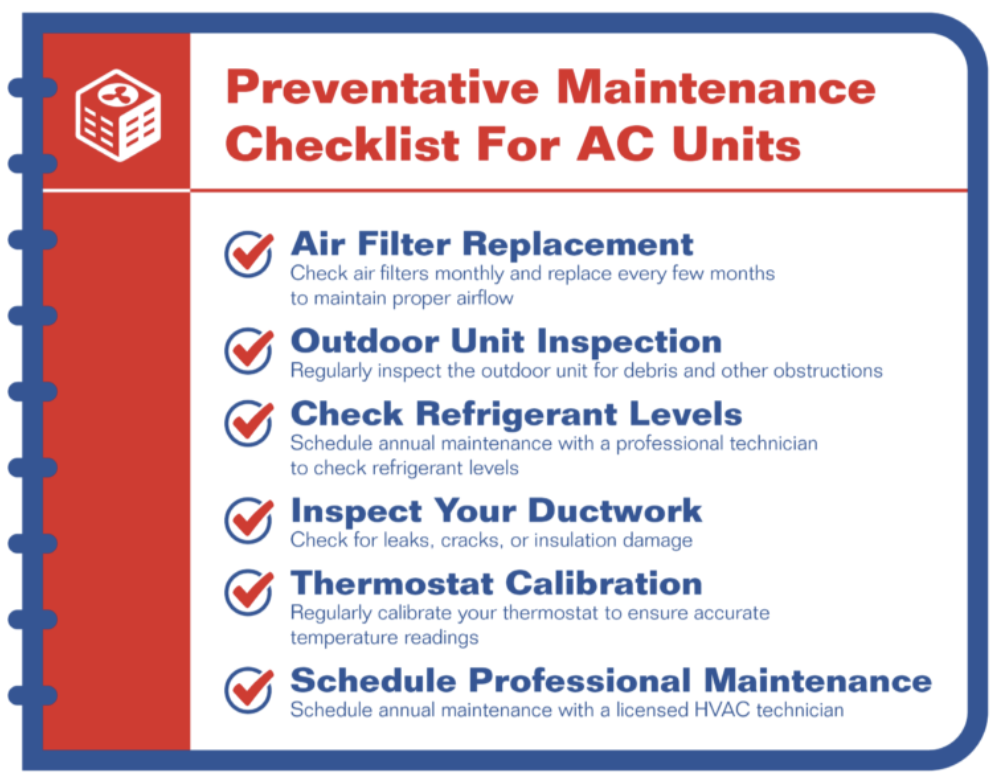
Check your air conditioner often to find small problems early. Clean or replace filters every month during use. Dirty filters block airflow and can cause freezing.
Inspect the coils and remove any dirt or debris. Also, make sure the fan is working well. Tighten loose parts to keep the system balanced.
- Clean or change filters monthly
- Check and clean coils regularly
- Ensure fans run smoothly
- Tighten any loose parts
- Schedule professional check-ups yearly
Upgrading Insulation
Good insulation keeps your home temperature steady. This reduces the work your AC must do. Less work means less chance of freezing.
Seal windows and doors to stop cold air leaks. Add insulation to walls and attic spaces. This keeps your home comfortable and protects your AC.
- Seal gaps around windows and doors
- Install insulation in walls and attic
- Use weather stripping on doors
- Cover windows with thermal curtains
When To Call A Professional
Sometimes, your air conditioner freezes up and simple fixes do not help. Knowing when to call a professional can save you time and money.
A trained technician can find hidden problems and fix them safely. Read on to learn about key signs that you need expert help.
Persistent Freezing Issues
If your air conditioner freezes repeatedly, it could mean a bigger problem. This is a sign that you should contact a professional soon.
- Dirty or clogged air filters
- Low refrigerant levels
- Blocked or damaged coils
- Malfunctioning fans or blowers
- Thermostat problems
These issues need special tools and skills to fix. A technician can check your system thoroughly and stop the freezing for good.
Complex Repairs Needed
Some AC problems require complex repairs that are unsafe or hard to do yourself. Calling a professional is the best choice in such cases.
| Repair Type | Signs | Why Call a Professional |
| Refrigerant Leak | Hissing sound, ice buildup | Handle chemicals safely, refill refrigerant |
| Electrical Issues | Unit won’t start, tripped breakers | Prevent shocks and fire hazards |
| Compressor Failure | Strange noises, no cooling | Requires special tools and parts |
| Fan Motor Problems | Weak airflow, strange sounds | Proper disassembly and repair needed |
Attempting complex repairs yourself can damage your unit and cause injury. Professionals have training and equipment to fix these problems safely.
Credit: samedaysd.com
Frequently Asked Questions
Why Is My Air Conditioner Frozen?
Your air conditioner may freeze due to restricted airflow or low refrigerant levels. Dirty filters, blocked vents, or malfunctioning fans reduce airflow, causing ice buildup. Low refrigerant also causes the evaporator coil to freeze. Regular maintenance and cleaning help prevent freezing issues.
How Do I Safely Unfreeze An Air Conditioner?
Turn off your air conditioner immediately to stop further freezing. Allow the ice to melt naturally by running the fan or using a hairdryer on low heat. Avoid using sharp objects to remove ice, as this can damage the unit.
Can Dirty Filters Cause Air Conditioner Freezing?
Yes, dirty filters block airflow, causing the evaporator coil to freeze. Clean or replace filters regularly to maintain proper airflow. This simple step prevents ice buildup and improves your air conditioner’s efficiency and lifespan.
How Long Does It Take To Unfreeze An Ac Unit?
It typically takes 1 to 3 hours for an AC to fully unfreeze. The duration depends on ice thickness and ambient temperature. Running the fan without cooling helps speed up melting without risking further damage.
Conclusion
Unfreezing your air conditioner takes patience and care. Turn off the unit and let the ice melt naturally. Check the air filter and clean it regularly to prevent future freezes. Keep the thermostat at a steady temperature. Clear any obstructions around the outdoor unit.
These simple steps help your AC run smoothly again. Stay calm, and your cooling will return soon. Taking quick action saves you time and money. Remember, regular maintenance keeps your air conditioner healthy and cold.