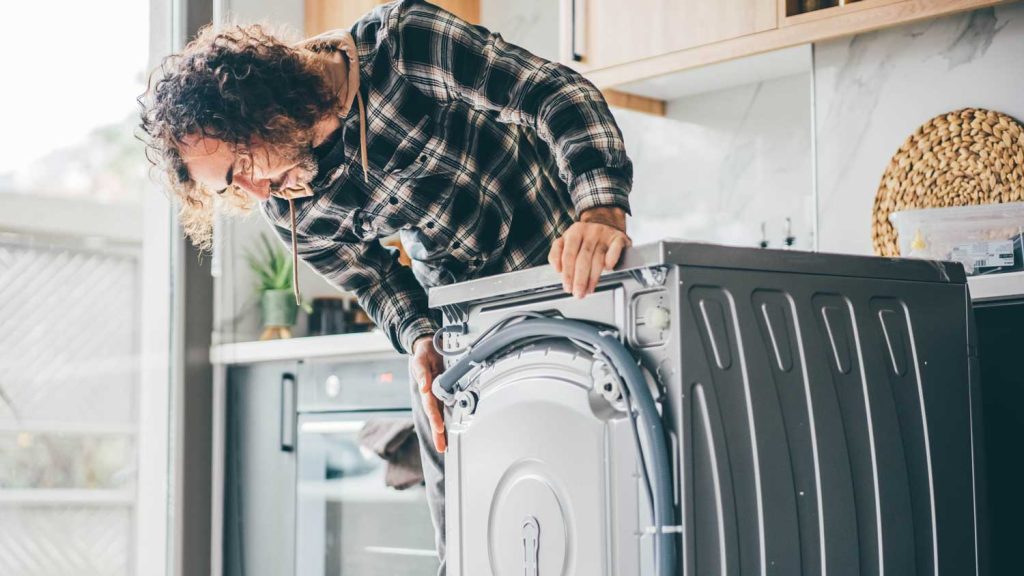
If you’re planning to move or replace your washer and dryer, knowing how to unhook them safely is a must. It might sound tricky, but with the right steps, you can do it yourself without stress or damage.
This guide will walk you through each part of the process clearly and simply. By the end, you’ll feel confident handling your appliances like a pro—and avoid costly mistakes. Ready to get started? Let’s dive in!

Credit: www.espares.co.uk
Prepare The Area
Before unhooking your washer and dryer, get the space ready. A clear area makes the job safer and easier.
Take time to prepare the surroundings. This helps avoid damage and accidents during the process.
Clear The Surrounding Space
Remove all items near the washer and dryer. This includes laundry baskets, cleaning supplies, and rugs.
Make sure there is enough room to move the machines safely. Clear pathways prevent trips and falls.
- Move furniture and objects away
- Clear floor space around the machines
- Keep the area dry and free of clutter
- Ensure easy access to power and water outlets
Gather Necessary Tools
Collect the tools needed to unhook the washer and dryer. Having tools ready saves time and effort.
Use the right tools to avoid damage. Check that everything works before starting the job.
- Adjustable wrench for water connections
- Screwdriver for removing panels or covers
- Pliers for hose clamps
- Towels or rags to catch water spills
- Bucket to hold water from hoses

Credit: www.espares.co.uk
Disconnect Power Supply
Before unhooking your washer and dryer, disconnecting the power supply is crucial. This step keeps you safe from electrical shocks or accidents.
Always make sure the appliances are completely off and unplugged before moving or servicing them.
Unplug The Washer And Dryer
Start by locating the power cords of both the washer and dryer. These cords usually run behind the machines and plug into wall outlets.
- Firmly grasp the plug, not the cord, to avoid damage.
- Pull the plug straight out from the outlet.
- If the plug is hard to remove, wiggle gently but do not force it.
- Check the cord for any damage or fraying before unplugging.
Turn Off Circuit Breakers
Find your home’s electrical panel or circuit breaker box. Turning off the correct breakers stops all power to the washer and dryer.
| Appliance | Breaker Label | Location |
| Washer | Washer or Laundry | Left side of panel |
| Dryer | Dryer or Laundry | Right side of panel |
Switch the appropriate breakers to the “off” position. This step ensures no electricity flows to the machines, even if they remain plugged in.
Shut Off Water Supply
To safely unhook a washer and dryer, shutting off the water supply is crucial. Follow these steps to prevent leaks and ensure your safety.
Make sure to handle the valves carefully to avoid any damage. This guide will help you manage this task with ease.
Locate Water Valves
Finding the water valves is the first step. They are usually located behind your washer.
- Check behind the washer for two valves.
- Look for labeled hot and cold water valves.
- Ensure the area is clear of any obstructions.
Turn Off Hot And Cold Water
Once you have located the valves, proceed to turn off the water.
This step is essential to prevent any water from flowing into your washer.
| Action | Direction |
| Turn Off Hot Water | Clockwise |
| Turn Off Cold Water | Clockwise |
Drain Washer Hoses
Unhooking a washer and dryer involves several steps. One important part is draining the washer hoses.
This task ensures no water spills during the unhooking process. It keeps your laundry area dry and safe.
Remove Hoses Carefully
First, locate the water supply valves behind your washer. Turn them clockwise to stop the water flow.
Gently unscrew the hoses from the back of the washer. Hold the hose ends up to prevent water spills.
- Use a towel to grip slippery hoses
- Place a bucket under the hoses
- Store hoses in a safe place
Catch Residual Water
Even after turning off the water, some water remains in the hoses. Be prepared to catch it.
Use a bucket or a pan to collect any remaining water. This prevents messes on your floor.
- Keep a towel handy for spills
- Empty the bucket promptly
- Ensure area is dry before proceeding
Disconnect Washer Hoses
Disconnecting washer hoses is an important step before moving or repairing your washing machine. It helps prevent water leaks and damage.
This guide explains how to safely disconnect the water supply hoses from your washer.
Turn Off Water Supply
Locate the water valves behind the washer and turn them off. This stops water flow to the hoses and prevents spills.
Prepare To Catch Water
Before removing hoses, place a bucket or towels under the connections. Small amounts of water may drip out when you disconnect.
Disconnect Hoses From Washer
Use your hands or a wrench to loosen the hose connectors. Turn them counterclockwise to unscrew the hoses from the washer.
- Grip the hose firmly near the connection point.
- Turn the connector slowly to avoid damaging threads.
- If tight, use an adjustable wrench carefully.
- Remove the hose completely once loose.
Inspect And Store Hoses
Check hoses for cracks or wear. Keep them in a dry place if you plan to reuse them later.
| Tool | Purpose |
| Bucket or Towels | Catch any water drips |
| Adjustable Wrench | Loosen tight hose connectors |
| Gloves (optional) | Protect hands during disconnection |
Disconnect Dryer Vent
Disconnecting the dryer vent is an important step before moving or servicing your dryer. The vent carries hot air and moisture outside the home.
Make sure the dryer is unplugged and cooled down before starting to avoid injury.
Remove Vent Clamp
Locate the vent clamp that holds the vent hose to the dryer. This clamp keeps the hose secure and prevents leaks.
Use a screwdriver or your hands to loosen the clamp. Turn the screw counterclockwise until the clamp is loose enough to slide off.
- Find the clamp around the vent hose connection
- Use a flathead screwdriver if needed
- Turn screw counterclockwise to loosen
- Slide the clamp away from the dryer vent
Separate Vent Hose
After removing the clamp, gently pull the vent hose away from the dryer vent. The hose may be tight, so wiggle it slightly to loosen.
Check the hose for any tears or blockages before reattaching or replacing it.
- Grip the vent hose near the dryer connection
- Pull the hose straight off the vent
- Inspect the hose for damage or debris
Move Appliances Safely
Unhooking and moving a washer and dryer can be hard work. Safety is important to avoid damage and injury.
Use the right tools and protect your home while moving these heavy appliances.
Use Appliance Dolly Or Helpers
An appliance dolly makes moving a washer or dryer easier. It helps carry the weight and keeps the appliance steady.
If you do not have a dolly, ask for help. Two or more people can lift and move appliances safely.
- Secure the appliance on the dolly with straps
- Keep your back straight when lifting
- Move slowly to avoid tipping
- Wear gloves to improve grip
Protect Floors And Walls
Floors and walls can get scratched or damaged when moving heavy appliances. Protect them before you start.
Use blankets, cardboard, or floor protectors under and around the appliances to avoid marks.
- Place cardboard or plywood on the floor path
- Use furniture pads on appliance corners
- Keep a clear path to prevent bumps
- Move slowly near walls and door frames
Inspect And Clean Hookup Areas
Before unhooking your washer and dryer, it is important to inspect and clean the hookup areas. This helps prevent water damage and keeps your appliances working well.
Take time to check all connections and clear any dirt or debris. Proper care will make reconnecting easier and safer.
Check For Leaks Or Damage
Look closely at water hoses and vent pipes for leaks or cracks. Small leaks can cause bigger problems over time.
- Inspect water supply hoses for cracks or bulges
- Check for wet spots around connections
- Look for rust or corrosion on metal parts
- Examine vent pipes for holes or loose fittings
Clean Water And Vent Connections
Cleaning the connections keeps water flowing freely and air venting properly. Dirt and lint can block these areas and cause issues.
| Connection Type | Cleaning Method | Tools Needed |
| Water Hoses | Wipe with a damp cloth and check seals | Cloth, Bucket |
| Dryer Vent | Remove lint and dust using a brush or vacuum | Vent Brush, Vacuum |
| Hose Connectors | Clean threads and tighten securely | Wrench, Cloth |

Credit: www.reddit.com
Frequently Asked Questions
How Do I Safely Unhook A Washer?
Turn off water and unplug the washer first. Disconnect water hoses carefully. Drain any remaining water from hoses before removal.
What Tools Are Needed To Unhook A Dryer?
You typically need a wrench or pliers. A screwdriver may be required for vent removal. Always check the dryer manual for specifics.
Can I Unhook Washer And Dryer Alone?
Yes, you can unhook them alone. Take safety precautions like turning off power and water supply. Ask for help if needed.
How Do I Disconnect Dryer Vent Properly?
Detach the vent clamp or screws first. Gently pull the vent hose off the dryer. Clean the vent if necessary before reattaching.
Conclusion
Unhooking a washer and dryer is easier than it seems. Follow each step carefully and take your time. Turn off water and power before starting. Use the right tools to avoid damage. Keep track of screws and hoses as you disconnect.
This helps when you need to reconnect later. Stay safe and work patiently for best results. Now, you can move or replace your machines with confidence. Simple steps lead to smooth unhooking every time.