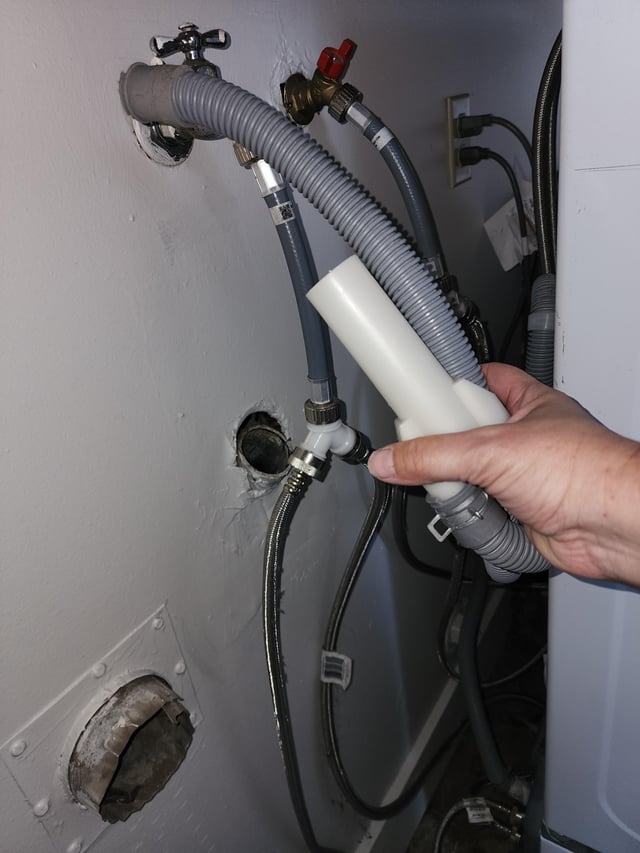
Are you ready to move your washer and dryer but don’t know where to start? Unhooking these heavy appliances might seem tricky, but with the right steps, you can do it safely and quickly.
Imagine avoiding water spills, electrical hazards, and damage to your machines just by following a simple guide. You’ll discover exactly how to unhook your washer and dryer with ease. Keep reading, and you’ll save time, effort, and stress on your next laundry room project.
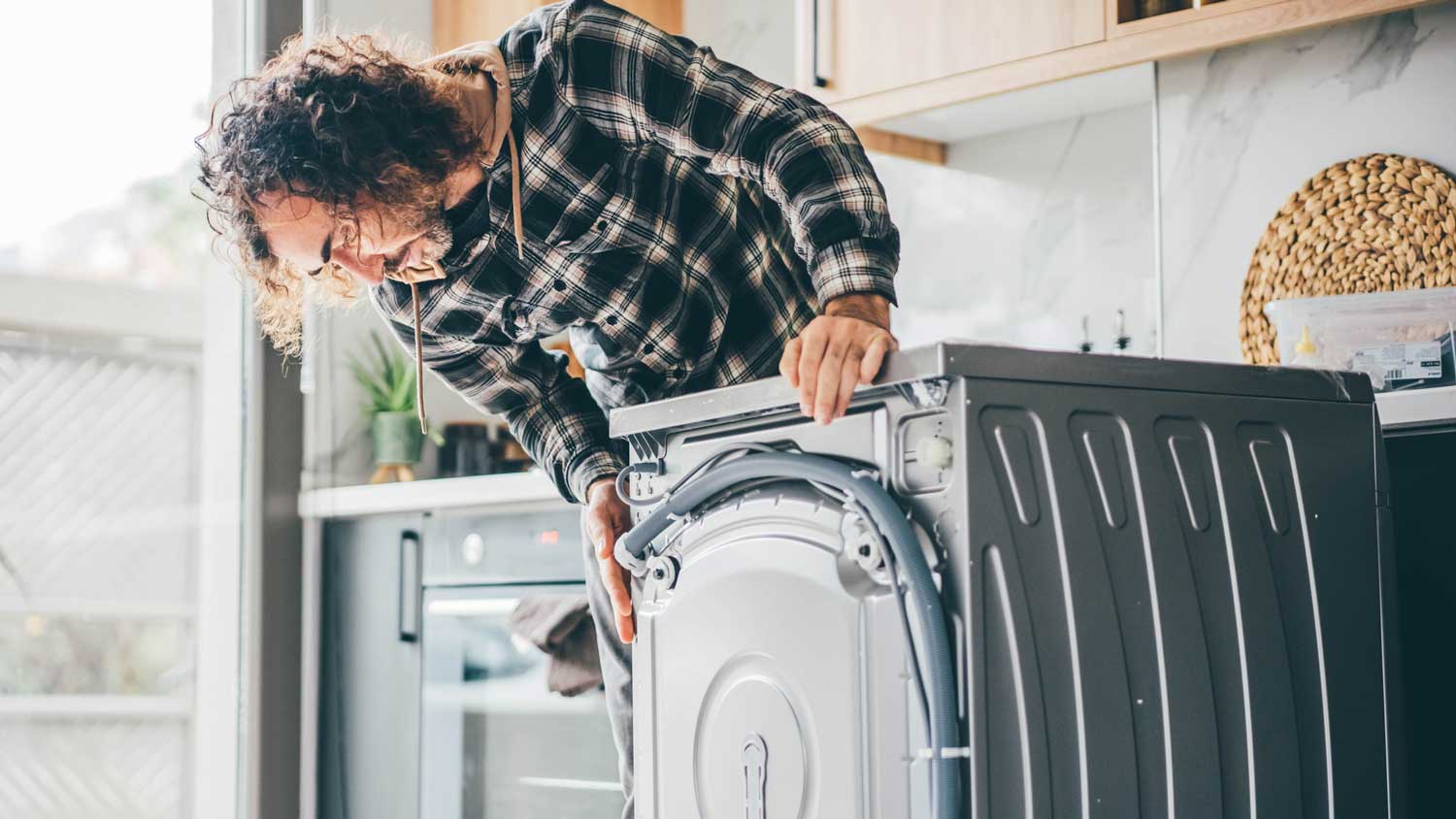
Credit: www.angi.com
Prepare The Area
Before unhooking your washer and dryer, you need to get the area ready. This helps keep the process safe and smooth.
Preparing the space means gathering tools, clearing the area, and shutting off power and water. Follow these steps carefully.
Gather Necessary Tools
Having the right tools ready makes unhooking easier. You will need basic hand tools and safety gear.
- Adjustable wrench
- Screwdrivers (flathead and Phillips)
- Bucket or small container for water drips
- Towels or rags to clean spills
- Gloves to protect your hands
Clear Surrounding Space
Clear space around the washer and dryer to work safely. This also prevents damage to nearby items.
| Area to Clear | Reason |
|---|---|
| Floor space around appliances | Provides room to move and access connections |
| Remove small furniture or objects | Prevents tripping and falling hazards |
| Clear wall space behind machines | Allows you to reach water hoses and power cords |
Turn Off Power And Water
Safety is key. Always turn off power and water before unhooking your washer and dryer.
- Locate the water supply valves behind the washer and close them.
- Unplug the washer and dryer from the electrical outlets.
- If needed, turn off the circuit breaker for extra safety.

Credit: www.espares.co.uk
Disconnect The Washer
Disconnecting your washer safely is important before moving or repairing it. Follow simple steps to avoid damage or leaks.
This guide covers unplugging the electrical cord, turning off water valves, detaching water hoses, and disconnecting the drain hose.
Unplug Electrical Cord
First, locate the electrical outlet behind the washer. Firmly grasp the plug and pull it out. Do not yank the cord to avoid damage.
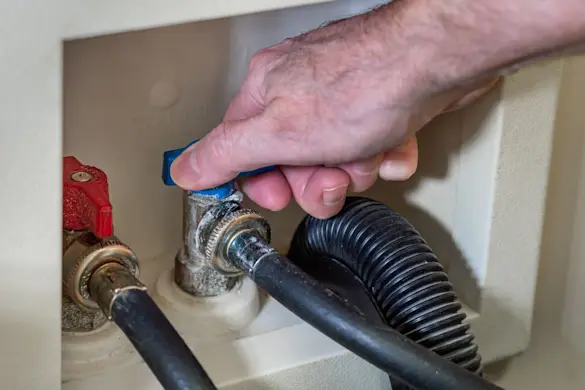
Turn Off Water Valves
Find the water valves connected to the washer. Turn both hot and cold water valves clockwise until tight to stop water flow.
Detach Water Hoses
Water hoses connect the valves to the washer. Use a pair of pliers if needed to loosen the hose fittings. Keep a towel ready for water spills.
- Place a bucket or towel under hose ends
- Turn hose fittings counterclockwise
- Remove hoses from the valves and washer
- Check hoses for cracks or damage
- Store hoses safely to avoid leaks
Disconnect Drain Hose
The drain hose carries water out of the washer. It is usually attached to a standpipe or sink drain.
| Drain Hose Location | How to Disconnect |
|---|---|
| Standpipe | Lift hose end out of the pipe carefully |
| Sink drain | Loosen clamp or remove hose from drain fitting |
Be careful not to spill any remaining water from the hose.
Unhook The Dryer
Unhooking your dryer safely is important before moving or servicing it. This guide shows how to unhook the dryer properly.
Follow each step carefully to avoid damage or injury. Make sure to have basic tools ready for the job.
Unplug Dryer Cord
First, find the dryer power cord and unplug it from the wall outlet. This stops electricity flow and keeps you safe.
Grip the plug firmly and pull it straight out. Do not yank the cord to avoid damage.
Disconnect Vent Hose
Locate the vent hose connected to the back of the dryer. This hose directs hot air outside your home.
Loosen the clamp or screws holding the vent hose in place. Carefully pull the hose off the dryer vent.
- Use a screwdriver if clamps are tight
- Check for lint build-up in the hose
- Keep the hose clear to avoid fire risks
Remove Gas Line If Applicable
If your dryer uses gas, you must disconnect the gas line. Turn off the gas valve before starting.
Use a wrench to loosen the gas connection. Slowly unscrew the gas line from the dryer.
- Turn off gas supply at the valve
- Use two wrenches for safety and control
- Cap the gas line to prevent leaks
Credit: www.searspartsdirect.com
Move Appliances Safely
Unhooking and moving your washer and dryer needs care. Moving them safely prevents injuries and damage.
Use the right tools and protect your floors to make the job easier and safer.
Use Appliance Dolly Or Sliders
An appliance dolly or sliders help you move heavy washers and dryers. These tools reduce the effort needed.
They also keep the appliances steady and lower the risk of dropping them.
- Appliance dollies have wheels for easy rolling.
- Sliders allow you to slide appliances across floors smoothly.
- Both tools protect your back and arms from strain.
Protect Floors From Damage
Moving heavy appliances can scratch or dent floors. Protect your floors before moving the washer and dryer.
Use materials like cardboard, plywood, or floor protectors to keep floors safe.
- Place cardboard or plywood under the appliance feet.
- Use furniture sliders to avoid scratches on hardwood or tile.
- Lift appliances carefully to prevent gouges or dents.
Troubleshooting Tips
Unhooking your washer and dryer can be tricky. It is important to do it carefully to avoid damage.
Here are some tips to help you handle common problems when disconnecting your machines.
Dealing With Stuck Hoses
Hoses can get stuck due to rust or tight fittings. Use gentle force to avoid breaking them.
Try twisting the hose while pulling it off. If it still won’t move, soak the connection area with warm water to loosen it.
- Use pliers carefully if needed
- Do not use excessive force
- Check for cracks before reusing hoses
Handling Gas Line Safely
Gas dryers have a gas line that must be handled with care. Turn off the gas supply before disconnecting.
Use a wrench to loosen the gas connection slowly. Avoid damaging the line or fittings.
- Turn off the main gas valve
- Check for gas leaks after reconnecting
- Do not use tools that can spark
When To Call A Professional
Some problems are best left to experts. Call a professional if you feel unsure or face complex issues.
Do not try to fix gas leaks or electrical problems yourself. A trained technician can keep you safe.
- Gas leaks or strong odors
- Damaged electrical cords
- Broken water or gas connections
- Persistent stuck hoses after trying
Frequently Asked Questions
How Do I Safely Unhook A Washer And Dryer?
First, unplug both appliances from power outlets. Turn off water supply valves for the washer. Disconnect water hoses carefully. Detach the dryer vent hose gently. Ensure all connections are dry before moving appliances.
What Tools Are Needed To Unhook Washer And Dryer?
You typically need an adjustable wrench, pliers, and a screwdriver. Have towels handy to catch water drips. A flashlight helps in tight spaces. These tools make the unhooking process safe and efficient.
Can I Unhook Washer And Dryer Alone?
Yes, you can unhook them alone if you are careful. Make sure to unplug and shut off water first. Take your time disconnecting hoses and vents. For heavy moves, consider asking for assistance.
How Do I Disconnect The Dryer Vent Properly?
Gently loosen the clamp securing the vent to the dryer. Slide the vent hose off carefully to avoid damage. Clean the vent if needed before reattaching or storing. Proper disconnection prevents lint buildup and airflow issues.
Conclusion
Unhooking your washer and dryer does not have to be hard. Follow the steps carefully and take your time. Always remember to turn off the power and water first. Check all connections before pulling them apart. Doing this task yourself can save time and money.
Stay safe and use the right tools. With practice, this process will feel easier. Keep this guide handy for future use. Simple steps lead to good results. You can handle this with confidence.