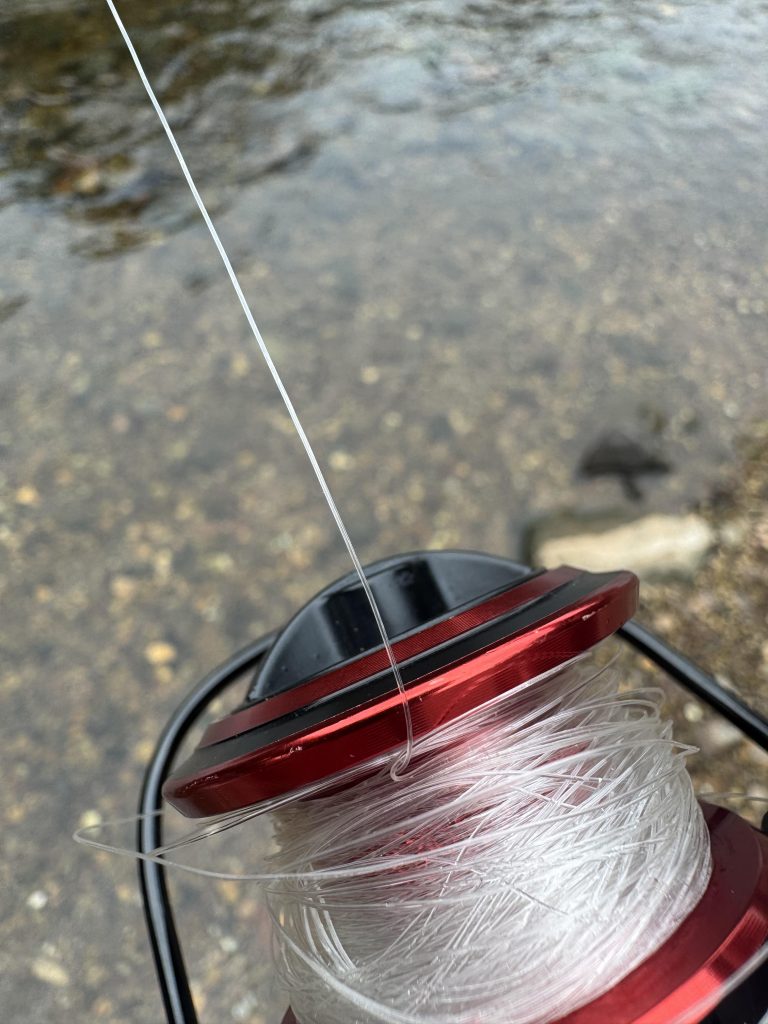
Nothing is more frustrating than getting your fishing line tangled just as you’re about to cast. You feel the excitement fade, and the clock is ticking while you try to fix the mess.
But what if you could quickly and easily untangle your fishing line without wasting time or losing patience? You’ll discover simple, effective steps to free your line fast. Whether you’re a beginner or a seasoned angler, these tips will keep you fishing longer and stressing less.
Ready to master the art of untangling your fishing line? Let’s dive in.
Credit: calflyfisher.com
Common Causes Of Tangled Lines
Tangled fishing lines can spoil a great day on the water. Knowing why lines tangle helps prevent problems.
Three main causes lead to tangled fishing lines. These are improper spooling, line twist from casting, and using incompatible line types.
Improper Spooling Techniques
Spooling your reel incorrectly makes tangles more likely. If the line is too loose or too tight, it can cause loops and knots.
- Do not overfill the spool with line.
- Keep tension steady while spooling.
- Align the line straight onto the spool.
- Use the right spool size for your line.
Line Twist From Casting
Line twist happens when the line spins while casting or retrieving. It creates loops that turn into tangles.
| Cause | Effect on Line |
| Over-spinning the lure | Creates excess twist in the line |
| Incorrect reel drag setting | Line twists during fish fight |
| Using swivel incorrectly | Fails to reduce line twist |
Using Incompatible Line Types
Mixing different types of fishing lines can cause tangles. Lines with different stretch and thickness do not work well together.
Common incompatible line pairings include:
- Monofilament with braided lines without proper connectors
- Fluorocarbon lines on reels designed for braided lines
- Old line mixed with new line types
These combinations often lead to knots and tangles during use.

Credit: www.reddit.com
Tools Needed For Untangling
Untangling a fishing line needs the right tools. Using proper tools helps fix knots faster.
These tools make the process easier and prevent damage to the line. Keep them ready before you start.
Line Clippers And Scissors
Line clippers and scissors help cut damaged or tangled parts of the line. Sharp blades make clean cuts.
Use small clippers designed for fishing lines. Avoid dull scissors because they can fray the line.
- Sharp line clippers for quick cuts
- Small fishing scissors for delicate trimming
- Keep blades clean and rust-free
Needle Or Pin
A needle or pin helps loosen tight knots in the fishing line. It allows you to work through small tangles.
Choose a fine needle to avoid cutting the line. Work slowly to pull apart the knots without damage.
- Use a fine sewing needle or safety pin
- Insert gently into tight knots
- Pull the line carefully to untangle
Lubricants And Cleaners
Lubricants and cleaners reduce friction between the line strands. This helps knots slide apart more easily.
Use water or a small amount of line conditioner. Avoid harsh chemicals that can damage the line.
- Water to moisten tangled areas
- Line conditioner or silicone spray
- Gentle soap for cleaning dirty lines
Step-by-step Untangling Process
Untangling a fishing line can be tricky. With patience and the right approach, it becomes manageable.
Follow these steps to make the process easier and prevent damage to your line.
Assessing The Tangle
Start by examining the entire line to identify the most tangled sections. Find the knots that are tight and those that are loose.
- Lay the fishing line on a flat surface.
- Identify the sections where the knots are dense.
- Plan your approach from the outside of the tangle inward.
Loosening Tight Knots
Use a gentle touch when loosening tight knots. Avoid pulling hard as this can make the knots worse.
Tools you might use:
- A pair of tweezers
- A small needle or pin
- A magnifying glass for better visibility
Working Through The Knots Carefully
Slowly work through the knots, starting with the easier ones. This makes it simpler to deal with the more complex tangles later.
| Action | Result |
| Gently pull apart | Loosens knots |
| Use tools as needed | Access tight spots |
| Be patient | Prevents line breakage |

Credit: www.youtube.com
Preventing Future Tangles
Tangles in fishing lines cause frustration and waste time. You can avoid most tangles by taking good care of your line. Preventing tangles saves you effort and helps you enjoy fishing more.
Using the right techniques and tools keeps your fishing line smooth and ready. Let’s look at simple ways to prevent future tangles.
Proper Line Spooling Methods
Spooling your fishing line correctly is key to avoiding tangles. Make sure the line goes on evenly and tight. Loose or twisted line causes knots and loops.
- Use a line spooler or have someone hold the spool steady.
- Keep the spool aligned with the reel to prevent twists.
- Apply light tension on the line as you spool it onto the reel.
- Avoid overfilling the reel; leave some space near the edge.
Regular Line Maintenance
Checking and caring for your fishing line often helps stop tangles. Old or damaged line gets weak and knots easily. Replace or clean your line regularly.
- Inspect the line for cracks, frays, or stiffness.
- Remove dirt, salt, and debris after each use.
- Store your reel in a dry, cool place to avoid damage.
- Change the line after several fishing trips or if it shows wear.
Choosing The Right Line For Your Reel
Using the right type and strength of line helps prevent tangles. Match the line to your reel and fishing style. Thicker or unsuitable lines can cause problems.
- Check your reel’s recommended line weight and type.
- Use monofilament, fluorocarbon, or braided line based on your needs.
- Choose line with good stretch and smoothness for your fishing conditions.
- Avoid mixing different lines on one reel to reduce tangling.
Tips For Handling Difficult Knots
Fishing lines often get tangled into tough knots. These knots can stop you from casting properly. Learning how to handle them saves time and frustration.
Using the right techniques helps untangle knots without damaging the line. Let’s look at some helpful tips to handle tricky knots.
Using Tools To Aid Untangling
Small tools can make untangling knots easier and faster. Tools give you better control and reduce strain on your fingers.
Needle-nose pliers, tweezers, or a knot picker work well. These tools help you reach tight spots in the knots.
- Use needle-nose pliers to gently pull loops apart.
- Tweezers can grab tiny parts of the knot.
- A knot picker helps lift and separate line strands.
When To Cut And Retie
Sometimes knots are too tight or damaged to fix. Cutting the line and retying is the best option in these cases.
Cut the knot carefully to avoid wasting too much line. Then tie a new knot that is strong and secure.
- Cut knots that won’t loosen after gentle pulling.
- Trim only the tangled section to save line length.
- Retie with a simple knot like the improved clinch knot.
Avoiding Line Damage
Untangling knots can weaken your fishing line if you are not careful. Avoid damage to keep the line strong and lasting.
Handle the line gently and avoid sharp tools that can cut or fray it. Use slow, steady motions to loosen knots.
- Do not pull the line too hard to break knots.
- Avoid using sharp knives or scissors near tangled parts.
- Check the line for nicks or weak spots after untangling.
Quick Fixes On The Water
Tangled fishing lines can stop your fishing trip fast. Fixing the line quickly helps you catch more fish.
Use simple tricks to untangle your line while still on the water. Stay calm and work carefully.
Immediate Actions For Snags
When your line gets snagged, do not pull hard. Pulling can tighten the knot and make it worse.
- Stop reeling immediately and check the snag.
- Try to loosen the line by moving the rod tip gently.
- If the line does not loosen, carefully back the line off the spool.
- Use your fingers to untangle small knots before pulling again.
Using Water To Loosen Lines
Water helps reduce friction and makes the line more flexible. Use it to help untangle knots.
| Method | How It Helps |
|---|---|
| Splash water on the knot | Makes the line slippery and easier to move |
| Dip tangled section in water | Softens the line and loosens tight loops |
| Use wet fingers | Prevents damage and helps slide knots apart |
Keeping Calm And Patient
Untangling fishing lines takes time and steady hands. Getting upset can make the problem worse.
- Take deep breaths to stay calm.
- Work slowly and avoid sudden pulls.
- Focus on small sections of the knot at a time.
- Remember that patience helps prevent line damage.
Frequently Asked Questions
How Can I Quickly Untangle A Fishing Line?
To quickly untangle a fishing line, gently loosen knots with your fingers. Use a needle or pin to carefully work through tight tangles. Avoid pulling hard to prevent line damage. Patience and slow, steady movements yield the best results.
What Tools Help Untangle Fishing Lines Effectively?
Essential tools include a needle, tweezers, and small scissors. Needles and tweezers help work through tight knots. Scissors cut damaged sections if needed. These tools make untangling easier and reduce the risk of breaking the line.
Why Does Fishing Line Often Get Tangled?
Fishing lines tangle due to improper spool handling, sudden jerks, or loose line wraps. Wind and casting errors also cause knots. Using quality line and careful casting minimizes tangles.
Can I Prevent Fishing Line Tangles While Fishing?
Yes, keep your line taut and avoid slack during casting. Regularly check your reel and spool for twists. Use appropriate casting techniques and quality lines to reduce tangles.
Conclusion
Untangling a fishing line takes patience and the right steps. Start slowly and use your fingers to loosen knots gently. Avoid pulling too hard to prevent more tangles. Keep your tools handy, like a needle or tweezers, to help with tight knots.
Practice makes this task easier over time. Soon, you will spend more time fishing and less time fixing lines. Enjoy your fishing trips without frustration from tangled lines. Simple care keeps your gear ready for every adventure.