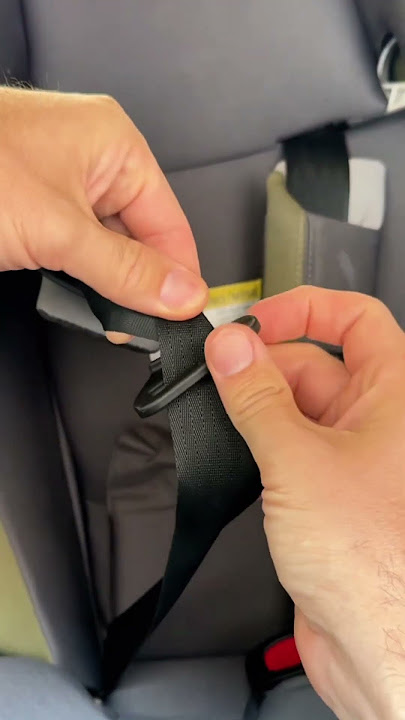
Have you ever tried to buckle your car seat belt only to find it twisted and tangled? It’s frustrating, slows you down, and can even affect your safety on the road.
But don’t worry—fixing a twisted seat belt is easier than you think. You’ll learn simple, step-by-step tricks to quickly untwist your car seat belt and get back on the road safely. Keep reading, and you’ll never have to struggle with a tangled seat belt again.

Credit: www.youtube.com
Common Causes Of Twisted Seat Belts
Twisted seat belts can make it hard to buckle up and reduce safety. Many drivers face this issue without knowing why it happens.
Understanding the common causes helps you prevent twists and use your seat belt properly every time.
Improper Retracting
When the seat belt does not retract smoothly, it can twist inside the mechanism. Dirt or damage in the retractor may cause this problem.
Incorrect Buckling
Putting the belt in the wrong way or twisting it before buckling often causes it to stay twisted. This happens when the belt is folded or turned while buckling.
Seat Belt Material And Wear
Old or worn seat belts are more likely to twist. The fabric can lose its stiffness, making it easier to fold and twist during use.
Movement During Driving
Moving around in the seat or shifting your position can cause the seat belt to twist. This is common on long trips or when adjusting your seat.
Common Causes Summary
- Seat belt retractor issues
- Wrong buckling method
- Worn or old belt material
- Body movement during driving
| Cause | Effect |
| Improper Retracting | Belt twists inside the mechanism |
| Incorrect Buckling | Belt folds and stays twisted |
| Worn Material | Increased belt folding and twisting |
| Movement During Driving | Belt twists from body shifts |

Credit: m.youtube.com
Risks Of Driving With A Twisted Seat Belt
A twisted seat belt may look harmless, but it can be dangerous. It can reduce the belt’s ability to protect you in a crash.
Understanding these risks helps you stay safe on the road. Always make sure your seat belt lies flat before driving.
Reduced Protection In A Crash
A twisted seat belt does not spread force evenly during a crash. This can cause more injury to certain parts of your body.
The belt may dig into your chest or neck instead of sitting comfortably over your shoulder and pelvis.
Increased Risk Of Seat Belt Failure
Twists can weaken the seat belt webbing over time. The belt may wear out faster and become less strong.
A worn or damaged belt may not hold you properly in a sudden stop or crash.
Discomfort Leading To Unsafe Use
A twisted seat belt can feel tight or uncomfortable. This may cause you to adjust it often while driving.
Constant adjusting or loosening the belt reduces its effectiveness and can increase injury risks.
Incorrect Positioning Of The Belt
Twists often push the belt out of its correct place. The belt should rest on your shoulder and across your hips.
If the belt is twisted, it may sit on your neck or stomach, which is unsafe during a crash.
Step-by-step Untwisting Methods
Car seat belts can twist over time and become uncomfortable. Untwisting them is important for safety and comfort. Follow these steps to fix a twisted seat belt easily.
Use simple tools and techniques to restore the seat belt to its proper position. This guide helps you untwist the belt without damage.
Manual Straightening Techniques
Start by pulling the seat belt out slowly and looking for twists. Hold the belt near the twist and gently pull it apart.
Run your fingers along the belt to smooth out any wrinkles. Repeat pulling and straightening until the belt lies flat.
- Pull the belt fully out of the retractor
- Find the twisted section
- Hold the belt near the twist firmly
- Gently pull and straighten the fabric
- Check if the belt lies flat
Using Lubricants For Smooth Movement
If the seat belt is stiff or hard to move, use a small amount of lubricant. This helps the belt slide easily through the mechanism.
Apply lubricant carefully to the belt edges or retractor parts. Avoid soaking the fabric to prevent damage.
- Choose a silicone-based lubricant
- Apply a small amount on the belt edges
- Work the lubricant into the retractor mechanism
- Pull the belt in and out several times
- Wipe off any excess lubricant
Adjusting The Retractor Mechanism
The retractor inside the car can cause twists if it does not work properly. Check if the belt retracts smoothly and fully.
You can fix minor issues by gently pulling the belt out and letting it rewind slowly. Sometimes, pressing the retractor release button helps.
- Pull the belt out fully
- Let it rewind slowly without jerking
- Press the release button if available
- Check for any catches or snags
- If stuck, consult a mechanic for retractor repair

Credit: www.reddit.com
Tools To Help Untwist Seat Belts
Car seat belts can sometimes get twisted, making them uncomfortable and unsafe. Untwisting them is easy with the right tools. You can use common household items or specialized tools designed just for this job.
Using the right tool can save time and prevent damage to the seat belt. Below are some helpful options to make untwisting simple and quick.
Household Items That Work
You do not always need special equipment. Many household items can help you untwist a seat belt safely and easily.
- A butter knife or plastic card to gently pull and straighten the belt.
- A pencil or pen to roll the twisted part and loosen it.
- Rubber bands to hold the belt in place after untwisting.
- A pair of gloves to grip the belt better and avoid slipping.
Specialized Seat Belt Tools
Some tools are designed specifically for seat belt problems. These can make untwisting faster and easier, especially for tough twists.
| Tool | Use | Benefits |
| Seat Belt Twister Tool | Grips and untwists belts quickly | Easy to use, protects belt fabric |
| Seat Belt Adjuster | Keeps belt flat and comfortable | Prevents twists from forming |
| Seat Belt Lubricant Spray | Loosens tight twists | Safe on fabric, smooths movement |
Preventing Future Twists
Twisted seat belts can be uncomfortable and unsafe. You can stop them from twisting again. It takes simple habits and care.
Follow easy steps to keep your car seat belt smooth and ready to use every time.
Proper Seat Belt Handling Habits
Handle your seat belt gently to avoid twists. Pull it straight and do not yank it quickly.
- Always pull the belt out smoothly and fully before buckling.
- Make sure the belt lies flat across your body without folds.
- Do not twist the belt when adjusting its length.
- Store the belt properly when not in use, letting it retract fully.
- Teach passengers to use the seat belt with care.
Regular Maintenance Tips
Check and clean your seat belt often. Look for signs of damage or twisting.
| Maintenance Task | Frequency | Reason |
| Inspect belt for twists or damage | Weekly | Ensure safety and comfort |
| Clean belt with mild soap and water | Monthly | Remove dirt and prevent stiffness |
| Test belt retraction | Monthly | Keep belt rolling back smoothly |
| Have professional check if problems appear | As needed | Fix issues early to stay safe |
When To Seek Professional Help
Untwisting a car seat belt can be simple in many cases. Some twists can be fixed easily by hand.
But sometimes, you need expert help to avoid damage or safety risks. Here are signs you should call a professional.
Seat Belt Is Stuck Or Won’t Retract
If the belt is twisted and stuck inside the retractor, do not force it. Forcing may break the mechanism.
Professionals can open the retractor and fix the twist without harming the seat belt system.
Damage To The Seat Belt Fabric
When you see frayed edges, tears, or worn fabric, stop trying to fix it yourself. Damaged belts may not protect you.
Experts can inspect and replace the seat belt if needed to ensure your safety.
Twist Near The Buckle Or Anchor
Twists close to the buckle or anchor point can be hard to untangle. These parts are sensitive and important for safety.
A professional can safely handle these areas and make sure the seat belt works well.
Seat Belt Warning Light Stays On
If your car shows a seat belt warning light after untwisting, something may be wrong with the system.
Take your car to a mechanic or dealership to check the seat belt sensors and fix any issues.
You Are Unsure How To Fix The Twist
If you feel confused or worried about untwisting the seat belt, it is safer to get help. Mistakes can cause bigger problems.
Car service experts have tools and experience to fix seat belts correctly and quickly.
Frequently Asked Questions
How Do You Untwist A Car Seat Belt?
To untwist a car seat belt, first, unbuckle it completely. Then, flatten the belt and identify the twisted area. Hold the buckle and pull the belt through until the twist is gone. Ensure it’s flat before rebuckling.
Can A Twisted Seat Belt Be Dangerous?
Yes, a twisted seat belt can be dangerous. Twists can reduce the belt’s effectiveness in a crash. They can also cause discomfort and restrict movement. Always ensure the seat belt lies flat across your body for optimal safety.
Why Does My Seat Belt Keep Twisting?
Seat belts can twist due to improper use or storage. When buckling, ensure the belt is not folded. Always pull it out smoothly and store it properly. Regularly check and adjust the belt to prevent future twists.
How Do I Prevent Seat Belt Twists?
Prevent seat belt twists by ensuring the belt is stored flat. Always buckle and unbuckle smoothly. Regularly check the belt for twists. Educate passengers on proper seat belt use to maintain its condition.
Conclusion
Untwisting a car seat belt is simple and quick. Stay calm and gently pull the belt to find the twist. Smooth it out carefully to avoid damage. Keeping your seat belt untwisted helps it work properly. Always check your belt before driving for safety.
Practice these easy steps to keep your seat belt ready. Safe driving starts with a properly worn seat belt. Don’t ignore small twists—they can cause discomfort and risk. Taking a moment to fix the belt is worth it.