Imagine the smell of perfectly roasted chicken or the taste of a cake baked to perfection, all created in a fraction of the usual time. That’s the magic you can unlock with a convection oven microwave.
This versatile kitchen appliance combines the quick-cooking capabilities of a microwave with the even heat distribution of a convection oven, offering you the best of both worlds. But how do you make the most out of this culinary powerhouse? If you’ve ever felt overwhelmed by the array of buttons and settings, you’re not alone.
Many people are unsure how to fully utilize their convection oven microwave. You’re about to discover step-by-step guidance to transform your cooking experience. By the end of this article, you’ll not only understand how to use your convection oven microwave effectively but also feel confident in creating delicious meals with ease. Ready to revolutionize your kitchen skills? Let’s dive in!
Credit: www.kitchenaid.com
Convection Oven Microwave Basics
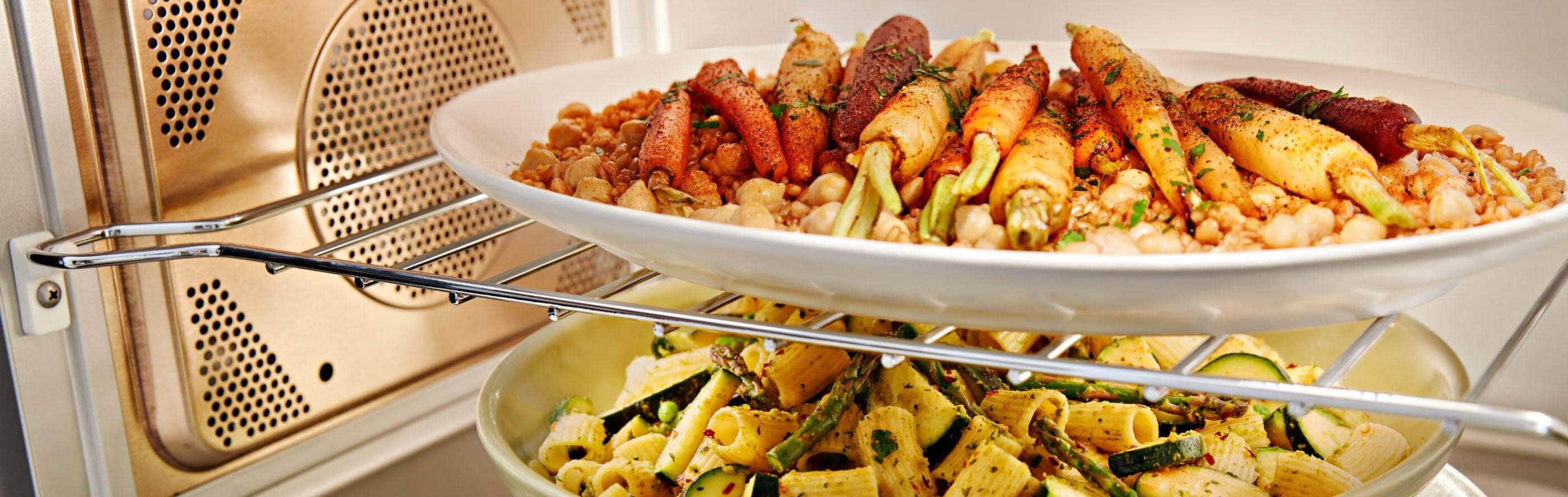
Understanding the basics of a convection oven microwave is essential for better cooking results. This appliance combines two cooking technologies in one. It saves time and space in the kitchen. Learning its key features helps you use it with confidence. Knowing how it differs from a regular microwave shows its true potential. The benefits in cooking can improve your meals significantly.
Key Features
- Combines microwave and convection oven functions
- Uses a fan to circulate hot air evenly
- Offers multiple cooking modes like baking, grilling, and roasting
- Has a temperature control for precise cooking
- Includes preset menus for easy use
Difference From Regular Microwaves
- Regular microwaves only heat food quickly using microwaves
- Convection oven microwaves cook food with hot air as well
- Regular microwaves do not brown or crisp food
- Convection microwaves can bake and roast, unlike regular ones
- Convection models usually have more cooking options and settings
Benefits In Cooking
- Faster cooking times than traditional ovens
- Even heat distribution for consistent results
- Ability to crisp and brown food for better texture
- Versatility to prepare a wide range of dishes
- Energy efficient compared to large ovens
Getting Started With Your Oven
Getting started with your convection oven microwave is simple and fun. This appliance combines microwave speed and oven-style cooking. It saves time and makes meals tasty. Before cooking, learn the basics to use it well. Follow easy steps to prepare your oven for the best results.
Setting Up Safely
Place the oven on a flat, stable surface. Keep it away from water and heat sources. Make sure there is space around the oven for air to flow. Do not block the vents. Check the power cord for damage before plugging in. Use a proper electrical outlet to avoid short circuits. Never use extension cords. Always read the user manual for safety rules. Keep children away from the oven while it works.
Essential Accessories
Use accessories made for convection ovens. Glass or ceramic dishes work well. Avoid plastic containers unless labeled microwave-safe. Use a metal rack if your oven includes one. This helps cook food evenly. Keep a heat-resistant glove nearby. It protects your hands from burns. Have a microwave-safe cover to stop splashes. Clean the accessories after each use. This keeps your oven working well.
Control Panel Functions
The control panel has buttons and a display. It controls cooking modes and time. Common buttons include:
- Microwave
- Convection
- Combination
- Timer
- Temperature settings
Press the mode you want to use. Set the cooking time with the timer. Adjust temperature if needed for baking or roasting. Start with simple presets if unsure. Watch the display for cooking progress. Stop or pause anytime using the control panel. Practice helps you feel confident using all functions.
Cooking Modes Explained
Understanding the different cooking modes of your convection oven microwave is key to getting the best results every time you cook. Each mode offers unique benefits and suits different types of food and cooking styles. Knowing when and how to use these modes helps you save time and improve the taste and texture of your dishes.
Microwave Mode
Microwave mode uses electromagnetic waves to heat food quickly from the inside out. It’s perfect for reheating leftovers, defrosting frozen items, or cooking simple meals fast.
This mode doesn’t brown or crisp food, so it’s best for dishes where you want moisture to stay locked in. Have you noticed how popcorn pops perfectly in microwave mode? That’s because it heats the kernels evenly without drying them out.
Convection Mode
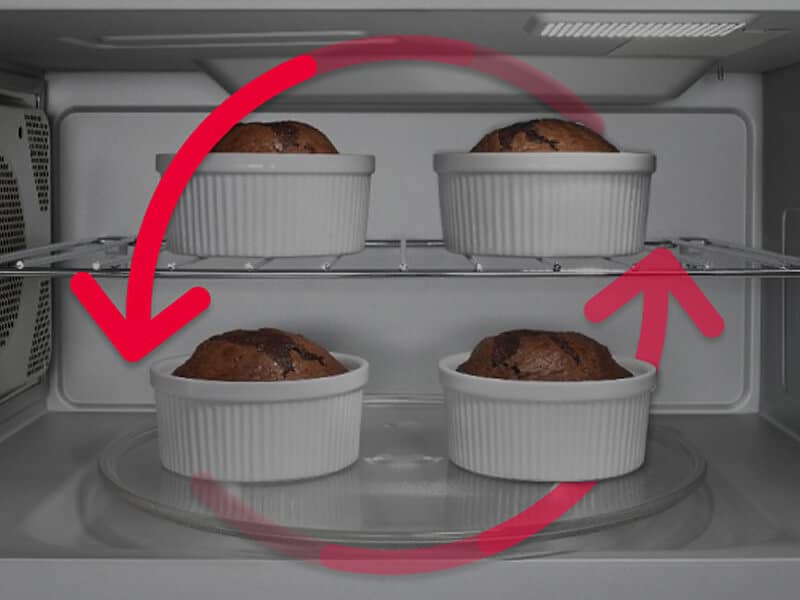
Convection mode uses a fan and a heating element to circulate hot air around the food. This creates even cooking and browning, similar to a traditional oven.
It’s great for baking, roasting, and crisping foods like chicken, pastries, or casseroles. If you want golden, crunchy textures, convection mode is your go-to. Ever tried baking cookies with convection? The edges turn out crisp while the center stays soft and chewy.
Combination Mode
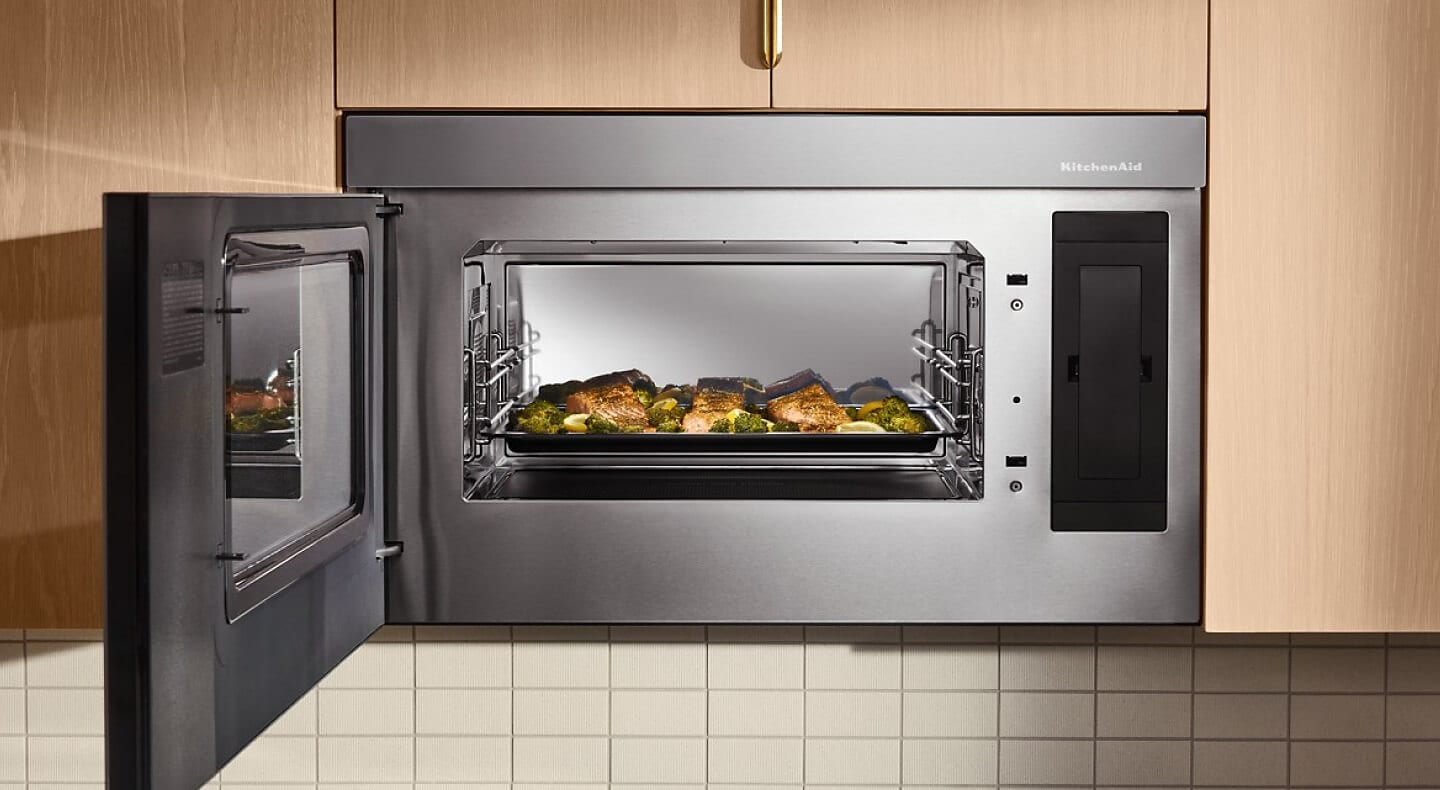
Combination mode blends microwave and convection cooking to speed up the process while achieving a crispy finish. It’s ideal for dishes that need thorough cooking and a nice crust, like pizza or roasted vegetables.
This mode saves you from switching between settings and helps maintain moisture inside the food while creating a golden exterior. What could be better than a quick-cooked meal that looks and tastes like it took hours to prepare?
Credit: www.whirlpool.com
Tips For Baking And Roasting
Baking and roasting in a convection oven microwave can elevate your cooking, but getting it right takes some practice. The key lies in understanding how temperature and time work differently compared to traditional ovens. With the right adjustments, you can enjoy perfectly cooked meals with crispy edges and tender interiors every time.
Choosing The Right Temperature
Convection ovens use a fan to circulate hot air, which cooks food faster and more evenly. This means you often need to lower the temperature compared to a regular oven. Try setting your convection microwave about 25°F (15°C) lower than the recipe suggests.
For example, if a cake calls for 350°F in a conventional oven, set your convection microwave to 325°F. This small change prevents overcooking and ensures your baked goods have a beautiful, even rise.
Adjusting Cooking Times
Cooking times usually shorten in a convection oven microwave. Start by reducing the cooking time by about 20%. Keep an eye on your food as it cooks to avoid drying out or burning.
It’s a good idea to check your dish a few minutes before the minimum cooking time ends. This simple habit helped me avoid overcooked casseroles and dry chicken breasts. Over time, you’ll learn the perfect timing for your favorite recipes.
Best Foods To Bake Or Roast
Certain foods respond better to convection microwave baking and roasting. Roasts, whole chickens, vegetables, and baked goods like cookies and pies turn out excellent. The fan circulation crisps the outside while keeping the inside juicy.
On the other hand, delicate items like soufflés or sponge cakes may not rise as well. Think about what you want to cook—does it benefit from fast, even heat? Experiment with different dishes to see which ones your convection microwave handles best.
Microwaving With Convection Benefits
Microwaving with a convection oven microwave combines two cooking methods for better results. It heats food quickly using microwaves and crisps it using convection heat. This blend saves time and enhances food quality.
Using convection with microwaving lets you cook dishes faster and more evenly. It also improves texture, making food crispy outside and tender inside. Avoiding common mistakes ensures success every time.
Faster Cooking Techniques
Convection microwaves speed up cooking by mixing microwave and hot air. The microwave heats food internally while the convection fan cooks the outside. This reduces overall cooking time compared to traditional ovens.
Cooking times cut by up to 30%. You can prepare meals quickly without losing quality. Preheating is shorter or sometimes unnecessary, saving extra minutes.
Improving Texture And Flavor
Convection heat crisps food, creating a crunchy texture. Microwaves alone can make food soggy or soft. The convection fan circulates hot air, giving a golden-brown finish.
Flavors stay fresh and intense because the food cooks evenly. Roasts, baked goods, and fried foods benefit most from this method.
Avoiding Common Mistakes
- Do not use metal containers; they cause sparks in microwaves.
- Avoid overcrowding the oven to allow proper air circulation.
- Use microwave-safe and convection-friendly dishes to ensure safety.
- Set the right mode for your recipe—microwave, convection, or combination.
- Check food frequently to prevent overcooking or burning.
Credit: www.kitchenaid.com
Cleaning And Maintenance
Keeping your convection oven microwave clean is essential for its performance and longevity. Dirt and food residue can affect cooking results and may cause unpleasant odors. Regular cleaning keeps the oven hygienic and working well.
Routine Cleaning Steps
- Unplug the oven before cleaning to ensure safety.
- Wipe the interior with a damp cloth after each use.
- Use mild soap and warm water for tougher spots.
- Clean the glass door gently to avoid scratches.
- Remove and wash the turntable and racks regularly.
- Dry all parts completely before reassembling.
- Clean the exterior with a soft, damp cloth.
Handling Odors And Stains
Neutralize odors by placing a bowl of water with lemon slices inside. Run the oven on a low heat for 5-10 minutes. Wipe down the interior afterward to remove loosened grime.
For stubborn stains, create a paste using baking soda and water. Apply it to the stain and let it sit for 15 minutes. Scrub gently with a soft sponge, then rinse with a damp cloth.
When To Call For Repairs
- The oven does not heat properly or uneven cooking occurs.
- Strange noises or sparks appear during operation.
- Buttons or controls stop responding.
- Visible damage to the door seal or interior parts.
- Persistent odors or smoke despite cleaning efforts.
Contact a professional technician if you notice any of these issues. Regular maintenance can prevent costly repairs.
Frequently Asked Questions
What Is A Convection Oven Microwave?
A convection oven microwave combines microwave heating with convection cooking. It offers faster cooking and browning. It’s ideal for baking, roasting, and reheating food evenly.
How Do I Use A Convection Oven Microwave?
Set the appliance to convection mode. Preheat if needed. Place food inside on the rack. Adjust time and temperature based on recipe instructions. Monitor cooking progress for best results.
Can I Bake In A Convection Microwave?
Yes, convection microwaves can bake cakes, cookies, and bread. They provide even heat distribution for consistent baking. Use appropriate bakeware and follow recipe temperature guidelines.
How Does Convection Cooking Differ From Microwave Heating?
Microwave heating uses electromagnetic waves to heat food quickly. Convection cooking circulates hot air around food for browning and crisping. Combining both offers versatile cooking options.
Conclusion
Using a convection oven microwave saves time and cooks food evenly. It combines the best of two appliances in one. Remember to set the right mode and temperature for each dish. Clean the oven regularly to keep it working well.
Experiment with different recipes to find what you like. This device makes cooking easier and faster every day. Try it often and enjoy tasty meals with less effort. Simple steps lead to great results in your kitchen.