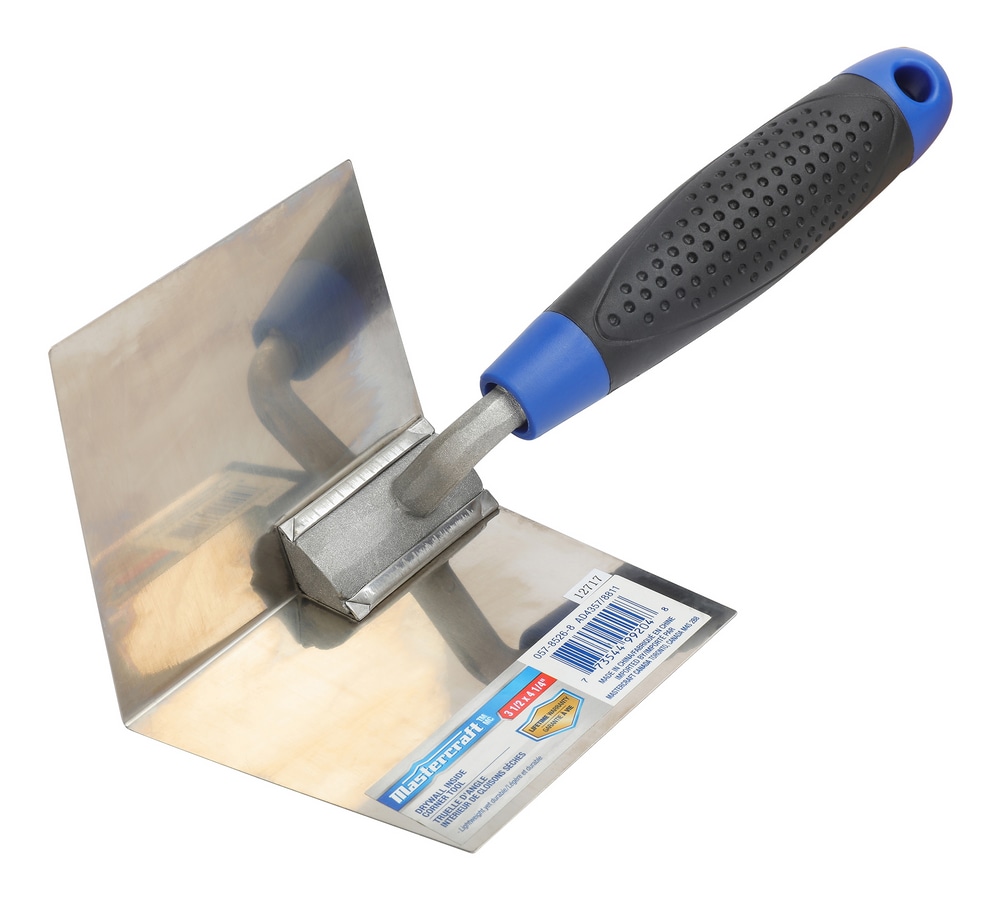
If you’ve ever struggled to get perfect corners while plastering or drywalling, you’re not alone. Using a corner trowel can make this task much easier, but only if you know the right technique.
Imagine finishing your walls with sharp, clean edges that look professional every time. You’ll discover simple, step-by-step tips to master your corner trowel and transform your DIY projects. Ready to save time and achieve flawless corners? Let’s dive in.
Choosing The Right Corner Trowel
Using the right corner trowel helps you finish corners neatly. It makes your plaster or drywall work easier and cleaner.
Choosing a corner trowel depends on the type, size, and material. These factors affect how well the tool fits your job.
Types Of Corner Trowels
There are different types of corner trowels for specific tasks. Pick one based on the shape and angle you need to finish.
- Inside Corner Trowel:Made for smoothing inner corners at 90 degrees.
- Outside Corner Trowel:Used for shaping outer corners with a sharp edge.
- Adjustable Corner Trowel:Can change angles to fit different corner sizes.
- Corner Finishing Trowel:Designed for fine finishing and detail work on corners.
Material And Size Considerations
Corner trowels come in various materials and sizes. Choosing the right one affects durability and ease of use.
| Material | Advantages | Disadvantages |
| Stainless Steel | Rust-resistant, durable, smooth finish | Can be heavier and more expensive |
| Plastic | Lightweight, affordable, easy to handle | Less durable, may bend or break |
| Aluminum | Lightweight, rust-resistant, affordable | Less strong than steel, can dent |
- Size:Small trowels fit tight corners; large ones cover more area quickly.
- Handle:Choose a handle that feels comfortable and gives good control.

Credit: www.amazon.ca
Preparing The Surface
Preparing the surface is important before using a corner trowel. It helps the material stick better and creates smooth corners.
Good preparation makes the job easier and results look cleaner. Focus on cleaning, smoothing, and priming the walls first.
Cleaning And Smoothing Walls
Start by removing dust, dirt, and loose paint from the walls. A clean surface helps the material stick well.
Use sandpaper or a sanding block to smooth rough areas. Fix cracks and holes with filler and let it dry before troweling.
- Wipe the walls with a damp cloth to remove dust
- Sand rough spots until smooth
- Fill any holes or cracks with patching compound
- Allow filler to dry completely
Priming For Better Adhesion
Priming the surface improves adhesion of the plaster or drywall compound. It seals porous walls and prevents peeling.
Use a suitable primer for your wall type. Apply with a brush or roller and wait until it dries fully before applying material with the corner trowel.
- Choose primer for drywall, plaster, or masonry
- Apply a thin, even coat
- Let the primer dry as per instructions
- Check for any rough patches after drying
Applying The Compound
Using a corner trowel can make your wall corners smooth and clean. It helps spread the compound evenly in tight spots.
Follow these steps to apply the compound properly with a corner trowel. This will ensure a neat finish on your walls.
Mixing Techniques
Mixing the compound well is crucial for a smooth application. It should be free of lumps and have a creamy texture.
| Technique | Description |
| Manual Mixing | Use a paddle and bucket for small batches. |
| Power Mixer | Ideal for large amounts, faster and smoother. |
| Consistency Check | Compound should not drip from the trowel. |
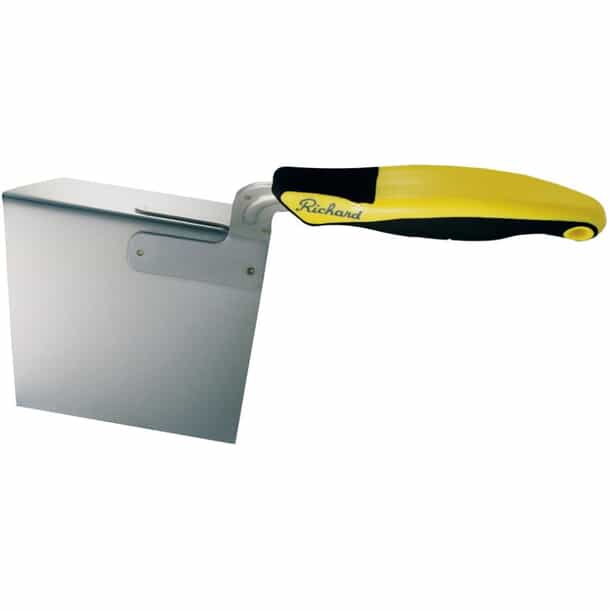
Loading The Trowel Properly
Loading the trowel with the right amount of compound is important. Too much can cause a mess, while too little is inefficient.
- Hold the trowel at a slight angle.
- Scoop compound with the edge of the trowel.
- Ensure an even layer on both sides of the trowel.
- Do not overload; it may drop off during application.
Credit: www.homehardware.ca
Mastering The Trowel Technique
Using a corner trowel helps create clean and sharp edges on plaster or drywall corners. It takes some practice to handle the tool correctly.
Focus on how you hold and move the trowel. This guide shows key tips to improve your trowel technique.
Positioning The Trowel
Hold the corner trowel so the blade fits snugly into the corner. The tool should touch both sides evenly.
Keep the handle steady and angle the trowel slightly to follow the corner shape.
- Place the trowel blade inside the corner
- Make sure both sides of the blade touch the walls
- Keep the handle at a comfortable angle
Applying Even Pressure
Press the trowel evenly against the corner. Too much pressure can cause uneven edges or damage the surface.
Use firm but gentle pressure as you move the trowel along the corner to spread the material smoothly.
- Apply steady pressure on both sides of the blade
- Do not press too hard to avoid marks
- Keep pressure consistent while moving
Smoothing The Corners
After spreading material, glide the trowel slowly to smooth the corner. This step gives a clean finish.
Make multiple light passes if needed. Check for bumps or rough spots and smooth them out carefully.
- Move the trowel slowly along the corner
- Use light strokes to smooth the surface
- Repeat passes until the corner is even
Common Mistakes To Avoid
Using a corner trowel can make your drywall corners smooth and strong. Many people make simple errors that cause rough or uneven edges. Avoiding these mistakes will help your project look better.
This guide covers common mistakes like uneven application, overloading the trowel, and ignoring drying times. Learn what to watch out for to get clean, sharp corners.
Uneven Application
Applying compound unevenly is a common issue. It causes bumps and weak spots in corners. Make sure to spread the compound smoothly and with consistent pressure. Use the corner trowel to shape the compound evenly on both sides.
Overloading The Trowel
Putting too much compound on the trowel leads to mess and waste. It can drip or fall off, making cleanup harder. You also lose control over the finish. Use only a small amount of compound at a time.
- Load a thin layer of compound on the blade.
- Apply compound in multiple passes if needed.
- Wipe excess compound off the trowel before applying.
- Check the corner after each pass for smoothness.
Ignoring Drying Times
| Drying Stage | Why It Matters | Common Error |
|---|---|---|
| Initial Dry | Compound sets and hardens | Applying next coat too soon |
| Fully Dry | Ready for sanding and finishing | Rushing sanding before full dry |
| Between Coats | Ensures strong bond between layers | Skipping wait time causes cracks |

Credit: www.alstapingtools.com
Finishing Touches
Using a corner trowel well does not end when the plaster or mortar is applied. Finishing touches make the corner neat and strong. This step ensures the surface looks good and lasts longer.
Two important parts of finishing touches are sanding and cleaning. These help prepare the surface and tools for the next job or use.
Sanding For A Smooth Finish
Sanding smooths out rough spots after the corner trowel work dries. It helps remove bumps and sharp edges. Use fine-grit sandpaper for the best results.
- Wait until the plaster or mortar is fully dry.
- Use a sanding block or sponge with fine grit.
- Sand gently along the corner edges.
- Check often to avoid sanding too much.
- Wipe away dust with a clean cloth.
Cleaning And Maintaining Tools
Clean your corner trowel and other tools right after use. Proper cleaning keeps them sharp and ready for the next job. This also stops rust and damage.
| Tool | Cleaning Method | Maintenance Tip |
| Corner Trowel | Rinse with water and wipe dry | Store in a dry place |
| Sanding Block | Brush off dust after use | Replace sandpaper when worn |
| Cloth | Wash if dirty | Keep clean and dry |
Frequently Asked Questions
What Is A Corner Trowel Used For?
A corner trowel shapes and smooths inside corners in drywall or plaster. It ensures clean, sharp edges for a professional finish. This tool helps apply joint compound evenly in corners, saving time and effort during wall finishing.
How Do You Hold A Corner Trowel Correctly?
Hold the corner trowel with a firm grip on the handle. Position the blade at the corner angle you want to finish. Apply gentle pressure to smooth the compound evenly without gouging or uneven spreading.
Can Beginners Use A Corner Trowel Easily?
Yes, beginners can use a corner trowel with practice. Start with small amounts of compound and work slowly. The tool’s design helps guide smooth application, making it easier to master inside corners.
How To Clean A Corner Trowel After Use?
Rinse the trowel immediately after use with warm water. Use a brush to remove dried compound from the blade. Proper cleaning prevents build-up and extends the tool’s life.
Conclusion
Using a corner trowel helps create clean, sharp corners. Practice makes your work look smooth and professional. Take your time and follow the steps carefully. This tool saves effort and improves your finishing. Soon, you will feel more confident handling it.
Keep your trowel clean for the best results. Enjoy the process and watch your walls transform. Simple tools can make a big difference in your projects.