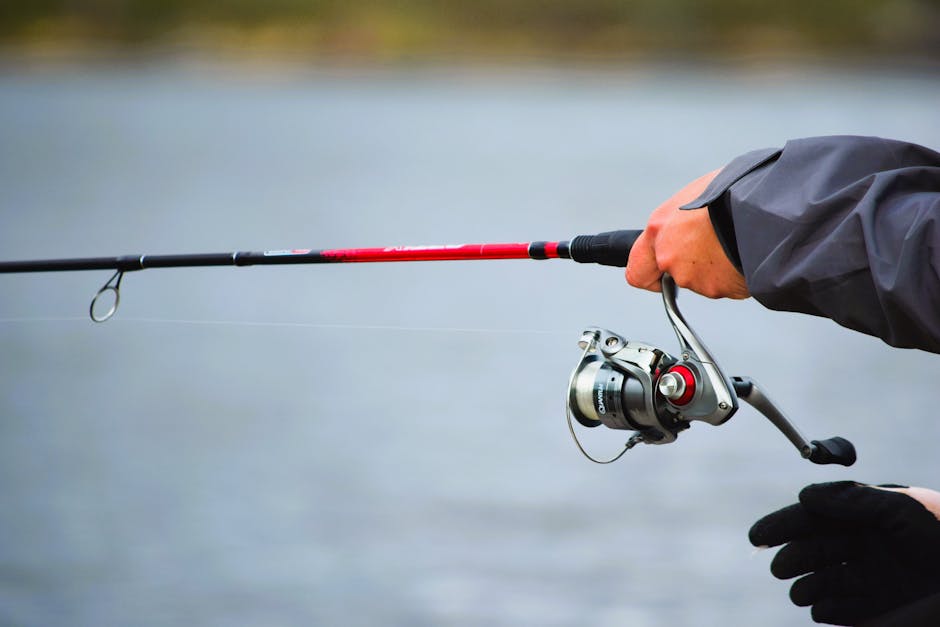
Have you ever wondered how to use a fish rod to catch your own fresh fish? Whether you’re a complete beginner or just want to improve your skills, knowing the right way to handle your fishing rod can make all the difference.
In this guide, you’ll discover simple steps that will help you cast with confidence, attract more fish, and enjoy your time by the water. Keep reading, and soon you’ll be ready to reel in your next big catch!
Choosing The Right Rod
Fishing works best with the right rod. Picking a good rod helps you catch fish easier and enjoy the time outdoors.
Many rods exist for different fish and fishing styles. Learn what fits your needs before buying.
Types Of Fish Rods
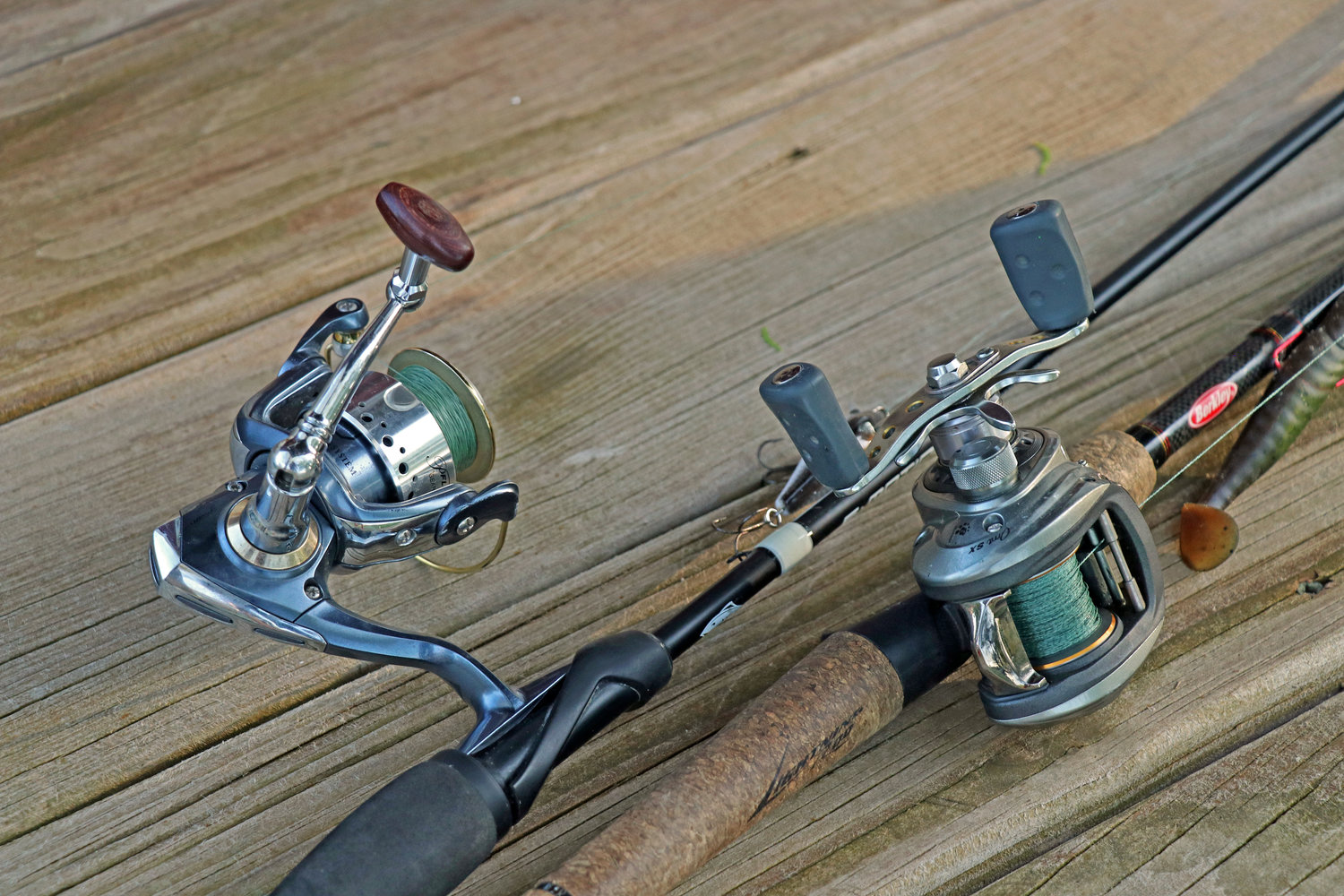
Fishing rods come in several types. Each type suits a kind of fishing and fish size.
- Spinning rods: Good for beginners and light bait.
- Baitcasting rods: Used for heavy bait and big fish.
- Fly rods: Made for fly fishing with light lures.
- Trolling rods: Used when fishing from a moving boat.
Matching Rods To Fish Species
Different fish need different rods. Match rod power and length to the fish type.
| Fish Species | Rod Power | Rod Length |
| Trout | Light | 6 to 7 feet |
| Bass | Medium | 6 to 7 feet |
| Salmon | Medium-Heavy | 7 to 9 feet |
| Catfish | Heavy | 7 to 8 feet |
Material And Length Considerations
Rod material changes its weight and strength. Graphite rods are light and stiff. Fiberglass rods are tough and flexible.
Length matters for casting distance and control:
- Short rods (under 6 feet) give better control close to shore.
- Medium rods (6 to 7 feet) work well for general fishing.
- Long rods (over 7 feet) help cast far in open water.
Setting Up Your Rod
Learning how to use a fish rod is easy. Setting it up right is the first step. Follow these steps to get started.
Once you know how to set up your rod, fishing becomes fun. You will be ready to catch fish in no time.
Attaching The Reel
First, attach the reel to the rod. This is important for balance and control. Make sure it fits snugly.
Align the reel foot with the reel seat on the rod. Tighten the reel seat until the reel is secure. Check it is not loose.
Threading The Line
Next, thread the line through the rod guides. Start from the bottom and work up to the tip. This keeps the line straight.
Make sure the line is smooth and has no knots. A smooth line helps in casting and catching fish.
Selecting The Right Bait And Lures
Choose bait or lures based on the fish you want to catch. Different fish like different baits.
For beginners, worms or small fish are good choices. Lures work well for more active fish.
- Worms for freshwater fish
- Lures for fast-moving fish
- Bread for small pond fish
Mastering Casting Techniques
Using a fish rod well starts with good casting skills. Casting puts the bait where the fish are.
Learning simple steps helps you cast farther and more accurately. This guide explains key casting techniques.
Basic Casting Steps
Hold the rod firmly but not too tight. Keep your wrist straight and point the rod tip behind you.
Bring the rod forward in a smooth motion. Release the line at the right moment to send the bait out.
- Check your surroundings before casting
- Pull the line out slightly to avoid tangles
- Use a smooth, controlled motion
- Release the line when the rod points forward
- Follow through with your rod after release
Overhead Vs Sidearm Casting
Overhead casting sends the bait straight and far. It works well in open spaces with no obstacles.
Sidearm casting is a lower, horizontal throw. It helps when you need to cast under branches or near cover.
- Overhead casting:Better distance and height
- Sidearm casting:More control and accuracy in tight spots
- Choose casting style based on your fishing spot
Common Casting Mistakes
Many beginners cast too hard or too fast. This causes the line to tangle or the bait to land poorly.
Another mistake is releasing the line too early or too late. Timing is key for a smooth cast.
- Holding the rod too tightly
- Using jerky, fast movements
- Not watching the rod tip during cast
- Releasing the line at the wrong time
- Ignoring wind and obstacles around you

Credit: fishingbooker.com
Improving Accuracy And Distance
Using a fish rod well needs good accuracy and distance. Accurate casts put the bait where fish are. Long casts reach farther spots.
Practice and simple techniques help improve your fishing. This guide covers three key areas for better casting.
Adjusting Your Grip
Your grip controls the rod’s movement and power. Hold the rod firmly but not too tight. A relaxed grip helps smooth casting.
- Place your thumb on top of the rod handle.
- Wrap your fingers around the handle comfortably.
- Keep your wrist firm but flexible.
- Use your index finger for extra control during release.
Timing And Release Tips
Good timing helps your cast fly farther and straighter. Release the line at the right moment to avoid slack or drag.
| Timing Step | What to Do |
| Back Cast | Pull the rod smoothly backward, reaching full extension. |
| Forward Cast | Move the rod forward swiftly and stop sharply. |
| Release | Let go of the line when the rod tip points toward the target. |
| Follow Through | Keep the rod moving forward after release for accuracy. |
Using Wind To Your Advantage
Wind can help or hurt your cast. Learn to read wind direction and adjust your cast angle.
Try these tips when casting with wind:
- Cast into the wind to reduce line drag and increase distance.
- Aim slightly to the side if the wind is strong across your path.
- Use lighter lures in strong wind for better control.
Maintaining Your Fish Rod
Keeping your fish rod in good shape helps it last longer. Regular care makes fishing easier and more fun.
Learn simple ways to clean, check, and fix your rod. This keeps it strong and ready for your next trip.
Cleaning And Storage
After each use, clean your fish rod to remove dirt and salt. Use fresh water and a soft cloth to wipe it down.
- Rinse the rod gently with fresh water
- Dry it completely with a soft towel
- Store the rod in a cool, dry place
- Use a rod case to protect it from dust and damage
Inspecting For Damage
Check your rod for cracks, loose guides, or worn parts before each trip. Early detection stops small problems from growing.
| Part | What to Check | Signs of Damage |
| Rod Blank | Look for cracks or bends | Visible cracks or warping |
| Guides | Check if rings are smooth and secure | Rust, cracks, or loose guides |
| Reel Seat | Ensure it holds reel tightly | Wobbly or loose fit |
| Handle | Look for wear or tears | Cracks or soft spots |
Replacing Parts When Needed
Replace parts that show damage or wear. This keeps your rod working well and safe to use.
- Change worn or broken guides to avoid line damage
- Replace the handle grip if it feels loose or damaged
- Fix or replace the reel seat for a secure hold
- Use the right tools or ask a professional for help
Credit: www.texaskayakfisher.com
Safety Tips For Fishing
Fishing is a fun and relaxing activity. Staying safe helps you enjoy it more. Follow simple safety rules to avoid accidents.
Using a fish rod carefully protects you and others. Always be aware of your surroundings and the tools you use.
Handling Hooks And Lines
Hooks are sharp and can cause injuries. Always handle them with care and keep them away from children. Check your fishing line for knots and damages before use.
- Use pliers to remove hooks safely
- Keep extra hooks in a closed container
- Do not leave hooks on the ground
- Inspect lines for wear or frays
- Replace damaged fishing lines immediately
Protecting Yourself Outdoors
Protect your skin by wearing sunscreen and a hat. Bring enough water to stay hydrated. Dress in clothes that protect you from insects and sunburn.
- Wear a life jacket near deep water
- Use insect repellent to avoid bites
- Wear sunglasses to protect your eyes
- Check weather conditions before fishing
- Tell someone your fishing location and time
Respecting Wildlife And Environment
Respect the fish and animals around you. Follow local fishing rules and limits. Avoid leaving trash or fishing gear behind.
- Release fish gently if not keeping them
- Do not disturb nests or animal habitats
- Pick up all litter and fishing line
- Use non-toxic bait and tackle when possible
- Stay on marked paths to protect plants

Credit: fishingbooker.com
Frequently Asked Questions
What Are The Basic Parts Of A Fish Rod?
A fish rod consists of the handle, reel seat, guides, blank, and tip. Each part plays a key role in casting and reeling. Understanding these components helps improve fishing technique and rod maintenance.
How Do I Choose The Right Fish Rod?
Choose a rod based on fish species, fishing style, and water type. Consider rod length, power, and action for optimal performance. Matching your rod to your fishing needs enhances success and enjoyment.
How To Properly Cast With A Fish Rod?
Hold the rod firmly and release the line smoothly during the cast. Use a controlled wrist motion and avoid jerking to prevent tangles. Practice improves accuracy and distance in casting.
How To Maintain And Care For A Fish Rod?
Clean your rod with fresh water after use, especially in saltwater. Store it in a dry place away from direct sunlight. Regular inspection and cleaning extend your rod’s lifespan and performance.
Conclusion
Using a fish rod can bring hours of fun and relaxation. Practice casting and reeling to improve your skills. Choose the right rod for the fish you want to catch. Always keep safety in mind near water. Enjoy nature, patience, and the thrill of fishing.
Small steps lead to better fishing experiences. Keep learning and trying new techniques. Fishing can be a great way to connect with friends or enjoy quiet time alone. Give it a try, and enjoy every moment by the water.