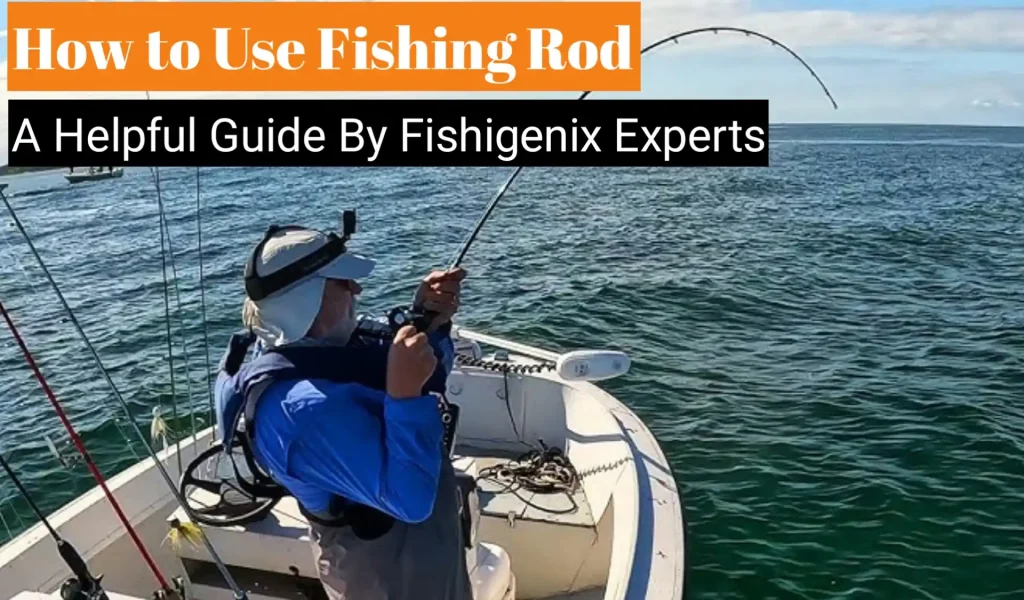
Are you ready to catch your first big fish or improve your fishing skills? Knowing how to use a fishing rod correctly can make all the difference between a frustrating day and an exciting, successful outing.
Whether you’re a complete beginner or just need a quick refresher, this guide will walk you through every step. By the end, you’ll feel confident handling your rod, casting with ease, and landing that trophy catch. Keep reading, and let’s get your fishing adventure started!
Choosing The Right Rod
Fishing is more fun with the right rod. The perfect rod makes fishing easier and more enjoyable.
Choosing a fishing rod depends on many factors. You need to consider types, fish, material, and length.
Types Of Fishing Rods
There are different types of fishing rods. Each type is made for a specific fishing style.
- Spinning rods are good for beginners.
- Casting rods are for more control.
- Fly rods are used in fly fishing.
- Telescopic rods are easy to carry.
Matching Rod To Fish Type
Not all rods work for every fish. Match the rod to the fish you want to catch.
- Light rods are for small fish like trout.
- Medium rods catch fish like bass.
- Heavy rods are for big fish like salmon.
Material And Length Considerations
Rod material and length affect your fishing. Choose wisely for comfort and performance.
Materials like fiberglass and graphite are common. Fiberglass is strong, while graphite is light.
- Short rods are good in tight spaces.
- Long rods cast farther.

Credit: fishingbooker.com
Setting Up Your Rod
Using a fishing rod starts with setting it up correctly. This ensures a smooth fishing experience.
Setting up involves attaching the reel, spooling the line, and choosing the right tackle.
Attaching The Reel
First, attach your reel to the rod. Align the reel foot with the reel seat on the rod handle.
Secure the reel by tightening the reel seat until the reel is firmly in place. Avoid over-tightening.
Spooling The Line
Spooling means winding the fishing line onto the reel. Start by threading the line through the rod guides.
Attach the line to the reel spool and turn the handle slowly. Keep the line tight as you spool.
- Use the right line for your fishing type
- Fill the spool but leave some space at the top
- Check for twists or tangles during spooling
Selecting The Proper Tackle
Choose tackle based on the fish you want to catch and the water conditions. Tackle includes hooks, baits, and weights.
Match your tackle size and type to your rod and line strength for best results.
- Light tackle for small fish and calm water
- Heavy tackle for big fish and rough water
- Use appropriate bait to attract your target fish
Casting Techniques
Casting is an important skill for using a fishing rod. Good casting puts the bait where the fish are.
Learning different casting styles helps you fish in many situations. Practice makes your casts smooth and accurate.
Basic Casting Steps
Hold the rod with your dominant hand. Keep your elbow bent and the rod tip pointing back.
Open the reel’s bail to let the line move freely. Pull the line with your finger to control it.
- Bring the rod tip behind you
- Smoothly swing the rod forward
- Release the line at the right moment
- Close the bail to stop the line
- Reel in any slack line
Overhead Cast Method
The overhead cast is the most common type of cast. It works well for open water and long distances.
Lift the rod high behind you. Use your wrist and arm to swing the rod forward in one smooth motion.
- Keep your eyes on the target
- Release the line when the rod points forward
- Follow through with the rod tip after release
- Practice to time the release correctly
Sidearm Casting Tips
Sidearm casting is good for low or tight spots. It helps avoid overhead obstacles like trees.
Hold the rod at waist height. Swing the rod sideways toward your target and release the line smoothly.
- Keep your arm steady and close to your body
- Use a quick wrist flick to add speed
- Practice to control the direction and distance
- Use this cast in windy or narrow areas

Credit: fishgenix.com
Improving Accuracy And Distance
Using a fishing rod well helps you catch more fish. Accuracy and distance are key skills. They make your cast better and reach the right spot.
Small changes in how you hold and move the rod can improve your fishing. Focus on grip, rod tip control, and release timing.
Adjusting Your Grip
A correct grip gives you control and power. Hold the rod firmly but not too tight. Your fingers should wrap around the handle comfortably.
- Place your dominant hand near the reel seat.
- Use your thumb on top of the rod handle for better control.
- Keep your other hand supporting the rod below the reel.
- Relax your grip to avoid arm fatigue during long fishing sessions.
Controlling The Rod Tip
The rod tip controls the line’s direction and speed. Small movements of the tip help guide the lure where you want it to go. Keep the tip steady at first, then move it smoothly during your cast.
| Rod Tip Movement | Effect on Cast |
| Steady | Straight and accurate line |
| Quick flick | More distance but less control |
| Smooth motion | Balanced distance and accuracy |
Timing The Release
Timing the release is key to casting far and true. Let go of the line at the right moment when the rod swings forward. Release too early or late, and your cast will be short or off target.
- Start your cast with a smooth back swing.
- Bring the rod forward in a steady motion.
- Release the line as the rod reaches a 45-degree angle forward.
- Follow through with your arm to guide the cast.
Handling Common Casting Challenges
Using a fishing rod can be tricky at times. Some challenges come up often. Learning how to handle them helps you enjoy fishing more.
This guide covers how to avoid tangles and snags, deal with wind, and cast in tight spaces.
Avoiding Tangles And Snags
Tangles and snags slow down your fishing and can damage your line. Keeping the line smooth and free of knots is important.
- Check the line for twists before casting.
- Use the right reel tension to avoid loose loops.
- Cast smoothly without jerking the rod.
- Keep the line away from bushes and rocks.
- Untangle small knots as soon as you see them.
Dealing With Wind
Wind can push your line off course and cause tangles. It also reduces casting distance and accuracy. Adjusting your technique helps you fish better in windy conditions.
| Wind Condition | Tip |
| Light Wind | Use a lighter lure for better control |
| Moderate Wind | Cast at a lower angle to reduce wind effect |
| Strong Wind | Use heavier lures and shorter casts |
Casting In Tight Spaces
Fishing near trees or rocks needs careful casting. Limited space means you must control your rod and line well.
Try these tips for tight spaces:
- Use a sidearm cast to keep the line low.
- Keep your rod tip close to your body.
- Practice short, controlled casts.
- Watch for obstacles before casting.

Credit: mysterytacklebox.com
Maintaining Your Fishing Rod
Keeping your fishing rod in good shape helps it last longer. Regular care makes sure it works well each time you fish.
Simple maintenance tasks can stop problems before they start. This guide covers cleaning, storage, checking for damage, and replacing parts.
Cleaning And Storage
Clean your rod after every use to remove dirt and salt. Use fresh water and a soft cloth. Dry it fully before storing.
- Rinse the rod with fresh water
- Wipe down with a soft cloth
- Check guides for dirt or rust
- Store in a cool, dry place
- Keep the rod in a protective case
Inspecting For Damage
Look over your rod often to find cracks or broken parts. Small damage can get worse if not fixed early.
| Part | What to Check | Signs of Damage |
| Rod blank | Surface and joints | Cracks, deep scratches |
| Guides | Rings and frames | Rust, missing rings |
| Handle | Grip and reel seat | Loose parts, tears |
Replacing Line And Guides
Change the fishing line regularly to avoid breaks. Replace damaged guides to keep the line smooth and safe.
- Cut old line from the reel
- Attach new line to the reel spool
- Thread the line through all guides
- Secure the line to the rod tip
- Replace guides by unscrewing or cutting old ones
- Install new guides firmly in place
Frequently Asked Questions
How Do I Choose The Right Fishing Rod?
Choose a rod based on your fishing style, target fish, and water type. Consider rod length, power, and action for best results. Match the rod with appropriate reel and line for balanced performance.
What Is The Basic Technique For Casting A Fishing Rod?
Hold the rod firmly, release the line smoothly, and flick the rod tip forward. Aim for a controlled, accurate cast. Practice timing and wrist movement to improve distance and precision.
How Do I Properly Set Up A Fishing Rod?
Attach the reel securely, thread the line through guides, and tie the hook or lure. Check all knots are tight and the drag system is adjusted. Proper setup ensures smooth casting and effective fishing.
When Should I Use A Spinning Rod Versus A Baitcasting Rod?
Use a spinning rod for light lures and beginners due to ease of use. Choose baitcasting rods for heavier lures and more control when experienced. Match rod type to fishing conditions for optimal performance.
Conclusion
Using a fishing rod can bring great joy and relaxation. Practice casting often to improve your skill. Choose the right bait and rod for your fish. Stay patient and enjoy the peaceful moments by the water. Fishing teaches calmness and focus.
Every trip helps you learn something new. Keep your gear clean and ready for next time. Fishing can become a fun hobby for all ages. Try different spots to find where fish like to hide. Enjoy the simple pleasure of catching fish with your own hands.