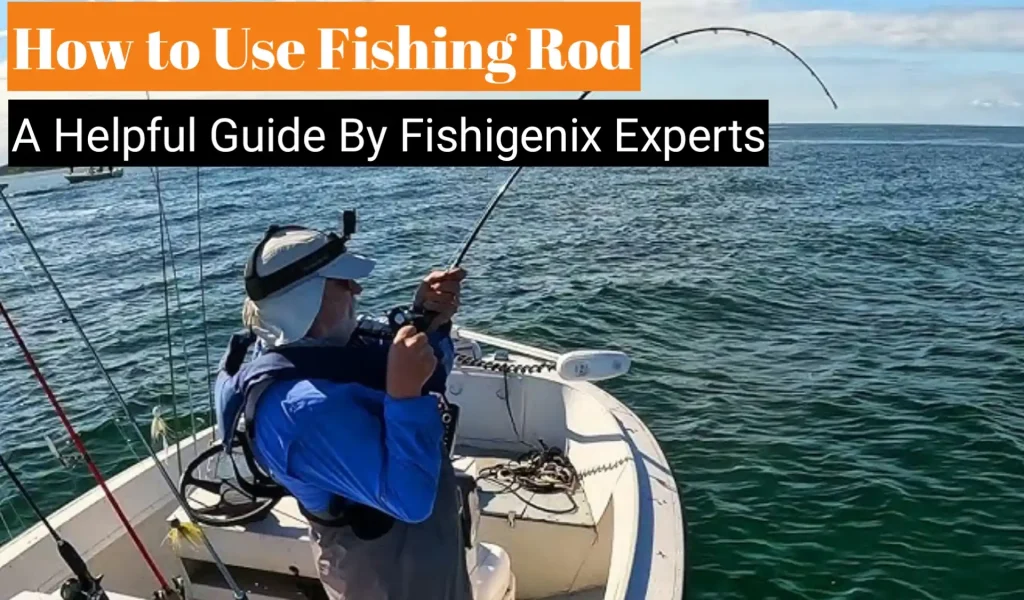
Are you ready to enjoy the thrill of fishing but not sure how to use a fishing rod? You’re in the right place.
Learning the basics of handling a fishing rod can make your time on the water more fun and successful. Imagine the satisfaction of feeling that first tug on your line and knowing exactly what to do next. In this guide, you’ll discover simple steps to cast, reel, and catch like a pro.
Keep reading, and soon you’ll be confident in your fishing skills, turning every outing into a great experience.
Choosing The Right Rod
Using the right fishing rod helps you catch fish easier. A good rod matches your fishing style and the fish you want to catch.
Many rods are available, so choosing one can be confusing. Learn about types, fish species, and materials to pick the best rod.
Types Of Fishing Rods
There are several types of fishing rods. Each type works best for certain fishing methods and water conditions.
- Spinning Rods: Easy to use and good for beginners.
- Baitcasting Rods: Offer more control and accuracy.
- Fly Rods: Made for fly fishing with light lures.
- Trolling Rods: Designed for fishing from a moving boat.
- Ice Fishing Rods: Short and strong for fishing through ice.
Matching Rod To Fish Species
Different fish need different rods. Bigger fish need stronger rods. Smaller fish need lighter rods.
Match rod power and length to fish size. Use light rods for small fish like trout. Use heavy rods for big fish like catfish.
- Light Rods: For small fish and light lures.
- Medium Rods: Good for medium-sized fish.
- Heavy Rods: Best for large, strong fish.
Rod Materials And Durability
Fishing rods are made from different materials. The material affects weight, strength, and how the rod feels.
Common materials include fiberglass, graphite, and composite blends. Fiberglass rods are strong but heavy. Graphite rods are light and sensitive.
- Fiberglass: Durable and flexible, good for beginners.
- Graphite: Lightweight and sensitive, good for experienced fishers.
- Composite: Mix of fiberglass and graphite, balances strength and weight.

Credit: fishgenix.com
Essential Fishing Gear
Using a fishing rod needs the right gear to catch fish well. Good gear makes fishing easier and more fun.
This guide explains the key gear pieces you need. It covers reels, fishing lines, hooks, and extra tools.
Selecting The Proper Reel
The reel holds the fishing line and helps you cast and catch fish. Choose a reel that fits your rod and fishing style.
There are three main types: spinning, baitcasting, and spincast reels. Each works best for different fishing needs.
- Spinning reelsare easy to use and good for beginners.
- Baitcasting reelsoffer control for heavier lines and bigger fish.
- Spincast reelsare simple and low maintenance.
Choosing Fishing Line And Hooks
Pick a fishing line strong enough for the fish you want. Lines come in different materials and strengths.
Hooks vary in size and shape. Use smaller hooks for small fish and larger hooks for big fish.
- Monofilament lineis flexible and good for beginners.
- Fluorocarbon lineis less visible underwater.
- Braided lineis very strong and thin.
- Use hooks that fit the bait size and fish type.
Must-have Accessories
Besides rod, reel, line, and hooks, carry extra tools. These help with bait, safety, and fish care.
- Extra fishing line and hooks
- Bobbers to see when fish bite
- Sinkers to help the bait sink
- Pliers for hook removal
- Fishing license if needed
- Tackle box to keep gear organized
- First aid kit for minor injuries
Setting Up Your Rod
Setting up your fishing rod correctly helps you enjoy fishing more. It makes casting and catching easier.
This guide shows how to set up your rod step by step. You will learn to assemble, attach line, and adjust drag.
Assembling The Rod And Reel
Start by connecting the rod pieces together. Make sure each section fits tightly without forcing.
Next, attach the reel to the rod’s reel seat. Turn the locking ring to secure the reel firmly.
Attaching Line And Tackle
Thread the fishing line through all the guides on the rod. Begin from the tip and go down to the reel.
Tie the line to the reel spool with a strong knot. Add your chosen tackle like hooks, sinkers, or lures.
- Use an improved clinch knot for tying line
- Attach tackle securely to avoid losing fish
- Check the line for any weak spots
Adjusting Drag And Tension
The drag controls how much resistance the fish feels when pulling the line. Adjust it before fishing.
Turn the drag knob to increase or decrease tension. Set it tight enough to hold fish, but loose enough to prevent line break.
- Start with a medium drag setting
- Test drag by pulling line manually
- Adjust as needed during fishing
Casting Techniques
Casting is how you throw the fishing line into the water. Good casting helps you reach the fish more easily.
There are different ways to cast a fishing rod. You can improve your fishing by learning these techniques.
Basic Casting Methods
The most common casting methods are overhead cast and sidearm cast. Each works well in different places.
In overhead casting, you raise the rod behind you and then swing it forward to release the line.
- Overhead cast: good for open spaces and distance
- Sidearm cast: useful when there are obstacles above
- Roll cast: works well in tight spots with little room behind
Improving Accuracy And Distance
To cast accurately, aim carefully before you throw. Watch where you want the lure to land.
For more distance, use smooth and steady movements. Let the rod do the work by bending it properly.
- Keep your wrist firm but flexible
- Use your whole arm, not just the wrist
- Practice timing when to release the line
- Choose the right rod and line for longer casts
Common Casting Mistakes
Many beginners make mistakes that reduce casting success. Fixing these helps catch more fish.
Some errors include releasing the line too early or too late and using jerky motions.
- Releasing the line too soon causes short casts
- Releasing the line too late causes tangles
- Jerky movements waste energy and lower accuracy
- Not checking surroundings can lead to snagged lines
Fishing Tips For Beginners
Fishing is a fun way to enjoy nature and catch fish. Using a fishing rod can seem hard at first.
This guide gives simple tips for new anglers to start fishing with confidence.
Reading Water And Fish Behavior
Fish like certain water spots more than others. Look for places where water moves slowly.
Fish often stay near rocks, plants, or shaded areas. Watch for ripples or jumping fish.
- Look for calm spots near fast water
- Check near logs, rocks, or weeds
- Notice fish jumping or splashing
Choosing The Right Bait
Different fish like different bait. Use live bait like worms for many fish types.
Artificial lures can also work well. Match the bait size to the fish you want to catch.
- Use worms or minnows for bass and trout
- Try small plastic lures for panfish
- Match bait color to water clarity
Timing Your Fishing Trips
Fish feed more at certain times of day. Early morning and late afternoon are best.
Fishing after rain or on cloudy days can also improve your catch rate.
- Fish during dawn or dusk hours
- Try fishing after a light rain
- Avoid fishing in bright midday sun

Credit: fishgenix.com
Handling And Reeling In Fish
Using a fishing rod takes care and attention. Handling the rod well helps you catch fish smoothly.
Reeling in fish correctly keeps the line tight and prevents the fish from escaping.
Recognizing A Bite
A bite feels like a tug or pull on the fishing line. Watch the rod tip for sudden movements.
Sometimes the line will twitch or tighten. Pay close attention to these signs to know when a fish bites.
- Rod tip jerks or bends sharply
- Line pulls away from the reel
- Light tugs or sudden stops on the line
Proper Hook Setting
Once you feel a bite, quickly pull the rod up to set the hook in the fish’s mouth. This stops the fish from escaping.
Do not pull too hard or too slowly. A sharp, firm motion works best for setting the hook.
- Wait for the bite signal
- Pull the rod upward quickly
- Keep the line tight after setting the hook
Reeling Techniques
Reel the fish in with steady, smooth turns. Keep the line tight but do not pull too hard.
Use the rod to guide the fish by lifting and lowering it while reeling. This tires the fish and makes it easier to catch.
- Turn the reel handle smoothly and steadily
- Lift the rod tip to pull the fish closer
- Lower the rod tip to let the fish run if needed
- Keep tension on the line to avoid slack
Maintaining Your Fishing Rod
Taking care of your fishing rod keeps it working well for a long time. Good maintenance helps avoid problems and saves money.
Learn how to clean, store, and protect your rod. Also, know when to change its parts to keep fishing fun.
Cleaning And Storage
Clean your rod after every use. Remove dirt, salt, and water to stop rust and damage.
- Use fresh water and a soft cloth to wipe the rod.
- Dry the rod completely before storing it.
- Keep the rod in a cool, dry place away from sunlight.
- Store the rod in a rod holder or case to avoid bending.
Preventing Damage
Protect your rod from impacts and rough handling. Avoid dropping or hitting it on hard surfaces.
| Cause | Prevention |
|---|---|
| Line tangles | Check and untangle before casting |
| Corrosion | Clean rod after saltwater fishing |
| Broken guides | Handle rod gently and store properly |
| Cracked reel seat | Avoid over-tightening reel |
When To Replace Parts
Check your rod parts often. Replace worn or damaged parts to keep the rod safe and working well.
- Replace fishing line if it looks frayed or weak.
- Change guides if they show cracks or sharp edges.
- Swap reel seats that no longer hold the reel firmly.
- Fix or replace handles if they become loose or cracked.

Credit: mysterytacklebox.com
Frequently Asked Questions
How Do I Choose The Right Fishing Rod?
Select a fishing rod based on fish type, water conditions, and your skill level. Consider rod length, power, and action for best results.
What Is The Correct Way To Hold A Fishing Rod?
Hold the rod firmly but relaxed. Use your dominant hand on the grip and the other to control the reel for smooth casting.
How Do I Cast A Fishing Rod Effectively?
Position the rod tip behind you. Flick your wrist forward smoothly while releasing the line at the right moment for distance and accuracy.
When Should I Set The Hook On A Fish?
Set the hook immediately after feeling a strong tug. A quick, firm pull ensures the hook embeds in the fish’s mouth.
Conclusion
Using a fishing rod can bring great joy and calm. Practice casting and reeling often to gain skill. Choose the right rod and bait for your target fish. Stay patient and enjoy the quiet moments by the water. Each fishing trip teaches something new.
Keep your gear ready and your spirit eager. Fishing is simple, fun, and rewarding. Try it out and feel the thrill of the catch.