
Have you ever wanted to master the art of fly fishing but felt unsure where to start? Using a fly fishing rod might seem tricky at first, but with the right guidance, you can quickly learn how to cast like a pro and enjoy the thrill of catching fish in serene waters.
This guide will walk you through every step, from holding your rod to making the perfect cast. Stick with me, and by the end, you’ll feel confident and ready to hit the water with your fly fishing rod in hand.
Let’s dive in!
Choosing The Right Fly Rod
Choosing the right fly rod is important for a good fishing experience. The right rod helps you cast better and catch more fish.
There are many types of fly rods. You should pick one that fits your fishing style and the fish you want to catch.
Types Of Fly Rods
Fly rods come in different types based on their action and material. Action means how much the rod bends when you cast.
Fast action rods bend less and give longer casts. Slow action rods bend more and are easier to control.
- Fast action rods: good for long casts and windy days
- Medium action rods: balance between power and control
- Slow action rods: best for short casts and small streams
- Graphite rods: lightweight and strong
- Bamboo rods: classic feel but heavier
Matching Rod To Fish Species
Different fish need different rods. Small fish need lighter rods. Big fish need heavier rods with more power.
Pick a rod that matches the size and strength of the fish you want to catch. This helps you fight the fish better.
- Light rods (1-3 weight): best for small fish like trout and panfish
- Medium rods (4-6 weight): good for bass and small salmon
- Heavy rods (7-12 weight): needed for big fish like pike and large salmon
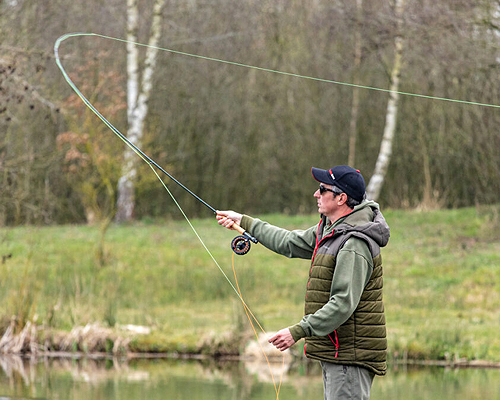
Considering Rod Length And Weight
Rod length affects how far and accurate you can cast. Longer rods cast farther but are harder to control.
Rod weight means how heavy the rod feels and how much line it can handle. Choose a comfortable weight for you.
| Rod Length | Best Use |
|---|---|
| 6-7 feet | Small streams, close casting |
| 8-9 feet | General fishing, medium distance |
| 9-10 feet | Large rivers, long casts |
Credit: www.anglingdirect.co.uk
Essential Fly Fishing Gear
Fly fishing needs special gear to work well. Using the right tools helps you catch fish easier.
This guide covers important gear parts for fly fishing rods and how to pick them.
Fly Lines And Leaders
Fly lines carry your fly through the air and on the water. Leaders connect the fly line to the fly.
Choose a fly line that fits your rod and the type of fishing you do. Leaders should be clear and strong.
- Weight of fly line must match rod weight
- Floating lines are good for surface fishing
- Leaders taper to help the fly land softly
- Use different leaders for different fish sizes
Selecting The Right Reel
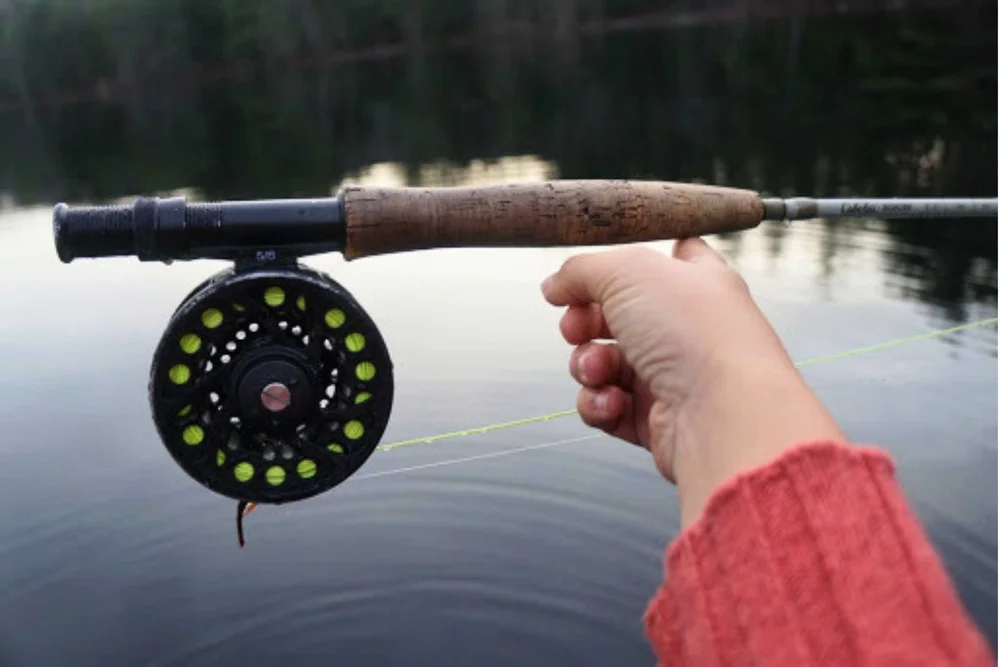
The reel holds the fly line and helps you control the fish. Pick a reel that balances with your rod.
Look for reels that are light but strong. A smooth drag system helps when fighting fish.
- Match reel size to your rod and line weight
- Choose reels made from durable materials
- Check if drag system is easy to adjust
- Consider reels with sealed drag for wet conditions
Must-have Accessories
Accessories make fly fishing easier and more fun. Some are needed to keep you safe and organized.
- Fly boxes to store your flies safely
- Forceps to remove hooks from fish
- Waders and boots to stay dry in water
- Line nippers to cut fishing line cleanly
- Fly floatant to keep flies on water surface
- Sunglasses to protect eyes and see fish better
Basic Casting Techniques
Fly fishing involves specific casting techniques. These techniques help in effectively placing the fly on the water. Understanding the basics will improve your fishing experience.
Learning to use a fly fishing rod involves mastering a few essential casts. Let’s explore the basic techniques that every angler should know.
Grip And Stance
How you hold the rod affects your cast. A good grip and stance set the foundation for successful casting.
| Grip Type | Details |
| Thumb on Top | Common for beginners, provides better control |
| V Grip | Offers more power, used by experienced anglers |
The Overhead Cast
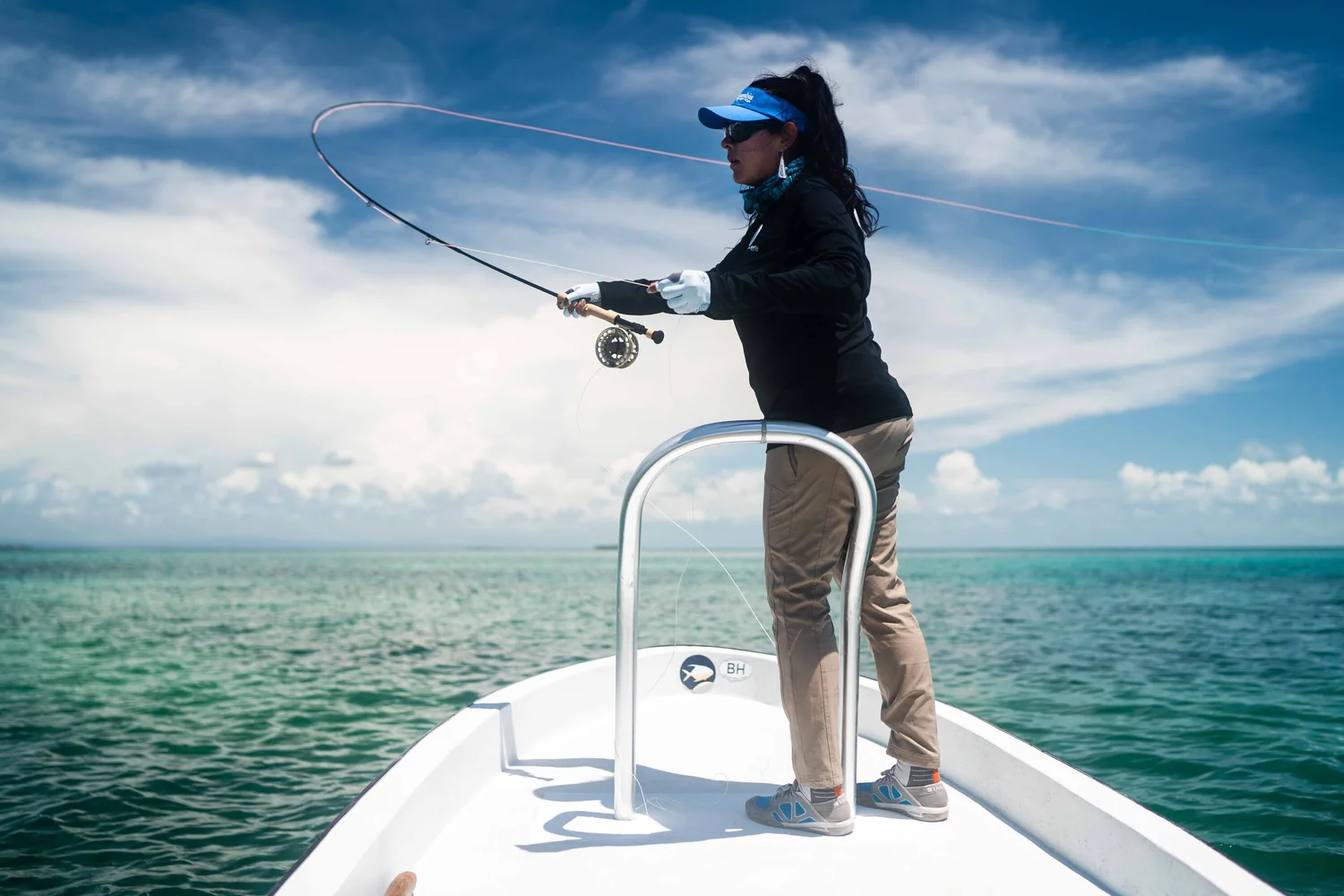
The overhead cast is the most common technique. It requires a smooth motion to lay the line out on the water.
- Start with the rod at waist level.
- Lift it to the 1 o’clock position.
- Pause briefly, then flick the rod forward.
- Finish with the rod pointing at your target.
The Roll Cast
The roll cast is useful when space is limited. It involves a smooth motion to roll the line onto the water.
Credit: www.treelinereview.com
Reading Water And Choosing Flies
Using a fly fishing rod well means understanding the water and choosing the right flies. Fish often stay where they find food and shelter.
Knowing how to read water helps you spot the best fishing spots. Picking flies that match local insects improves your chances.
Identifying Fish Habitats
Fish like places with food and safety. Look for slow water near fast currents, under rocks, or near fallen trees.
Deep pools and shaded areas often hold more fish. Watch for bubbles or fish jumping to find good spots.
- Look for calm water behind rocks
- Check near logs or overhanging branches
- Observe water changes like deep pools or riffles
Matching Flies To Insects
Fish eat insects that live near or on the water. Choose flies that look like these insects in size and color.
Watch the water to see what bugs are flying or resting nearby. This helps you pick flies that fish want.
- Use dry flies for insects on water surface
- Use nymphs for underwater insect larvae
- Match fly size and color to local insects
Seasonal Fly Selection
Insect types change with seasons. Choose flies that match the insects active in each season.
Spring and summer bring many bugs, while fall and winter have fewer. Adjust your fly choice to these changes.
| Season | Common Insects | Fly Types |
|---|---|---|
| Spring | Mayflies, Caddisflies | Dry flies, Nymphs |
| Summer | Stoneflies, Midges | Dry flies, Emergers |
| Fall | Terrestrials, Beetles | Streamers, Terrestrial patterns |
| Winter | Midges, Scuds | Nymphs, Small dry flies |
Setting Up Your Fly Rod
Setting up your fly fishing rod correctly is important for a good fishing experience. This guide will help you put your rod together and prepare it for fishing.
We will cover how to assemble the rod, attach the line and leader, and tie the knots needed to keep everything secure.
Assembling The Rod
Start by connecting the sections of your fly rod. Most rods come in two or more pieces that fit together tightly.
Align the guides (the small rings) on each section so the line will run straight. Push the pieces firmly but do not force them.
Attaching The Line And Leader
Attach your fly line to the reel by threading the line through the reel’s spool. Secure it with a knot or clip.
Next, pull the line through all the guides on the rod. Then tie the leader to the end of the fly line. The leader is a thinner, clear line that helps present the fly naturally.
- Pull line through rod guides starting from the reel
- Tie the leader to the fly line’s loop
- Make sure the leader is smooth and untangled
Tying Knots
Use strong, simple knots to connect the line, leader, and fly. Good knots prevent losing your fly or fish.
The improved clinch knot is common for tying the fly to the leader. For joining the fly line and leader, use a loop-to-loop connection or nail knot.
- Improved clinch knot: secure and easy to tie
- Loop-to-loop: fast connection between line and leader
- Nail knot: strong knot for attaching leader to fly line
Credit: bluehorizonbelize.com
Landing Your Catch
Landing a fish is the final step in fly fishing. It needs care and patience to avoid losing your catch. Using the right techniques helps bring the fish in safely.
This guide covers how to play the fish, use the net, and tips for catch and release.
Playing The Fish
Playing the fish means controlling it on your line to tire it out. Keep steady pressure, but don’t pull too hard. Let the fish run if it wants, then reel in slowly.
- Keep the rod tip up to reduce line slack.
- Use smooth, steady movements with the reel.
- Avoid jerky pulls that might break the line.
- Watch the fish’s movements and adjust tension.
- Be patient and wait for the fish to tire.
Using The Net
A net helps safely bring the fish out of the water. Use a net with soft mesh to avoid harming the fish’s scales and slime coat.
| Net Type | Benefit |
|---|---|
| Rubber Mesh | Gentle on fish, reduces scale damage |
| Nylon Mesh | Durable but can harm fish skin |
| Knotless Mesh | Prevents hooks from snagging |
Lower the net slowly under the fish. Lift it carefully to avoid dropping the fish back in the water.
Catch And Release Tips
Releasing fish properly keeps them healthy. Follow these tips to help the fish survive after release.
- Handle the fish with wet hands to protect its skin.
- Remove the hook gently using pliers or a hook remover.
- Do not keep the fish out of water for more than 15 seconds.
- Support the fish in the water until it swims away on its own.
- Avoid touching the gills or squeezing the fish.
Common Mistakes To Avoid
Using a fly fishing rod can be fun, but beginners often make mistakes. These mistakes can make fishing harder or less safe.
Knowing what to avoid helps you enjoy fly fishing more. Here are some common mistakes to watch out for.
Poor Casting Habits
Many beginners cast too hard or too fast. This causes the line to tangle or snap. Good casting is smooth and steady.
Not watching your surroundings can cause problems. You might hit trees or people with the line.
- Cast gently and with control
- Keep your arm and wrist relaxed
- Look around before casting
- Aim your cast to avoid obstacles
Wrong Gear Choices
Using the wrong rod or line makes fishing harder. A rod that is too heavy or light will not work well. The line must match the rod.
Choosing the wrong fly lure also wastes time. Match the fly size and type to the fish you want to catch.
- Pick rod weight that fits your skill and fish size
- Use a line that matches your rod
- Choose flies based on local fish and season
- Check your gear before you start fishing
Ignoring Safety Precautions
Fly fishing can be risky if you ignore safety. Sharp hooks and fast-moving water can cause injuries. Always be careful.
Wearing the right clothes and gear protects you. Stay alert to weather changes and wildlife near the water.
- Wear a life jacket if fishing in deep water
- Use sunglasses to protect your eyes
- Wear sturdy boots with good grip
- Keep first aid supplies nearby
- Be aware of weather and water conditions
Improving Your Skills
Using a fly fishing rod well takes time and practice. Improving your skills helps you catch more fish and enjoy your time outdoors.
Focus on learning new techniques and getting advice from others. Practice and community support make a big difference.
Practice Drills
Practice drills help you control your fly rod better. Repeat simple moves to build muscle memory and accuracy.
Start with short casts and increase distance slowly. Try different angles and speeds to improve flexibility.
- Cast to a target on land to improve aim
- Practice false casting to control your line
- Work on smooth back and forth motions
- Try overhead and roll casts
- Use different weights and flies for variety
Seeking Expert Advice
Experts can offer tips and tricks that speed up your learning. They know how to handle tough fishing situations.
Ask experienced anglers for help. Watch videos or attend workshops to see proper techniques in action.
- Talk to local fly fishing guides
- Join classes or workshops near you
- Watch tutorial videos online
- Ask questions at fishing stores
- Practice advice they give you in real fishing trips
Joining Fly Fishing Communities
Fly fishing communities help you learn from many people. Sharing stories and tips builds your confidence.
These groups often organize events and trips. You can meet people who enjoy fly fishing as much as you do.
- Join local fly fishing clubs
- Participate in online forums and social groups
- Attend fishing meetups and events
- Share your catches and techniques with others
- Learn from others’ experiences and advice
Frequently Asked Questions
What Is The Best Way To Hold A Fly Fishing Rod?
Hold the fly fishing rod with a relaxed grip using your dominant hand. Position your thumb on top for control. Keep your wrist flexible to allow smooth casting. This grip improves accuracy and reduces fatigue during fishing sessions.
How Do You Cast A Fly Fishing Rod Properly?
Start with a smooth back cast, then move forward to propel the line. Keep your wrist firm and use your forearm to guide the rod. Timing and rhythm are key for accurate, long-distance casting in fly fishing.
When Should I Use A Fly Fishing Rod?
Use a fly fishing rod when targeting trout, salmon, or freshwater fish in streams. It’s ideal for fishing in shallow waters with artificial flies. Fly rods provide precise control and mimic insect movement better than conventional rods.
How Do I Maintain My Fly Fishing Rod?
Rinse the rod with fresh water after each use to remove dirt and debris. Dry it thoroughly to prevent corrosion. Store it in a protective case away from direct sunlight. Regular maintenance extends the rod’s life and performance.
Conclusion
Using a fly fishing rod takes practice and patience. Start with simple casts before trying advanced techniques. Choose the right rod and line for your fishing spot. Pay attention to your surroundings and the fish’s behavior. Keep practicing to improve your skills each time you go fishing.
Enjoy the calm and beauty of nature while fishing. Remember, every cast brings a new chance to catch fish. Fly fishing can be relaxing and fun for everyone. Keep learning, and your fishing trips will get better.