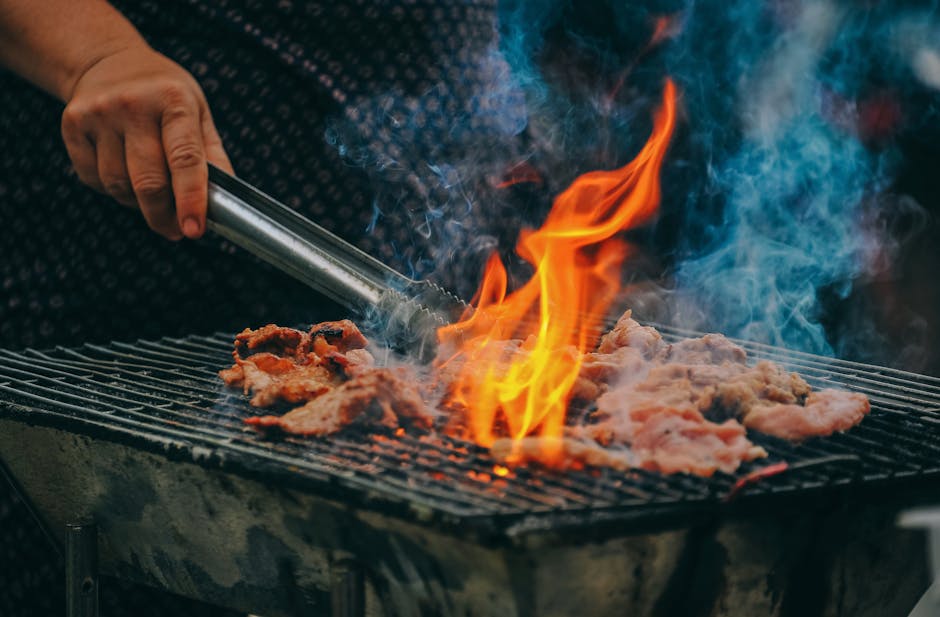
If you’ve ever wanted to master the art of cooking over an open flame, learning how to use a grill with charcoal is the perfect place to start. There’s something special about the smoky flavor and the sizzling sound of food cooking on charcoal that gas grills just can’t match.
But if you’re unsure about how to light the coals, control the heat, or get that perfect sear, don’t worry—you’re not alone. This guide will walk you through every step, making it easy and fun for you to become confident at grilling with charcoal.
Ready to impress your friends and family with mouth-watering, perfectly grilled meals? Let’s dive in.
Choosing The Right Charcoal
Using the right charcoal is key to cooking great food on a grill. Different charcoals burn in different ways. This affects your cooking time and flavor.
Two common types of charcoal are lump charcoal and briquettes. Each has its own benefits and uses.
Lump Charcoal Vs. Briquettes
Lump charcoal is made by burning wood without oxygen. Briquettes are made from compressed charcoal dust and other ingredients. They both create heat but in different ways.
| Feature | Lump Charcoal | Briquettes |
| Burn Time | Shorter | Longer |
| Heat Level | Higher | More consistent |
| Smoke | More natural wood smoke | Less smoke |
| Ash Production | Less ash | More ash |
| Price | Usually more expensive | Usually cheaper |
Factors To Consider
Think about what you want from your grill before choosing charcoal. Different factors affect your choice.
- Cooking time you need
- Heat intensity for your recipes
- Flavor you prefer in your food
- How much ash you want to clean up
- Your budget for charcoal
Credit: www.cowboysandangelsretreat.com
Essential Tools For Charcoal Grilling
Charcoal grilling gives food a smoky flavor that many enjoy. Using the right tools makes grilling easier and safer. Knowing what you need helps you prepare well before you start cooking.
This guide covers the main tools you need for charcoal grilling. We focus on grill accessories and safety gear to keep your grilling experience smooth and safe.
Grill Accessories
Grill accessories help you handle food and manage the grill. They make cooking more efficient and fun. Here are some important accessories to have on hand.
- Tongs: For turning and moving food without piercing it.
- Grill Brush: To clean the grill grate before and after use.
- Chimney Starter: To light charcoal quickly and evenly.
- Heat Resistant Gloves: To protect hands from hot surfaces.
- Thermometer: To check the temperature of the grill and food.
- Charcoal Rake: To spread and arrange charcoal for even heat.
Safety Gear
Safety gear protects you from burns and accidents while grilling. Always prepare and wear the right gear to avoid injuries.
| Safety Gear | Purpose |
| Heat Resistant Gloves | Protect hands from heat and flames |
| Fire Extinguisher | Put out small fires quickly |
| Apron | Protect clothes from splashes and sparks |
| Long-Handled Tools | Keep hands away from heat |
| First Aid Kit | Handle minor burns and cuts |
Setting Up The Grill
Using a charcoal grill starts with setting it up properly. This process ensures even cooking and great flavor.
Two key parts of setup are arranging the charcoal and creating heat zones. Both help control the fire for better grilling.
Arranging The Charcoal
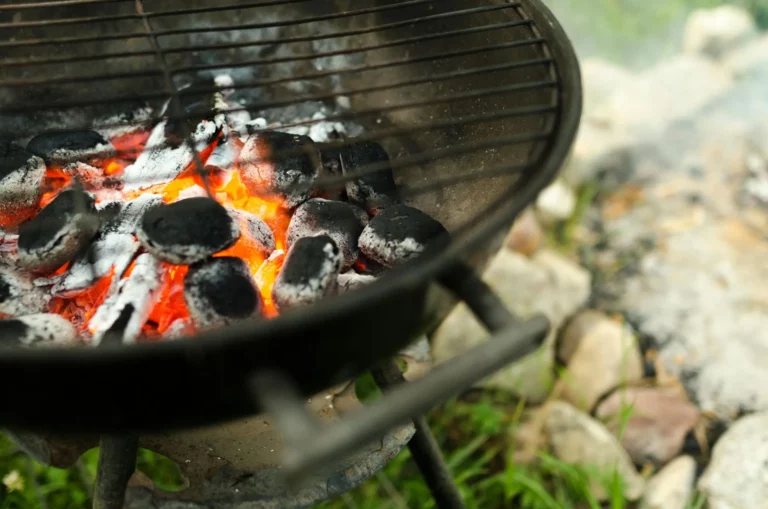
Start by placing charcoal briquettes or lump charcoal in the grill’s charcoal grate. How you arrange them affects heat and cooking style.
- For direct heat, spread charcoal evenly in a single layer.
- For indirect heat, pile charcoal to one side of the grill.
- Use a chimney starter to light charcoal before placing it inside.
- Wait until coals are covered with gray ash before cooking.
Creating Heat Zones
Heat zones let you cook different foods at the right temperature. Set zones by how you arrange the charcoal.
| Heat Zone | Charcoal Arrangement | Uses |
| High Heat | Charcoal spread thickly | Quick searing, burgers, steaks |
| Medium Heat | Charcoal in a medium layer | Chicken, vegetables, fish |
| Low Heat | Charcoal on one side only | Slow cooking, smoking, warming |
Lighting The Charcoal
Lighting charcoal is the first step to grilling with charcoal. It takes time and care to get the coals hot and ready.
There are different ways to light charcoal. Each way works well if done safely and correctly.
Using A Chimney Starter
A chimney starter is a metal cylinder. It helps light charcoal evenly without lighter fluid.
Fill the chimney with charcoal. Place crumpled newspaper or a fire starter under it. Light the paper to start the fire.
- Place the chimney on a heat-safe surface or grill grate
- Light the newspaper or fire starter at the bottom
- Wait 10 to 15 minutes until coals are covered with gray ash
- Carefully pour hot coals into the grill
Alternative Lighting Methods
You can light charcoal without a chimney starter. Use safe ways like electric starters or lighter fluid.
Electric starters plug in and heat the charcoal until it lights. Lighter fluid helps start the fire but use it carefully.
- Electric starter: Place it in the charcoal pile and plug in
- Lighter fluid: Apply to charcoal before lighting, wait a minute
- Never add lighter fluid to hot or warm coals
- Always keep a safe distance when lighting
Controlling The Temperature
Controlling temperature is key to cooking well on a charcoal grill. It helps you cook food evenly and avoid burning.
You can control heat by adjusting vents and using a thermometer to check the temperature.
Adjusting Vents
Vents control airflow inside the grill. More air means more oxygen, which makes the fire hotter. Less air cools the fire down.
- Open the bottom vents to increase heat.
- Close the vents partly to lower the heat.
- Adjust the top vents to control smoke and temperature.
- Keep vents open during lighting for good airflow.
- Close vents slowly to reduce heat without putting out the fire.
Using A Thermometer
A thermometer helps you know the grill’s exact temperature. This helps you cook food perfectly.
| Temperature Range | Cooking Use |
| 250°F to 300°F | Low and slow cooking |
| 300°F to 400°F | Medium heat for most grilling |
| 400°F to 600°F | High heat for searing |

Credit: ddrbbqsupply.com
Grilling Techniques
Using a charcoal grill gives food a special flavor. You can cook with direct or indirect heat. Each way works best for different foods.
Knowing how to sear and smoke on a charcoal grill helps you cook tasty meals. These techniques add texture and flavor to your food.
Direct Vs. Indirect Heat
Direct heat means placing food right above the hot coals. This cooks food fast and gives a nice char. It is best for small or thin items like burgers or steaks.
Indirect heat means putting food away from the coals. The heat cooks food slower and more evenly. Use indirect heat for large or thick items like whole chicken or ribs.
- Direct heat: fast cooking, good for searing
- Indirect heat: slow cooking, good for larger cuts
- You can combine both methods for some recipes
Searing And Smoking
Searing means cooking food quickly at high heat. It creates a brown crust that locks in juices and adds flavor. Start by placing food on direct heat for a few minutes.
Smoking uses low heat and smoke from burning charcoal or wood chips. It adds a smoky taste and makes meat tender. Keep the grill covered and cook slowly with indirect heat.
- Sear first on direct heat to get a crust
- Move food to indirect heat to finish cooking
- Add wood chips on charcoal for more smoke
Cooking Different Types Of Meat
Using a charcoal grill adds a smoky flavor to your food. It is great for cooking many kinds of meat and vegetables.
You can cook beef, poultry, fish, and even vegetables well on a charcoal grill. Each type needs different care and time.
Beef And Steaks
Beef and steaks cook well on high heat from charcoal. The heat creates a nice crust and seals in juices.
Use direct heat for steaks to get a good sear. Thicker cuts need more time and can use indirect heat after searing.
- Preheat the grill until coals are glowing red with a light ash layer
- Place steaks directly over hot coals for 3-5 minutes each side
- Move thick cuts to cooler spots to finish cooking
- Let meat rest before cutting to keep it juicy
Poultry And Fish
Poultry and fish cook faster than beef and need gentler heat. Use indirect heat to avoid burning.
Keep poultry skin side down first to get crispy skin. Fish cooks best when placed on a grill basket or foil.
- Use medium heat to cook chicken and fish
- Turn poultry and fish only once to avoid breaking
- Check internal temperature to ensure it is cooked safely
- Add wood chips for extra smoky flavor if desired
Vegetables And Vegan Options
Vegetables and vegan foods also taste great on charcoal grills. They need less time and heat than meat.
Cut vegetables into even pieces and brush with oil. Use skewers or grill baskets to keep small items from falling.
- Grill over medium heat for 5-10 minutes
- Turn vegetables often to prevent burning
- Use firm vegetables like peppers, zucchini, and mushrooms
- Try tofu or veggie burgers as vegan protein options
Maintaining The Grill
Keeping your charcoal grill in good shape helps it last longer. Regular care improves cooking and safety.
Proper maintenance includes cleaning after use and storing the grill correctly. Both steps prevent damage.
Cleaning After Use
Clean the grill after every cookout. This removes food and ash that can cause rust or bad smells.
Start by letting the grill cool down but stay warm enough to make cleaning easy.
- Scrape the grill grates with a wire brush to remove stuck food.
- Empty the ash catcher to avoid blockage and rust.
- Wipe the outside with a damp cloth to remove grease and dirt.
- Check for any rust spots and treat them to stop spread.
Storing The Grill
Store your grill in a dry place to protect it from rain and snow. Moisture causes rust and damage.
If you keep the grill outside, use a cover made for grills. This blocks water and dust.
- Keep the grill away from plants or trees that drop leaves.
- Remove all charcoal and ashes before storing.
- Check the cover often for tears or holes.
- Store grill tools nearby but protected from weather.
Troubleshooting Common Issues
Using a charcoal grill can be fun but sometimes you face problems. This guide helps you fix common charcoal grill issues.
Knowing how to solve these problems saves time and improves your grilling experience.
Charcoal Not Lighting
If your charcoal does not light, check the airflow and dryness of the charcoal. Wet or old charcoal can be hard to start.
- Use dry, fresh charcoal for easier lighting.
- Make sure vents on the grill are open for good airflow.
- Use a chimney starter to get charcoal burning evenly.
- Avoid using too much lighter fluid, as it can cause flare-ups.
- Light smaller pieces of charcoal first, then add larger ones.
Inconsistent Heat
Inconsistent heat can cause your food to cook unevenly. It often happens because of poor charcoal arrangement or blocked vents.
| Cause | Problem | Solution |
| Poor Charcoal Arrangement | Hot and cold spots form | Arrange charcoal evenly in a mound or ring |
| Blocked Air Vents | Reduced airflow lowers heat | Clean and open vents fully |
| Too Much Ash | Ash blocks airflow | Remove ash between cooks |
| Using Wet Charcoal | Charcoal burns unevenly | Store charcoal in a dry place |
Credit: www.tasteofhome.com
Frequently Asked Questions
How Do I Start A Charcoal Grill Safely?
To start a charcoal grill safely, use a chimney starter or lighter cubes. Avoid lighter fluid for better flavor and safety. Ensure the charcoal is evenly spread once lit and wait until the coals are covered with white ash before cooking.
How Long Does Charcoal Take To Heat Up?
Charcoal usually takes 15 to 20 minutes to heat up. Wait until the coals are covered with white-gray ash. This indicates they are hot and ready for grilling, ensuring even cooking and optimal heat.
What’s The Best Charcoal For Grilling?
Lump charcoal is best for quick, hot fires and natural flavor. Briquettes burn longer and provide steady heat, ideal for slow cooking. Choose based on your grilling style and desired cooking time.
How Do I Control Heat On A Charcoal Grill?
Control heat by adjusting the air vents on the grill. Open vents increase oxygen flow, raising the temperature. Closing vents reduces heat. You can also move coals or food to create zones for direct or indirect cooking.
Conclusion
Using charcoal grills brings great flavor to your food. Start with good charcoal and light it safely. Control heat by moving coals or adjusting vents. Keep the grill clean for better cooking results. Practice makes cooking easier and more fun.
Enjoy the smoky taste and outdoor cooking experience. Try different recipes and share meals with friends. Charcoal grilling is simple and rewarding. Give it a go and taste the difference.