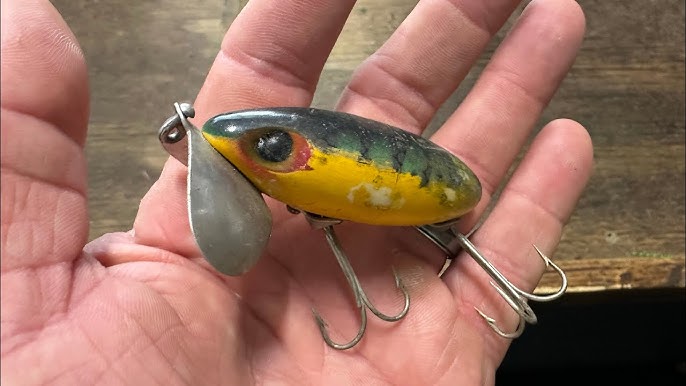
If you want to catch more fish with less effort, learning how to use a Jitterbug fishing lure is a game-changer. This lure is famous for its unique action that attracts bass and other game fish even in tough conditions.
But using it the right way can make all the difference between a few bites and a great fishing day. You’ll discover simple, proven techniques to get the most out of your Jitterbug lure. Keep reading, and you’ll be ready to reel in more fish on your next trip.

Credit: www.youtube.com
Choosing The Right Jitterbug Lure
Picking the right Jitterbug lure helps you catch more fish. Different lures work best in different water and fishing conditions.
Knowing how to choose your lure by color, size, and quality will improve your fishing experience.
Selecting Colors For Different Waters
Water color and clarity affect which lure colors fish see best. Bright colors stand out in murky water. Natural colors look better in clear water.
- Use bright reds, yellows, or chartreuse in muddy water
- Choose silver, gold, or natural fish colors in clear water
- Match lure color to local baitfish for better results
Matching Lure Size To Target Fish
Size affects how fish react to your lure. Small fish prefer smaller lures. Bigger fish go after larger lures.
- Use small Jitterbugs for panfish and crappie
- Medium sizes work well for bass and trout
- Large lures attract big bass and pike
Quality And Brand Considerations
Good quality lures last longer and work better. Choose brands known for durable paint and strong hooks.
Check reviews or ask other anglers for brand recommendations to find reliable Jitterbugs.
Setting Up Your Fishing Gear
Using a Jitterbug fishing lure needs the right gear setup. This helps you catch more fish and enjoy your time on water.
Focus on picking the right rod, reel, line, and attaching the lure correctly. These steps make your fishing easier and more effective.
Recommended Rod And Reel Types
Use a medium to medium-heavy rod for Jitterbug fishing. It gives good control and strength.
A baitcasting reel works best. It offers accuracy and smooth line release for topwater lures like the Jitterbug.
- Rod length: 6 to 7 feet
- Rod power: Medium to medium-heavy
- Reel type: Baitcasting
- Gear ratio: 6.3:1 to 7.1:1 for good lure action
Line Selection For Jitterbug Fishing
Choose a line that floats well because the Jitterbug is a topwater lure. This helps keep the lure on the surface.
Use braided or monofilament line with 10 to 20-pound test strength. This line resists breaking and casts far.
- Monofilament: Good float and shock absorption
- Braid: High strength and sensitivity
- Test strength: 10 to 20 pounds
- Fluorocarbon leader: Optional for better invisibility
Attaching The Lure Properly
Attach the Jitterbug lure with a loop knot to let it move naturally. This makes the lure’s action more attractive to fish.
Check that the lure is secure but can still wiggle freely. This ensures the best vibration and movement on water.
- Use a loop knot like the Rapala knot
- Make sure the knot is tight and neat
- Test the lure movement by pulling gently
- Trim excess line close to the knot
Casting Techniques
Using a jitterbug fishing lure can help you catch more fish. Learn the right casting techniques for the best results.
Focus on the way you cast your line to improve your fishing experience. This guide will help you with the basics of casting a jitterbug lure.
Best Casting Angles
The angle of your cast can influence how well you attract fish. Try different angles to see which works best for your location.
- Cast at a 45-degree angle for long distances.
- Aim straight for better control in narrow waters.
- Experiment with side casts to avoid obstacles.
Distance And Accuracy Tips
Distance and accuracy are important when casting a jitterbug lure. Practice to get better at both.
| Technique | Effect |
| Overhead Cast | Maximizes distance |
| Side Cast | Increases accuracy |
| Pendulum Cast | Balances distance and control |
Adjusting For Wind And Weather
Weather conditions affect your casting. Adjust your technique to deal with wind and rain.
Use heavier lures in strong winds for better control. Cast with the wind to increase distance.

Credit: www.youtube.com
Retrieval Methods
Using the right retrieval method improves how a Jitterbug lure works in water. It helps attract fish by mimicking natural movement.
Different techniques can change the lure’s action. Try varying your speed and rhythm to find what works best.
Steady Retrieve Patterns
A steady retrieve means pulling the lure evenly through the water. This creates a consistent splash and vibration that fish notice.
- Cast your line and reel in slowly and smoothly.
- Keep the lure at a steady depth near the surface.
- Use this when fish are calm or in clear water.
- It works well for beginners learning lure control.
Pause And Twitch Techniques
This method uses short stops and small jerks to imitate injured prey. It makes the Jitterbug look like it is struggling.
| Action | Description |
| Pause | Stop reeling for 1-3 seconds to let the lure float. |
| Twitch | Give the rod a quick, small jerk to move the lure erratically. |
| Repeat | Alternate pausing and twitching while retrieving. |
Speed Variations For Attraction
Changing your retrieval speed can trigger strikes. Fish often react to sudden changes in movement.
Try these speed changes while reeling:
- Start slow to let fish see the lure.
- Speed up quickly to catch their attention.
- Slow down again to make the lure seem like easy prey.
Fishing Conditions For Jitterbug Success
The Jitterbug fishing lure works best under certain water and weather conditions. Knowing these conditions helps you catch more fish.
This guide covers ideal water temperatures, the best time of day, and how weather affects fish behavior with the Jitterbug.
Ideal Water Temperatures
Jitterbugs perform well in warm water. Fish are more active when water temperature is right.
- Between 65°F and 80°F is the best range.
- Fish move slower below 60°F.
- Above 80°F, fish often stay deep and avoid surface lures.
- Use Jitterbugs near shorelines and weed beds in warm water.
Time Of Day Advantages
Fish feeding patterns change during the day. The Jitterbug works best at certain times.
| Time of Day | Jitterbug Effectiveness |
|---|---|
| Early Morning | High – Fish feed near the surface. |
| Midday | Medium – Use near shaded or weed areas. |
| Evening | High – Fish come back to the surface to feed. |
| Night | Low – Fish feed less on surface lures. |
Weather Impact On Fish Behavior
Weather changes affect how fish react to the Jitterbug lure. Some weather helps, some does not.
Good weather conditions:
- Overcast skies make fish more active near the surface.
- Light rain helps fish feed more.
- Stable barometric pressure keeps fish feeding steadily.
Less ideal conditions:
- Strong winds make it harder to control the lure.
- Sudden storms can stop fish from feeding.
- Rapid pressure drops cause fish to hide deep.
Target Species And Habitats
The jitterbug fishing lure attracts many fish species in different waters. It works best near the surface where fish hunt insects and small prey.
Understanding which fish respond well to jitterbugs helps anglers choose the right spots and techniques for fishing success.
Bass Fishing With Jitterbugs
Largemouth and smallmouth bass are the main targets for jitterbug lures. These fish like shallow waters with plenty of cover like weeds and logs.
Cast the jitterbug near lily pads, weed edges, and fallen trees. The lure’s surface action mimics struggling insects and attracts aggressive strikes.
Other Species That Respond Well
- Bluegill and sunfish often hit jitterbugs during warm months near vegetation.
- Crappie may respond when jitterbugs are worked slowly near submerged structures.
- Pike can attack jitterbugs in weedy bays where they hunt smaller fish.
- Striped bass sometimes hit jitterbugs in shallow rivers and reservoirs.
Locating Fish Hotspots
| Habitat | Why It Works |
| Weed beds | Fish ambush prey near cover |
| Lily pad fields | Surface insects attract bass |
| Fallen logs and stumps | Provide shelter and hunting spots |
| Shallow flats at dawn/dusk | Fish feed near surface in low light |
Look for ripples, jumping baitfish, or birds diving to find active feeding areas. Cast jitterbugs in these spots for best results.
Troubleshooting Common Issues
Using a Jitterbug fishing lure can be fun and effective. Sometimes, problems come up that need quick fixes. This guide will help you solve common issues with your lure.
Read on for tips on handling snags, low fish activity, and keeping your lure in good shape.
Dealing With Snags And Tangles
Snags and tangles slow down your fishing time. They happen when the lure gets caught on underwater plants or debris. Here are ways to reduce these problems.
- Use a lighter line to improve lure action and reduce snags.
- Cast beyond weeds and retrieve slowly to avoid tangles.
- Check your hooks for bends or damage that cause snags.
- Try changing your lure depth to avoid underwater obstacles.
Adjusting For Low Fish Activity
When fish are not biting, changing how you use your Jitterbug can help. Fish may be less active due to weather or time of day.
| Action | Reason |
| Slow down your retrieve | Fish move slower in cold water |
| Pause the lure often | Mimics injured prey |
| Use a smaller lure size | Less intimidating for picky fish |
| Fish during early morning or late evening | Fish feed more actively then |
Maintaining Lure Condition
Keeping your Jitterbug in good shape makes it last longer and work better. Clean and store it properly after each use.
- Rinse lure with fresh water to remove dirt and salt.
- Dry lure completely before storing to prevent rust.
- Check hooks for sharpness and replace if dull.
- Store lure in a tackle box with compartments to avoid damage.
Enhancing Your Jitterbug Experience
The Jitterbug fishing lure is known for its unique action on the water. You can improve how well it works by adding some simple techniques. These tips help you catch more fish with your Jitterbug.
Using extra attractants, pairing it with other lures, and keeping track of your catches can make fishing more fun and successful.
Using Additional Attractants
Adding attractants like scents or oils can make your Jitterbug lure more appealing. Fish often use their sense of smell to find food, so this helps draw them closer.
Apply a small amount of fish attractant on the lure before casting. This can increase the chances of bites, especially in murky water.
- Use natural fish scents for best results
- Reapply attractants after several casts
- Choose scents that match local baitfish
Combining With Other Lures
Using your Jitterbug with other types of lures can cover more water and attract different fish. Try casting a Jitterbug near a spinnerbait or crankbait.
This method helps you see which lure works best in certain spots. It also keeps fish interested by offering varied action and sound.
- Cast Jitterbug near other lures for variety
- Change lure order to test fish reactions
- Use slower or faster retrieves with each lure
Recording And Analyzing Your Catches
Write down details about your catches when using the Jitterbug. Note the time, weather, water conditions, and lure color.
This helps you find patterns and choose the best times and places to use the Jitterbug. Keep a simple log or use a fishing app.
- Record date, time, and location of each catch
- Note weather and water clarity
- Track lure color and retrieve speed used
- Review notes to improve future fishing trips
Credit: www.battlbox.com
Frequently Asked Questions
What Is A Jitterbug Fishing Lure?
A Jitterbug is a topwater fishing lure designed to create a vibrating, splashing action. It attracts bass and other predatory fish by mimicking struggling prey on the water surface.
How Do You Properly Use A Jitterbug Lure?
Cast the Jitterbug near cover or weeds. Retrieve it with a steady, rhythmic motion to create splashes. Pause occasionally to imitate injured prey and entice strikes.
When Is The Best Time To Fish With A Jitterbug?
Early morning and late evening are ideal times. Use the Jitterbug during low light for better visibility and more aggressive fish activity near the surface.
What Fish Species Respond Best To A Jitterbug?
Bass, especially largemouth and smallmouth, are most attracted. Other species like pike and muskellunge also respond well to the Jitterbug’s surface action.
Conclusion
Using a Jitterbug fishing lure can bring fun to your fishing trips. It moves on water, attracting fish with easy action. Try different speeds to see what works best. Keep your line tight to feel every tug. Practice casting and retrieving to improve your skill.
Enjoy the thrill of catching fish with this simple lure. Remember, patience and practice make fishing more enjoyable. Give it a try next time you go fishing. You might catch more fish than before.