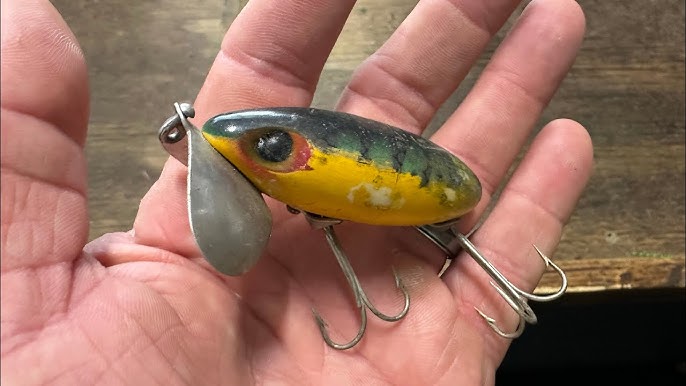
If you want to catch more fish and make your fishing trips more exciting, learning how to use a Jitterbug fishing lure is a game-changer. This lure is known for its unique action that attracts bass and other game fish like nothing else.
But to get the best results, you need to know exactly how to handle it and where to use it. You’ll discover simple steps and expert tips that will turn your Jitterbug into a fish magnet. Ready to boost your fishing skills and bring in bigger catches?
Keep reading and let’s dive in!
Jitterbug Lure Basics
The Jitterbug is a popular fishing lure used to catch bass and other fish. It is known for its unique surface action that attracts fish.
This lure creates a loud, splashing noise and a wobbling motion on the water’s surface. It works well in many fishing spots.
Design And Features
The Jitterbug has a round, concave metal lip on the front. This lip helps it make a loud splash when pulled through water.
Its body is made of hard plastic with a shiny finish. The lure has two sharp treble hooks to catch fish easily.
- Round, concave metal lip for surface splashing
- Hard plastic body with reflective finish
- Two sharp treble hooks for better hooking
- Wobbling and vibrating action on water
Ideal Conditions For Use
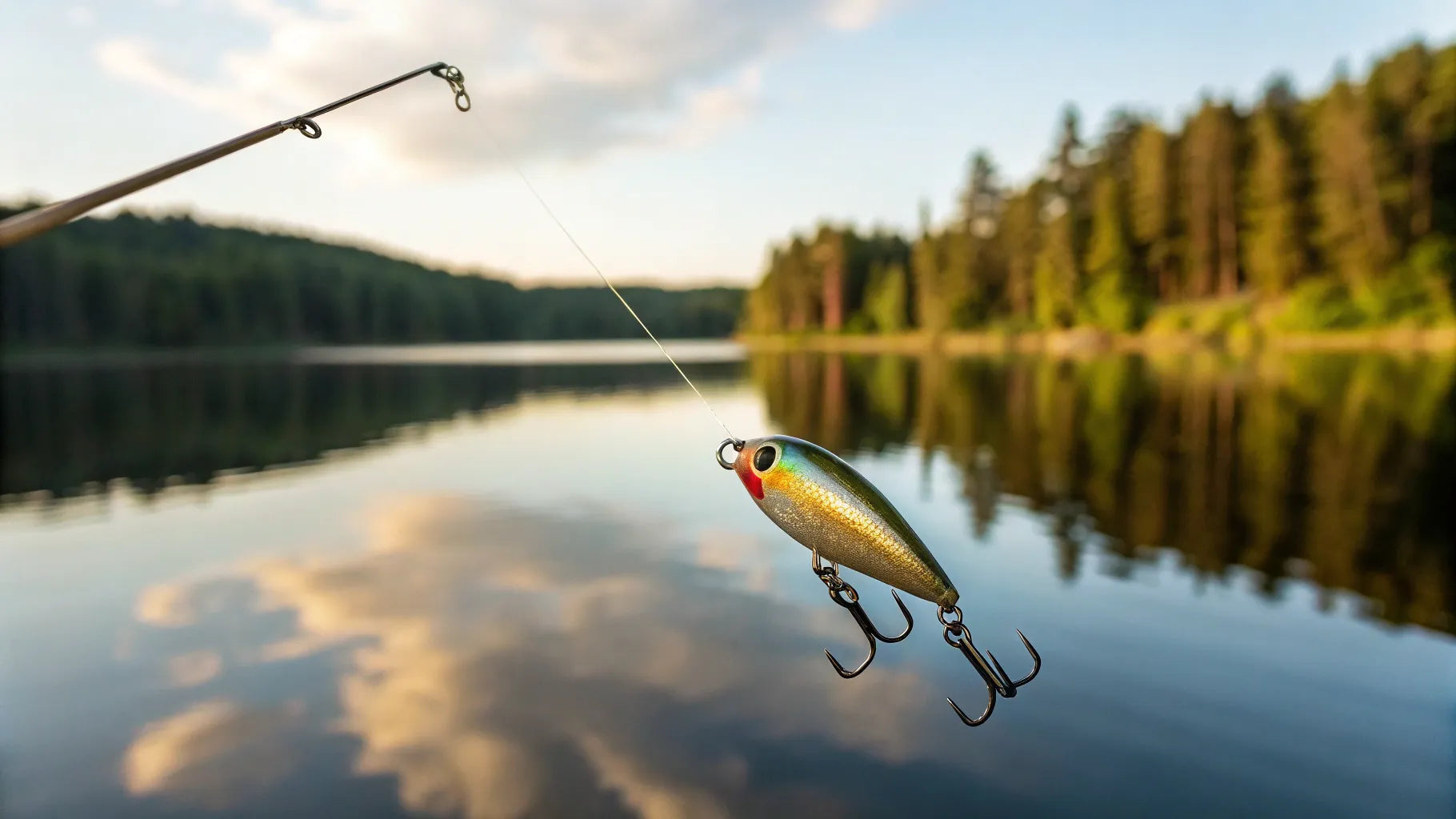
The Jitterbug works best in calm or slightly choppy water. It is ideal for fishing at dawn, dusk, or night.
This lure is effective near lily pads, weeds, or floating plants where bass like to hide. It also works well in warm weather.
- Calm or slightly choppy water
- Dawn, dusk, or night fishing
- Near lily pads and weeds
- Warm weather conditions
Credit: www.battlbox.com
Choosing The Right Jitterbug
Picking the right jitterbug fishing lure helps catch more fish. It depends on the size and color you choose.
This guide covers how to pick the right size and color to match local baitfish.
Size And Color Options
Jitterbugs come in different sizes and colors to fit many fishing needs. The size affects how the lure moves on the water.
- Smaller jitterbugs work well for light tackle and smaller fish.
- Medium sizes suit most fishing conditions and species.
- Larger lures attract bigger fish and create more surface disturbance.
- Colors range from natural to bright shades.
- Choose colors based on water clarity and light conditions.
Matching Local Baitfish
Matching the jitterbug’s color and size to local baitfish makes it more effective. Fish often strike lures that look like their natural food.
| Baitfish | Common Jitterbug Size | Recommended Colors |
| Shad | 3/8 oz | Silver, white, pearl |
| Bluegill | 1/4 oz | Yellow, chartreuse, green |
| Crayfish | 1/2 oz | Brown, red, orange |
| Fry (small baitfish) | 1/8 oz | Clear, light gray, translucent |
Casting Techniques
Using a Jitterbug fishing lure well depends on how you cast it. Casting helps place the lure where fish are likely to bite.
Good casting can improve your chances of catching fish. Learn how to cast correctly and find the best spots to cast.
Proper Casting Method
Hold the rod firmly but not too tight. Keep your elbow close to your body for control. Use a smooth motion to bring the rod back and then forward.
- Start with the rod tip low and pull it back smoothly.
- Pause briefly at the top of the backswing.
- Swing the rod forward in a controlled way.
- Release the line at the right moment for distance.
- Let the lure hit the water softly to avoid spooking fish.
Best Casting Spots
Look for places where fish gather. Shade, structure, and water movement attract fish.
| Spot | Why it Works |
| Near Lily Pads | Fish hide and hunt here |
| Under Overhanging Trees | Shade and falling insects attract fish |
| Close to Rocks | Provides shelter and food sources |
| Along Weed Beds | Good cover and oxygen supply |
Retrieval Methods
Using the right retrieval method with a Jitterbug fishing lure helps attract more fish. Each method changes how the lure moves in water. This can make it look like live prey to fish.
Try different retrieval styles to see what works best on your fishing trip. Below are three common techniques you can use with the Jitterbug lure.
Steady Retrieve
The steady retrieve is simple and effective. Cast the lure out and reel it in at a constant speed. This keeps the Jitterbug moving smoothly on the water surface.
This method is good for beginners or when fish are actively chasing bait. It creates a loud splash that can draw fish from a distance.
Stop-and-go Retrieve
This technique adds pauses during the retrieve. Reel in the lure, then stop and let it sit for a moment before starting again. Repeat this pattern.
- Cast the lure out
- Reel in slowly for 3-5 seconds
- Pause for 2-3 seconds
- Repeat the reel and pause cycle
The stop-and-go action makes the Jitterbug look like a wounded insect. Fish often strike during the pauses when the lure seems easy to catch.
Walking The Dog Technique
This method moves the Jitterbug in a zigzag pattern on the water surface. Use short jerks of the rod tip while reeling in slowly. This causes the lure to dart side to side.
| Action | Description |
| Rod Movement | Short, sharp twitches |
| Retrieve Speed | Slow and steady |
| Lure Motion | Zigzag or side-to-side |
| Effect on Fish | Mimics fleeing prey |
This technique works well in calm water. The erratic motion attracts curious fish and often triggers strikes.
Timing Your Fishing
Timing plays a big role in fishing success with a Jitterbug lure. Knowing when fish are most active helps you catch more.
Using the right time of day and season improves your chances. Let’s explore the best times to fish with this lure.
Best Time Of Day
Fish often feed during low light periods. Early morning and late evening are prime times to use the Jitterbug lure.
- Dawn: Fish move closer to the shore to feed.
- Dusk: Fish become more active before nightfall.
- Cloudy days: Fish may feed more during the day.
- Night: Use the lure near lights or calm waters.
Seasonal Patterns
Seasons affect fish behavior and water temperature. The Jitterbug lure works best in certain seasons based on these changes.
| Season | Fish Activity | Tips for Using Jitterbug |
| Spring | Fish are hungry after winter | Use fast retrieves near shallow waters |
| Summer | Fish stay in cooler, deeper water | Fish early or late; try deeper casts |
| Fall | Fish feed to prepare for winter | Use steady retrieves in shallow areas |
| Winter | Fish are less active | Fish slow and near structure; use slow retrieves |

Credit: www.youtube.com
Target Species
The jitterbug fishing lure works well for many types of fish. This lure creates a strong surface splash. It attracts fish by mimicking struggling prey.
Different fish react to the jitterbug in unique ways. Knowing the target species helps you use this lure better.
Bass
Bass like the jitterbug because it moves on the water surface. It looks like an injured insect or frog. Cast near weeds and lily pads where bass hide.
- Use slow to medium retrieval speed
- Pause occasionally to mimic a resting prey
- Fish during low light for best results
Pike
Pike are aggressive and chase fast-moving lures. The jitterbug’s loud splash triggers their attack instinct. Cast near shallow weeds and drop-offs.
| Tip | Details |
| Retrieve Speed | Fast and steady to provoke strikes |
| Best Location | Shallow weed beds and rocky edges |
| Best Time | Early morning and late evening |
Other Game Fish
The jitterbug also attracts other fish like crappie, bluegill, and trout. These fish respond to the surface movement and noise.
Try these tips for other game fish:
- Cast near fallen trees or rocks.
- Use a steady retrieve with occasional twitches.
- Match the lure color to local prey.
Troubleshooting Common Issues
Using a Jitterbug fishing lure can be fun and effective. Sometimes, problems happen that stop it from working well. This guide helps you fix common issues quickly.
Focus on avoiding snags, adjusting for weather, and keeping your lure in good shape. These tips will improve your fishing experience.
Avoiding Snags
Snags happen when the lure gets caught on underwater plants or rocks. This can waste time and may damage your lure.
- Cast your lure beyond heavy weed beds and reel in steadily.
- Use lighter line to reduce drag and feel for obstacles.
- Try changing your retrieval speed to avoid hanging up.
- Check the hook for sharpness to prevent getting stuck easily.
Adjusting For Weather
Weather changes affect how your Jitterbug lure moves in water. Adjust your technique to keep it working well.
| Weather Condition | Adjustment Tip |
| Windy | Cast with the wind and slow your retrieve. |
| Sunny | Use darker lure colors for better visibility. |
| Overcast | Try brighter colors and faster retrieval. |
| Cold | Retrieve slower to mimic slow fish movement. |
Lure Maintenance Tips
Good care keeps your Jitterbug lure working longer. Regular checks and cleaning help avoid issues.
- Rinse lure with fresh water after each use.
- Dry completely to stop rust and corrosion.
- Sharpen hooks or replace if dull or bent.
- Check the split rings and replace if weak.
- Store in a dry tackle box away from sunlight.

Credit: www.youtube.com
Frequently Asked Questions
What Is A Jitterbug Fishing Lure Used For?
A Jitterbug lure is used to catch bass and other surface-feeding fish. It mimics a struggling insect, attracting fish with its unique wobbling action. It’s effective for night and low-light fishing, creating vibrations that trigger strikes.
How Do You Properly Cast A Jitterbug Lure?
Cast the Jitterbug near weed beds, docks, or lily pads. Use a smooth, moderate swing to avoid tangling. Aim for quiet water areas where fish hide, then start a steady retrieve to activate its surface action.
What Is The Best Retrieval Speed For A Jitterbug Lure?
A slow to medium retrieval speed works best. This speed creates the lure’s signature jittering motion. Adjust speed based on fish activity and water conditions for optimal results. Too fast or too slow can reduce effectiveness.
When Is The Ideal Time To Use A Jitterbug Lure?
Early morning, late evening, and nighttime are ideal times. Fish feed near the surface during these periods. Overcast days also improve lure visibility and effectiveness. Use the Jitterbug when bass are actively hunting insects.
Conclusion
Mastering the jitterbug lure can boost your fishing success. Its unique motion attracts a variety of fish. Practice casting and reeling techniques for better results. Patience is key to catching more fish. Always check your equipment before heading out. Keep experimenting with different retrieval speeds.
Each water body may require a different approach. Observing fish behavior helps in adjusting techniques. With time, you’ll find what works best for you. Enjoy the relaxation and thrill fishing brings. Happy fishing!