Are you ready to make your next camping trip more comfortable and cozy? Using a sleeping bag liner can transform your sleeping experience in ways you might not expect.
Whether you want extra warmth, keep your sleeping bag clean, or just feel softer against your skin, a liner is a simple addition that makes a big difference. You’ll discover exactly how to use a sleeping bag liner to get the best sleep outdoors.
Keep reading, and you’ll learn tips that can help you stay warm, fresh, and comfortable all night long.
Benefits Of A Sleeping Bag Liner
A sleeping bag liner adds an extra layer inside your sleeping bag. It helps improve your camping or hiking sleep experience.
Using a liner can make your sleeping bag warmer, cleaner, and last longer. Below are the main benefits of using one.
Enhanced Warmth
A sleeping bag liner helps keep heat inside your sleeping bag. It adds extra insulation to your setup.
- Traps body heat for better warmth
- Helps you stay comfortable in cold weather
- Can be used alone in warmer weather for light warmth
Improved Hygiene
The liner keeps your sleeping bag clean by blocking sweat and dirt from reaching it. This is important for hygiene on long trips.
| Hygiene Benefit | Details |
|---|---|
| Reduces washing | Protects sleeping bag from frequent washing |
| Prevents odors | Stops sweat and dirt buildup |
| Easier cleaning | Linens can be washed more easily than sleeping bags |
Extended Sleeping Bag Life
Using a liner reduces wear and tear on your sleeping bag. It acts as a barrier that protects the fabric and insulation.
- Protects from body oils and dirt
- Prevents damage to insulation
- Helps maintain sleeping bag’s shape and performance
- Reduces repairs and replacements
Types Of Sleeping Bag Liners
Sleeping bag liners add comfort and warmth to your sleep. They also keep your sleeping bag clean. Liners come in different materials to fit your needs.
Choosing the right liner depends on where you camp and your personal comfort. Here are common types of liners to help you decide.
Cotton Liners
Cotton liners feel soft and natural. They are good for warm weather camping. Cotton lets your skin breathe and absorbs sweat well.
These liners are easy to wash but dry slowly. They can be heavier and bulkier than other liners. Cotton is best if you want comfort over weight.
Silk Liners
Silk liners are very light and thin. They add warmth without adding bulk. Silk feels smooth and is gentle on the skin.
These liners dry quickly and pack small. Silk is good for cool weather and backpackers who want to save space. They can be more delicate than other liners.
Fleece Liners
Fleece liners are thick and warm. They keep heat well in cold weather. Fleece feels soft and cozy against your skin.
These liners are heavier and bulkier. They dry fast and are durable. Use fleece liners if you camp in cold places and want extra warmth.
Choosing The Right Liner
Using a sleeping bag liner can make your camping nights warmer and cleaner. Picking the right liner is important for comfort and ease.
Different liners suit different needs. Think about where and how you will use the liner before buying.
Climate Considerations
Climate affects the type of liner you need. Warm liners work well in cold places. Thin liners help in hot weather.
Choose a liner that matches the temperature and humidity where you camp most often.
- Cold climate: Use fleece or insulated liners
- Warm climate: Use silk or cotton liners
- Humid areas: Pick quick-drying materials
Material Preferences
Materials affect how soft and warm the liner feels. Cotton is soft but heavier. Silk feels smooth and is light.
Think about allergies and how easy the liner is to clean when choosing materials.
- Cotton: Soft and breathable, but heavier
- Silk: Lightweight and smooth, dries fast
- Fleece: Warm and cozy, good for cold
- Polyester: Durable and quick-drying
Weight And Packability
Weight matters if you carry your gear far. A heavy liner can add extra load. Light liners save space and effort.
Check how small the liner packs. Some liners fold into tiny bundles, perfect for backpacks.
- Silk liners weigh very little and pack small
- Cotton liners are heavier and bulkier
- Fleece liners are warm but can be bulky
- Polyester liners balance weight and pack size

Credit: www.amazon.ca
How To Use A Sleeping Bag Liner
Sleeping bag liners add warmth and keep your sleeping bag clean. They are easy to use and lightweight. Knowing how to use them can improve your camping comfort.
This guide explains how to insert, secure, and use liners with different sleeping bags.
Inserting The Liner
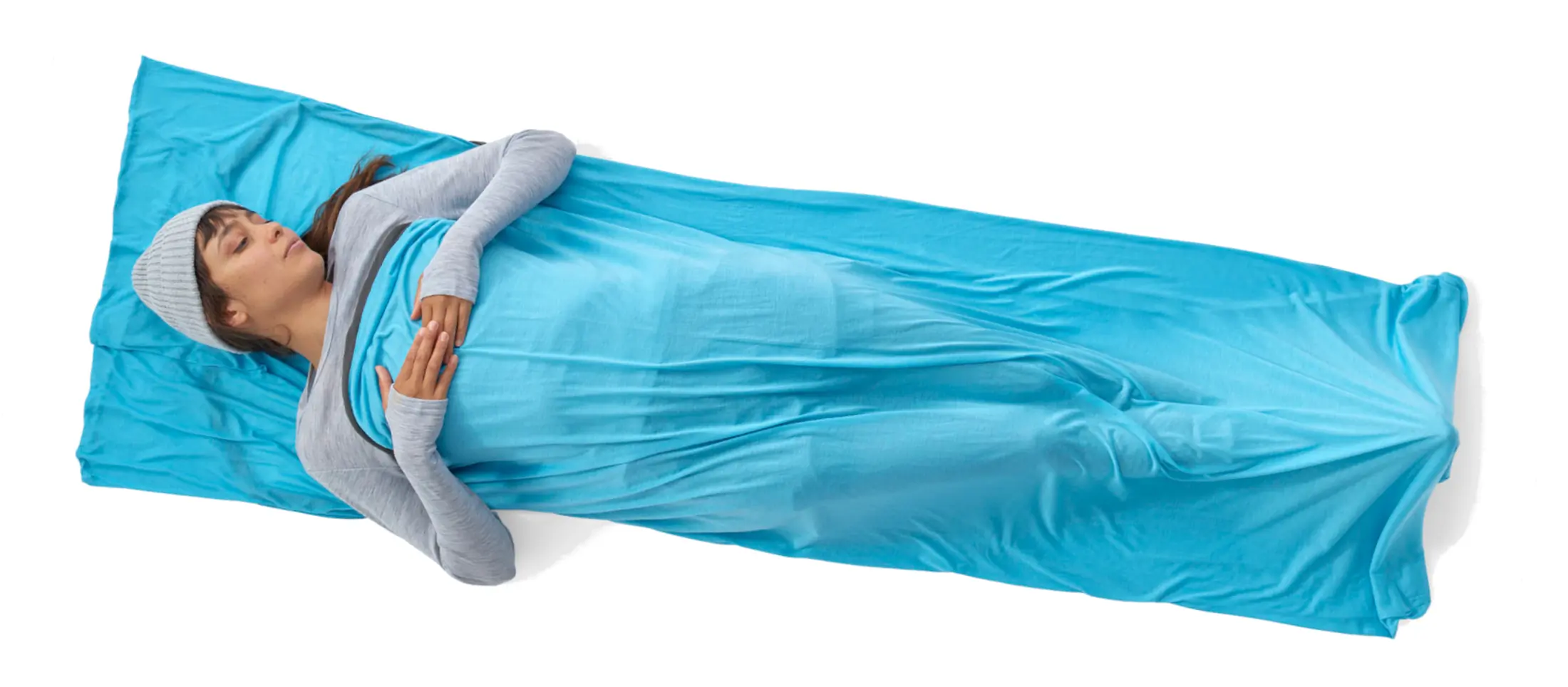
Start by turning your sleeping bag inside out. Lay the liner flat inside, aligning the top edges with the sleeping bag opening.
- Open the sleeping bag fully.
- Place the liner inside, with the opening matching the bag’s zipper.
- Pull the liner smoothly to avoid wrinkles.
- Close the sleeping bag zipper carefully.
Securing The Liner
Securing the liner prevents it from shifting while you sleep. Many liners have loops or straps to attach inside the bag.
| Method | Description |
|---|---|
| Loops | Attach liner loops to sleeping bag hooks to hold it in place. |
| Straps | Use straps inside the bag to tie the liner securely. |
| Elastic Edges | Some liners have elastic edges to fit snugly inside. |
| No Attachment | Simply zip the bag; liner may move slightly but stays mostly in place. |
Using With Different Sleeping Bags
Sleeping bag liners work with many types of bags. Adjust how you use the liner based on the bag’s shape and size.
- For mummy bags, use a liner that fits the narrow shape well.
- Rectangular bags allow more space, so secure the liner firmly.
- Double sleeping bags need larger liners or two separate liners.
- Check compatibility for special bags with extra features.
Maintenance And Care
Taking good care of your sleeping bag liner helps it last longer. Proper maintenance keeps it clean and comfortable.
Follow simple steps to clean, store, and fix your liner. This keeps it ready for your next trip.
Cleaning Tips
Wash your sleeping bag liner gently to avoid damage. Use mild detergent and cold water for best results.
- Hand wash or use a gentle machine cycle
- Use mild soap without bleach
- Rinse thoroughly to remove all soap
- Air dry flat or hang in shade
- Avoid direct sunlight or high heat
Storage Recommendations
Store your liner in a clean, dry place to keep it fresh. Avoid tight compression for long periods.
| Storage Method | Details |
| Loose Bag or Cotton Sack | Allows air circulation and prevents fabric crush |
| Cool, Dry Place | Stops mold and mildew growth |
| Avoid Plastic Bags | Traps moisture and causes odors |
Repairing Minor Damages
Fix small tears or holes quickly to stop them from growing. Use a patch or fabric glue made for gear.
- Clean the damaged area before repair
- Apply a patch on the inside for best hold
- Use fabric glue for small holes or frays
- Let repairs dry fully before use
Credit: gearjunkie.com
Additional Comfort Tips
Using a sleeping bag liner can make your camping nights warmer and cleaner. Liners add extra comfort inside your sleeping bag.
Here are some tips to help you use liners for better comfort and warmth during your outdoor sleep.
Layering Strategies
Layering your sleeping bag liner with other gear helps keep you warm. You can add the liner inside the sleeping bag or use it alone in warm weather.
Try these layering tips for better comfort:
- Use a liner inside your sleeping bag for extra insulation
- Add a thin blanket over the liner if it is very cold
- Wear warm socks or a hat to keep body heat
- Choose a liner material that fits the weather, like silk for heat or fleece for cold
Using Liners For Hammocks
Sleeping bag liners work well in hammocks to add warmth and protect against bugs. Hammocks can feel colder because of air flow.
Use these tips with hammock liners:
- Place the liner inside the hammock to add a soft layer
- Use an insulated liner to block cold air underneath
- Combine the liner with a bug net for insect protection
- Choose a liner that fits your hammock size for comfort
Combining With Sleepwear
Wearing proper sleepwear with your liner improves warmth. Thin, breathable clothes work best under liners.
Follow these tips for sleepwear and liners:
- Wear moisture-wicking pajamas to stay dry
- Avoid heavy clothes that reduce liner effectiveness
- Use a liner as a barrier between you and your sleepwear
- Change into clean clothes before sleeping for hygiene
Credit: www.advnture.com
Frequently Asked Questions
What Is The Main Purpose Of A Sleeping Bag Liner?
A sleeping bag liner adds extra warmth and comfort. It keeps your sleeping bag clean and extends its life. Liners can also provide moisture-wicking properties, making them ideal for various weather conditions.
How Do I Properly Use A Sleeping Bag Liner?
Simply insert the liner inside your sleeping bag before use. Ensure it fits well without bunching up. You can also use it alone in warm weather or as an extra layer in cold conditions.
Can A Sleeping Bag Liner Improve Hygiene During Camping?
Yes, liners act as a barrier between your body and the sleeping bag. They prevent sweat and dirt from reaching the sleeping bag’s interior. This keeps your sleeping bag fresher for longer periods.
Which Materials Are Best For Sleeping Bag Liners?
Common materials include cotton, silk, and fleece. Cotton is breathable and affordable, silk is lightweight and warm, and fleece provides extra insulation. Choose based on your comfort and weather needs.
Conclusion
Using a sleeping bag liner enhances your camping experience. It adds warmth and keeps your bag clean. Liners are easy to pack and maintain. They come in different materials like silk or cotton. Choose based on your needs and preferences.
Lightweight liners are great for summer. Thicker ones provide extra warmth in cold weather. Try using one on your next trip. You’ll notice a difference in comfort. Investing in a good liner is worthwhile. It extends your sleeping bag’s life.
Plus, it makes cleaning easier. Enjoy a cozy, restful sleep outdoors with a liner.