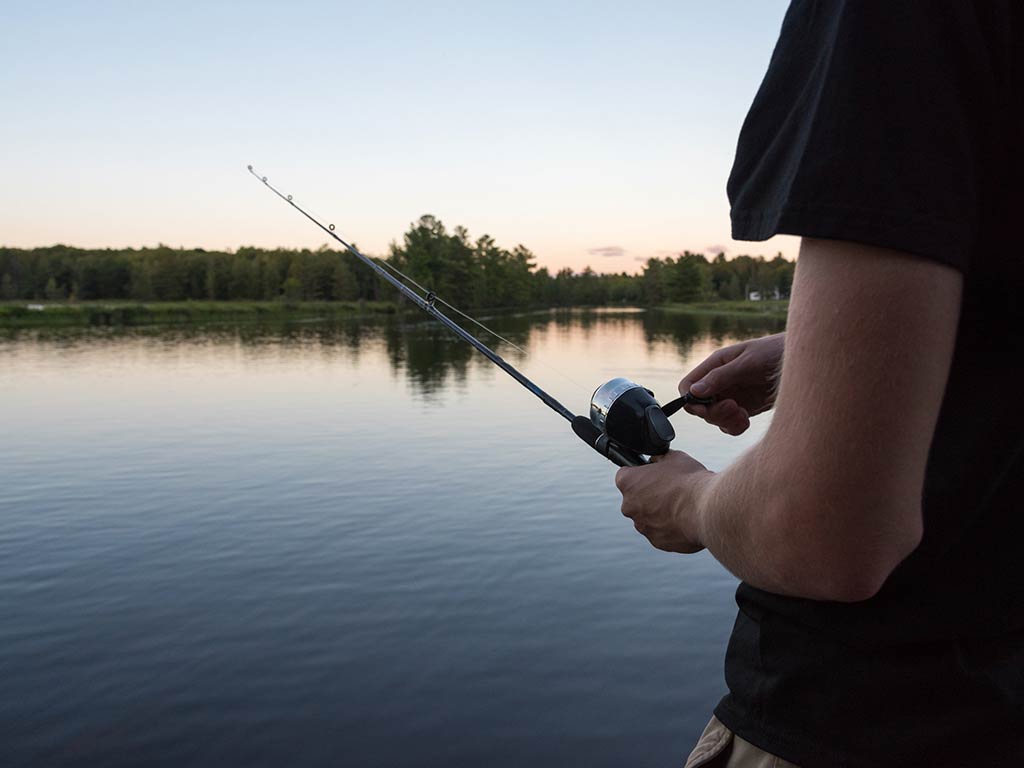
If you want to catch more fish and enjoy your time on the water, learning how to use a spin fishing rod is a great place to start. Whether you’re a beginner or just need a quick refresher, this guide will show you simple steps to get the most out of your gear.
Imagine feeling the thrill of a tug on your line and knowing exactly what to do next. Keep reading, and you’ll discover easy tips that make your fishing trips more successful and fun. Your next big catch could be just a cast away!
Choosing The Right Spin Rod
Picking the right spin rod is important for a good fishing experience. The right rod helps you cast better and catch more fish.
Consider the rod length, power, reel, line, and lure to match your fishing needs.
Rod Length And Power
Rod length affects how far and how easy you can cast. Longer rods cast farther but can be harder to control.
Rod power means how strong the rod is. Light power rods are good for small fish. Heavy power rods work well for big fish.
- Short rods (5-6 feet): Easy to control, good for close fishing
- Medium rods (6-7 feet): Good for most fishing types
- Long rods (7+ feet): Cast far, best for open water
- Light power: Small fish, light lures
- Medium power: Versatile for many fish
- Heavy power: Big fish, heavy lures
Selecting The Ideal Reel
The reel holds the fishing line and helps you reel in fish. Match the reel size to your rod and fishing style.
Spinning reels are easy to use and work well for beginners. Choose a reel with smooth drag and good line capacity.
- Small reels: Use with light rods for small fish
- Medium reels: Good for most fishing needs
- Large reels: Best for big fish and heavy lines
Line And Lure Compatibility
Your rod and reel should match the line weight and lure size. This balance helps you cast well and catch fish.
Check the rod’s recommended line and lure weight. Use light lines and lures for small fish and heavier ones for big fish.
| Rod Power | Line Weight (lbs) | Lure Weight (oz) |
|---|---|---|
| Light | 2-6 | 1/32 – 1/8 |
| Medium | 6-12 | 1/8 – 1/2 |
| Heavy | 12-20+ | 1/2 – 1+ |

Credit: mysterytacklebox.com
Setting Up Your Spin Rod
Setting up a spin fishing rod is easy with a few simple steps. This guide will help you get started quickly.
Once you know the basics, you’ll be ready to catch fish on your next outing.
Attaching The Reel
Start by holding the rod with the reel seat facing up. Place the foot of the reel into the seat.
Tighten the reel seat until the reel is secure. Make sure it does not move or twist.
Spooling The Line
Open the bail arm on the reel and thread the line through the rod guides. Begin at the tip and work your way down.
Attach the line to the reel spool with a knot. Close the bail arm and turn the reel handle to wind the line onto the spool.
- Keep tension on the line as you spool it
- Check for twists or tangles
- Stop when the spool is nearly full
Adjusting Drag Settings
Drag settings control the resistance on the line when a fish pulls. Turn the drag knob on top of the reel to adjust.
Tighten for more resistance or loosen for less. Test the drag by pulling the line with your hand.
Casting Techniques For Spin Fishing
Using a spin fishing rod well helps you catch more fish. Casting is a key skill to learn for good fishing.
Different casting styles work best in different fishing spots. Practice these common techniques to improve your cast.
Basic Overhead Cast
The overhead cast is the most common way to cast a spin rod. It gives good control and distance for beginners.
To do this cast, hold the rod with your dominant hand and point the tip behind you. Pull the rod back smoothly, then flick it forward fast. Release the line when the rod points at your target.
- Keep your wrist firm during the cast
- Release the line at the right moment for smooth casting
- Practice in an open area to avoid tangles
Sidearm Casting
Sidearm casting sends the lure low and fast. It works well under trees or near bushes.
Start with the rod tip low and behind you. Swing the rod forward in a horizontal motion. Release the line when the rod points toward your target.
- Keep the rod parallel to the water surface
- Use a smooth, fast motion
- This cast helps avoid overhead obstacles
Long-distance Casting Tips
Long casts let you reach distant fish. Use the right gear and techniques to cast farther.
Use a longer rod for more power. Load the rod by pulling it back fully. Use your whole arm and body for the cast. Release the line at the peak of your forward motion.
- Check your line for smooth flow
- Use lighter lures for longer casts
- Practice timing your release for best distance

Credit: www.aftco.com
Retrieval Methods To Attract Fish
Using different retrieval methods with your spin fishing rod can help catch more fish. Fish react to how you move your lure in the water.
Changing your retrieve style can imitate injured prey or a fast swimmer. This makes the lure more interesting to fish.
Steady Retrieve
A steady retrieve means reeling the line in at a constant speed. This keeps the lure moving smoothly through the water.
This method works well for lures that swim naturally when pulled. It helps attract fish that chase moving prey.
Stop-and-go Retrieve
Stop-and-go retrieve involves reeling in the lure, then pausing briefly. The lure stops and then starts again.
This creates a start-and-stop motion that looks like a struggling fish. Many predators find this tempting.
- Reel quickly for 3-5 seconds
- Pause for 1-2 seconds
- Repeat this cycle
Twitching And Jerking
Twitching and jerking means giving quick, sharp movements to the rod tip. This moves the lure erratically.
These sudden actions mimic an injured or scared baitfish. It often triggers a fish to strike quickly.
- Use short, sharp rod tip movements
- Pause to let the lure float or sink
- Vary the speed and intensity
Reading Water And Fish Behavior
Using a spin fishing rod is easier when you understand water and fish behavior. Fish live in certain spots and act in ways you can learn. Watching water and fish helps you catch more fish.
Knowing how to read water and fish behavior lets you choose the best places and times to fish. This guide covers key topics for better fishing with a spin rod.
Identifying Fish Habitats
Fish like certain areas where they find food and shelter. Look for places where water moves slowly or where there is cover. Rocks, plants, and logs give fish a safe place to hide.
- Look near rocks and fallen trees
- Check areas with aquatic plants
- Find spots with slow or calm water
- Watch deeper pools and undercut banks
Timing Your Fishing Trips
Fish feed at certain times of the day and year. Early morning and late afternoon are good times. Fish also change behavior with the seasons.
| Time of Day | Fish Activity |
| Early Morning | High feeding activity |
| Midday | Less active, seek shade |
| Late Afternoon | Feeding increases again |
| Night | Some species feed actively |
Adapting To Weather Conditions
Weather affects fish behavior and water conditions. Fish may move to different depths or areas based on temperature and sunlight. Adjust your fishing technique to match the weather.
Tips for fishing in different weather:
- Sunny days: Fish near shade or deeper water
- Cloudy days: Fish spread out and feed more
- After rain: Fish may be active near river inflows
- Windy days: Fish gather on the windward side

Credit: www.youtube.com
Handling And Landing Your Catch
Using a spin fishing rod to catch fish is exciting. Knowing how to handle and land your catch is very important.
This guide will help you learn the right way to set the hook, play the fish, and safely land your catch.
Setting The Hook
When a fish bites, you must quickly set the hook. This means pulling the rod back sharply to catch the fish’s mouth.
Do not pull too hard or too slow. A firm and fast motion works best to keep the fish on the line.
- Wait until you feel a strong pull or tug
- Pull the rod back at a 45-degree angle
- Keep your line tight after setting the hook
Playing The Fish
Playing the fish means controlling its movements to tire it out. Use the rod to guide the fish away from obstacles.
Keep steady pressure on the line. Let the fish run sometimes but reel in line when it slows down.
- Hold the rod tip up to keep tension
- Let the fish pull line when it runs fast
- Reel in slowly when the fish rests
- Avoid sudden jerks to prevent line break
Safe Landing Techniques
Landing the fish safely protects both you and the fish. Use a net or your hands to lift the fish gently.
Keep the fish in water if you plan to release it. Handle it carefully to avoid injury to the fish or yourself.
- Use a landing net to catch the fish
- Wet your hands before touching the fish
- Hold the fish firmly but gently
- Remove the hook carefully with pliers
- Release the fish quickly if you don’t keep it
Maintenance And Care For Your Spin Rod
Taking care of your spin fishing rod keeps it working well. Proper maintenance helps it last a long time.
Clean, store, and inspect your rod often to avoid damage and poor performance.
Cleaning After Use
Rinse your spin rod with fresh water after fishing. Salt and dirt can cause rust and wear.
- Use a soft cloth to wipe the rod and reel.
- Dry the rod completely before storing it.
- Check the guides and reel seat for dirt or salt.
Storing Properly
Store your rod in a cool, dry place away from direct sunlight. Avoid leaning it against walls.
| Storage Tip | Reason |
|---|---|
| Use a rod holder or rack | Prevents bending and warping |
| Keep away from heat sources | Protects rod materials from damage |
| Store rods vertically or horizontally | Maintains rod shape and balance |
Regular Inspection And Repairs
Check your spin rod regularly for cracks, loose guides, or reel seat problems. Fix small issues early.
- Look over the rod blank for scratches or cracks.
- Test the guides for tightness and smoothness.
- Tighten or replace any loose parts.
- Lubricate the reel seat to keep it working well.
Frequently Asked Questions
What Is The Best Way To Hold A Spin Fishing Rod?
Hold the rod comfortably with your dominant hand near the reel. Support the rod with your other hand for balance. Keep a firm but relaxed grip to maintain control and reduce fatigue during casting and retrieval.
How Do You Properly Cast With A Spin Fishing Rod?
Open the bail, hold the line with your finger, and swing the rod backward. Then, smoothly swing it forward and release your finger to cast. Close the bail manually after the lure lands in water to prepare for retrieval.
When Should You Use A Spin Fishing Rod?
Use a spin fishing rod for light to medium freshwater fishing. It’s ideal for targeting species like bass, trout, and panfish. This rod type is perfect for beginners due to its ease of use and versatility.
How Do You Maintain A Spin Fishing Rod?
Rinse the rod with fresh water after each use, especially after saltwater fishing. Dry it thoroughly and check for damage or loose parts. Store it in a cool, dry place to prolong its life and performance.
Conclusion
Using a spin fishing rod can make fishing fun and easy. Practice casting often to improve your skill. Choose the right bait for the fish you want to catch. Keep your rod steady and watch for any movement. Fishing requires patience and attention.
Enjoy the time outdoors and the calm water. With simple steps, you can catch fish more often. Remember, every fishing trip helps you learn something new. Try different spots and techniques to find what works best. Fishing is a great way to relax and connect with nature.