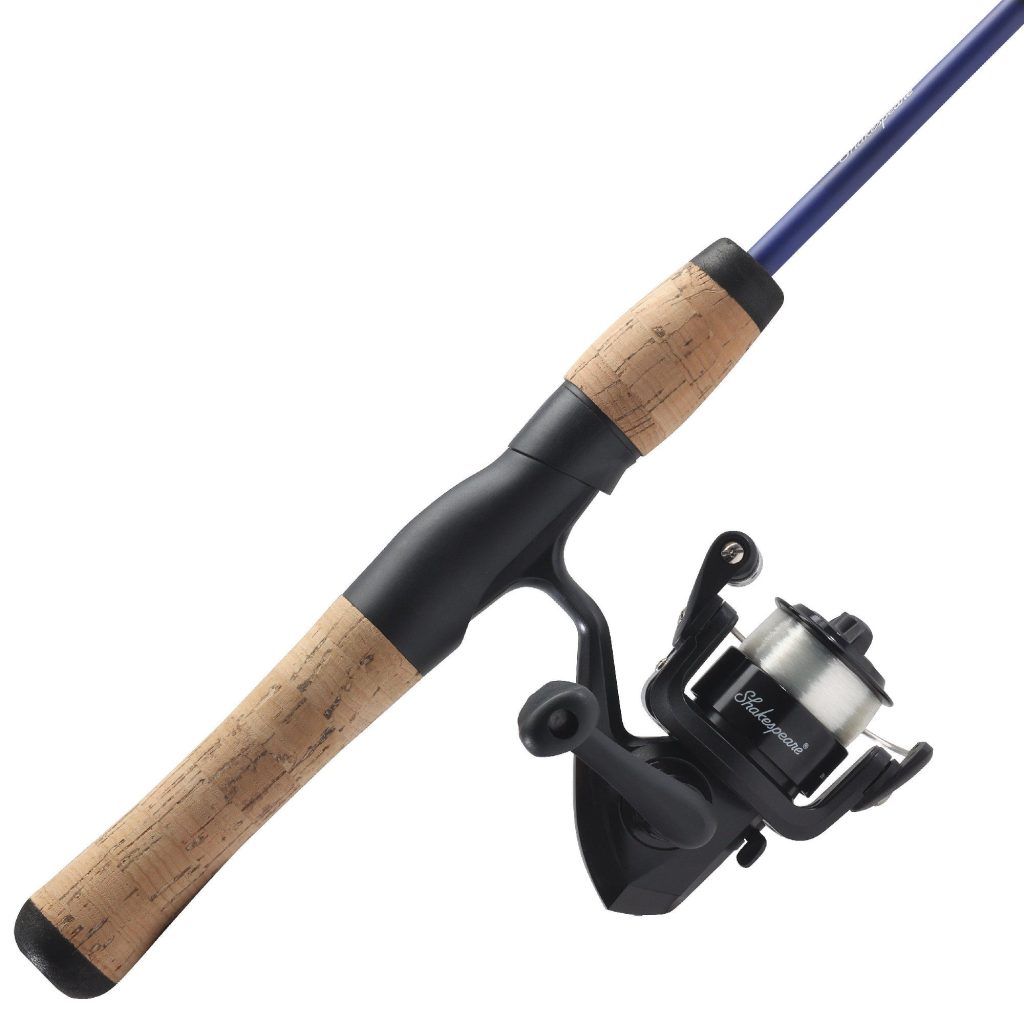
Are you ready to catch more fish with less effort? Learning how to use a spinner fishing rod can change the way you fish forever.
Whether you’re new to fishing or looking to improve your skills, this simple tool can make a big difference. In this guide, you’ll discover easy steps to cast like a pro, choose the right lure, and reel in your catch smoothly.
Keep reading, and you’ll be fishing smarter and having more fun in no time.

Credit: www.reddit.com
Choosing The Right Spinner Rod
Using a spinner fishing rod can make your fishing trips more enjoyable. Picking the right rod is important for better control and success.
This guide will help you understand key features to look for in a spinner rod. You will learn about rod length, power, reels, and fishing lines.
Rod Length And Power
Rod length affects how far and accurate you can cast. A longer rod casts farther, while a shorter rod gives more control.
- Short rods (5 to 6 feet) are good for small streams and close fishing.
- Medium rods (6 to 7 feet) work well in most fishing spots.
- Long rods (7 to 8 feet) help cast long distances in open water.
Power means how strong the rod is. Light power rods are for small fish. Medium to heavy power rods handle bigger fish and heavier lures.
Selecting The Best Reel
Choose a reel that matches your rod and fishing style. Spinning reels are easy to use and work well with spinner rods.
| Reel Size | Best Use | Line Capacity (yards) |
| 1000-2500 | Light fishing, small fish | 100-150 |
| 3000-4000 | Medium fishing, most fish | 150-200 |
| 5000+ | Heavy fishing, big fish | 200+ |
Look for a reel with smooth drag and easy handle. Match the reel weight to your rod for balance.
Line Types And Strength
Line choice affects how you feel bites and how far you can cast. Common types are monofilament, fluorocarbon, and braided lines.
- Monofilament lines are stretchy and good for beginners.
- Fluorocarbon lines are less visible underwater and sink faster.
- Braided lines are very strong and thin but less stretch.
Choose line strength based on the fish you want to catch. Light lines suit small fish, while heavier lines handle big fish and cover.

Credit: www.shakespeare-fishing.com
Essential Spinner Baits
Using a spinner fishing rod can be fun and rewarding. Spinner baits attract fish with their flash and vibration.
To catch more fish, choose the right spinner bait. Learn about blades, colors, and sizes to improve your fishing.
Popular Spinner Blade Styles
Spinner blades come in different shapes. Each shape offers unique movement in the water.
- Willow Blades: Fast and narrow, ideal for clear water.
- Colorado Blades: Round and slow, perfect for murky water.
- Indiana Blades: A mix of willow and Colorado, versatile for various conditions.
Colors And Sizes For Different Conditions
Color and size matter when choosing spinner baits. Match them to water clarity and weather.
| Condition | Color | Size |
| Clear Water | Natural Colors | Small |
| Murky Water | Bright Colors | Large |
| Cloudy Weather | Dark Colors | Medium |
Matching Bait To Target Species
Different fish species prefer different baits. Know your target to select the best spinner bait.
Research what fish like in your area. Talk to local anglers for advice.
Casting Techniques
Using a spinner fishing rod well depends on how you cast. Good casting helps you place the lure where fish are.
Learning different casting techniques improves your chances of catching fish. It also makes fishing more fun.
Proper Casting Form
Hold the rod firmly but not too tight. Keep your elbow close to your body. Use smooth arm movement to cast.
Start with the rod tip low, then bring it back over your shoulder. Flick the rod forward and release the line at the right time.
- Grip the rod handle with your dominant hand
- Keep your wrist straight during the cast
- Watch the rod tip to time your release
- Follow through with your arm after casting
Distance And Accuracy Tips
To cast farther, use longer, smooth strokes with more power. For accuracy, use shorter, controlled casts.
Practice aiming at specific spots. This helps place the lure near fish hiding spots like rocks or weeds.
- Keep the rod tip high for longer casts
- Use your wrist for quick, short casts
- Watch where your lure lands and adjust
- Practice casting into small target areas
Adjusting For Wind And Obstacles
Wind can push your lure off course. Cast with the wind, not against it, for better control.
Look for obstacles like trees or bushes. Use sidearm casts or roll casts to avoid them.
- Face the wind to reduce wind effect on casting
- Use lighter lures on windy days for better flight
- Switch to sidearm casting to clear low branches
- Use roll casting to avoid overhead obstacles
Retrieval Strategies
Using a spinner fishing rod well depends on how you retrieve the lure. The way you reel it in can change how fish react. Different methods can help you catch more fish.
This guide covers key retrieval strategies to try. Focus on speed, pauses, and watching fish behavior. Adjust your technique to improve your chances.
Steady Vs. Variable Speeds
Retrieving at a steady speed keeps the spinner moving smoothly. Fish often like a consistent pace that mimics small swimming prey. But using variable speeds can add extra action to the lure.
- Steady speed creates a regular vibration in the water.
- Variable speed adds bursts of faster and slower movement.
- Changing speeds can trigger strikes from curious fish.
- Try mixing both to see which works best on the water.
Using Pauses And Twitches
Pausing the retrieve lets the spinner stop briefly. This can fool fish into thinking the lure is injured. Twitches add small jerks that look like struggling prey.
| Action | Effect |
| Pause | Draws attention by stopping lure motion |
| Twitch | Creates sudden, erratic movement |
| Pause + Twitch | Mimics weak or dying prey |
Adapting To Fish Behavior
Fish may react differently depending on the day and water conditions. Watch how they respond to your lure and change your retrieval method. Sometimes slow and steady works. Other times quick and erratic is better.
- Observe fish movement and strike patterns.
- Try faster retrieves if fish are active.
- Use slow retrieves if fish seem cautious.
- Change pauses and twitches to match fish mood.
Locating Fish Hotspots
Finding the right spot is key to catching fish with a spinner fishing rod. Fish like areas where they find food and shelter.
Knowing how to spot these areas will help you catch more fish and enjoy your fishing time.
Reading Water Currents
Fish often stay where the water moves slowly or changes speed. Look for places where currents meet or slow down.
These areas bring food and oxygen that attract fish. Use your spinner rod to cast near these spots.
- Look for eddies where water circles back
- Watch for calm spots behind rocks or logs
- Notice where fast water slows near banks
Identifying Structures And Cover
Fish hide near structures that offer protection. These places also provide food and shade.
Check for rocks, fallen trees, weed beds, and docks. Cast your spinner rod close to these areas to attract fish.
- Look for submerged rocks and logs
- Find areas with aquatic plants or weeds
- Check under docks and piers
- Notice drop-offs or ledges in the water
Timing Your Fishing Trips
Fish are more active at certain times of day. Early morning and late afternoon often work best.
Weather and moon phases can also affect fish activity. Plan your trips to match these patterns for better results.
- Fish feed more at dawn and dusk
- Cloudy days can improve fishing
- Fish may be less active during midday heat
- Full and new moons can increase fish bites
Handling And Landing Big Fish
Using a spinner fishing rod to catch big fish can be exciting. It takes skill to handle the rod and land the fish safely.
Knowing how to control the fish and use the right tools helps avoid losing your catch. It also keeps the fish safe if you plan to release it.
Setting The Hook Effectively
When a fish bites, pull the rod back quickly but smoothly. This action sets the hook in the fish’s mouth.
Do not jerk the rod too hard. A strong, steady pull works best to keep the hook secure.
Playing The Fish Safely
Let the fish run at times to tire it out. Keep the rod tip up and apply gentle pressure.
Do not pull too hard or the line may break. Patience helps bring the fish closer slowly and safely.
- Keep steady tension on the line
- Use the rod’s flexibility to absorb pulls
- Avoid sudden jerks or tight pulls
- Watch the fish’s movements closely
Using Nets And Other Tools
A landing net helps you bring the fish out of the water without harm. Choose a net with soft mesh to protect the fish’s scales.
Other tools like pliers can help remove hooks safely. Always handle the fish gently to avoid injury.
- Use a landing net to scoop the fish
- Keep the fish in water as much as possible
- Use pliers to remove hooks carefully
- Hold the fish firmly but gently
Maintenance And Care
Taking care of your spinner fishing rod keeps it working well. Regular maintenance helps your rod last longer.
This guide covers cleaning, storing, and fixing common problems with your fishing rod and reel.
Cleaning Your Rod And Reel
Clean your rod and reel after every use. Salt, dirt, and water can damage them over time.
Use a soft cloth and fresh water to wipe the rod and reel. Avoid harsh chemicals that can harm the finish.
- Rinse the rod and reel with fresh water
- Wipe dry with a soft cloth
- Remove any debris from guides and reel parts
- Lubricate the reel according to the manufacturer’s instructions
Storage Tips
Store your fishing rod in a dry place to stop rust and damage. Keep it away from direct sunlight.
Use a rod rack or holder to keep the rod straight and safe. Avoid leaning it against walls for long times.
- Keep the rod and reel dry before storage
- Store rods vertically or horizontally on a rack
- Cover the reel to protect it from dust
- Check stored rods regularly for damage
Troubleshooting Common Issues
If your spinner rod or reel does not work well, check for common problems. Many issues are easy to fix.
Look for loose parts, stuck reels, or line problems. Fixing these quickly prevents bigger damage.
- Check the reel handle for smooth turning
- Remove tangles or knots in the fishing line
- Tighten any loose screws or fittings
- Clean and lubricate the reel if it feels stiff
- Replace worn or damaged line as needed

Credit: www.shakespeare-fishing.com
Frequently Asked Questions
What Is A Spinner Fishing Rod Used For?
A spinner fishing rod is designed for casting spinnerbaits and other lures. It offers excellent sensitivity and control. This rod helps anglers detect bites quickly and cast accurately. It’s ideal for catching bass, pike, and similar predatory fish.
How Do You Cast With A Spinner Fishing Rod?
To cast, hold the rod firmly and release the line smoothly. Use a flicking motion with your wrist for distance and accuracy. Keep the rod tip low during the cast. Practice helps improve your casting technique effectively.
What Type Of Line Works Best With Spinner Rods?
Monofilament and fluorocarbon lines work well with spinner rods. Both offer good flexibility and strength. Choose a line weight that matches your rod’s specifications. Lighter lines provide better lure action and sensitivity.
How To Maintain A Spinner Fishing Rod Properly?
Rinse the rod with fresh water after each use to remove dirt. Check guides and reel seat for damage regularly. Store the rod in a dry, cool place away from direct sunlight. Proper care extends your rod’s lifespan.
Conclusion
Using a spinner fishing rod can make fishing more fun and effective. Practice casting smoothly to improve your skills. Choose the right spinner for the fish you want to catch. Keep your rod and reel in good shape for best results.
Patience is key; fish may take time to bite. Enjoy the calm and quiet of fishing by the water. With simple steps, anyone can enjoy spinner fishing. Try often and learn from each trip. Fishing with a spinner rod brings joy and relaxation.
Give it a try, and see the difference yourself.