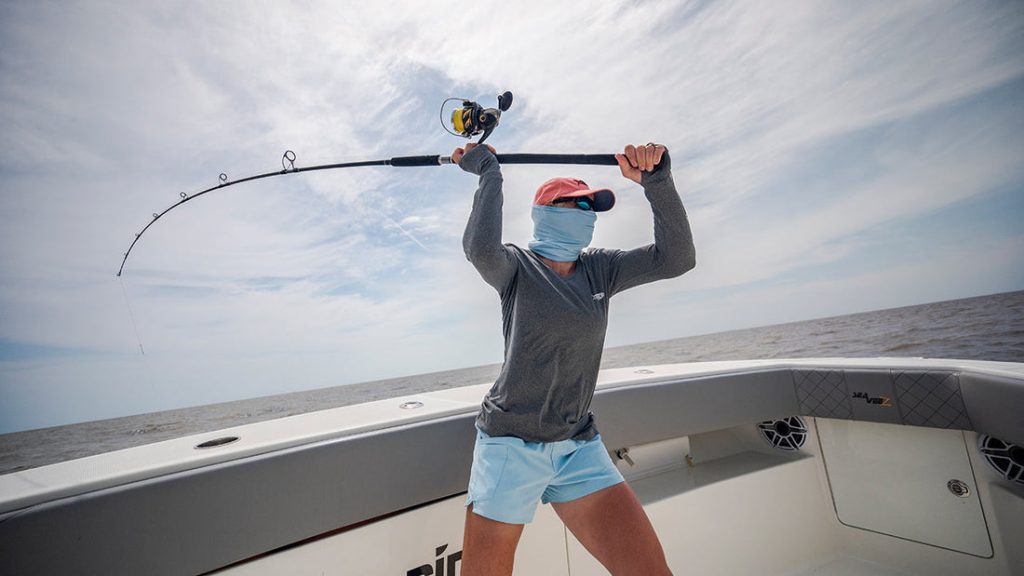
Are you ready to catch more fish with less hassle? Using a spinning fishing rod might seem tricky at first, but once you get the hang of it, it opens up a whole new world of fishing fun.
Whether you’re a beginner or just need a quick refresher, this guide will walk you through every step. You’ll learn how to cast smoothly, control your line, and reel in your catch like a pro. Keep reading, and soon you’ll feel confident holding your spinning rod and landing that perfect fish!

Credit: mysterytacklebox.com
Choosing The Right Spinning Rod
Picking the right spinning rod is key for a good fishing experience. The rod affects how you cast and handle the fish.
This guide covers types of spinning rods, rod length and power, and how to pick the best reel for your rod.
Types Of Spinning Rods
Spinning rods come in different styles. Each style fits different fishing needs and fish sizes.
- Ultralight rods: Great for small fish and light lures.
- Light rods: Good for trout and panfish.
- Medium rods: Versatile for many fish types.
- Medium-heavy rods: Best for bigger fish and heavier lures.
- Heavy rods: Used for large fish and tough conditions.
Rod Length And Power
The length of your rod affects casting distance and control. Power means how strong the rod is.
| Rod Length | Best Use |
| 5 to 6 feet | Close casting, easy control |
| 6 to 7 feet | General purpose fishing |
| 7 to 8 feet | Long casts and bigger fish |
| Over 8 feet | Long distance casting |
| Power | Description |
| Light | Small fish, light lures |
| Medium | Average fish and lures |
| Heavy | Large fish, heavy lures |
Selecting The Best Reel
Choose a reel that matches your rod and fishing style. The right reel helps you cast smoothly and handle fish better.
- Match reel size with rod power.
- Look for smooth drag systems.
- Choose reels with good line capacity.
- Pick reels that feel comfortable in your hand.
- Check if the reel fits your budget and needs.
Setting Up Your Spinning Rod
Setting up your spinning rod correctly helps you fish better. It makes casting easier and improves control.
Follow these steps to prepare your rod before fishing. Each part needs careful attention for the best results.
Attaching The Reel
Attach the reel to the rod’s reel seat. Slide the reel foot into the seat and tighten the locking mechanism. Make sure it is secure and does not move.
Check the reel position to keep it comfortable for your hand. The reel handle should be easy to reach and turn.
Spooling The Line
Spooling the line onto the reel is important for smooth casting. Use the following tips to spool the line correctly:
- Place the line spool on a flat surface with the label facing up.
- Thread the line through the rod guides starting from the tip.
- Attach the line to the reel spool with an arbor knot.
- Keep tension on the line while turning the reel handle slowly.
- Fill the reel spool, leaving about 1/8 inch space from the edge.
Adjusting The Drag
The drag controls how much resistance the fish feels when pulling the line. Set it properly to avoid line breakage or loose fights.
| Drag Setting | Use |
|---|---|
| Light | Small fish, light tackle |
| Medium | Average fish size, general use |
| Heavy | Large fish, heavy tackle |
Turn the drag knob clockwise to increase resistance. Turn it counterclockwise to loosen the drag. Test by pulling the line with your hand.
Casting Techniques For Accuracy
Using a spinning fishing rod well helps you catch fish easier. Casting with accuracy means your lure lands where fish are.
Good casting saves time and avoids scaring fish. Learn simple tips to improve your aim and distance.
Basic Casting Steps
Start by holding the rod with your dominant hand. Keep the line tight and the reel open.
Bring the rod tip behind you smoothly. Then, swing it forward to release the line at the right moment.
- Hold the rod firmly but relaxed
- Pull the line slightly with your finger
- Smoothly move the rod back
- Swing the rod forward quickly
- Let go of the line at the peak of the forward swing
Improving Distance
To cast farther, use the rod’s full length during your swing. A faster, smooth motion adds power to the cast.
Keep the line straight and avoid slack. Using lighter lures also helps increase distance.
- Use a longer, smooth rod movement
- Increase your swing speed
- Keep the fishing line tight
- Choose lighter lures for easier casting
Avoiding Common Casting Mistakes
Do not release the line too early or too late. This causes the lure to fall short or go off target.
Check that the line is not tangled. Avoid jerky movements that can scare fish or cause backlash.
- Time the line release properly
- Keep the line free from knots
- Use smooth, controlled rod movements
- Do not cast too hard or too soft

Credit: mysterytacklebox.com
Retrieving And Fighting Fish
Using a spinning fishing rod well helps you catch fish more often. Retrieving the line and fighting fish need care and skill.
Good techniques make the fishing experience fun and safe for both you and the fish.
Effective Retrieval Methods
Retrieving means pulling the fishing line back after casting. How you retrieve affects how fish react to your bait or lure.
Try these common retrieval styles to attract different fish:
- Slow and steady: Reel in slowly to mimic a calm swim.
- Stop and go: Reel a bit, pause, then reel again to look like a wounded prey.
- Fast and jerky: Reel quickly with small jerks to imitate a fleeing baitfish.
- Twitching: Use small rod tip movements while reeling to add action.
Handling Different Fish Species
Each fish species fights differently. Knowing their habits helps you manage the fight better.
Some fish pull hard and fast, while others try to swim deep or jump out of water. Adjust your rod and drag settings based on the fish.
- For strong fish, keep a steady pressure and let them tire out.
- For small fish, reel quickly to keep control and avoid slack line.
- Use light drag for fish that jump to prevent line breakage.
- Keep the rod tip up to reduce line slack and improve hook hold.
Landing Your Catch Safely
Landing fish carefully protects them and your gear. It also makes releasing fish easier if you want to.
Follow these tips to land your catch safely:
- Use a net to lift the fish out of water gently.
- Keep the fish in water while removing the hook if possible.
- Handle fish with wet hands to protect their skin and scales.
- Do not pull the fish hard; guide it slowly to shore or boat.
Maintenance And Care Tips
Keeping your spinning fishing rod in good shape helps it last longer. Proper care makes your fishing trips more enjoyable.
Learn simple ways to clean, store, and fix common problems with your rod and reel.
Cleaning Your Rod And Reel
Clean your rod and reel after every use, especially if you fish in saltwater. Salt and dirt can cause damage over time.
- Rinse the rod and reel with fresh water gently.
- Use a soft cloth to wipe off dirt and grime.
- Apply reel oil to moving parts to keep them smooth.
- Check guides and remove any debris stuck inside.
- Dry all parts completely before storing.
Storage Recommendations
Store your fishing rod in a dry place away from direct sunlight. Avoid bending or putting heavy items on it.
| Storage Tip | Reason |
| Use a rod rack or holder | Keeps rod straight and safe |
| Keep reel covered | Protects from dust and dirt |
| Store indoors | Prevents weather damage |
| Loosen drag on reel | Extends reel life |
Troubleshooting Common Issues
Some problems with your rod and reel are easy to fix. Check these common issues before fishing again.
- Line tangles: Untangle gently and check for damaged line.
- Reel sticking: Clean and oil the reel parts.
- Loose guides: Tighten or replace damaged guides.
- Drag not working: Adjust or clean the drag system.
Advanced Tips For Better Results
Using a spinning fishing rod well takes practice and skill. These advanced tips can help you catch more fish. Focus on the type of lures, weather, and water conditions.
Each factor affects how fish behave and where they hide. Adjust your approach to improve your chances of success.
Using Lures And Baits
Choose lures that match the fish diet in your fishing spot. Change lure size and color based on water clarity and light.
- Use bright lures in clear water on sunny days.
- Pick dark or natural colors in murky water or low light.
- Vary lure speed to find what triggers bites.
- Try live bait for picky fish or tough conditions.
- Match lure type to fish species for better results.
Adapting To Weather Conditions
Weather affects fish activity and feeding times. Watch for changes in wind, temperature, and sunlight.
| Weather | Fishing Tip |
| Sunny and calm | Fish near shade or deep water |
| Cloudy or overcast | Fish stay active all day |
| Windy | Cast into the wind for better lure control |
| Cold front | Fish slow down; use smaller lures |
| Warm front | Fish feed actively near surface |
Reading Water And Fish Behavior
Look for signs of fish activity to pick the best spots. Watch how fish move and where they gather.
- Ripples or splashes on the water surface
- Birds diving near water edges
- Fish jumping or feeding on insects
- Areas with underwater plants or rocks
- Shadows or movement beneath the water

Credit: profishingbyjihad.com
Frequently Asked Questions
How Do You Set Up A Spinning Fishing Rod?
To set up a spinning fishing rod, attach the reel to the rod. Next, thread the fishing line through the rod guides. Finally, tie your preferred lure or bait to the end of the line. Ensure everything is secure and test the setup before casting.
What Is The Best Way To Cast A Spinning Rod?
The best way to cast a spinning rod is by holding the rod firmly. Open the bail arm, and use your index finger to hold the line. Swing the rod back and then forward, releasing the line at the right moment for an accurate cast.
How Do You Maintain A Spinning Fishing Rod?
Maintaining a spinning fishing rod involves regular cleaning and inspection. Rinse your rod and reel with fresh water after each use. Check for any damage, and ensure all parts are functioning correctly. Lubricate moving parts and store the rod in a dry place.
What Line Should I Use On A Spinning Reel?
Use a monofilament, fluorocarbon, or braided line, depending on your fishing conditions. Monofilament is versatile and affordable. Fluorocarbon is nearly invisible underwater and resistant to abrasion. Braided line is strong and suitable for heavy cover. Choose the line that best suits your fishing environment.
Conclusion
Using a spinning fishing rod can make fishing more fun and easy. Practice casting to improve your skill and accuracy. Choose the right bait and keep your rod steady. Watch the water and feel for any bites. Patience is key; fish don’t always bite fast.
Enjoy the calm and quiet while waiting. With time, you will catch more fish and enjoy each trip. Remember, fishing is about relaxing and having fun outdoors. Try different spots and techniques to find what works best for you. Keep fishing and enjoy every moment by the water.