Are you ready to take your fishing game to the next level? Learning how to use a spinning reel fishing rod can make your time on the water more fun and successful.
Whether you’re a beginner or just need a quick refresher, this guide will show you simple steps to cast, reel, and catch fish like a pro. By the end, you’ll feel confident and eager to try your skills out on your next fishing trip.
Keep reading, and let’s get you hooked on fishing the right way!

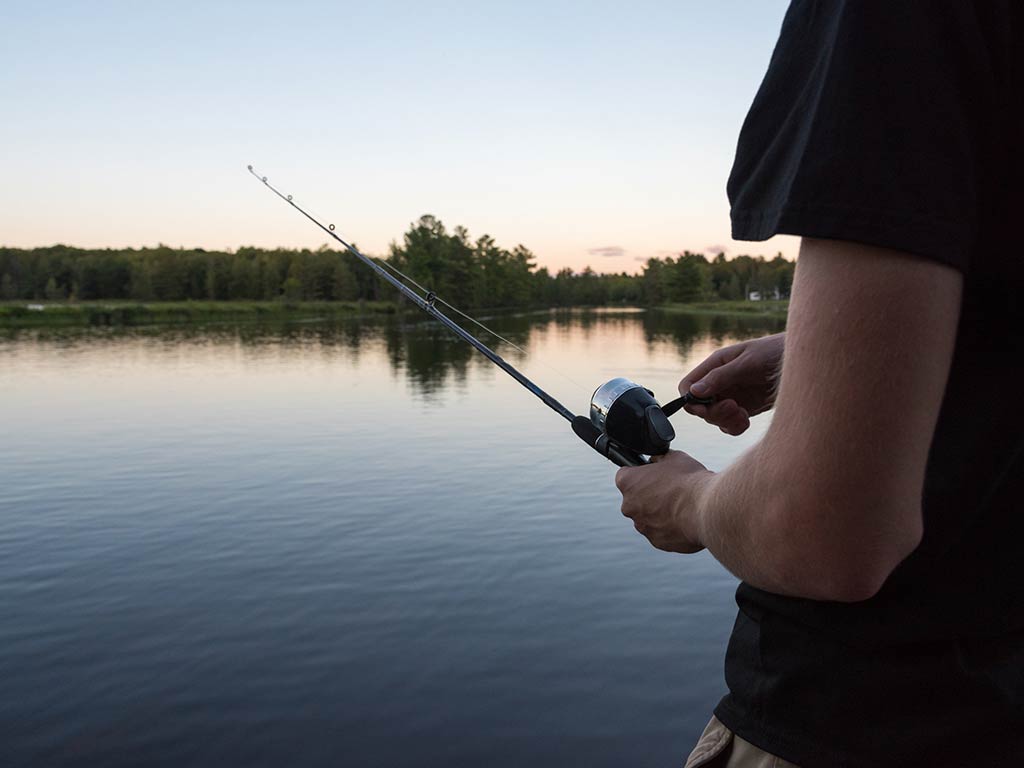
Credit: fishingbooker.com
Choosing The Right Spinning Reel
Picking the right spinning reel is important for a good fishing experience. It helps you cast better and catch fish more easily.
There are different types and sizes of spinning reels. Knowing which one fits your rod and fishing style makes a big difference.
Types Of Spinning Reels
Spinning reels come in several types. Each type works best for certain fishing situations and skill levels.
- Fixed spool reels are common and easy to use.
- Closed face reels have a cover to protect the line.
- Open face reels let you see the spool and are more versatile.
Matching Reel With Rod
Your spinning reel should match the rod size and power. This balance helps you cast smoothly and control the fish.
A light rod needs a smaller reel. A heavy rod needs a larger reel to handle bigger fish and lines.
- Match reel weight with rod weight.
- Check rod line rating and choose a reel for that line size.
- Use reels designed for spinning rods, not baitcasting rods.
Reel Size And Gear Ratio
Reel size affects how much line the reel holds and how heavy it is. Gear ratio shows how fast the reel spins.
Smaller reels work well for light fishing. Larger reels hold more line for big fish. A high gear ratio means faster line retrieval.
| Reel Size | Best Use | Gear Ratio | Effect |
|---|---|---|---|
| 1000-2500 | Small fish, light line | 5.0:1 – 6.0:1 | Moderate speed |
| 3000-4000 | Medium fish, all-around | 6.0:1 – 7.0:1 | Fast retrieval |
| 5000+ | Large fish, heavy line | 4.5:1 – 5.5:1 | Strong torque |
Setting Up Your Spinning Reel
Fishing with a spinning reel is fun and easy. Setting up your reel correctly is important for a great fishing experience.
Follow these steps to attach the reel, spool the line, and adjust the drag system. This will help you catch fish more easily.
Attaching The Reel To The Rod
First, make sure the reel seat is open. The reel seat holds the reel in place on the rod.
Slide the reel foot into the reel seat. Tighten the reel seat until the reel is secure.
- Check that the reel is aligned with the rod guides
- Ensure the reel does not wobble
- Make sure the reel is snug but not too tight
Spooling The Line Correctly
Spooling the line is a key step. Proper spooling prevents tangles.
Begin by tying the line to the spool. Use a knot that is strong and secure.
| Step | Description |
| 1 | Tie the line to the spool with an arbor knot |
| 2 | Hold the line tight and start reeling |
| 3 | Fill the spool up to about 1/8 inch from the edge |
Adjusting The Drag System
The drag system controls the tension of the line. It prevents the line from breaking when a fish pulls hard.
Turn the drag knob on the top or front of the reel. Adjust it so the line comes off smoothly but with some resistance.
- Test the drag by pulling the line with your hand
- Adjust until there is enough tension to slow a fish
- Do not set the drag too tight to avoid line breakage
Casting Techniques For Accuracy
Using a spinning reel fishing rod well helps you cast your line with better control. Accurate casting puts your bait exactly where the fish are.
This guide covers key casting techniques to improve your aim and catch more fish.
Basic Casting Steps
Start by holding the rod with your dominant hand and the reel with the other hand. Open the bail arm to release the line. Hold the line with your index finger against the rod to prevent it from running out.
- Bring the rod tip behind you smoothly.
- Swing the rod forward with a steady motion.
- Release your finger from the line at the right moment.
- Close the bail arm manually after the lure hits the water.
Improving Distance
To cast farther, use a longer and smoother motion. Keep the rod tip low during the forward cast. Let the lure do the work by allowing it to pull the line out.
| Technique | Tip |
| Rod Angle | Keep 45 degrees for max distance |
| Line Release | Let go of line smoothly at the cast peak |
| Rod Speed | Use a steady, accelerating motion |
| Grip | Hold firmly but relaxed |
Avoiding Line Tangles
Line tangles ruin casting accuracy and waste time. Prevent tangles by checking line condition and spooling correctly.
- Use the right line weight for your rod.
- Keep the bail arm open only during the cast.
- Do not crank the reel too fast after the lure lands.
- Check for twists in the line before casting.
- Practice smooth, consistent casting motions.
Retrieving And Hooking Fish
Using a spinning reel fishing rod needs skill to catch fish. Retrieving and hooking fish are key parts of fishing.
Learning how to pull your line and set the hook helps you catch more fish. This guide explains how to do it well.
Types Of Retrieve
Different retrieves attract different fish. Choose the right one based on the fish you want to catch and water conditions.
- Steady Retrieve: Reel in at a constant speed for a natural bait movement.
- Stop and Go: Reel then pause to make the bait look like a struggling fish.
- Twitch Retrieve: Quickly jerk the rod tip to make the lure dart and flash.
- Slow Retrieve: Reel slowly to attract fish that prefer calm bait.
Timing Your Hook Set
Setting the hook means pulling the rod to catch the fish on your line. Timing is very important for this step.
Wait until you feel a strong pull or the line tightens. Then pull the rod upward with a quick, firm motion.
- Do not set the hook too early or the fish may not bite fully.
- Do not wait too long or the fish may spit the bait.
- Practice helps you feel the right moment to set the hook.
Playing And Landing Fish
Once hooked, play the fish to tire it out. Use the rod and reel to control its movements.
Keep steady pressure on the fish by lifting the rod and reeling in the slack line slowly. Do not let the line go loose.
- Use the rod to guide the fish away from obstacles.
- Let the fish run if it pulls hard, then reel in when it slows.
- When the fish is tired, slowly bring it close for landing.
Maintenance And Care Tips
Using a spinning reel fishing rod often means giving it proper care. Keeping your reel clean and well-maintained helps it last longer.
Simple maintenance steps can prevent damage and improve performance on every fishing trip.
Cleaning Your Reel
Rinse your reel gently with fresh water after each use. Avoid strong sprays that can push dirt inside. Wipe it dry with a soft cloth.
- Use a soft brush to remove dirt from crevices.
- Clean the spool and handle areas carefully.
- Do not use harsh chemicals that can damage the finish.
- Dry the reel completely before storage.
Lubrication Essentials
Lubricate your reel to keep it working smoothly. Use oil and grease made for fishing reels. Apply small amounts to moving parts.
| Part | Type of Lubricant | Frequency |
| Bearings | Light Oil | After every few uses |
| Gears | Grease | Monthly or after heavy use |
| Handle Knob | Light Oil | Monthly |
| Spool Shaft | Light Oil | After cleaning |
Storage Best Practices
Store your reel in a dry place away from sunlight. Avoid damp areas that cause rust. Loosen the drag to reduce pressure on parts.
- Keep the reel in a protective case or cover.
- Do not store the reel with fishing line tightly wound.
- Check stored reels regularly and clean if needed.
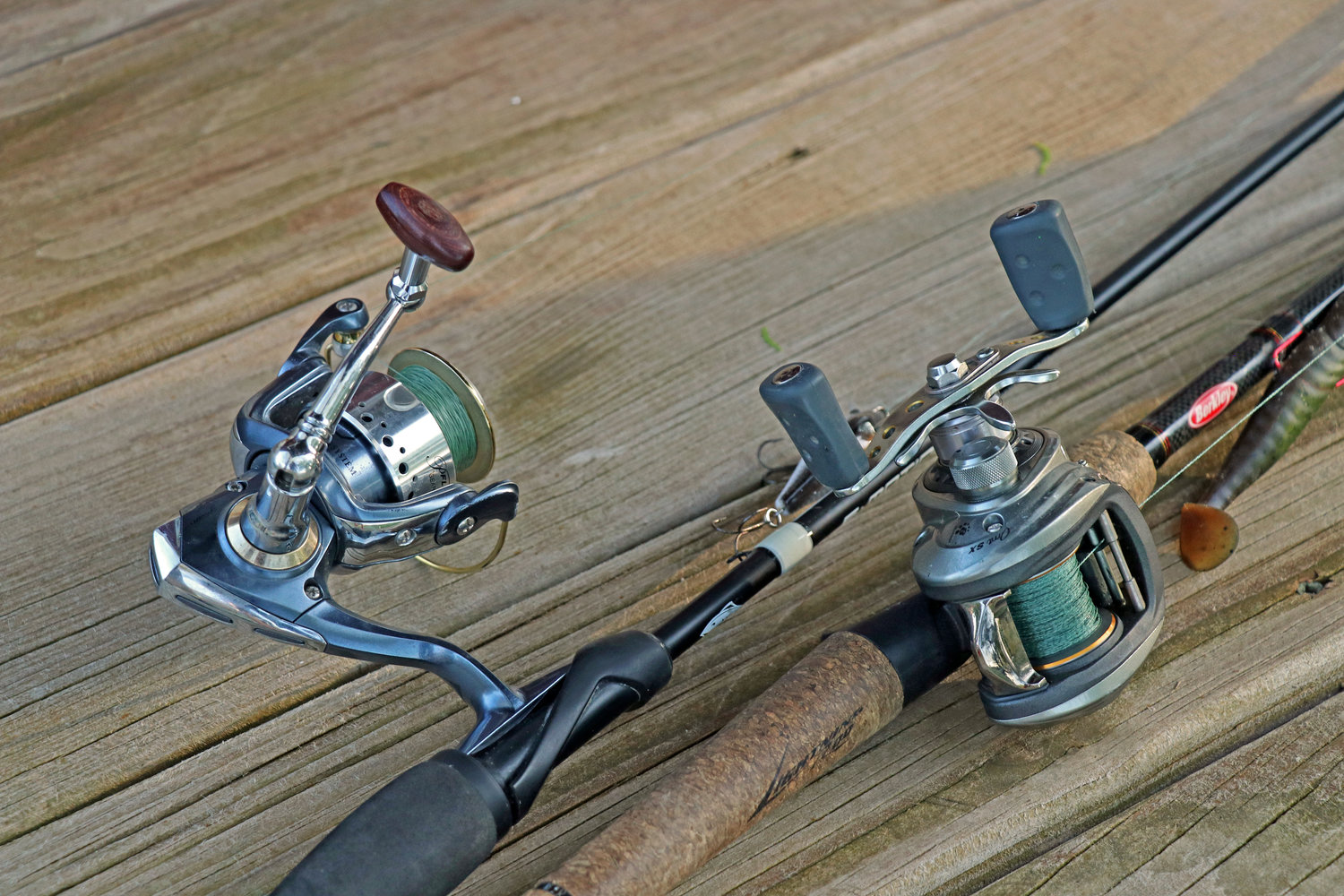
Credit: www.texaskayakfisher.com
Common Mistakes To Avoid
Using a spinning reel fishing rod can be fun and effective. Avoiding common errors helps you fish better and protect your gear.
Here are some mistakes that beginners often make. Fixing these will improve your fishing experience.
Overtightening The Drag
Many anglers tighten the drag too much. This can cause the line to break or tire the fish quickly.
Keep these tips in mind for setting drag correctly:
- Set drag so the fish pulls line smoothly
- Test drag by pulling line with your hand
- Adjust drag according to fish size
- Loosen drag after fighting a fish
Incorrect Casting Habits
Wrong casting wastes energy and scares fish away. Common errors include jerky motions and wrong wrist use.
| Error | Effect |
| Jerky casting | Line tangles and poor distance |
| Incorrect wrist flick | Less control and accuracy |
| Too fast release | Wind knots and backlash |
| Too slow release | Short casts and poor bait placement |
Ignoring Line Wear
Line wear causes breaks and lost fish. Anglers often forget to check or replace old line.
Watch for these signs of line wear:
- Discoloration or fading
- Frays or nicks in the line
- Rough feeling when running through fingers
- Reduced casting distance

Credit: mysterytacklebox.com
Frequently Asked Questions
How Do You Cast With A Spinning Reel Fishing Rod?
To cast, open the bail, hold the line with your finger, and swing the rod forward. Release the line at the right moment for distance and accuracy. Close the bail manually after the lure lands to avoid tangles.
What Is The Best Way To Retrieve The Line?
Retrieve the line by turning the reel handle smoothly and steadily. Adjust your speed to mimic prey movement. Use pauses or twitches to attract fish. Avoid jerky motions to prevent line tangles or losing the catch.
How Do You Maintain A Spinning Reel Fishing Rod?
Clean the reel regularly with fresh water and dry it thoroughly. Lubricate moving parts with reel oil. Check for loose screws or damaged components. Store the rod in a cool, dry place away from direct sunlight.
When Should You Use A Spinning Reel Fishing Rod?
Use a spinning reel rod for light to medium fishing, ideal for small to medium fish. It works well in freshwater and saltwater environments. It’s perfect for beginners due to its ease of use and versatility.
Conclusion
Using a spinning reel fishing rod takes practice and patience. Start slow and focus on your casting technique. Keep your rod steady and watch your line closely. Adjust your drag to match the fish size. Enjoy the calm and fun of fishing outdoors.
With time, your skills will improve naturally. Remember, fishing is about relaxing and having fun. Try different spots and baits to find what works best. Stay safe and respect nature while fishing. Happy fishing!