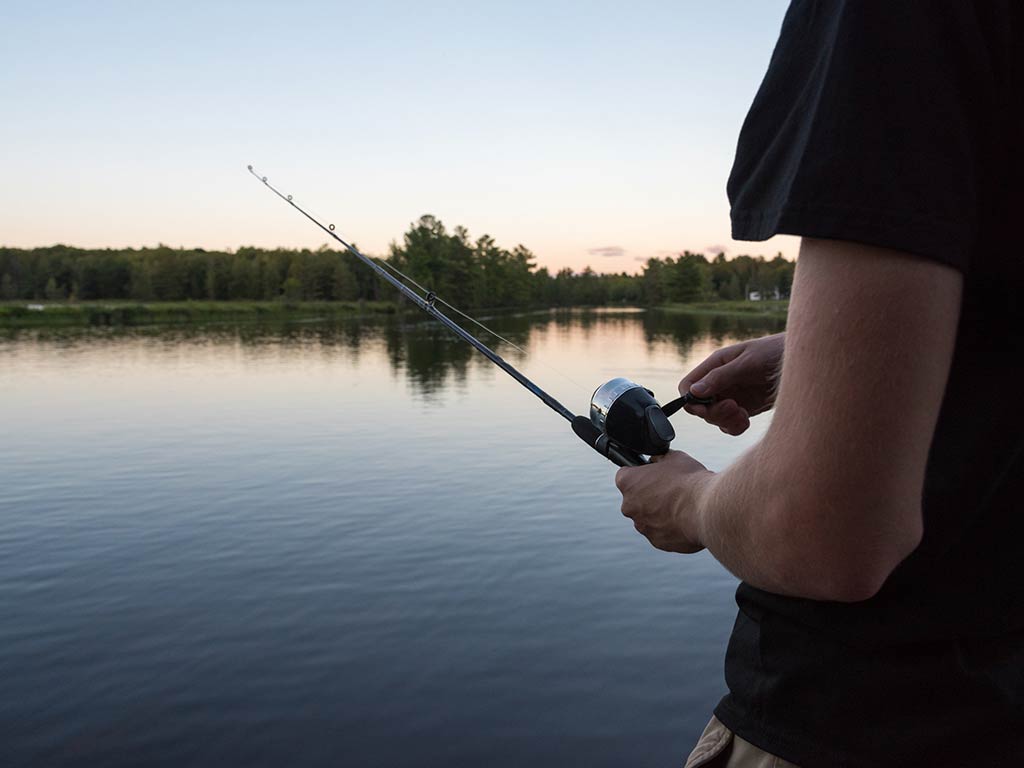
If you want to catch more fish and enjoy your time by the water, learning how to use a spinning reel fishing rod is a great place to start. You might think it’s complicated, but it’s actually easier than you imagine.
This guide will walk you through every step, from setting up your rod to casting like a pro. By the end, you’ll feel confident and ready to reel in your next big catch. Keep reading—you’re about to discover tips that will change the way you fish forever.
Choosing The Right Spinning Reel
Choosing the right spinning reel is important for a good fishing experience. The reel helps you cast your line and catch fish with ease.
There are different types of spinning reels. Picking one that fits your rod and fishing style makes fishing more fun and effective.
Types Of Spinning Reels
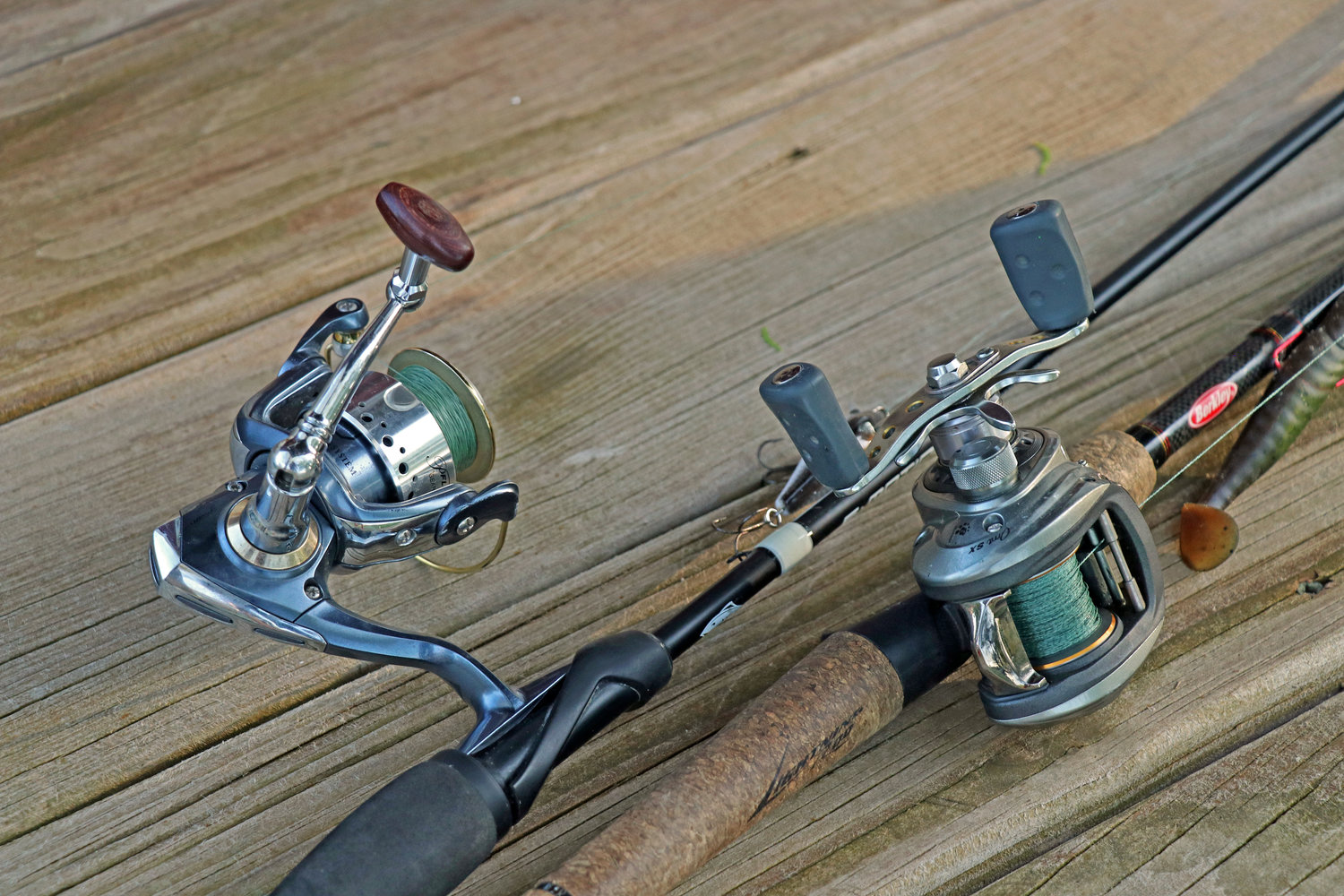
Spinning reels come in several types based on size and features. Each type works best for specific fishing needs.
- Entry-level reels are light and easy to use for beginners.
- Mid-range reels offer better durability and smoothness.
- High-end reels have advanced features for serious anglers.
- Saltwater reels resist corrosion from salt and last longer.
Matching Reel To Rod
Your reel should match the rod’s size and power. A balanced rod and reel feel better in your hands.
Use a light reel with a light rod. Use a heavier reel with a strong rod for big fish.
- Light rods pair with small reels for small fish.
- Medium rods work well with medium reels for general fishing.
- Heavy rods need big reels for large fish and strong lines.
Reel Size And Gear Ratio
Reel size shows how much line the reel holds. Gear ratio shows how fast the reel retrieves line.
Choose reel size and gear ratio based on the fish you want to catch and your fishing style.
| Reel Size | Best For | Gear Ratio | Speed Description |
|---|---|---|---|
| 1000-2500 | Small fish, light lines | 5.0:1 – 6.0:1 | Slow to medium speed |
| 3000-4000 | Medium fish, general use | 5.5:1 – 6.5:1 | Medium speed |
| 5000 and up | Large fish, heavy lines | 6.0:1 – 7.0:1 | Fast retrieval |
Setting Up Your Spinning Reel
Setting up your spinning reel correctly helps you fish better. It makes casting smooth and prevents line problems.
This guide shows how to attach the reel, spool the line, and adjust drag settings.
Attaching The Reel To The Rod
Start by placing the reel foot into the rod’s reel seat. Make sure it fits snugly.
Tighten the reel seat so the reel does not move. A loose reel can cause casting problems.
Spooling The Line Correctly
Run the fishing line through the rod guides starting from the tip. Then tie it to the spool of the reel.
Keep tension on the line while winding it onto the spool. This prevents tangles and loose coils.
- Use your fingers to hold the line tight
- Wind slowly and evenly
- Fill the spool to about 1/8 inch from the edge
Adjusting Drag Settings
The drag controls how much resistance the fish feels when pulling the line. Set it before you start fishing.
Turn the drag knob clockwise to increase resistance. Turn it counterclockwise to loosen it.
- Set drag to about one-third of your line’s breaking strength
- Tight drag can break the line
- Loose drag lets fish pull too much line
Casting Techniques For Spinning Reels
Using a spinning reel fishing rod takes practice. Good casting helps you reach fish and catch more.
This guide shows simple casting tips for spinning reels. Follow these to improve your fishing skills.
Basic Casting Steps
Start by holding the rod with your dominant hand. Keep the reel below the rod.
Open the bail arm to let the line move freely. Hold the line with your finger to control it.
- Pull the rod back smoothly.
- Swing the rod forward in one motion.
- Release your finger from the line at the right time.
- Close the bail arm after the lure lands in water.
Improving Casting Distance
To cast farther, use a longer and faster rod motion. Make your wrist snap forward quickly.
Choose lighter lures and thinner fishing lines. They fly through the air easier and go farther.
- Keep your rod tip low during the cast.
- Use smooth and controlled rod movements.
- Practice timing your line release perfectly.
- Use quality line suited for long casts.
Avoiding Common Casting Mistakes
Do not open the bail arm too early or late. This can cause line tangles.
Don’t release the line too soon or too late. This leads to poor accuracy and short casts.
- Do not jerk the rod; keep motions smooth.
- Avoid overfilling the spool with line.
- Check the line for twists and knots before casting.
- Practice casting in open areas to reduce errors.

Credit: fishingbooker.com
Retrieving And Fighting Fish
Using a spinning reel fishing rod requires skill in retrieving the line and fighting fish. Proper techniques help you catch fish more easily.
This guide explains how to retrieve the line correctly and handle fish during the fight to avoid losing your catch.
Proper Retrieval Methods
Retrieving means reeling the line back after casting. Keep the rod tip up to avoid tangles. Use smooth and steady turns of the reel handle.
Vary your speed to attract different fish. Slow retrieval works for some fish. Fast retrieval works for others. Try both to see what works best.
- Keep steady reel speed
- Pause sometimes during retrieval
- Lift the rod tip to keep tension
- Change speed to find what fish like
Handling Different Fish Species
Different fish fight in different ways. Small fish pull lightly. Big fish pull hard and try to swim away fast.
Adjust how you fight fish by watching their behavior. Use gentle pressure on small fish. Use stronger pressure on big fish but avoid breaking the line.
- Small fish: reel in gently
- Medium fish: keep steady pressure
- Large fish: let them run to tire out
- Watch fish movement and adjust pressure
Using Drag During A Fight
The drag system controls how much line the fish can pull out. Set the drag before fishing. It should be tight but allow some line to come out.
During the fight, let the fish pull line if it runs hard. Tighten the drag if the fish slows down. This stops the fish from breaking the line.
- Set drag to about one-third of line strength
- Let fish pull line during strong runs
- Tighten drag to reel fish in later
- Adjust drag to avoid line break
Maintenance And Care Tips
Taking care of your spinning reel fishing rod keeps it working well. Regular maintenance helps you avoid problems and lasts longer.
Follow simple cleaning, lubrication, and storage steps. Learn how to fix common issues quickly.
Cleaning Your Spinning Reel
Cleaning your spinning reel removes dirt and salt that cause damage. Use fresh water and a soft cloth after each use.
- Rinse the reel with fresh water gently.
- Wipe the reel with a soft cloth to dry.
- Remove the spool to clean inside carefully.
- Use a soft brush to clear dirt from small parts.
- Dry all parts completely before reassembly.
Lubrication And Storage
Lubricate moving parts to keep the reel smooth. Use light oil made for fishing reels. Store your rod and reel in a dry place.
| Maintenance Task | Recommended Action |
| Lubricate Bearings | Apply light reel oil every few uses |
| Grease Gears | Use reel grease once a season |
| Storage Location | Keep in a cool, dry place away from direct sun |
| Loosen Drag | Reduce drag pressure during storage |
Troubleshooting Common Issues
If your reel feels stiff or noisy, check for dirt or lack of oil. Tight lines or poor casting may need adjustment.
- Clean and oil the reel if it feels rough.
- Check the line for tangles or damage.
- Adjust the drag to avoid line breakage.
- Replace worn parts if necessary.
- Consult the user manual for specific fixes.

Credit: mysterytacklebox.com
Advanced Tips For Better Fishing
Fishing with a spinning reel rod takes skill and practice. Using the right methods can improve your catch rate. This guide shares advanced tips to help you fish smarter.
Learn how to choose lures, adjust to weather, and increase your casting accuracy. These tips work for both fresh and saltwater fishing.
Using Different Lures And Baits
Selecting the right lure or bait is key to attracting fish. Change your choice based on fish type and water conditions to get better results.
- Use soft plastic baits for slow retrieves and natural movement.
- Try spinnerbaits in murky water to create vibrations fish can sense.
- Switch to live bait like worms or minnows for picky feeders.
- Match lure color to local prey for higher strike chances.
- Change lure size depending on fish size and activity level.
Adapting To Weather And Water Conditions
Weather and water affect fish behavior. Adjust your fishing style based on these factors to improve success.
| Condition | Best Approach | Notes |
| Bright Sunny Day | Use natural-colored lures | Fish stay deeper or near shade |
| Cloudy or Overcast | Try bright or flashy lures | Fish are more active and near surface |
| Windy | Use heavier lures | Wind stirs water, fish feed more |
| Cold Water | Fish slowly with small baits | Fish metabolism slows down |
| Warm Water | Use faster retrieves | Fish are more aggressive |
Improving Accuracy And Control
Good casting accuracy helps place your lure where fish are hiding. Control the reel and rod to improve your catch rate.
Follow these tips for better control:
- Hold the rod firmly but relaxed for smooth casts.
- Use your wrist to guide the lure’s direction.
- Practice short casts to build accuracy.
- Keep your line tight to feel bites quickly.
- Adjust drag settings to avoid line breaks when reeling in big fish.
Credit: www.texaskayakfisher.com
Frequently Asked Questions
How Do I Set Up A Spinning Reel Fishing Rod?
To set up, attach the reel to the rod’s reel seat tightly. Thread the line through the guides from bottom to top. Tie a suitable knot to secure the line to the reel spool. Adjust the drag to prevent line breakage during fish fights.
What Is The Best Casting Technique For Spinning Reels?
Hold the rod with your dominant hand and open the bail. Use a smooth forward motion to cast, releasing the line at the right moment. Close the bail manually to avoid line tangles. Practice improves accuracy and distance.
How Do I Maintain A Spinning Reel For Longevity?
Rinse with fresh water after each use to remove salt and dirt. Lubricate moving parts regularly with reel oil. Store in a dry place to prevent rust. Regular maintenance ensures smooth performance and extends reel life.
When Should I Adjust The Drag On A Spinning Reel?
Adjust the drag before fishing based on the target fish’s size. Tighten for larger fish to prevent line snapping. Loosen for smaller fish to avoid pulling the hook out. Proper drag settings improve catch success.
Conclusion
Using a spinning reel fishing rod can make fishing fun and easy. Practice casting slowly to improve your skill. Choose the right bait and reel settings for best results. Pay attention to the water and fish behavior. Stay patient and enjoy the quiet moments by the water.
With time, your confidence and success will grow. Keep trying, and fishing will become more rewarding. Simple steps lead to great fishing days.