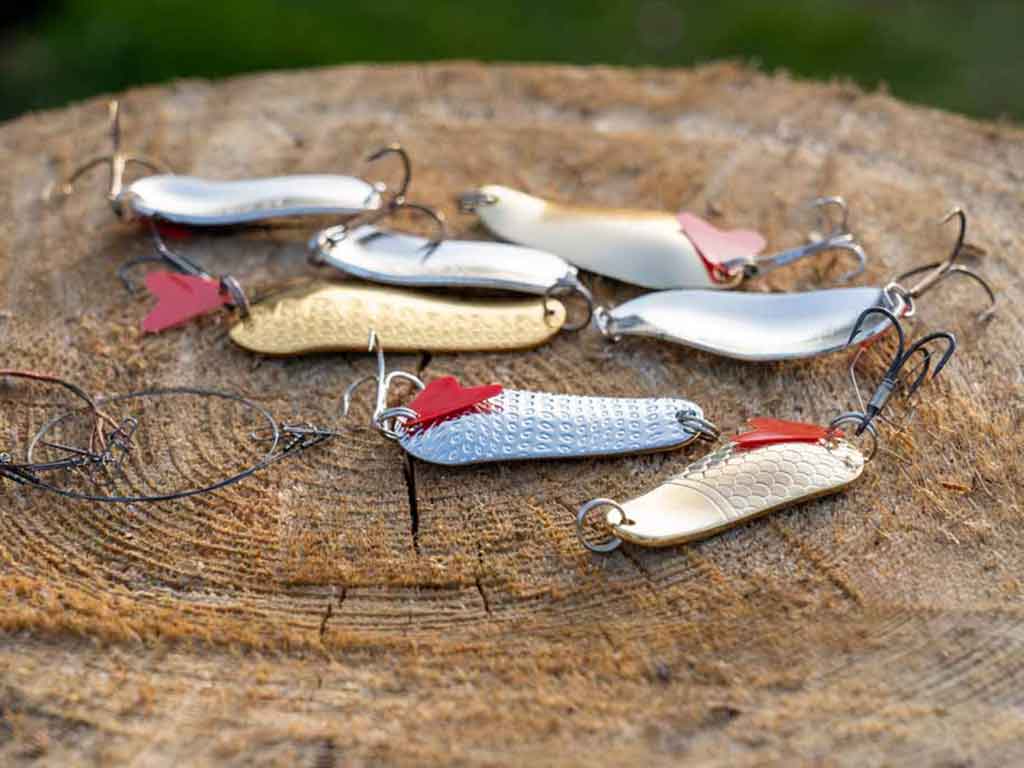
If you want to catch more fish, knowing how to use a spoon fishing lure can make all the difference. This simple yet effective tool can attract a variety of fish, but only if you use it the right way.
In this guide, you’ll discover easy tips and tricks that will help you master the spoon lure quickly. By the end, you’ll feel confident casting your line and reeling in your next big catch. Ready to boost your fishing game?
Let’s dive in.

Credit: www.amazon.com
Choosing The Right Spoon Lure
Picking the right spoon fishing lure is key for a good catch. The right lure helps you attract fish easily.
Consider the lure’s size, color, and type of fish you want to catch. These factors improve your chances.
Size And Weight Matters
Choose the size and weight based on water depth and fish size. Heavier lures sink faster in deep water.
Lighter lures work well in shallow water and slow currents. Match lure size to the fish you want.
- Small and light for panfish and trout
- Medium size for bass and walleye
- Large and heavy for pike and muskie
Color And Finish Options
Colors and finishes affect how fish see the lure. Bright colors stand out in murky water.
Shiny finishes reflect light well in clear water. Matte finishes work better on cloudy days.
- Bright colors like chartreuse and orange for low visibility
- Natural colors like silver and gold for clear water
- Glossy finishes for sunny conditions
- Matte finishes for overcast weather
Matching Lure To Target Fish
Know what type of fish you want to catch. Different fish prefer different lure actions.
Use smaller spoons for trout and panfish. Bigger spoons attract predator fish like pike.
- Trout: small, lightweight spoons with natural colors
- Bass: medium spoons with bright or flashy finishes
- Pike and muskie: large, heavy spoons with bold colors
Essential Gear For Spoon Fishing
Spoon fishing is a fun way to catch fish. It requires some special gear to be effective.
With the right equipment, you’ll have a better chance of success. Here are the essentials you need.
Best Rod And Reel Combos
Choosing the right rod and reel combo is important. It can make your fishing experience more enjoyable.
A medium-action rod works well for spoon fishing. Pair it with a spinning reel for smooth casting.
- Medium-action rod: 6 to 7 feet long
- Spinning reel with a smooth drag system
- Lightweight for easy handling
Line Types And Strength
Using the right line can improve your chances of catching fish. It should be strong enough for the fish you target.
Monofilament line is popular for spoon fishing. It offers stretch and is easy to handle.
- Monofilament line: 6 to 12-pound test
- Fluorocarbon for clear water conditions
- Braid for heavy cover areas
Additional Tackle To Carry
Besides the rod, reel, and line, other tackle is useful. These items help you adapt to different fishing situations.
Carry a variety of spoons in different sizes and colors. This allows you to change based on water conditions.
- Assorted spoon lures
- Fishing pliers for hook removal
- Tackle box for easy organization
Casting Techniques For Spoon Lures
Spoon lures are popular for their shiny, wobbling action that attracts fish. Casting them correctly helps cover more water and catch more fish.
Good casting skills improve how far and accurately you place the lure. This guide covers key tips for casting spoon lures well.
Long Distance Casting Tips
To cast a spoon lure far, use a smooth and steady motion. Avoid jerky movements that can reduce distance.
Use a medium to heavy rod for better control and longer casts. Make sure your line is strong but thin to reduce air resistance.
- Hold the rod at a 45-degree angle for optimal launch
- Use a sidearm cast to reduce wind effects
- Keep your wrist firm but relaxed
- Practice timing the release of the line for maximum distance
Accurate Placement Strategies
Placing the spoon lure near structures or fish hiding spots increases your chances of a catch. Aim carefully before casting.
Use landmarks like rocks or logs to help guide your cast. Adjust your aim based on how the lure moves in the water.
- Focus on calm water areas where fish rest
- Cast slightly ahead of your target and retrieve the lure back
- Practice short, precise casts for tight spots
- Watch the lure’s splash to know where it lands
Handling Wind And Currents
Wind and currents can push your lure off course. Adjust your casting to fight these forces.
Cast into the wind to keep control of your lure. Let the current carry the lure naturally while you guide it back slowly.
- Use heavier spoon lures in windy conditions
- Keep your line tight to feel the lure’s action
- Aim slightly upwind or upstream to counter drift
- Shorten your casts if the wind is very strong

Credit: www.youtube.com
Retrieval Methods That Work
Using a spoon fishing lure can be very effective if you use the right retrieval method. Different techniques make the lure move in ways that attract fish.
Here are some retrieval methods that help you catch more fish with a spoon lure. Each method changes how the spoon moves in the water.
Steady Retrieve Techniques
A steady retrieve means you reel in the lure at a constant speed. This makes the spoon wobble and flash, which attracts fish.
Keep your rod tip steady and reel smoothly. Vary the speed slightly to see what works best for the fish on that day.
- Use medium speed for most fish
- Slow down if fish seem inactive
- Speed up to trigger strikes from active fish
Stop-and-go Action
This method means you reel in the lure, then pause. The pause lets the spoon flutter down, imitating a dying baitfish.
Fish often strike when the lure stops moving. Try different lengths of pause to find what works best.
- Reel for 3-5 seconds
- Pause for 2-4 seconds
- Repeat to attract fish
Twitching And Jerking Tricks
Quick twitches and jerks with your rod tip make the spoon dart and flash in the water. This can trigger strikes from curious fish.
Use short, sharp movements while reeling slowly. This adds an erratic action that looks like a wounded fish.
- Make quick rod tip twitches
- Keep slow reel speed
- Vary twitch strength and timing
Finding The Best Fishing Spots
Using a spoon fishing lure can be very effective if you choose the right spot. Good fishing spots depend on many factors in the water. Learning to find these spots helps you catch more fish.
This guide focuses on reading water conditions, targeting structure and cover, and timing your fishing trips. These tips will improve your chances of success with spoon lures.
Reading Water Conditions
Look at the water to find where fish like to stay. Clear water shows you the bottom, while murky water hides it. Fish act differently in each type. Notice the water flow, temperature, and clarity to find fish.
- Check if the water is calm or fast-moving
- Look for changes in water color or temperature
- Watch for areas where water meets, like rivers joining lakes
- Spot weeds or plants growing in the water
Targeting Structure And Cover
Fish like to hide near structures and cover. These places protect them from predators and strong currents. Spoon lures work well near these spots because fish are ready to strike.
| Type of Structure | Why Fish Like It |
| Rocks and Boulders | Hide and rest spots |
| Sunken Logs | Protection and food source |
| Weed Beds | Cover and hunting ground |
| Drop-offs and Ledges | Change in depth attracts fish |
Timing Your Fishing Trips
Fishing at the right time helps you catch more fish with your spoon lure. Fish feed at certain times of the day. Weather and seasons also affect fish activity.
- Fish early in the morning or late in the evening
- Try fishing before a storm or when the weather is cloudy
- Fish during spring and fall for more active fish
- Avoid bright sunny days when fish hide deeper
Credit: www.anglingdirect.co.uk
Seasonal Adjustments For Spoon Fishing
Spoon fishing works well all year. Changing your approach by season helps catch more fish.
Fish behavior changes with water temperature and weather. Adjust your lure speed, color, and depth to match.
Spring And Summer Tips
In spring and summer, fish become more active. They move to shallow waters to feed and spawn.
Use bright and flashy spoons. Cast near weed edges or rocky areas where fish hide.
- Use faster lure retrieves to trigger strikes.
- Choose spoon colors like silver, gold, or bright patterns.
- Fish near surface or mid-depth zones.
- Look for shaded spots or structure for better results.
Fall And Winter Strategies
In cold months, fish slow down and move deeper. They look for food near the lake or river bottom.
Use smaller spoons with slower retrieves. Dark or natural colors work best in low light.
- Fish deeper waters using weighted spoons.
- Slow down your lure speed to match fish activity.
- Choose colors like copper, bronze, or dark green.
- Fish during warmer parts of the day for better bites.
Common Mistakes To Avoid
Using a spoon fishing lure can bring great results if done right. Many anglers make simple errors that reduce their chances of success. Avoiding these mistakes helps catch more fish and enjoy the fishing experience.
This guide covers common errors to watch for when using spoon lures. Focus on how you work the lure, keep your line in good shape, and choose the right gear.
Overworking The Lure
Many anglers try to make the spoon lure move too much. This can scare fish away instead of attracting them. The spoon works best with a smooth, steady retrieve.
- Do not twitch the rod too often or hard.
- Keep the lure moving at a natural speed.
- Let the spoon flash and wobble on its own.
- Pause sometimes to mimic injured prey.
Ignoring Line Maintenance
Fishing line can wear out without you noticing. Old or damaged line breaks easily and loses strength. This leads to lost fish and frustration.
| Line Type | Check for | Replace When |
| Monofilament | Frays or stiffness | Every 6 months or after damage |
| Fluorocarbon | Discoloration or cracks | Every 9 months or after heavy use |
| Braid | Fraying or softness | Every year or when damaged |
Wrong Gear Selection
Choosing the wrong gear makes fishing harder. The rod, reel, and line must match the spoon lure size and target fish. Using gear that is too heavy or light causes poor lure action and missed strikes.
Gear tips for spoon fishing:
- Use a medium-light rod for small spoons and panfish.
- Choose a medium rod for larger spoons and bigger fish.
- Pick a reel with smooth drag and enough line capacity.
- Match line strength to fish size and water conditions.
- Test your setup before fishing to check lure action.
Tips For Landing Big Fish
Using a spoon fishing lure can help catch big fish if you follow key tips. Knowing how to set the hook, play the fish, and use tools can increase your success.
These tips focus on actions to take once a big fish bites your spoon lure. Careful technique makes a difference in landing large catches.
Setting The Hook Properly
Setting the hook well is critical to keep the fish on the line. Wait until you feel a strong pull before pulling the rod sharply upward or sideways. This embeds the hook firmly in the fish’s mouth.
- Wait for a solid bite or steady pull.
- Pull the rod tip firmly but not too hard.
- Keep your line tight after setting the hook.
- Avoid jerking the rod or letting the line slack.
Playing The Fish Effectively
Once hooked, control the fish to tire it out without breaking your line. Use smooth rod movements and adjust drag to match the fish’s strength. Let the fish run when it pulls hard, then reel in when it slows.
| Action | Purpose |
| Apply steady pressure | Wear the fish down |
| Let fish run | Prevent line breakage |
| Reel in slowly | Gain line without snapping |
| Use rod tip to guide fish | Control direction and speed |
Using Nets And Other Tools
After tiring the fish, use the right tools to land it safely. Nets reduce the chance of losing the fish at the last moment. Other tools help handle big fish carefully and quickly.
- Use a landing net with a deep mesh.
- Keep pliers ready to remove hooks quickly.
- Have a fish gripper to hold slippery fish.
- Use gloves to protect your hands and the fish.
- Work calmly to avoid startling the fish.
Frequently Asked Questions
What Is A Spoon Fishing Lure?
A spoon fishing lure is a metal, curved lure resembling a spoon. It reflects light, attracting fish by mimicking injured prey. This lure is effective for various fish species and works well in both freshwater and saltwater fishing.
How Do You Properly Cast A Spoon Lure?
To cast a spoon lure, hold the rod firmly and use a smooth, controlled motion. Aim for a spot near structures or fish activity. Let the lure sink before starting a steady retrieve to mimic natural prey movement.
What Retrieval Techniques Work Best With Spoon Lures?
Best retrieval techniques include steady, slow, or stop-and-go retrieves. Vary your speed to find what triggers fish bites. The spoon’s wobbling action during retrieval attracts predatory fish effectively.
Which Fish Are Attracted To Spoon Lures?
Spoon lures attract species like bass, trout, pike, and salmon. Their shiny, fluttering action mimics baitfish, enticing aggressive predators. These lures work well in lakes, rivers, and coastal waters.
Conclusion
Using a spoon fishing lure can bring more fun to your fishing trips. Cast it with a steady hand and watch it flash in the water. Change your speed and direction to find what fish like best. Patience and practice help you get better each time.
Remember, small adjustments can make a big difference. Keep trying and enjoy the thrill of catching fish. Fishing with a spoon lure is simple, but effective. Give it time, and you will see good results soon.