Are you tired of juggling your laundry in a cramped space? A stacked washer and dryer can be the perfect solution to save room and make your laundry routine easier.
But if you’ve never used one before, it might feel a bit confusing. Don’t worry—this guide will walk you through everything you need to know. By the end, you’ll be handling your stacked washer and dryer like a pro, making laundry faster and less stressful.
Ready to get started? Let’s dive in!
Credit: www.whirlpool.ca
Benefits Of Stacked Washer And Dryer
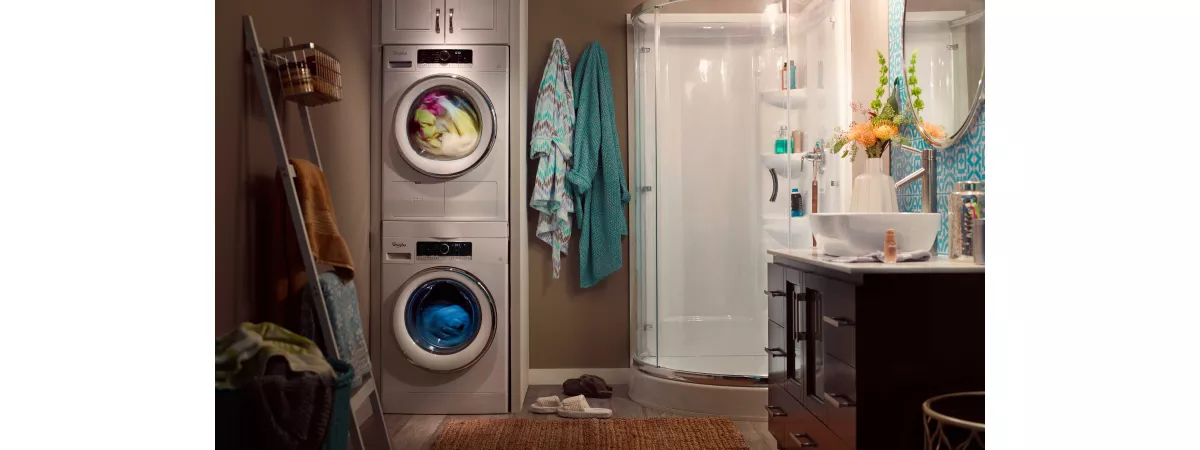
Stacked washer and dryer units are a smart choice for many homes. They combine two appliances in one vertical space.
This design offers several benefits that make laundry easier and more efficient.
Space Efficiency
Stacked washer and dryer units take up less floor space. They fit well in small laundry rooms or tight areas.
By stacking the machines, you free up room for other uses or storage.
- Ideal for apartments and small homes
- Allows use of narrow or limited spaces
- Frees up floor space for cabinets or shelves
Convenience And Accessibility
Stacked units place the dryer at eye level. This makes loading and unloading easier without bending down.
The washer at the bottom remains easy to reach. This setup reduces strain during laundry tasks.
- Dryer controls are easy to see and use
- Less bending and reaching needed
- Works well for people with limited mobility
Energy And Water Savings
Many stacked washer and dryer units use modern technology. They save energy and water during cycles.
These savings help reduce utility bills and lessen environmental impact.
- Efficient washers use less water per load
- Dryers use sensors to avoid over-drying
- Lower electricity and water use saves money

Credit: www.frigidaire.ca
Choosing The Right Stacked Unit
Stacked washer and dryer units save space in small laundry rooms. Picking the right one ensures good performance and fits your needs.
Consider size, matching models, and important features before buying. This helps you get the best value and convenience.
Size And Capacity Considerations
Measure your laundry area before choosing a stacked unit. The unit must fit the space without blocking doors or walkways.
Think about how much laundry you wash each week. Larger capacity washers handle bigger loads and save time.
- Check height, width, and depth of the unit
- Leave room for ventilation and hookups
- Pick capacity that matches your laundry volume
Matching Washer And Dryer Models
Choose washer and dryer models designed to work together. Matching sets often share controls and cycles.
Using matching models helps with stacking stability and makes installation easier. It also keeps the look uniform.
- Look for stackable pairs from the same brand
- Check if the manufacturer recommends stacking those models
- Make sure both units use compatible power and water connections
Features To Look For
Focus on features that improve convenience and cleaning quality. Some features save time or energy.
Energy efficiency, quick cycles, and noise reduction are useful features. Consider what fits your lifestyle best.
- Energy Star certification for lower power use
- Multiple wash and dry cycles for different fabrics
- Delay start and smart controls for flexible use
- Easy-to-clean lint filters and accessible controls
Installation Tips
Installing a stacked washer and dryer needs careful planning. Proper setup helps the machine work well and last longer.
Follow these tips to install your stacked washer and dryer safely and correctly.
Preparing The Space
Choose a spot with enough room for the unit and airflow. The floor must be solid and clean.
Make sure you have access to water, electricity, and a vent if needed. Clear any obstacles around the area.
- Measure space height, width, and depth
- Check for nearby water hookups and outlets
- Clear floor and walls of debris
- Leave room for door openings and maintenance
Leveling And Securing The Unit
Place the washer and dryer on a flat surface. Use a level tool to check if the unit sits evenly.
Adjust the legs to balance the unit. Secure the stack to the wall or floor to prevent tipping.
- Use a spirit level on all sides
- Turn adjustable feet to level
- Tighten locking nuts to fix feet
- Attach brackets or straps to wall studs
Connecting Water And Power
Connect the washer to cold and hot water lines using hoses. Tighten fittings to avoid leaks.
Plug the unit into a grounded electrical outlet. Connect the dryer vent to the outside for proper air flow.
- Use new hoses for water hookups
- Check for water leaks after connection
- Use a dedicated electrical circuit
- Install dryer vent to exterior vent hood
Operating Your Stacked Washer And Dryer
Stacked washer and dryer units save space in small laundry areas. They work just like separate machines but are stacked vertically.
Understanding how to use them properly helps clean clothes efficiently and keeps the machines in good shape.
Loading Techniques
Do not overload the washer or dryer. Clothes need room to move for a good clean and dry.
Sort clothes by color and fabric type to avoid damage or color transfer.
- Load loosely to allow water and air flow
- Place heavy items like towels at the bottom
- Mix large and small items for balanced washing
- Leave space at the top of the drum for movement
Selecting Wash And Dry Cycles
Choose wash cycles based on fabric type and how dirty clothes are. Use gentle cycles for delicate fabrics.
Pick dryer settings that match the fabric care labels. Use lower heat for delicate items to avoid damage.
- Use normal cycle for cotton and mixed fabrics
- Use delicate or hand wash for silk and wool
- Choose high heat for towels and heavy fabrics
- Select air dry or low heat for synthetics
Using Detergents And Additives
Use the right detergent type for your washer. High-efficiency (HE) detergents work best in most stacked washers.
Add fabric softeners or stain removers carefully. Follow the machine’s instructions on how much to use.
- Use HE detergent to prevent excess suds
- Measure detergent to avoid residue on clothes
- Add fabric softener in the correct dispenser
- Pre-treat stains before washing for better results
Maintenance And Troubleshooting
Using a stacked washer and dryer keeps your laundry space neat. Proper care helps your machines last longer.
Regular maintenance prevents problems. Troubleshooting small issues saves time and money.
Regular Cleaning
Clean your washer and dryer often to remove dirt and lint. This keeps them working well.
Wipe the drum, door, and seals with a damp cloth. Clean the lint trap after every use.
- Run a washing machine cleaner once a month
- Vacuum around the dryer vents to clear dust
- Check hoses for cracks or leaks
- Keep the area dry to avoid mold
Preventing Common Issues
Watch for signs that your machines need care. Fix small problems before they grow.
Balance loads to avoid shaking. Don’t overload the washer or dryer.
- Use the right amount of detergent
- Clean the lint filter every time you dry clothes
- Check that the dryer vent is not blocked
- Keep the washer door open after use to air out
When To Call A Professional
Some problems need expert help. Don’t ignore unusual noises or leaks.
Call a technician if the washer won’t spin or the dryer won’t heat. Also seek help for electrical issues.
- Persistent leaks or water pooling
- Machines stop mid-cycle
- Burning smells or sparks
- Controls not responding
Maximizing Space Around Your Unit
A stacked washer and dryer can save valuable space in your home. Making the most of the area around it helps keep your laundry tasks efficient.
With a few smart strategies, you can organize your laundry space effectively. Here are some tips to help you maximize space around your stacked washer and dryer.
Storage Solutions
Finding the right storage solutions is key to maximizing space. Use shelves and baskets to keep your area tidy.
- Install wall-mounted shelves above the unit for easy access.
- Use baskets to group similar items together.
- Consider over-the-door hooks for hanging items.
Organizing Laundry Supplies
Organizing your laundry supplies can make a big difference. Keep everything in its place to ensure a smooth laundry process.
| Item | Storage Location |
| Detergent | Top shelf, near washer |
| Fabric Softener | Next to detergent |
| Stain Removers | In a small basket on shelf |
Creating A Functional Laundry Area
A functional laundry area helps you work efficiently. Arrange your space to allow for easy movement and access.
Credit: www.maytag.com
Frequently Asked Questions
How Do I Install A Stacked Washer And Dryer?
Install the washer first on a level surface. Securely stack the dryer on top using a stacking kit. Connect water, electrical, and venting properly. Follow manufacturer instructions for safety and optimal performance.
Can Stacked Washer And Dryer Fit In Small Spaces?
Yes, stacked units save floor space by vertical arrangement. They work well in closets or compact laundry rooms. Measure your space to ensure proper fit and clearance for ventilation and door access.
How Do I Operate A Stacked Washer And Dryer?
Load clothes in the washer and add detergent. Select the wash cycle and start the machine. After washing, transfer clothes to the dryer on top. Choose drying settings and begin the drying cycle.
Are Stacked Washer And Dryer Energy Efficient?
Many stacked units are designed to save water and electricity. Look for ENERGY STAR-rated models for better efficiency. Proper maintenance also helps reduce energy consumption and extend appliance lifespan.
Conclusion
Using a stacked washer and dryer saves space in small homes. It fits nicely in tight laundry areas. Follow the steps to load clothes and add detergent. Select the right settings for washing and drying. Keep the machine clean to make it last longer.
Regular care helps avoid problems and keeps clothes fresh. This setup makes laundry easier and more efficient. Try these tips to enjoy your stacked washer and dryer. Simple, smart, and space-saving—just what you need.