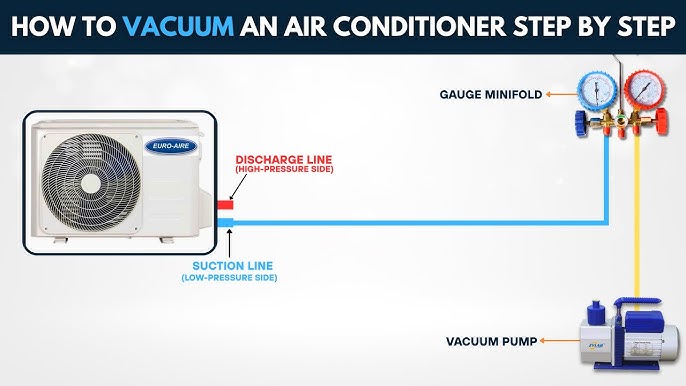
If you want your air conditioner to run smoothly and efficiently, knowing how to use a vacuum pump is key. Whether you’re fixing a leak, replacing refrigerant, or doing regular maintenance, using a vacuum pump correctly can save you time and money.
In this guide, you’ll learn simple, step-by-step instructions that anyone can follow. By the end, you’ll feel confident handling your AC like a pro, avoiding common mistakes that can cause costly damage. Ready to make your air conditioner work better than ever?
Keep reading to find out how.
Purpose Of A Vacuum Pump
A vacuum pumpremoves air and moisture from the air conditioner system. This step is importantbefore adding refrigerant. Moisture can cause damageand reduce the system’s life. Air inside the system lowers cooling efficiency. The pump creates a vacuumthat pulls out unwanted gases and water vapor.
Using a vacuum pump helps:
- Protect the system from corrosion.
- Ensure proper refrigerant flow.
- Improve the cooling performance.
- Prevent ice formationinside the system.
Essential Tools And Safety Gear
- Vacuum pump:Removes air and moisture from the AC system.
- Manifold gauge set:Measures pressure in the AC lines.
- Refrigerant hoses:Connect the pump and gauges to the AC unit.
- Safety goggles:Protect eyes from refrigerant leaks or debris.
- Gloves:Prevent skin contact with refrigerant and sharp parts.
- Face mask:Avoid inhaling harmful gases or dust.
- Leak detector:Finds leaks before vacuuming.
Always work in a well-ventilated area. Ensure all tools are clean and in good condition. Check for damage before use to stay safe.
Preparing The Air Conditioner
Before working on the air conditioner, turn off the powerto avoid accidents. Unplug the unit or switch off the circuit breaker. This step keeps you safe.
Next, disconnect the air conditionerfrom any power source or other connections. This makes it easier to attach tools and prevents damage.
Attach the manifold gaugesto the air conditioner’s service ports. These gauges help measure pressure and monitor the system.
- Connect the blue hose to the low-pressure port.
- Connect the red hose to the high-pressure port.
- Ensure the gauges are securely fastened.
Connecting The Vacuum Pump
Connect the vacuum pump hose tightly to the air conditioner’s service port. Use the correct hose size to avoid air leaks. Tighten the hose fittings by hand, then use a wrench for a secure fit.
Check for leaks before starting the pump. Spray soapy water on connections and watch for bubbles. No bubbles mean no leaks. If bubbles appear, tighten the fittings again.
- Ensure all connections are clean and dry before attaching hoses.
- Use quality hoses designed for HVAC work.
- Double-check connections after moving or adjusting hoses.
Operating The Vacuum Pump
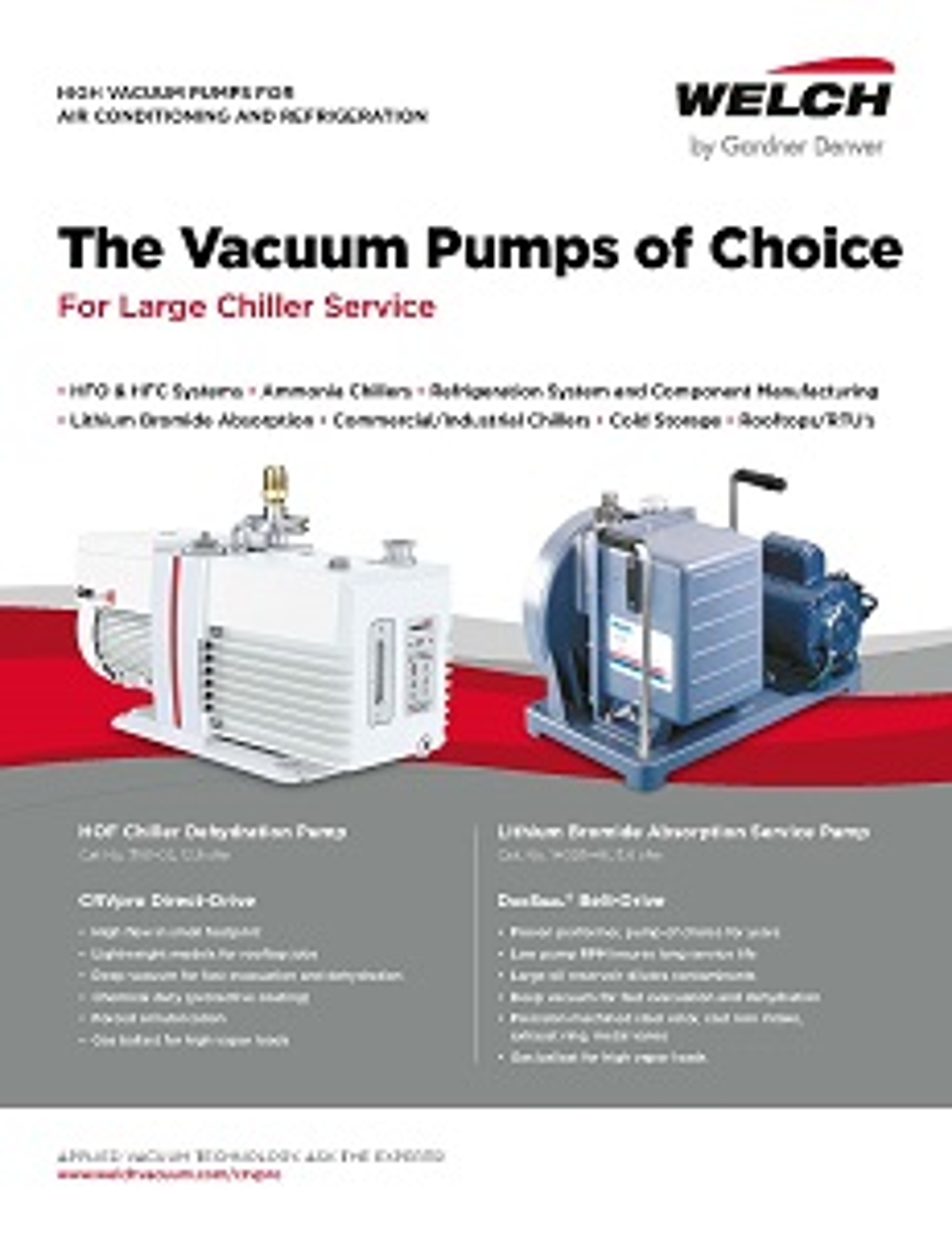
Connect the vacuum pump to the air conditioner’s service port securely. Switch on the vacuum pump to begin removing air and moisture from the system. The pump will create a strong vacuum, which is essential for proper cooling performance.
Keep an eye on the pressure gauge while the pump runs. The pressure should drop steadily, showing that air is being removed. Aim for a vacuum level below 500 microns for best results.
Running the pump for at least 15 to 30 minutes helps ensure all moisture is gone. Avoid stopping the pump early, as trapped moisture can damage the system.
Credit: www.welchvacuum.com
Duration For Evacuation
The evacuation process should last long enough to remove air and moisture. A typical vacuum pump run time is 15 to 30 minutes. For systems with more moisture or leaks, more time may be needed.
Use a vacuum gauge to check the pressure. The target vacuum level is usually around 500 microns or lower. Hold the vacuum for a few minutes to see if pressure rises, which may indicate leaks.
- Start the vacuum pump and monitor the gauge.
- Keep the pump running until the target vacuum is reached.
- Wait for a few minutes to check if vacuum holds steady.
- If pressure rises, check the system for leaks.
- Once stable, close valves and stop the pump.
Shutting Down And Disconnecting
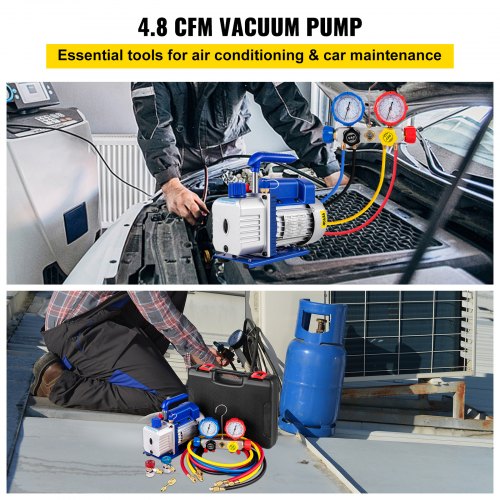
Close the valveson the air conditioner and vacuum pump. This stops any gas or air from moving. It keeps the system safe and clean.
Turn off the pumpafter closing the valves. This stops the vacuum process. It also saves energy and prevents damage to the pump.
Remove the hosescarefully. Disconnect the hose from the pump and the air conditioner. Make sure no dirt or dust gets inside the hoses or connectors.
Credit: www.vevor.com
Final Checks Before Charging
Check all connections for tightness. Loose fittings cause leaks and reduce efficiency.
Ensure the vacuum pump is properly connected to the air conditioner’s service ports.
Verify the vacuum pump’s oil level. Dirty or low oil harms the pump’s performance.
Confirm the system’s valves are open. Closed valves block air and refrigerant flow.
Inspect hoses for cracks or damage. Faulty hoses let air enter the system.
Make sure the vacuum gauge is working. It shows if the system reached the right vacuum level.
- Clear the area around the unit to prevent dirt from entering.
- Use safety glasses and gloves to protect yourself.
- Read the air conditioner manual for specific instructions.
Common Mistakes To Avoid
Avoid using a vacuum pump on a running air conditioner. It can cause damage. Always check for leaks before starting the pump. Skipping leak tests lets air enter the system. This reduces cooling efficiency and may harm the compressor.
Do not use a pump with the wrong power rating. Using a weak pump takes too long to remove air and moisture. Avoid leaving the pump on too long. This wastes energy and may overheat the pump.
- Never connect the pump without closing valves properly.
- Do not forget to open the service port after vacuuming.
- Avoid using the pump without cleaning filters first.
- Do not rush the vacuuming process; it needs time.

Credit: www.youtube.com
Frequently Asked Questions
What Is A Vacuum Pump In Air Conditioning?
A vacuum pump removes air and moisture from an air conditioning system. This creates a vacuum, allowing refrigerant to circulate efficiently. Using a vacuum pump ensures optimal cooling performance. It prevents contamination and potential damage to the system. Proper vacuuming is crucial for maintaining an air conditioner’s longevity and efficiency.
How Does A Vacuum Pump Work On Ac?
A vacuum pump extracts air and moisture from the AC system. It creates a vacuum by lowering the pressure. This process ensures efficient refrigerant flow. Vacuuming prevents contamination and enhances cooling performance. It’s an essential step before charging the AC with refrigerant.
Why Is Vacuuming An Ac System Important?
Vacuuming removes moisture and air, preventing system contamination. It ensures efficient refrigerant circulation, enhancing cooling performance. This process prolongs the air conditioner’s lifespan. Neglecting vacuuming can lead to reduced efficiency and potential system damage. Regular vacuuming is vital for optimal AC operation.
How Long Should You Vacuum An Air Conditioner?
Typically, vacuuming should last 15 to 30 minutes. This duration ensures effective removal of air and moisture. The exact time depends on the system size and condition. Always refer to the manufacturer’s guidelines for precise vacuuming times. Proper vacuuming ensures efficient and reliable AC performance.
Conclusion
Using a vacuum pump on your air conditioner helps remove air and moisture. This keeps the system clean and working well. Always connect the pump properly and follow safety steps. Running the pump for the right time ensures good results.
Regular maintenance with a vacuum pump can extend your AC’s life. Remember, careful use prevents damage and improves cooling. Keep these tips in mind for better air conditioner care. Simple steps make a big difference.