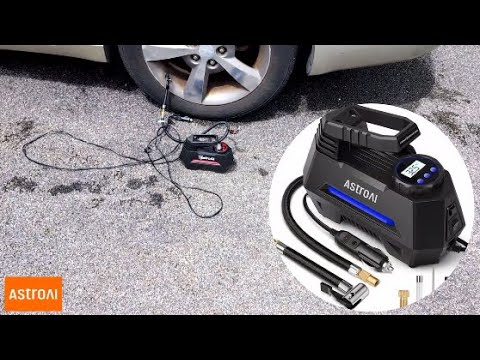
Is your car tire pressure low, but you’re not sure how to fix it quickly and safely? Knowing how to use an air compressor for car tires can save you time, money, and stress.
Imagine being able to inflate your tires at home, anytime you want, without waiting for help. In this guide, you’ll discover simple steps to use an air compressor like a pro, keeping your tires in top shape and your drives smooth.
Ready to take control of your tire maintenance? Let’s dive in.

Credit: www.vevor.ca
Choosing The Right Air Compressor
An air compressor is a useful tool to fill your car tires with air. Picking the right one makes the job easier and faster.
This guide helps you choose the best air compressor for your car tires. Learn about types, features, and models.
Types Of Air Compressors
Air compressors come in different types. Each type works well for certain tasks.
The main types are reciprocating, rotary screw, and centrifugal compressors. Reciprocating is common for car tires.
- Reciprocating compressors:Use pistons to compress air. Good for small jobs.
- Rotary screw compressors:Use screws to compress air. Best for continuous use.
- Centrifugal compressors:Use spinning blades. Mostly for large industrial uses.
Key Features To Consider
Look for features that match your needs. These features affect how well the compressor works for your car.
- Pressure capacity:Choose a compressor that can reach at least 100 PSI for car tires.
- Tank size:Larger tanks hold more air but are heavier and less portable.
- Power source:Electric compressors are common and easy to use. Some run on batteries or car power.
- Noise level:Quieter compressors are better for home use.
- Durability:Check if the compressor has good build quality and warranty.
Portable Vs. Stationary Models
Portable compressors are small and easy to carry. Stationary ones are bigger and stay in one place.
Portable models are good for quick tire inflation on the road. Stationary models suit garages and frequent use.
- Portable compressors:Lightweight, battery or car-powered, smaller tanks.
- Stationary compressors:Heavy, electric-powered, larger tanks, more power.
Preparing Your Car And Compressor
Using an air compressor to inflate your car tires is simple. First, get your car and compressor ready. This helps you fill tires safely and correctly.
Check your tire pressure needs and set up the compressor carefully. Follow safety rules to avoid accidents.
Checking Tire Pressure Requirements
Look for the correct tire pressure for your car. This information is often on the driver’s door frame or in the owner’s manual.
Keep in mind, tire pressure is measured in PSI (pounds per square inch). Do not guess the pressure. Over or under inflating can be dangerous.
- Find recommended PSI for front and rear tires
- Check tires when they are cold for accuracy
- Write down the numbers to use later
Setting Up The Compressor
Place the air compressor on a flat surface near your car. Make sure the compressor is close enough to reach all tires.
Plug the compressor into a power source or start the engine if it is a portable model. Attach the air hose to the compressor securely.
- Check the compressor gauge is working
- Connect the hose tightly to avoid air leaks
- Have your tire pressure gauge ready
Safety Precautions
Always wear safety glasses to protect your eyes. Avoid loose clothing that can get caught in the compressor parts.
Do not overinflate tires. Stop inflating once you reach the recommended PSI. Turn off the compressor before disconnecting the hose.
- Keep children and pets away from the compressor
- Do not touch hot parts of the compressor
- Use the compressor in a well-ventilated area
Step-by-step Inflation Process
Using an air compressor to inflate car tires is simple and quick. Proper tire pressure keeps your car safe and improves fuel efficiency.
Follow these steps to inflate your tires safely and correctly with an air compressor.
Connecting The Compressor To The Tire Valve
First, park your car on a flat surface and turn off the engine. Remove the valve cap from the tire you want to inflate.
Attach the air compressor hose to the tire valve. Make sure it fits tightly to avoid air leaks during inflation.
- Check the compressor hose for damage before use
- Press the hose connector firmly onto the valve stem
- Secure any locking mechanism if your hose has one
Monitoring Pressure Levels
Turn on the air compressor and watch the pressure gauge closely. The gauge shows the current pressure inside the tire.
Compare the gauge reading to your car’s recommended tire pressure. This information is usually found on the driver’s door or in the owner’s manual.
- Keep checking the gauge while inflating
- Stop adding air when you reach the recommended pressure
- If the compressor has an automatic shutoff, use it for safety
Adjusting Air Pressure
If the tire pressure is too high, release some air by pressing the valve core gently. Use a small tool or your fingernail.
If the pressure is too low, continue adding air in short bursts. Check the gauge often to avoid overinflation.
- Release air slowly to avoid sudden pressure drops
- Inflate in small amounts and recheck pressure
- Replace the valve cap securely after adjusting
Troubleshooting Common Issues
Using an air compressor for car tires is easy. Sometimes, small problems can stop it from working well. This guide helps you fix common issues fast. You can get back on the road safely.
Read each section carefully. You will find simple tips for handling air leaks, overheating, and valve connection problems.
Handling Air Leaks
Air leaks can cause slow inflation or no pressure at all. Check the hose and fittings for holes or cracks. Sometimes the seal is loose or dirty.
- Inspect the hose for any damage or holes.
- Clean the valve and fittings before attaching the hose.
- Tighten any loose connections to stop leaks.
- Replace worn or cracked seals immediately.
- Use soapy water on connections; bubbles show leaks.
Dealing With Compressor Overheating
Compressors can get too hot if used for a long time. Overheating may cause the unit to shut off or work poorly. Follow these tips to keep it cool and working well.
| Cause | How to Fix |
| Running compressor for too long | Turn it off every 10–15 minutes to cool down |
| Blocked air vents | Clear dust and dirt from vents and fans |
| High ambient temperature | Use compressor in shaded or cool areas |
| Low oil or lubrication (if applicable) | Check oil level and refill as needed |
Fixing Valve Connection Problems
Valve connection issues stop air from entering the tire. The valve may be damaged or the compressor nozzle may not fit well.
- Check the tire valve stem for damage or dirt.
- Make sure the compressor nozzle fits the valve type.
- Press the nozzle firmly to get a tight seal.
- Replace damaged valve cores with a valve tool.
- Use adapters if your compressor and valve do not match.
Maintaining Your Air Compressor
Keeping your air compressor in good shape helps it last longer. Proper care also keeps it working safely and well.
Regular maintenance is simple and saves you time and money on repairs.
Regular Cleaning Tips
Clean your air compressor after each use. Remove dirt, dust, and moisture to prevent damage.
- Wipe the outside with a dry cloth.
- Check and clear the air filter regularly.
- Drain moisture from the tank after use.
- Keep the compressor in a dry place to avoid rust.
Storage Recommendations
Store your air compressor in a clean, dry area. Avoid places with high humidity or extreme temperatures.
| Storage Tip | Reason |
|---|---|
| Keep indoors | Protects from weather damage |
| Cover compressor | Prevents dust and debris buildup |
| Store upright | Prevents oil leaks and damage |
| Disconnect power | Ensures safety and saves energy |
When To Replace Parts
Check parts often. Replace worn or damaged parts to keep your compressor safe and working well.
- Change air filters if dirty or clogged.
- Replace hoses that show cracks or leaks.
- Swap out faulty pressure gauges.
- Inspect and replace valves if needed.

Credit: manuals.plus

Credit: www.amazon.ca
Frequently Asked Questions
How Do I Connect An Air Compressor To Car Tires?
Attach the air compressor hose to the tire valve stem. Ensure a tight seal to avoid air leaks. Turn on the compressor and inflate the tire gradually. Monitor the tire pressure using a gauge for accuracy.
What Is The Recommended Tire Pressure For Cars?
Check your car’s manual or tire sidewall for recommended PSI. Most passenger cars require 30-35 PSI. Maintaining correct pressure improves fuel efficiency, safety, and tire longevity. Always measure tire pressure when tires are cold.
Can I Use Any Air Compressor For Car Tires?
Not all compressors suit tire inflation. Choose a compressor with a pressure gauge and 100 PSI or higher. Portable models are convenient for emergencies. Ensure the compressor fits your car’s power outlet or has a rechargeable battery.
How Long Does It Take To Inflate A Car Tire?
Inflation time varies by compressor power and tire size. On average, it takes 2-5 minutes to inflate a standard car tire. Avoid over-inflation by checking pressure frequently. Turn off the compressor once the desired PSI is reached.
Conclusion
Using an air compressor for car tires is simple and helpful. Check tire pressure regularly to keep your ride safe. Connect the compressor properly and watch the gauge closely. Stop inflating once the right pressure shows. This small task can save you time and money.
Keep your compressor clean and stored well after use. Practice these steps to feel confident and ready anytime. Tires with correct pressure improve fuel efficiency and driving comfort. A little care goes a long way.