If you want to keep your air conditioner running smoothly, knowing how to use air conditioner gauges is a skill you can’t ignore. These gauges are your window into the health of your AC system.
They help you spot problems early, save money on repairs, and even improve your unit’s efficiency. You’ll discover simple, clear steps to use these gauges like a pro—even if you’re new to HVAC tools. By the end, you’ll feel confident in checking your air conditioner’s pressure and making sure it cools your home just right.
Ready to take control of your AC system? Let’s dive in.

Credit: www.hvacshop.com.au
Air Conditioner Gauges Basics
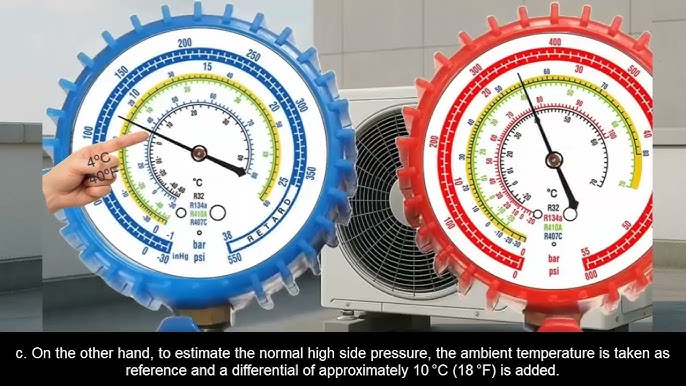
Air conditioner gauges help check pressure inside AC systems. They show if the system works well or needs fixing.
There are two main types of gauges:
- Low-pressure gauge:Measures pressure in the cooling part.
- High-pressure gauge:Measures pressure in the hot side.
Key components of these gauges include:
- Dials:Show pressure readings in PSI or kPa.
- Hoses:Connect gauges to AC ports.
- Valves:Control the flow of refrigerant during checks.
Reading pressure levels means watching the dial closely. Low pressure means the system might need more refrigerant. High pressure can show a blocked or dirty system. Correct pressure keeps the AC running cool and safe.

Credit: www.amazon.ca
Setting Up Your Gauges
Connect the gauge hoses to the correct service portson the air conditioner. Usually, the blue hosegoes to the low-pressure port and the red hoseto the high-pressure port. Check the labels on the ports to be sure. Make sure the connections are tightto avoid leaks. Avoid touching the metal parts to prevent burns or frostbite.
- Wear safety glasses and gloves.
- Work in a well-ventilated area.
- Do not connect gauges to a running compressor without proper training.
- Check hoses for cracks or damage before use.
Calibrate the gauges by comparing them to a known accurate gauge. Zero the needle if possible. Calibration ensures correct pressure readings. This helps avoid mistakes during repairs or maintenance. Regular calibration keeps your tools reliable and safe.
Interpreting Gauge Readings
High and low side pressuresshow how well an air conditioner works. The high sidepressure is usually higher, showing the pressure after the compressor. The low sidepressure is lower, showing pressure before the compressor.
Normal pressure ranges depend on the temperature outside and the AC model. Usually, the high side pressure is between 150 and 250 psi, and the low side pressure is between 25 and 45 psi.
| Pressure Side | Normal Range (psi) | Common Issues |
|---|---|---|
| High Side | 150 – 250 | Too high: Overcharged or blocked condenser Too low: Undercharged or compressor problem |
| Low Side | 25 – 45 | Too high: Overcharged or bad expansion valve Too low: Undercharged or leak in system |
- High pressurescan mean too much refrigerant or blockages.
- Low pressuresmay show leaks or not enough refrigerant.
- Check pressures with the AC running and in cooling mode.
- Use pressure readings to find problems early and fix them fast.
Performing Basic Ac Checks
Using air conditioner gauges helps check the system’s health. For leak detection, connect the gauges to the service ports. Watch for pressure drops over time. A steady drop means there might be a leak. Use a soap solution on fittings to find bubbles, showing leaks.
Refrigerant level testingis key to AC performance. Read the pressure on the gauges. Compare it with the recommended levels in the AC manual. Low pressure means low refrigerant, which reduces cooling. Too high pressure can damage the system.
System performance assessmentuses gauge readings and temperature checks. Measure the temperature difference between air entering and leaving the AC. A big difference shows the system works well. Small difference means it may need service.
Troubleshooting With Gauges
Refrigerant leakscause low pressure on the gauge. Check for a sudden pressure drop. Use a soap solution on connections; bubbles show leaks. Small leaks need repair to avoid big damage.
Blockagesmake pressure uneven. High pressure on one side and low on the other hints at a blockage. Clean or replace filters and coils to clear the path.
| Pressure Issue | Possible Cause | Solution |
|---|---|---|
| Low pressure on both sides | Refrigerant leak | Find and fix leak, recharge refrigerant |
| High pressure on high side, low on low side | Blockage in system | Clean filters, check coils, remove blockage |
| Pressure imbalance | Faulty valve or gauge | Check valves, replace faulty parts |
Advanced Gauge Techniques
Vacuuming the systemremoves air and moisture. Connect the gauge set to the service ports. Turn on the vacuum pump and let it run for 15-30 minutes. Watch the gauge for steady low pressure. This shows the system is clean and dry. Never skip this step before adding refrigerant.
Charging refrigerant properlymeans adding the right amount. Use the pressure readings on the gauges to check system needs. Too much or too little refrigerant harms the air conditioner. Add refrigerant slowly and watch the gauges carefully. Stop when the pressure matches the manufacturer’s guide.
Using gauges with digital toolsmakes work easier. Digital gauges give clear, fast readings. Connect them like normal gauges but read the display for accurate data. Some digital tools show temperature and pressure in one place. This helps find problems quickly and fix them right.
Maintenance Tips For Gauges
Cleaning and Storageare key to keeping air conditioner gauges accurate. Wipe the gauges with a soft, dry cloth to remove dust and dirt. Avoid using water or chemicals that may damage the parts. Store gauges in a cool, dry place to prevent rust and wear. Use a protective case to keep them safe from drops and impacts.
Regular Calibrationensures the gauges show correct pressure readings. Compare your gauge readings with a trusted standard once every few months. Adjust or recalibrate the gauge if the readings differ. This helps maintain the accuracy of your air conditioner’s pressure measurements.
Replacing Worn Partskeeps the gauges working well. Check hoses, valves, and connectors for cracks or leaks. Change any parts that look old or damaged. Using new parts avoids errors and helps the gauges last longer.

Credit: www.reddit.com
Frequently Asked Questions
What Are Air Conditioner Gauges Used For?
Air conditioner gauges measure refrigerant pressure in the AC system. They help diagnose issues and ensure optimal performance. By checking pressure levels, you can identify leaks or blockages. Proper gauge usage ensures your air conditioner runs efficiently, saving energy and reducing costs.
How Do You Read Ac Gauges?
To read AC gauges, connect them to the service ports. The low-pressure gauge reads the suction side. The high-pressure gauge reads the discharge side. Compare readings with manufacturer specifications to diagnose issues. Ensure the system is off when connecting gauges for safety.
What Do The Colors On Ac Gauges Mean?
AC gauges typically have three colors: blue, red, and yellow. Blue is for low-pressure side, red is for high-pressure side, and yellow connects to the refrigerant tank. Understanding these colors helps in proper gauge connections and accurate readings.
How Often Should Ac Gauges Be Checked?
Check AC gauges annually or when performance issues arise. Regular checks help maintain efficiency and prevent costly repairs. Monitoring pressure levels ensures the air conditioner operates optimally. It’s best to have a professional perform these checks for accuracy.
Conclusion
Using air conditioner gauges helps check your system’s health. Read the pressure levels carefully to avoid mistakes. Always follow safety steps to protect yourself and the unit. Regular checks can save money on repairs later. Practice using the gauges to gain confidence and skill.
Stay patient and take your time with each reading. This tool is helpful for maintaining your air conditioner. Understanding the basics makes the process less confusing. Keep your system running smoothly and cool all year.