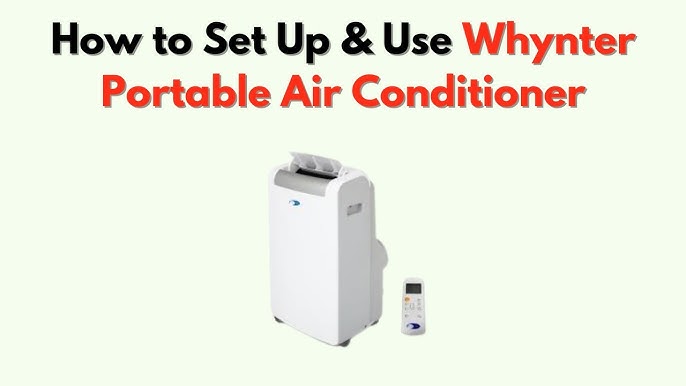
Are you ready to beat the heat and make your home a cool, comfortable haven? Knowing how to use an air conditioner properly can save you money, boost your comfort, and keep your energy bills low.
Whether you’re new to air conditioners or want to get the most out of yours, this guide will walk you through simple steps that anyone can follow. By the end, you’ll feel confident controlling your AC like a pro—making every hot day easier to handle.
Keep reading to discover how to cool your space efficiently and enjoy the perfect indoor temperature all summer long.

Credit: www.youtube.com
Choosing The Right Air Conditioner
Picking the right air conditioner helps keep your home cool and saves energy. It is important to choose a unit that fits your space and needs.
Understanding the types, size, and energy ratings will guide you to the best choice for your home.
Types Of Air Conditioners
There are several types of air conditioners. Each type works best in different rooms and buildings.
Common types include window units, split systems, portable units, and central air conditioners.
- Window Units:Fit in a window and cool one room.
- Split Systems:Have indoor and outdoor parts; cool multiple rooms.
- Portable Units:Moveable and easy to install.
- Central Air Conditioners:Cool the whole house through ducts.
Sizing Your Unit
Size matters when buying an air conditioner. A unit too small will not cool well. Too large will waste energy.
Measure the room size in square feet to find the right cooling power, called BTU (British Thermal Unit).
| Room Size (sq ft) | BTU Needed |
|---|---|
| Up to 150 | 5,000 |
| 150 to 250 | 6,000 – 8,000 |
| 250 to 350 | 8,000 – 10,000 |
| 350 to 450 | 10,000 – 12,000 |
Energy Efficiency Ratings
Energy efficiency saves money and protects the environment. Look for units with high efficiency ratings.
The SEER and EER ratings show how well the unit uses electricity.
- SEER:Seasonal Energy Efficiency Ratio. Higher is better for yearly use.
- EER:Energy Efficiency Ratio. Measures cooling at peak conditions.
- Look for Energy Star labels for efficient models.

Credit: sunjoyshop.ca
Installation Tips
Installing an air conditioner correctly helps it work better and last longer.
This guide covers where to place it, who should install it, and how to seal your space.
Optimal Placement
Place the air conditioner where cool air can spread evenly in the room.
- Choose a shaded spot to reduce heat from the sun.
- Avoid placing it near heat sources like lamps or appliances.
- Keep the unit away from doors and windows to prevent cool air loss.
- Ensure the outdoor part has enough space for airflow.
- Install it high on the wall for better air circulation.
Professional Vs Diy Installation
Decide if you want to install the unit yourself or hire a professional.
| Installation Type | Pros | Cons |
| Professional | Correct setup and safety | Higher cost |
| DIY | Lower cost and quick setup | Risk of errors and damage |
Sealing And Insulation
Seal gaps and insulate well to keep cool air inside and hot air out.
Here are tips to improve sealing and insulation:
- Use weather stripping around windows and doors.
- Seal holes and cracks with caulk or foam.
- Install curtains or blinds to reduce heat gain.
- Check insulation in walls and attic for best results.
Operating Your Air Conditioner
Using your air conditioner properly helps keep your home cool and comfortable. It also saves energy and reduces bills.
Learning how to set the temperature, use energy-saving modes, and control humidity makes your AC work better.
Setting The Ideal Temperature
Set your air conditioner to a temperature that feels cool but not too cold. This keeps your room comfortable.
Most experts suggest setting the AC between 24°C and 26°C (75°F to 78°F). This range saves energy and keeps you cool.
- Avoid setting the temperature too low
- Use a fan with the AC for better airflow
- Adjust settings based on outdoor heat
Using Energy-saving Modes
Many air conditioners have energy-saving modes. These modes reduce power use while cooling your room efficiently.
Energy-saving mode changes how the AC runs. It might cycle the compressor on and off or adjust the fan speed.
- Use energy-saving mode during mild heat
- Turn off the AC when no one is home
- Close doors and windows to keep cool air inside
Controlling Humidity Levels
Air conditioners remove moisture from the air. This lowers humidity and makes the room feel cooler.
Some AC units have a dehumidify mode. Use this to reduce dampness without overcooling the room.
- Use dehumidify mode on humid days
- Keep filters clean to maintain airflow
- Ventilate your home to reduce indoor moisture
Maintenance Practices
Keeping your air conditioner in good shape helps it work well. Regular care saves money and avoids big repairs.
Follow simple maintenance steps to keep your AC clean and efficient all year.
Cleaning Or Replacing Filters
Filters catch dust and dirt from the air. Dirty filters block airflow and reduce cooling power.
Clean reusable filters every month. Replace disposable filters every 1 to 3 months depending on use.
- Turn off the AC before removing filters
- Vacuum or wash reusable filters gently
- Make sure filters are dry before putting back
- Buy the right size replacement filters
Checking Refrigerant Levels
Refrigerant cools the air inside your home. Low refrigerant means the AC cannot cool well.
Check refrigerant levels yearly. If low, call a professional to refill it safely.
- Look for signs of leaks like ice on pipes
- Listen for hissing sounds near AC unit
- Do not try to add refrigerant yourself
- Schedule a professional checkup every year
Inspecting Components
Check parts like coils, fans, and wiring regularly. Damaged parts reduce AC performance and waste energy.
Look for dirt, rust, loose wires, and strange noises. Clean and fix issues quickly.
- Clean coils to improve heat exchange
- Tighten any loose screws or connections
- Make sure fan blades spin freely
- Replace worn-out parts as needed
Troubleshooting Common Issues
Air conditioners can have problems that stop them from working well. You can fix many common issues yourself. This guide helps you find and solve these problems.
Check each section below to understand what might be wrong with your unit. Follow the simple tips to keep your air conditioner running smoothly.
Unit Not Cooling Properly
If your air conditioner is not cooling the room enough, there are a few things to check. Sometimes the problem is easy to fix.
- Check the thermostat setting. Make sure it is set to a lower temperature than the room.
- Clean or replace the air filter. A dirty filter blocks airflow and lowers cooling.
- Inspect the outdoor unit. Remove leaves or dirt that may block the air.
- Ensure all doors and windows are closed to keep cool air inside.
- Check for ice buildup on the coils. Turn off the unit and let it thaw if ice is present.
Strange Noises
Unusual sounds from your air conditioner can mean parts are loose or damaged. Listening closely helps find the issue.
| Noise Type | Possible Cause | Action |
| Buzzing | Electrical problems or loose parts | Turn off power and check connections |
| Rattling | Loose screws or debris in unit | Tighten screws and clean the unit |
| Squealing | Worn belt or motor issues | Call a technician for repair |
| Clicking | Thermostat or relay problems | Check thermostat settings and wiring |
Water Leaks
Water leaking from your air conditioner can cause damage. Find the leak source quickly to fix it.
Common reasons for water leaks:
- Clogged drain pipe or drip pan
- Dirty air filter causing ice to melt unevenly
- Improper installation or unit tilt
- Damaged or rusted drain pan
To stop leaks, clear the drain pipe with a vacuum or thin wire. Replace dirty filters and check unit placement. If leaks continue, call a professional.

Credit: www.youtube.com
Maximizing Efficiency
Using an air conditioner wisely helps save energy and lowers bills. Simple actions can keep your home cool without wasting power.
Focus on small changes to improve your air conditioner’s performance and comfort in your home.
Smart Thermostat Integration
Smart thermostats control your air conditioner automatically. They adjust the temperature based on your schedule.
This means the AC runs less when you are not home. It saves energy and keeps the house cool when you return.
- Set temperature limits to avoid overcooling
- Use app controls to change settings remotely
- Monitor energy use with smart thermostat reports
Regular Tune-ups
Regular air conditioner maintenance keeps it running well. Clean filters and check parts to prevent breakdowns.
Schedule tune-ups before summer to catch problems early. This helps the AC work at its best and saves energy.
- Replace or clean air filters every 1-3 months
- Check refrigerant levels for proper cooling
- Clear debris from outdoor units
- Inspect electrical connections and parts
Using Fans For Better Airflow
Fans help spread cool air throughout rooms. They make your air conditioner work easier and use less power.
Use ceiling or portable fans along with your AC. Fans make the room feel cooler by moving air around your body.
- Turn fans on to improve air circulation
- Set ceiling fans to spin counterclockwise in summer
- Use fans to cool only occupied rooms
- Turn off fans when leaving rooms to save energy
Frequently Asked Questions
How Do I Set The Ideal Temperature On An Air Conditioner?
Set your air conditioner between 72°F and 78°F for comfort and energy savings. Adjust based on your preference and weather. Avoid extreme settings to save power and maintain efficiency.
How Often Should I Clean My Air Conditioner Filters?
Clean your air conditioner filters every 1 to 3 months. Dirty filters reduce airflow and efficiency. Regular cleaning improves air quality and extends the unit’s lifespan.
Can I Use An Air Conditioner Without A Window?
Yes, portable and split air conditioners work without windows. Window units need proper installation in a window or vent for exhaust. Choose the right type based on your room setup.
What Is The Best Way To Maintain An Air Conditioner?
Regularly clean filters, check for leaks, and schedule professional servicing yearly. Keep outdoor units clear of debris. Proper maintenance ensures efficient cooling and longer equipment life.
Conclusion
Using an air conditioner correctly keeps your space cool and comfortable. Set the temperature wisely to save energy and money. Clean the filters regularly to improve air flow and air quality. Turn off the unit when not needed to reduce electricity use.
Small habits make a big difference in efficiency and comfort. Enjoy a cool room without high bills or hassle. Keep these simple tips in mind for a better experience. Stay cool and comfortable all summer long.