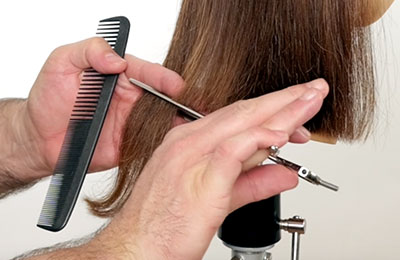
Have you ever wondered how hairstylists create those smooth, natural-looking layers and soften harsh lines in haircuts? The secret often lies in one simple tool: blending shears.
If you want to take your haircutting skills to the next level or simply learn how to maintain your style at home, understanding how to use blending shears is a game-changer. You’ll discover easy, practical steps to master blending shears, making your hair look professionally styled every time.
Ready to transform your approach and achieve flawless results? Let’s dive in.

Credit: www.reddit.com
Choosing The Right Blending Shears
Blending shears help create smooth and natural haircuts. Picking the right shears makes your work easier. This guide explains how to choose the best blending shears.
Consider the type, blade size, teeth count, and material. Each factor affects the cutting style and tool durability. Learn what to look for before buying.
Types Of Blending Shears
Blending shears come in several types. Each type suits different hair textures and styles. Knowing these helps you pick the best fit.
- Standard Blending Shears:Good for most hair types and general blending.
- Texturizing Shears:Have more teeth to remove bulk and add texture.
- Thinning Shears:Designed to thin thick hair smoothly.
- Chunking Shears:Remove large sections quickly for bold styles.
Blade Sizes And Teeth Count
Blade length and teeth number affect how the shears cut hair. Choose these based on the hairstyle and hair thickness.
| Blade Size | Teeth Count | Best Use |
|---|---|---|
| 5.5 inches | 15-20 teeth | General blending and soft cutting |
| 6 inches | 25-30 teeth | Thinning thick or coarse hair |
| 6.5 inches | 35+ teeth | Fine texturizing and detailed work |
Material And Build Quality
Good materials make shears last longer and cut better. Look for steel types and handle designs that fit your hand well.
- Stainless Steel:Resists rust and stays sharp for a long time.
- High-Carbon Steel:Sharp edge but needs careful maintenance.
- Titanium Coating:Adds durability and reduces wear.
- Ergonomic Handles:Reduce hand fatigue during long use.
Preparing Hair For Blending
Blending shears help create a smooth and natural look. Preparing the hair is crucial for achieving the best results.
This guide will show you how to prepare hair for blending. Follow these steps to ensure a seamless finish.
Washing And Drying Techniques
Start with clean hair for the best blending results. Dirty hair makes blending uneven.
Use a mild shampoo and conditioner. Dry hair completely before blending.
- Shampoo hair thoroughly
- Rinse out all conditioner
- Blow-dry hair until fully dry
Sectioning Hair Correctly
Sectioning helps blend hair evenly. It ensures no part is missed.
Use clips to divide hair into small sections. Work on one section at a time.
- Divide hair into four main sections
- Clip each section separately
- Start blending from the bottom layer
Selecting The Right Hair Texture
Different hair textures need different approaches. Understand your hair type for better blending.
Fine hair requires careful handling. Thick hair might need more trimming.
- Identify if hair is fine, normal, or thick
- Use appropriate blending shear technique
- Adjust according to hair texture
Basic Blending Techniques
Blending shears help create smooth transitions in haircuts. They soften harsh lines and remove bulk.
Using blending shears correctly improves the haircut’s overall look. It takes practice to get the right feel.
Proper Shear Handling
Hold the shears with your thumb and ring finger. Keep your index and middle fingers steady for control.
Keep your wrist relaxed to avoid strain. Move the shears smoothly without forcing them through the hair.
- Use your thumb to open and close the blades
- Keep your grip firm but gentle
- Rest your pinky on the finger rest for balance
Angle And Positioning Tips
Hold the shears at a slight angle to the hair. This angle helps blend layers softly.
Position the shears close to the scalp for more control. Work with small sections for even blending.
- Start with the shears at 45 degrees to the hair
- Blend from roots to ends for smooth transitions
- Keep shears parallel to the head shape
Cutting With Scissor Over Comb
Use a comb to lift hair away from the scalp. Cut hair that extends beyond the comb teeth.
This technique blends short hair areas smoothly. It helps create clean, even layers.
- Hold the comb at an angle that lifts hair evenly
- Cut the hair above the comb teeth gently
- Move the comb and shears together for uniform blending
Advanced Blending Methods
Blending shears help create smooth, natural haircuts. Advanced blending methods improve texture and flow.
Using special techniques with blending shears can soften layers and connect different hair lengths.
Layer Softening Techniques
Layer softening makes harsh edges look gentle. Blending shears cut small sections to remove bulk.
Use light, quick snips along the layer edges. This creates a smooth transition between layers.
- Hold the shears open slightly for delicate cuts
- Cut at an angle to avoid straight lines
- Work slowly to check the effect often
Creating Natural Transitions
Natural transitions blend different hair zones smoothly. Use blending shears to soften harsh lines.
Cut small, staggered sections between lengths. This avoids visible steps and creates flow.
- Start blending where lengths meet
- Use point cutting to add texture
- Check the hair from different angles
Blending Different Hair Lengths
Blending different lengths creates a balanced haircut. Blending shears reduce bulk without cutting length.
Cut into the hair gently to mix short and long sections. This gives a soft, natural look.
- Use blending shears vertically for soft edges
- Blend from the shorter to longer hair
- Avoid cutting too close to the scalp
Common Mistakes To Avoid
Blending shears help create smooth transitions in haircuts. Using them wrong can ruin your style.
Avoid common errors to get even, natural-looking results every time you blend hair.
Over-thinning Hair
Cutting too much hair with blending shears makes hair look thin and weak. It can cause gaps and uneven spots.
Use blending shears sparingly and check your work often. Stop if the hair feels too thin.
- Do not use shears on thick sections all at once
- Blend small amounts gradually for better control
- Focus on ends, not roots, to keep volume
Uneven Blending
Uneven blending leaves visible lines or patches in the haircut. It makes the style look messy and unfinished.
Work slowly and use consistent cutting angles. Check the hair from different views to spot uneven areas.
- Blend hair in small, controlled sections
- Use a mirror to see all sides clearly
- Comb hair smoothly before cutting
- Match shear cuts on both sides of the head
Using Incorrect Shear Pressure
Pressing too hard or too softly changes how many hairs the shears cut. Wrong pressure causes uneven texture.
Hold the shears lightly and let the blades do the work. Adjust pressure based on hair thickness and style needs.
- Light pressure for thin or fine hair
- Medium pressure for normal hair
- Firm pressure for thick or coarse hair
- Test on small sections before full cutting

Credit: jatai.net
Maintaining Blending Shears
Blending shears need care to work well and last long. Proper maintenance keeps the blades sharp and smooth.
Follow simple steps to clean, sharpen, and store your shears correctly. This helps avoid damage and rust.
Cleaning And Lubricating
Clean your blending shears after each use to remove hair and dirt. Use warm water and mild soap to wash the blades.
- Wipe blades dry with a soft cloth.
- Apply a drop of oil on the pivot joint for smooth movement.
- Open and close shears several times to spread the oil evenly.
- Remove excess oil to avoid buildup.
Sharpening Tips
Keep the blades sharp for clean cuts. Use a sharpening stone or take them to a professional sharpener.
Do not use grinding machines yourself. They can damage the fine teeth of blending shears.
Proper Storage Practices
| Storage Method | Benefit |
|---|---|
| Keep in a dry case | Prevents rust and damage |
| Store away from humidity | Protects metal parts |
| Use blade covers | Avoids dulling and accidents |
| Keep shears closed | Maintains blade alignment |

Credit: www.youtube.com
Frequently Asked Questions
What Are Blending Shears Used For In Hair Cutting?
Blending shears create a seamless transition between hair layers. They remove bulk and soften harsh lines. These shears add texture and natural flow to hairstyles.
How Do You Hold Blending Shears Correctly?
Hold blending shears like regular scissors with your thumb and ring finger. Keep your hand relaxed for smooth control. Proper grip prevents uneven cuts and ensures precision.
When Should You Use Blending Shears During A Haircut?
Use blending shears after basic cutting and layering. They refine the haircut by blending edges and reducing thickness. This step enhances the haircut’s overall finish and texture.
Can Blending Shears Damage Hair If Used Incorrectly?
Yes, improper use can cause hair breakage or uneven cuts. Avoid excessive thinning and use gentle, controlled motions. Proper technique protects hair health and maintains style integrity.
Conclusion
Blending shears help create smooth and natural haircuts. Use them carefully to avoid uneven cuts. Practice often to improve your technique. Keep your shears clean and sharp for best results. Enjoy the process of learning this useful skill. Your haircuts will look softer and more polished.
Small changes make a big difference in styling. Try different angles to find what works best. Patience and practice lead to better blending every time.