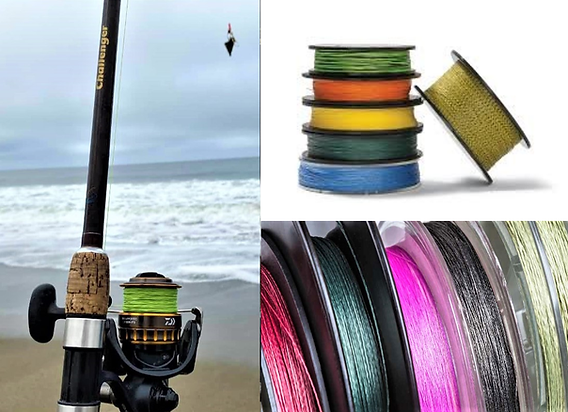
Are you ready to improve your fishing game? Using braided fishing line can change the way you catch fish.
It’s strong, sensitive, and lasts longer than regular lines. But if you’re not sure how to use it right, you might miss out on its full benefits. In this guide, you’ll discover simple steps and tips to get the most from your braided line.
Keep reading, and you’ll learn how to cast farther, feel every nibble, and reel in more fish with confidence. Your next fishing trip could be your best one yet!
Choosing The Right Braided Line
Choosing the right braided fishing line makes your fishing easier. It helps you catch fish with less hassle.
There are many types of braided lines. Picking the best one depends on your fishing needs and gear.
Line Strength And Diameter
Line strength shows how much weight the line can hold. Diameter means how thick the line is. Stronger lines often have bigger diameters.
| Line Strength (lbs) | Diameter (inches) | Use |
| 10 | 0.10 | Light fishing, small fish |
| 20 | 0.15 | Medium fish, general use |
| 50 | 0.30 | Heavy fishing, big fish |
Color And Visibility Options
Braided lines come in many colors. Some colors blend with water. Others are easy to see above water.
- Green and brown for low visibility underwater
- Bright colors like yellow or orange for easy line tracking
- Camouflage colors to avoid spooking fish
- Clear lines for clear water conditions
Compatibility With Reels And Rods
Check if the line fits your reel and rod. Some reels work better with thin lines. Some rods need strong lines for heavy fish.
| Reel Type | Best Line Diameter | Rod Type | Recommended Line Strength |
|---|---|---|---|
| Spinning Reel | 0.10 – 0.20 inches | Light to Medium Rod | 10-20 lbs |
| Baitcasting Reel | 0.15 – 0.30 inches | Medium to Heavy Rod | 20-50 lbs |
| Spincast Reel | 0.10 – 0.20 inches | Light Rod | 10-20 lbs |
Setting Up Your Gear
Using braided fishing line requires some special steps to set up your gear. Proper setup helps you fish better and avoid problems.
This guide shows how to spool your reel, use leaders, and adjust drag settings with braided line.
Spooling The Reel Properly
Spooling braided line needs care to avoid twists and tangles. Start by attaching the line tightly to the reel spool.
- Wet the line before spooling to reduce friction.
- Keep tension on the line while winding it onto the reel.
- Fill the spool almost to the rim but leave a small gap.
- Check for line overlap or loops during spooling.
- Finish by securing the line with the reel’s line clip if available.
Using Leaders With Braided Line
Leaders help prevent the braided line from fraying or breaking near the lure or hook.
| Leader Material | Reason to Use | Length |
| Fluorocarbon | Invisible underwater, abrasion resistant | 2 to 4 feet |
| Monofilament | More stretch, good shock absorption | 3 to 5 feet |
| Wire | Prevents bite-offs from sharp teeth | 1 to 2 feet |
Tie leaders with strong knots like the FG knot or Palomar knot for best results.
Adjusting Drag Settings
Drag controls how much line pulls off the reel under pressure. Set it right to protect your line and catch fish.
- Start with a light drag and increase it slowly.
- Test drag by pulling line by hand; it should slip but not too easily.
- Set drag to about 25% to 30% of your line’s breaking strength.
- Adjust drag during fishing as needed for different fish sizes.
Casting Techniques
Using braided fishing line needs good casting skills. It is thinner and stronger than other lines.
This guide covers tips to improve your casting with braided line. Learn how to prevent twists and cast farther.
Preventing Line Twist
Line twist causes tangles and weakens your cast. Braided lines can twist if not handled well.
Use a swivel between your main line and lure. This stops the line from twisting as you reel in.
- Avoid over-spooling your reel with braided line
- Keep the line tight during casts and retrievals
- Check for knots or damage that cause twists
Maximizing Casting Distance
Braided line is thin and smooth, helping you cast farther. Use a light rod tip for better control.
Practice smooth, steady casting motions. Avoid jerky moves that slow the line.
- Keep your spool tension low but controlled
- Use a lure weight matched to your rod and line
- Release line smoothly at the right moment
Handling Wind And Obstacles
Wind can push your line off course. Obstacles like trees can snag braided lines easily.
Cast with the wind behind you to improve distance. Use sidearm casts to avoid overhead branches.
- Choose calm spots for longer casts
- Watch line path to avoid snags
- Adjust your casting angle to clear obstacles

Credit: www.youtube.com
Fishing With Braided Line
Braided fishing line is strong and thin. It gives you better sensitivity to feel fish bites.
This line is good for fishing in heavy cover or deep water. It helps you catch bigger fish.
Choosing The Right Bait And Lures
Use lures that work well with braided line. The line has little stretch, so fish can feel the lure better.
Choose lures that match the fish you want. Soft plastics, spinnerbaits, and jigs work well.
- Soft plastic baits offer natural movement
- Spinnerbaits create flash and vibration
- Jigs can be fished slowly near structures
Detecting Bites And Setting The Hook
Braided line transmits vibrations quickly. Watch your rod tip closely for small movements.
Set the hook fast when you feel a bite. The line’s strength lets you pull hard without breaking.
- Keep your rod tip up to feel bites clearly
- Use a quick, firm hook set
- Don’t give slack line during a bite
Reeling In Fish Effectively
Keep steady pressure on the fish with braided line. The line will not stretch, so control is easier.
Use your rod and reel to tire the fish before pulling it in. Avoid sharp jerks that might snap the line.
- Keep the line tight while reeling
- Use smooth, steady pulls with the rod
- Let the fish run if needed, then reel when it slows
Maintenance And Care
Taking care of your braided fishing line helps it last longer. Proper maintenance keeps the line strong and ready for fishing.
Regular cleaning, checking for damage, and replacing the line when needed are important steps to follow.
Cleaning And Storing Braided Line
Clean your braided line after each fishing trip. Dirt, salt, and debris can damage the fibers.
- Rinse the line with fresh water gently.
- Use a soft cloth to wipe it dry.
- Let it dry completely before storing.
- Store in a cool, dry place away from sunlight.
Checking For Wear And Damage
Inspect your braided line often to avoid breaks while fishing. Look carefully at the sections near the rod and reel.
| Signs of Wear | What to Do |
| Frayed fibers | Cut out the damaged part or replace the line |
| Discoloration | Check line strength and consider replacement |
| Line feels rough | Replace the worn section immediately |
Replacing Line When Needed
Change your braided line if it shows heavy damage or loses strength. Fresh line improves fishing performance and safety.
- Remove all old line from the reel.
- Check the reel for dirt and clean it.
- Spool new braided line evenly on the reel.
- Tie a strong knot when attaching the line to the lure or hook.

Credit: n1outdoors.com
Common Mistakes To Avoid
Using braided fishing line can improve your fishing experience. Avoid some common mistakes to get the best results.
Knowing what not to do helps you use your line correctly and catch more fish.
Overloading The Reel
Putting too much braided line on your reel can cause problems. It may lead to tangles and reduce casting distance.
- Do not fill the reel beyond its recommended capacity.
- Leave some space on the spool to prevent line slipping.
- Check the reel manual for the correct line amount.
- Replace old braided line regularly to avoid damage.
Ignoring Line Stretch
Braided line has almost no stretch. Expect this and adjust your fishing style.
| Line Type | Stretch Level | Effect on Fishing |
| Monofilament | High | Absorbs shock, less sensitive |
| Fluorocarbon | Medium | Good abrasion resistance |
| Braided | Very Low | High sensitivity, needs careful handling |
Be gentle with your rod and reel to avoid breaking the line.
Using Incorrect Knots
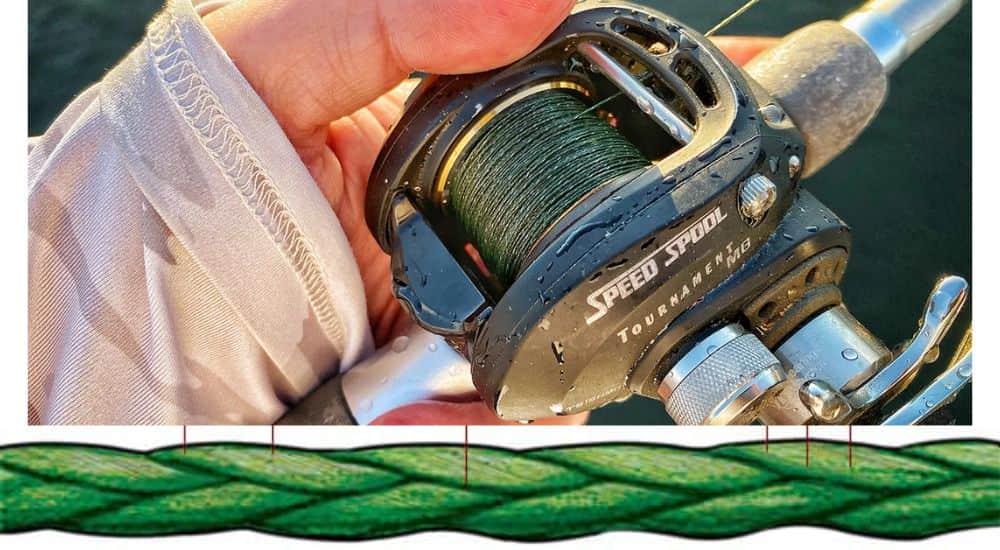
Using the wrong knots weakens braided line. Choose strong knots made for this type.
- Use knots like Palomar or Double Uni for braided line.
- Do not use knots that slip easily, like the Clinch knot.
- Wet the line before tightening to avoid friction damage.
- Trim excess tag ends to prevent snagging.
Credit: barbcatchfishing.com
Frequently Asked Questions
What Is Braided Fishing Line Used For?
Braided fishing line is ideal for heavy cover and deep water fishing. Its strength and sensitivity make it perfect for catching large fish. It also offers minimal stretch, enhancing hook sets and casting distance. Many anglers use it for saltwater and freshwater fishing alike.
How Do You Spool Braided Line?
To spool braided line, start by securing it with a backing of monofilament. Then, spool the braided line tightly onto the reel. Keep tension consistent to avoid tangling. Ensure the line is even across the spool to maintain smooth casting.
Can I Use Braided Line On Any Reel?
Yes, braided line can be used on spinning, baitcasting, and conventional reels. Ensure your reel is compatible by checking the manufacturer’s guidelines. Some reels have specific features to handle braided line’s unique properties. Always spool it correctly to prevent issues during casting or retrieving.
Does Braided Line Require A Leader?
Using a leader with braided line is often recommended. A fluorocarbon or monofilament leader can reduce visibility in clear water. It also provides abrasion resistance and shock absorption. Leaders can improve bait presentation and increase the chances of catching fish.
Conclusion
Braided fishing line offers strength and sensitivity for better fishing. It lasts longer and resists abrasion well. Choose the right line for your fishing style. Tie knots carefully to avoid slipping. Check the line often for wear or damage. Using braided line can improve your catch rate.
Practice casting to get smooth, accurate throws. Enjoy your time on the water with confidence. Keep these tips in mind for success. Fishing becomes easier and more fun this way. Give braided line a try on your next trip.