Are you ready to unlock the full flavor of your favorite grilled foods? Learning how to use a charcoal grill can transform your cooking and impress your friends and family.
Charcoal grilling adds a unique smoky taste that you just can’t get from other methods. But if you’re unsure where to start or worried about getting the fire just right, you’re not alone. This guide will walk you through simple steps to light your grill, control the heat, and cook like a pro.
Keep reading, and you’ll soon enjoy mouthwatering meals straight from your charcoal grill.

Credit: au.lifehacker.com
Choosing The Right Charcoal
Understanding different types of charcoal helps improve your grilling. The right choice can affect flavor and cooking time.
Consider the quality and impact of the fuel you choose for your grill. This decision makes a difference in your cooking experience.
Types Of Charcoal
Charcoal comes in several forms. Each type offers unique benefits for grilling. Learn about the options to find your ideal match.
- Lump Charcoal: Made from pure wood, burns hotter, less ash.
- Briquettes: Consistent shape, longer burn, more additives.
- Binchotan: High-quality, burns longer, minimal smoke.
Natural Vs. Briquettes
Natural charcoal burns hotter and cleaner. Briquettes offer a steady, long-lasting burn. Each has pros and cons based on your grilling needs.
| Type | Advantages | Disadvantages |
| Natural | Hotter, cleaner burn | Less uniform in shape |
| Briquettes | Consistent, long burn | Contains additives |
Fuel Quality And Impact
The quality of charcoal affects your food’s flavor. Higher-quality fuels burn more efficiently and produce less smoke.
Preparing Your Grill
Using a charcoal grill gives your food a smoky flavor. Proper preparation helps you cook safely and enjoy the best taste.
Before you start, cleaning, setting up, and safety are key steps. Follow these tips to get ready.
Cleaning And Maintenance
Clean your grill after each use. Remove ashes and leftover charcoal to avoid bad smells.
- Brush the grates with a grill brush before and after grilling.
- Empty the ash catcher when cool.
- Wipe the outside with a damp cloth to keep it shiny.
- Check for rust and fix it quickly to prevent damage.
Setting Up The Grill
Place your grill on a flat, stable surface. Keep it away from walls and flammable items.
| Item | Recommended Distance |
| Grill from walls | At least 3 feet |
| Grill from trees | At least 5 feet |
| Grill from furniture | At least 3 feet |
Arrange charcoal evenly in the grill. Use a chimney starter to light it safely.
Safety Precautions
Always have water or a fire extinguisher nearby. Never leave the grill unattended.
- Wear heat-resistant gloves when handling hot parts.
- Keep children and pets away from the grill area.
- Use long-handled tools to avoid burns.
- Do not add lighter fluid to hot coals.
- Let the grill cool completely before moving or cleaning.
Lighting The Charcoal
Lighting charcoal is the first step to a great grill session. It needs the right method to get even heat and good flavor.
Using the right tools and timing helps you start the fire safely and efficiently.
Using A Chimney Starter
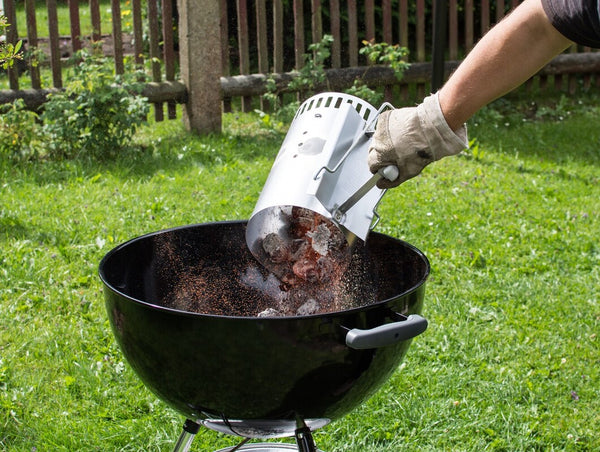
A chimney starter lights charcoal quickly without chemicals. It uses air flow to ignite the coals evenly.
- Fill the chimney with charcoal.
- Place crumpled newspaper or a fire starter under the chimney.
- Light the paper at the bottom.
- Wait 10-15 minutes until coals are covered with gray ash.
- Pour the hot coals into the grill carefully.
Avoiding Lighter Fluid
Lighter fluid can change food taste and cause flare-ups. It is safer to avoid it.
Instead of lighter fluid, try these options:
- Use a chimney starter.
- Try natural fire starters like wood shavings.
- Use electric charcoal starters.
- Light charcoal with a propane torch.
Timing For Optimal Heat
Knowing when charcoal is ready helps you cook well. Too hot or too cool affects food.
| Time After Lighting | Charcoal Condition | Use |
| 5-10 minutes | Coals start to glow red | Good for slow cooking |
| 10-15 minutes | Coals covered with gray ash | Best for grilling |
| 20-30 minutes | Coals cooling down | Good for warming or low heat |
Managing Grill Temperature
Controlling the temperature is key to cooking on a charcoal grill. It helps cook food evenly and prevents burning.
You can manage heat by adjusting how you place charcoal and using air vents. Tools like thermometers also help.
Direct Vs. Indirect Heat
Direct heat means placing food right over hot coals. It cooks food fast and gives a nice sear.
Indirect heat means placing food away from the coals. It cooks food slowly and avoids burning.
- Use direct heat for steaks, burgers, and quick cooking.
- Use indirect heat for larger cuts like chicken or ribs.
- Combining both helps cook food perfectly.
Adjusting Air Vents
Air vents control how much oxygen feeds the charcoal. More oxygen means hotter fire.
Open vents to increase heat. Close them a little to lower heat. Adjust slowly and watch the fire.
- Bottom vents add air to the fire.
- Top vents let smoke and heat escape.
- Balance both vents for steady temperature.
Using A Thermometer
A thermometer shows the grill’s exact temperature. It helps cook food at the right heat.
Use a grill thermometer or a meat thermometer. Check heat often to avoid overcooking or undercooking.
- Place the thermometer near the food for best reading.
- Keep the lid closed for accurate temperature.
- Use the thermometer to adjust vents and charcoal.
Cooking Techniques
Using a charcoal grill adds unique flavors to your food. It also allows for different cooking styles.
Knowing how to control heat and handle foods helps you get the best results. This guide covers key tips for grilling meats, vegetables, seafood, and avoiding flare-ups.
Grilling Different Meats
Each type of meat needs its own grilling method. Thicker cuts need more time with indirect heat. Thin cuts cook fast over direct heat.
- Beef steaks: Sear on high heat, then finish on low heat.
- Chicken: Cook slowly to reach safe temperature without burning.
- Pork chops: Use medium heat and turn often to keep moist.
- Lamb: Grill over medium heat and rest before serving.
Vegetable And Seafood Tips
Vegetables and seafood cook quickly and need gentle heat. Use a grill basket or foil to keep small pieces from falling.
| Food | Grill Time | Heat Type |
| Asparagus | 5-7 minutes | Medium |
| Salmon fillets | 6-8 minutes | Medium-low |
| Bell peppers | 8-10 minutes | Medium |
| Shrimp | 2-3 minutes | High |
Preventing Flare-ups
Flare-ups happen when fat drips on the coals. They can burn food or cause uneven cooking.
- Trim excess fat from meats before grilling.
- Keep a spray bottle of water nearby to control flames.
- Move food to cooler parts of the grill if flames rise.
- Use two-zone cooking: one hot side and one cooler side.

Credit: lifehacker.com
Enhancing Flavor
Using a charcoal grill gives food a rich, smoky taste. You can add extra flavor with simple tricks.
This guide covers wood chips, marinades, rubs, and resting tips to improve your grilling results.
Using Wood Chips
Wood chips add extra smoky flavor to grilled food. Soak them in water for 30 minutes before use.
Place soaked chips on hot coals or in a smoker box. Different woods give different flavors.
- Hickory adds a strong smoky taste
- Apple wood offers a mild, sweet flavor
- Mesquite gives a bold, earthy aroma
- Cherry wood provides a fruity smoke
Marinades And Rubs
Marinades soak into the meat and add moisture and flavor. Use acidic ingredients like lemon or vinegar.
Rubs are dry mixtures of spices and herbs. They create a tasty crust on the food’s surface during grilling.
- Basic rubs include salt, pepper, garlic powder, and paprika
- Let marinades soak for at least 30 minutes
- Apply rubs just before placing food on the grill
- Combine marinades and rubs for deeper flavor
Resting And Serving
Resting grilled food lets juices spread evenly. This keeps meat tender and moist.
Cover food loosely with foil and let it rest for 5 to 10 minutes before serving.
- Rest steak for 5 to 7 minutes
- Rest chicken or pork for 10 minutes
- Serve on warm plates to keep food hot
Cleaning After Cooking
Cleaning your charcoal grill after cooking keeps it safe and ready for the next use. A clean grill lasts longer and works better.
Here are simple steps to clean your grill properly after cooking.
Ash Disposal
Wait until the ashes are completely cool before cleaning. Hot ashes can cause burns or fires.
Use a small shovel or scoop to remove ashes. Dispose of them in a metal container to avoid accidents.
- Let ashes cool for several hours
- Use a metal scoop or ash tool
- Place ashes in a metal trash can
- Never use plastic or paper bags
Grate Cleaning
Clean the grill grate while it is still warm. This helps remove leftover food and grease easily.
Use a grill brush or scraper to clean the grate. For tough spots, soak the grate in warm, soapy water.
- Brush grate right after cooking
- Use a wire grill brush or scraper
- Soak grate in warm water if needed
- Rinse and dry grate before storing
Storage Tips
Store your charcoal grill in a dry place to prevent rust. Cover it with a grill cover if possible.
Remove the grate and ashes before storing. Clean parts last longer and stay ready for your next cookout.
- Keep grill in a dry area
- Use a weatherproof grill cover
- Remove and clean grate before storage
- Empty ash catcher regularly

Credit: www.cowboysandangelsretreat.com
Frequently Asked Questions
How Do I Start A Charcoal Grill Safely?
To start a charcoal grill safely, use a chimney starter for even ignition. Avoid lighter fluid to prevent chemical taste. Arrange charcoal in a pyramid, light from the bottom, and wait 15-20 minutes until ash turns gray.
What Is The Best Charcoal For Grilling?
Lump charcoal is best for grilling due to its natural flavor and high heat. Briquettes offer consistent heat but may contain additives. Choose based on your cooking style and flavor preference for optimal results.
How Long Should Charcoal Grill Preheat?
Preheat your charcoal grill for 15-25 minutes. This ensures even heat distribution and proper cooking temperature. Wait until coals are covered with gray ash before placing food on the grill.
How Do I Control Temperature On A Charcoal Grill?
Control temperature by adjusting the air vents and charcoal amount. Open vents increase heat; close vents reduce oxygen and lower temperature. Use a thermometer for precise heat management during grilling.
Conclusion
Charcoal grilling brings out rich, smoky flavors in food. Start with good charcoal and light it safely. Control the heat by adjusting air vents and charcoal placement. Keep an eye on cooking times for best results. Clean the grill after each use to keep it ready.
Practice often to feel confident and enjoy tasty meals. Charcoal grilling can turn simple ingredients into delicious dishes. Give it a try and enjoy cooking outdoors.