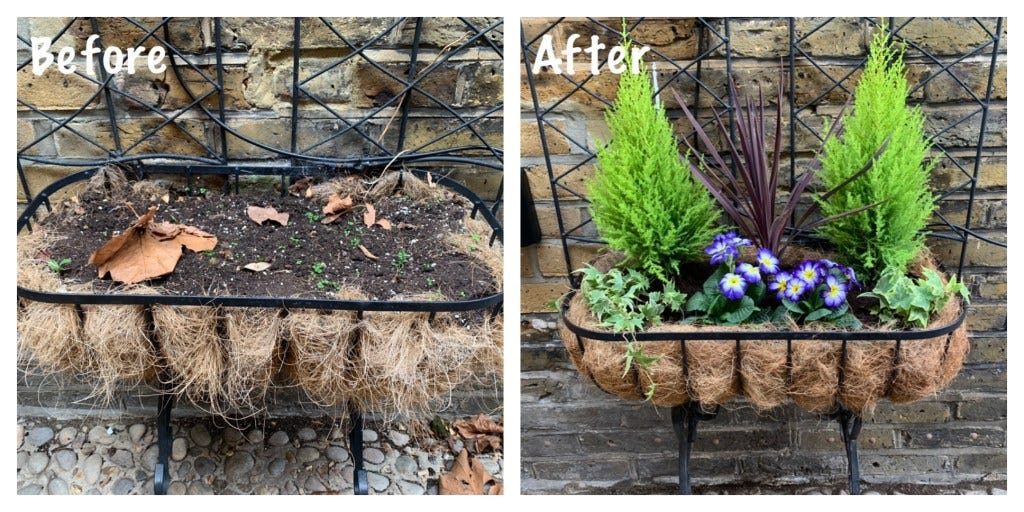
Are you looking for a simple way to improve your planters and help your plants thrive? Using a coco liner might be the secret you’ve been missing.
It’s natural, easy to use, and perfect for keeping your plants healthy and your pots looking great. In this guide, you’ll discover how to use a coco liner step-by-step, so your planters stay fresh and your garden stays vibrant. Keep reading to unlock the full potential of your planting space!
Credit: medium.com
Benefits Of Coco Liners
Coco liners are popular for use in planters. They offer many advantages that help plants grow better. This guide explains their main benefits.
Using coco liners in your garden or pots supports healthy plant development. They provide a natural and effective way to improve planter conditions.
Natural And Eco-friendly Material
Coco liners are made from coconut husks. This material is renewable and biodegradable. Using coco liners helps reduce plastic waste in gardening.
- Made from coconut fiber, a natural resource
- Biodegrades over time without harming the environment
- Reduces the use of synthetic liners and plastics
- Supports sustainable gardening practices
Improved Drainage And Aeration
Coco liners allow water to drain well from planters. They also let air reach plant roots easily. This keeps soil from staying too wet or compacted.
| Feature | Benefit |
| Water permeability | Prevents waterlogging |
| Air flow | Promotes healthy root respiration |
| Porous texture | Improves soil aeration and drainage |
Enhanced Root Health
Roots grow strong in coco liners. The material keeps roots from sitting in water. It also encourages roots to spread and absorb nutrients well.
- Prevents root rot by avoiding excess moisture
- Supports root expansion and stability
- Helps plants absorb water and nutrients efficiently
Choosing The Right Coco Liner
Coco liners help keep soil in place and allow water to drain. Picking the right one makes your planter last longer.
Consider several factors like thickness, size, and whether the liner is organic or treated. These affect performance and durability.
Thickness And Durability
Thicker coco liners last longer and hold soil better. Thin liners may tear easily and need replacing.
Choose thicker liners for heavy plants or outdoor use. Thin liners work for light plants and indoor planters.
- Thick liners resist wear and tear
- Thin liners dry out faster
- Durable liners keep soil moist longer
Size And Shape Options
Coco liners come in many sizes and shapes. Pick one that fits your planter well to avoid gaps.
Round liners suit round pots, while rectangular liners fit window boxes. Some liners can be trimmed for a custom fit.
- Measure your planter before buying
- Choose liners slightly larger for trimming
- Match liner shape to planter shape
Organic Vs. Treated Liners
Organic liners are natural and eco-friendly. Treated liners have chemicals to resist mold and decay.
Use organic liners for indoor plants or edible gardens. Treated liners last longer outdoors but avoid edible plants.
- Organic liners are biodegradable
- Treated liners resist pests and fungi
- Choose based on plant type and location
Preparing Your Planter
Coco liners are great for planters. They help retain moisture and improve drainage. Let’s get your planter ready for use.
Follow these steps to prepare your planter effectively. This ensures a healthy environment for your plants.
Cleaning The Container
Cleaning the container is crucial. It removes old soil and potential pests. Use warm, soapy water for best results.
- Empty old soil from the container
- Scrub the inside with a brush
- Rinse thoroughly and let it dry
Checking Drainage Holes
Drainage holes are essential for plant health. They prevent water from accumulating. Check to ensure they are not blocked.
Measuring For The Liner
Accurate measurement of the planter is key. It ensures the coco liner fits well. Measure the diameter and depth of the container.
| Planter Dimension | Measurement Required |
| Diameter | Measure across the top |
| Depth | Measure from top to bottom |

Credit: www.amazon.ca
Installing The Coco Liner
Using a coco liner helps protect your planter and improves drainage. It keeps soil in place and lets water flow through.
Installing the liner correctly is important. This guide shows how to cut, secure, and layer your planter with a coco liner.
Cutting The Liner To Fit
Start by measuring the inside of your planter. The liner should cover all sides and the bottom.
Use scissors or a utility knife to cut the liner. Leave extra material to fold over the edges for a snug fit.
- Measure planter depth, width, and length
- Add 1-2 inches to each side
- Cut the liner carefully along the measured lines
Securing The Liner In Place
Place the cut liner inside the planter. Make sure it fits well and covers the entire interior.
Use staples, nails, or clips to hold the liner on the planter edges. This stops it from moving when you add soil.
- Press liner firmly against planter walls
- Attach liner evenly around the top edge
- Check for gaps or loose areas
Layering With Soil And Plants
Start by adding a layer of small rocks or gravel over the liner. This helps with drainage.
Next, fill the planter with soil. Make sure to leave space to plant your flowers or vegetables.
- Add 1-2 inches of gravel or small rocks
- Fill planter with potting soil above the gravel
- Plant your chosen plants carefully in the soil
Maintaining Planters With Coco Liners
Coco liners are great for planters. They help keep soil moist and let air flow.
Good care of coco liners helps your plants grow healthy and strong.
Watering Tips For Longevity
Water your plants regularly but not too much. Coco liners hold water well.
Too much water can cause the liner to break down faster.
- Water when the soil feels dry to touch
- Use a watering can with a gentle flow
- Avoid overwatering to keep liners intact
- Check drainage holes to prevent water buildup
Cleaning And Replacing Liners
Clean coco liners to stop mold and bad smells. Remove soil and rinse with water.
Replace liners if they become thin or tear easily. This keeps plants safe.
- Remove old soil before cleaning
- Rinse liners with water, avoid harsh chemicals
- Let liners dry completely before reusing
- Replace liners every 1-2 years or if damaged
Troubleshooting Common Issues
Sometimes coco liners get moldy or fall apart. This can hurt your plants.
Check liners often for signs of wear or damage. Fix problems early.
- Mold: Remove and clean liners, reduce watering
- Dryness: Water plants more often, check soil
- Tears: Replace liners to protect roots
- Slow drainage: Clear holes or add drainage material
Credit: medium.com
Creative Uses For Coco Liners
Coco liners are natural and breathable materials that help plants grow well. They keep soil moist and provide good air flow to roots.
These liners work well in many planter styles. They add a natural look and support healthy plants in unique ways.
Hanging Baskets
Hanging baskets with coco liners look charming and keep soil moist longer. The liner helps water drain well and stops soil from falling out.
- Choose a basket frame that fits the liner size.
- Place the liner inside the basket tightly.
- Add soil and plants suitable for hanging displays.
- Water regularly but avoid waterlogging.
Vertical Gardens
Coco liners are perfect for vertical gardens. They help hold soil in place on a wall or frame and allow roots to breathe well.
You can create pockets or layers by cutting the liner to size. Attach these to your vertical frame and fill with soil and plants.
Custom-shaped Planters
Coco liners can be shaped to fit unusual planter designs. They are flexible and easy to cut, so you can match any shape.
| Planter Shape | How to Use Coco Liner | Benefits |
| Square | Cut liner to square size and line planter evenly | Prevents soil loss, keeps moisture steady |
| Round | Form liner into a circle and fit inside planter | Allows good drainage and airflow |
| Irregular | Cut and shape liner carefully, secure edges with clips | Custom fit, supports root health |
Frequently Asked Questions
What Is A Coco Liner For Planters?
A coco liner is a natural fiber mat made from coconut husks. It helps retain soil moisture and improves drainage in planters. It also prevents soil from falling out, making it ideal for hanging baskets and outdoor containers.
How Do You Install A Coco Liner In A Planter?
To install, simply cut the liner to fit your planter’s shape and size. Place it inside the planter, pressing it firmly against the walls. Fill the planter with soil, ensuring the liner stays in place for optimal support and drainage.
Can Coco Liners Improve Plant Growth?
Yes, coco liners promote healthy plant growth by maintaining moisture levels. They enhance aeration and prevent root rot by improving drainage. Their natural fibers also provide a stable environment for roots, encouraging stronger, healthier plants.
How Long Does A Coco Liner Last Outdoors?
A coco liner typically lasts 1 to 3 years outdoors, depending on weather conditions. Exposure to sun and rain gradually breaks down the fibers. Replacing liners annually ensures continued planter effectiveness and plant health.
Conclusion
Using coco liner helps keep soil in place and plants healthy. It lets water drain well, stopping root rot. Cut the liner to fit your planter perfectly. Secure it tightly to avoid slipping. This simple step improves planter life and plant growth.
Try coco liner for a cleaner and greener garden space. Small effort, big difference. Your plants will thank you.