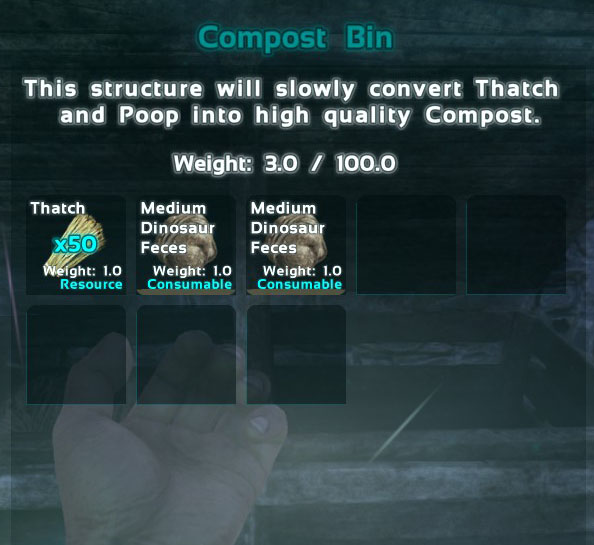
Are you ready to turn your kitchen scraps and garden waste into rich, natural fertilizer? Using a compost bin Ark is an easy and effective way to do just that.
Imagine reducing your trash, saving money on fertilizers, and helping the environment—all with a simple tool you can manage right at home. In this guide, you’ll discover exactly how to use your compost bin Ark to create nutrient-packed compost quickly and effortlessly.
Keep reading, and you’ll learn insider tips that make composting not only simple but also rewarding. Your garden will thank you!
Credit: www.thegamer.com
Choosing The Right Compost Bin Ark
Choosing the right compost bin ark helps you recycle kitchen and garden waste. It turns waste into healthy soil for plants. Pick a bin that fits your space and needs.
Not all compost bins are the same. Some work better for small gardens, others for large yards. Knowing the options makes your choice easier.
Types Of Compost Bins
Compost bins come in many styles. Each type has benefits and limits. Choose one that matches your composting habits.
- Stationary bins hold waste in one place. They are simple and cheap.
- Tumbler bins turn easily to mix the compost faster.
- Worm bins use worms to break down scraps quickly.
- Trench composting means burying waste in soil without a bin.
Materials And Durability
Material affects how long your compost bin lasts and how it works. Some materials keep heat well. Others resist weather damage.
| Material | Durability | Benefits |
| Plastic | High | Lightweight, resists rain and pests |
| Wood | Medium | Natural look, good ventilation |
| Metal | High | Very strong, holds heat well |
| Wire Mesh | Low | Good airflow, low cost |
Size And Capacity Considerations
Choose a compost bin size based on how much waste you create. A bin that is too small fills up fast. One that is too big may be hard to manage.
- Small bins (10-20 gallons) fit small kitchens and balconies.
- Medium bins (30-50 gallons) suit average households with garden waste.
- Large bins (over 60 gallons) work for big gardens or families.

Credit: www.youtube.com
Setting Up Your Compost Bin Ark
Setting up your Compost Bin Ark correctly helps you start composting easily. This guide shows you how to prepare your bin and begin composting right away.
Follow simple steps to choose the best spot, prepare your bin, and add the first layers of materials. This will create a healthy environment for composting.
Ideal Location For Composting
Choose a spot that gets some sunlight but is not too hot. A shaded area helps keep the compost moist and alive.
Pick a flat and well-drained area. Avoid places that flood or stay very wet after rain.
- Near your garden for easy access
- A place with good air flow
- A spot away from strong winds
- On soil or grass, not concrete or asphalt
Preparing The Bin
Start by cleaning your Compost Bin Ark if it is new or unused. Remove any dust or debris inside the bin.
Open the vents or holes to allow air to flow. Good air flow helps the compost break down faster.
- Check the bin for cracks or damage
- Make sure the lid fits well
- Place the bin on the ground to allow worms in
Adding The First Layers
Start with a layer of coarse materials like small sticks or straw. This helps with drainage and air flow.
Add a layer of green materials next. These include kitchen scraps and fresh grass clippings. They provide nitrogen for composting.
- Layer 1: Twigs or straw (about 3-4 inches)
- Layer 2: Green waste like vegetable peels
- Layer 3: Brown waste such as dry leaves or paper
- Repeat layers to fill the bin
What To Compost In Your Bin Ark
Composting helps reduce waste and enriches the soil. Your Bin Ark can turn kitchen scraps into valuable compost. Knowing what to compost is key for a healthy compost bin.
Start by understanding the types of materials you can add. Balance is important for effective composting.
Green And Brown Materials
Green materials are high in nitrogen. Brown materials add carbon. You need both for a balanced compost.
- Green materials include fruit scraps and vegetable peels.
- Brown materials include dried leaves and shredded paper.
- Mix them in equal parts for best results.
Avoiding Harmful Items
Not all waste is suitable for composting. Some items can harm your compost or attract pests.
- Avoid meat and dairy products.
- Do not add oils or fats.
- Keep out diseased plants.
Balancing Moisture And Aeration
Moisture and air are crucial for composting. Wet compost can smell bad, while dry compost doesn’t break down well.
| Condition | Solution |
| Too Wet | Add more brown materials |
| Too Dry | Sprinkle some water |
| Compacted | Turn the pile regularly |
Maintaining The Compost Bin Ark
Keeping your Compost Bin Ark in good shape helps your compost break down faster. Regular care stops bad smells and pests.
This guide explains how to keep your compost healthy and ready to use in your garden.
Turning And Mixing Techniques
Turning the compost helps air reach the materials. It speeds up the breakdown process. Mix the compost every week or two.
Use a garden fork or shovel to turn the compost. Move the outer parts to the center. This keeps it balanced and healthy.
- Turn compost every 7 to 14 days
- Mix the outer layers into the center
- Break up clumps to improve airflow
- Avoid over-mixing to keep moisture
Monitoring Temperature And Moisture
Temperature shows how well compost is breaking down. The ideal range is 130°F to 160°F (54°C to 71°C). Use a compost thermometer to check.
Moisture should feel like a damp sponge. If it is too dry, add water. If it is too wet, add dry materials like leaves or straw.
- Check temperature weekly with a thermometer
- Keep moisture level damp but not soaked
- Add water if compost feels dry
- Add dry materials if compost feels wet
Troubleshooting Common Issues
Sometimes compost can have problems. Bad smells mean lack of air or too much moisture. Turn it more and add dry materials.
Slow breakdown means the pile is too cold or dry. Add green materials like vegetable scraps and water. Also, check for pests like rodents and insects.
- Bad smell: turn compost and add dry leaves
- Slow composting: add green scraps and water
- Pests: cover food scraps and secure lid
- Too dry: spray water lightly
Harvesting And Using Compost
Compost is a valuable resource for your garden. It helps plants grow strong and healthy.
Knowing when and how to harvest compost is important. Using compost correctly improves soil and plants.
Signs Compost Is Ready
Ready compost looks dark and crumbly. It smells earthy and not like food or trash.
- Texture is loose and soil-like
- Color is dark brown or black
- Temperature is cool to the touch
- No visible food scraps or large pieces
- Earthy smell without bad odors
How To Harvest Compost
Harvest compost carefully to keep the bin working well. Use tools or your hands to remove it.
- Open the compost bin lid or door.
- Use a garden fork or shovel to scoop out the finished compost.
- Separate any large pieces or unbroken materials.
- Place the compost in a container or wheelbarrow.
- Leave some compost in the bin to help future breakdown.
Applying Compost In Your Garden
Use compost to improve soil and feed plants. It works well on flower beds, vegetable gardens, and lawns.
| Method | Description |
| Top Dressing | Spread 1-2 inches of compost on soil surface. |
| Soil Mixing | Mix compost into the top 6 inches of soil before planting. |
| Mulching | Use compost as mulch around plants to retain moisture. |
| Potting Mix | Add compost to potting soil for container plants. |

Credit: www.thegamer.com
Benefits Of Using Compost Bin Ark
Using a Compost Bin Ark helps turn kitchen scraps and garden waste into rich soil. This process supports healthy plants and a cleaner environment.
It is a simple way to recycle organic waste at home and improve your garden naturally.
Improving Soil Health
Compost from the bin adds nutrients to the soil. It improves soil structure and helps plants grow strong roots. Healthy soil retains water better and supports beneficial microbes.
Reducing Waste
Compost Bin Ark reduces the amount of waste sent to landfills. Organic waste breaks down naturally in the bin, cutting down on garbage volume.
- Less trash in the garbage can
- Lower landfill pollution
- Fewer methane gases released
- Better use of kitchen and garden scraps
Supporting Sustainable Gardening
Compost Bin Ark helps gardeners use natural materials to feed plants. It reduces the need for chemical fertilizers and supports eco-friendly gardening.
| Benefit | Description |
| Natural Fertilizer | Feeds plants without chemicals |
| Soil Moisture | Helps soil hold water |
| Plant Growth | Boosts healthy plant development |
| Eco-Friendly | Reduces chemical use and waste |
Frequently Asked Questions
What Materials Can I Compost In A Compost Bin Ark?
You can compost fruit scraps, vegetable peels, coffee grounds, eggshells, grass clippings, and dry leaves. Avoid meat, dairy, and oily foods to prevent odors and pests.
How Often Should I Turn The Compost Bin Ark?
Turn the compost every 1-2 weeks to aerate it. This speeds up decomposition and prevents bad smells, helping your compost break down efficiently.
Where Is The Best Place To Keep A Compost Bin Ark?
Place your bin in a shaded, well-drained spot with good airflow. Avoid direct sunlight to maintain moisture and avoid drying out the compost.
How Long Does Composting Take In A Compost Bin Ark?
Composting usually takes 2 to 4 months with regular turning and proper moisture. Warmer weather speeds up the process, while colder slows it down.
Conclusion
Using a Compost Bin Ark helps reduce waste and improve soil health. It is easy to set up and use in your garden. Regularly add kitchen scraps and yard waste for best results. Turn the compost often to speed up the process.
Over time, you get rich, natural fertilizer for plants. This simple method supports a greener lifestyle at home. Start composting today and see the benefits grow. Small steps make a big difference for the earth.