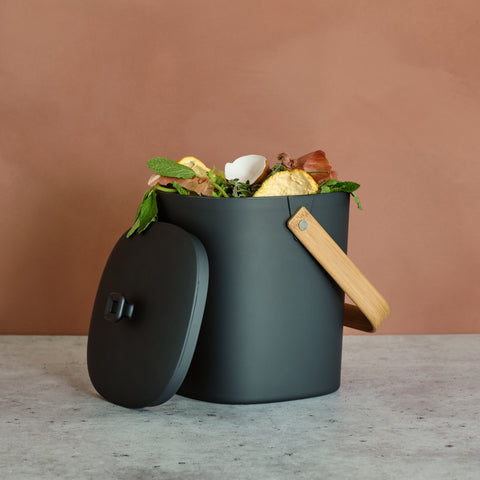
Are you looking for a simple way to turn your kitchen waste into something valuable? Using a compost bin in your kitchen is an easy, smart step that can save you money, reduce waste, and help the environment—all without much effort.
Imagine turning your leftover fruit peels, coffee grounds, and vegetable scraps into rich soil for your plants. Sounds great, right? You’ll discover exactly how to use a compost bin in your kitchen, so you can start making a positive change today.
Keep reading to learn the simple tips and tricks that will make composting a natural part of your daily routine.
Credit: www.amazon.com
Choosing The Right Compost Bin
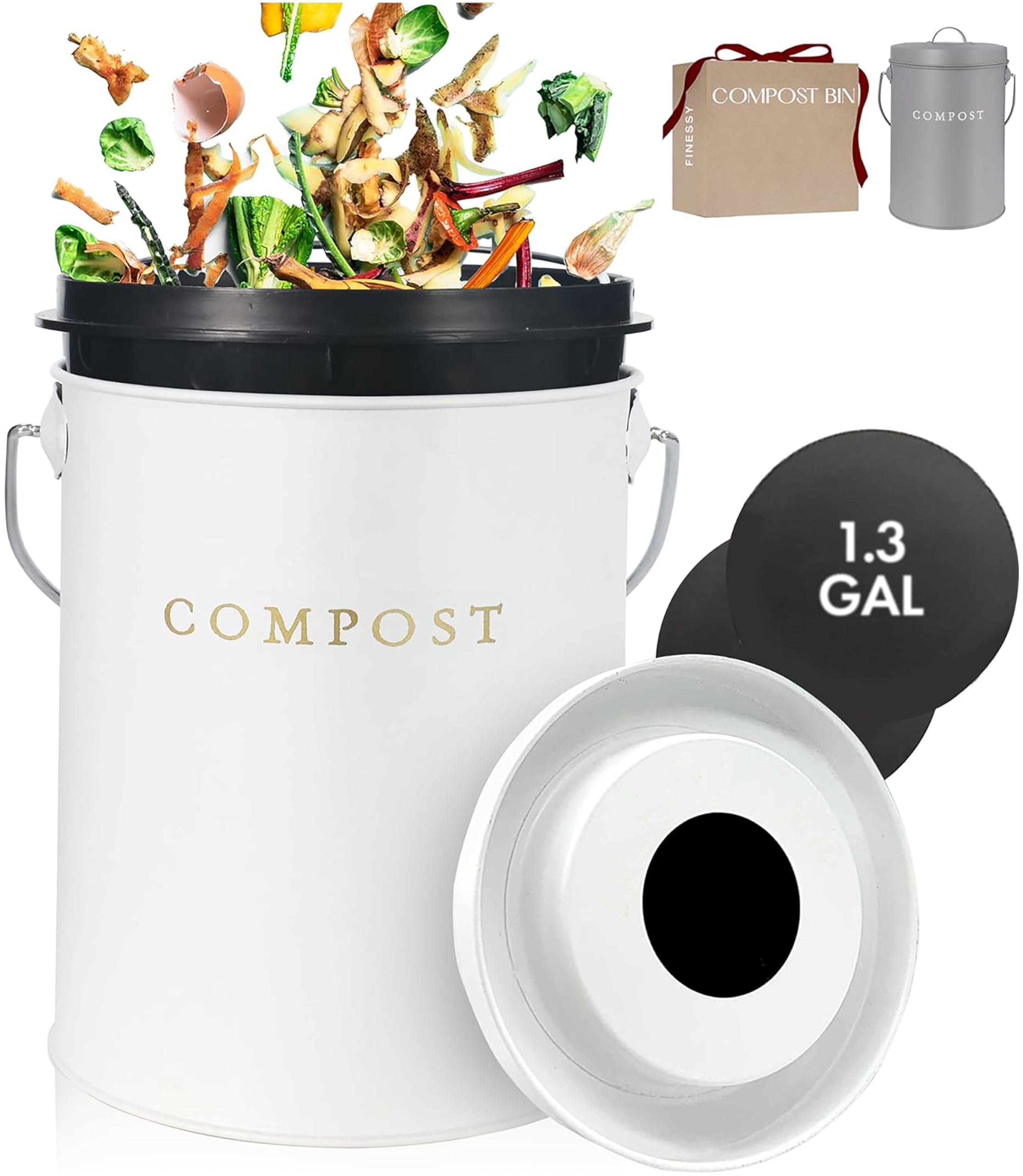
Using a compost bin in your kitchen helps reduce waste and create nutrient-rich soil. Choosing the right bin makes composting easier and cleaner.
Consider factors like material, size, ventilation, and where you place the bin. These affect how well your compost works and how fresh your kitchen stays.
Materials And Sizes
Compost bins come in many materials and sizes. Picking the right one depends on your kitchen space and how much waste you produce.
| Material | Pros | Cons |
| Plastic | Lightweight, easy to clean | Can retain odors, less eco-friendly |
| Metal | Durable, resists stains | Can rust, heavier |
| Ceramic | Stylish, odor-resistant | Fragile, heavier |
Sizes vary from small countertop bins to larger containers. Choose a size that fits your kitchen and meets your composting needs.
Ventilation And Odor Control
Good ventilation helps compost dry faster and reduces smells. Look for bins with air holes or filters.
- Bins with charcoal filters trap odors
- Air holes improve airflow inside the bin
- Sealed lids keep smells contained
Placement In The Kitchen
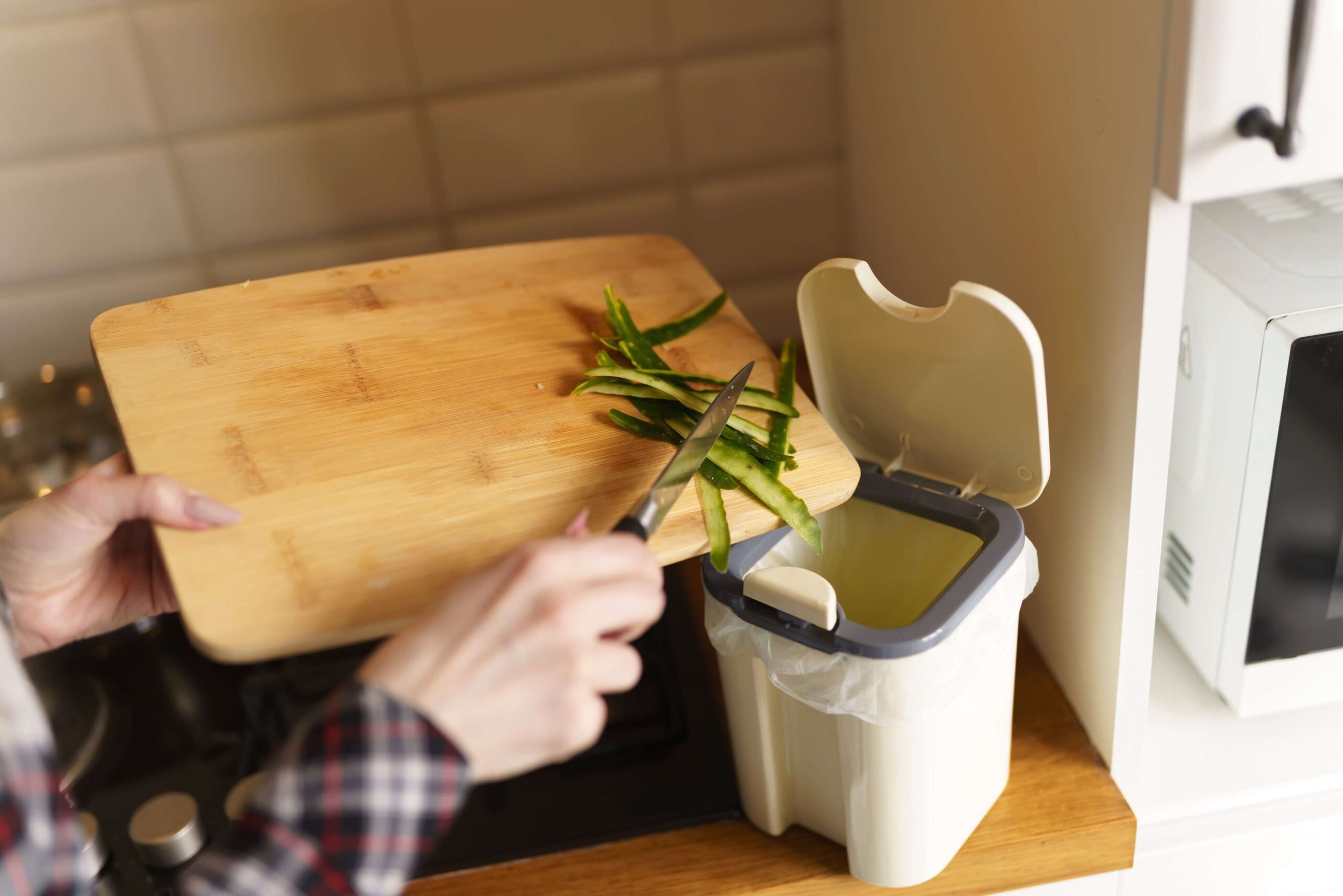
Place your compost bin where it is easy to reach but not in the way. Consider spots near your sink or food prep area.
Tips for placing your compost bin:
- Keep it away from direct sunlight to prevent smells
- Choose a spot with good air circulation
- Avoid areas near heat sources or open windows
What To Compost
Composting in your kitchen can be easy and rewarding. It helps reduce waste and creates nutrient-rich soil for plants.
Knowing what to compost is important. Here’s a simple guide to help you start.
Kitchen Scraps To Include
Many kitchen scraps can go into your compost bin. These items break down quickly and enrich your compost.
- Fruit peels and cores
- Vegetable scraps
- Coffee grounds and filters
- Eggshells
- Tea bags
Items To Avoid
Some items should not be composted. They can attract pests or slow down composting.
- Meat and bones
- Dairy products
- Oily foods
- Pet waste
- Plastic or synthetic materials
Balancing Greens And Browns
A good compost needs a balance of greens and browns. Greens are rich in nitrogen, while browns are rich in carbon.
Mixing these helps compost break down properly. Here’s a simple way to balance them.
| Greens | Browns |
| Fruit scraps | Dry leaves |
| Vegetable peels | Paper |
| Coffee grounds | Sawdust |
Setting Up Your Compost Bin
Setting up a compost bin in your kitchen helps reduce food waste. It also creates rich soil for plants.
To start, you need to prepare the bin properly. This makes composting easier and cleaner.
Adding A Base Layer
Begin by adding a base layer at the bottom of your compost bin. This layer helps with drainage and airflow.
Use dry, coarse materials like small twigs or shredded paper. This keeps the bin from getting too wet.
- Small twigs or sticks
- Shredded newspaper or cardboard
- Dry leaves or straw
Using Compostable Liners
Compostable liners make cleaning your bin easier. They also help keep bad smells down.
Choose liners made from plant-based materials. Avoid plastic liners because they do not break down.
- Look for bags labeled compostable or biodegradable
- Check if the liner breaks down within months
- Use liners that fit your bin size well
Tools To Keep Handy
Having the right tools makes composting easier. These tools help you manage your bin daily.
- Small shovel or scoop for adding scraps
- Compost aerator or garden fork to mix materials
- Scraper to clean the bin sides
- Gloves to keep hands clean

Credit: www.bamboozlehome.com
Maintaining Your Compost Bin
Keeping your compost bin in good shape helps break down waste quickly. Regular care stops smells and pests. It also makes rich compost for your garden.
Follow simple steps to keep your kitchen compost bin healthy. Small actions every day make a big difference.
Regular Turning And Mixing
Turning your compost mixes air into the pile. This helps microbes break down the food scraps. It also stops bad smells and keeps the process fast.
- Use a compost fork or stick to turn the pile.
- Turn the compost every few days.
- Mix older and newer scraps evenly.
- Break up clumps to let air flow.
Managing Moisture Levels
Compost needs the right wetness to work well. Too wet, and it smells bad. Too dry, and the waste stops breaking down.
| Moisture Condition | Signs | Actions |
|---|---|---|
| Too Wet | Smelly, soggy, or leaking liquid | Add dry materials like leaves or paper |
| Too Dry | Dry, dusty, or not breaking down | Spray water lightly and mix well |
| Just Right | Feels like a wrung-out sponge | Maintain moisture and turn regularly |
Controlling Odors
Bad smells can happen if compost is not cared for. They may attract flies or pests. Control odors with simple habits.
- Do not add meat, dairy, or oily foods to the bin.
- Cover fresh scraps with dry leaves, shredded paper, or sawdust.
- Turn the compost often to add air.
- Keep the bin in a shaded, cool place.
Harvesting And Using Compost
Using a compost bin in your kitchen helps reduce waste. It also creates rich soil for your garden.
Knowing when and how to harvest compost is key. This guide will help you use your compost well.
Signs Compost Is Ready
Compost is ready when it looks dark and crumbly. It should smell earthy, not rotten or sour.
You will not see food scraps or large pieces inside the compost. The material will be soft and loose.
- Dark brown or black color
- Earthy smell
- No visible food or large scraps
- Crumbly texture
How To Harvest
Open your compost bin carefully. Use a small shovel or garden fork to remove the compost.
Take out the finished compost from the bottom or center of the bin. Leave some compost on top to keep the bin healthy.
- Wear gloves to keep hands clean
- Remove finished compost only
- Keep unfinished scraps for more composting
- Store harvested compost in a dry place
Using Compost In Your Garden
Mix compost into your garden soil to add nutrients. It helps plants grow strong and healthy.
You can use compost as mulch around plants. It keeps soil moist and stops weeds from growing.
- Mix compost with garden soil before planting
- Spread compost as a top layer around plants
- Use compost in pots and containers
- Do not use compost alone; mix with soil
Credit: www.texasdisposal.com
Troubleshooting Common Issues
Using a compost bin in your kitchen helps reduce waste and create rich soil. Sometimes problems happen during composting. Knowing how to fix these issues keeps your bin working well.
This guide covers common problems you may face and simple ways to solve them. Read on to learn about pests, slow breakdown, and bad smells.
Dealing With Pests
Pests like fruit flies or ants can appear near your kitchen compost bin. They come for food scraps and moisture. You can stop pests with a few easy steps.
- Keep your bin covered with a tight lid to block pests.
- Sprinkle a thin layer of dry leaves or shredded paper over scraps.
- Avoid putting meat, dairy, or oily foods in the bin.
- Clean the bin regularly to remove sticky spots or spills.
- Place the bin away from windows or doors to limit pest access.
Fixing Slow Decomposition
If your compost is not breaking down fast enough, it may lack balance. Compost needs the right mix of materials, moisture, and air to decompose well.
| Cause | Solution |
| Too much dry material | Add kitchen scraps or green waste for moisture |
| Too wet or soggy | Mix in dry leaves, paper, or cardboard |
| Not enough air | Stir or turn the compost every few days |
| Bin too small or full | Use a bigger bin or empty some compost |
Handling Bad Smells
Bad smells can happen if your compost bin is too wet or has the wrong materials. Smelly compost can attract pests and make your kitchen unpleasant.
- Check if the bin is too wet; add dry materials like shredded paper.
- Mix the compost to add air and reduce odors.
- Remove any meat, dairy, or oily scraps that cause smells.
- Keep the bin covered to control odors.
- Empty the bin often if smells persist.
Tips For Zero Waste Kitchen
Using a compost bin in your kitchen helps reduce waste and supports a cleaner planet.
Simple habits can turn scraps into valuable compost. This guide shares easy tips to use your compost bin well.
Reducing Food Waste
Plan your meals to avoid buying too much food. Store leftovers properly to keep them fresh longer.
- Check your fridge regularly for items that need to be used soon
- Freeze extra food before it goes bad
- Use smaller plates to reduce portion waste
- Shop with a list to buy only what you need
Repurposing Scraps Creatively
Kitchen scraps can be reused in many ways before composting. This reduces waste and adds value to your meals.
- Use vegetable peels to make broth or soup stock
- Turn stale bread into croutons or breadcrumbs
- Save citrus peels for natural cleaners or air fresheners
- Use herb stems in cooking or for flavoring water
Combining Composting With Other Practices
Composting works best alongside other waste-reducing habits. Use these ideas to make your kitchen zero waste.
| Practice | How It Helps |
| Using reusable containers | Reduces plastic waste |
| Buying in bulk | Limits packaging waste |
| Cleaning with natural products | Prevents harmful chemicals |
| Sharing excess food | Stops food from being thrown away |
Frequently Asked Questions
What Kitchen Waste Can I Put In A Compost Bin?
You can compost fruit peels, vegetable scraps, coffee grounds, eggshells, and tea bags. Avoid meat, dairy, and oily foods to prevent odors and pests.
How Often Should I Empty My Kitchen Compost Bin?
Empty your kitchen compost bin every 2 to 3 days. Regular emptying prevents bad smells and accelerates the composting process.
How Do I Control Odor In My Kitchen Compost Bin?
Control odor by adding dry materials like shredded paper or leaves. Keep the bin ventilated and avoid composting meat or dairy.
Can I Use A Compost Bin In A Small Kitchen?
Yes, compact compost bins are perfect for small kitchens. Choose a bin with a tight lid and odor control features for convenience.
Conclusion
Using a compost bin in your kitchen helps reduce waste daily. It keeps food scraps away from trash bins. Composting also helps create rich soil for plants. You save money by cutting down garbage bags. It’s easy to start with just a small bin.
Remember to add dry and wet scraps evenly. Keep the bin clean to avoid smells. Small efforts lead to big changes for the planet. Start composting today and make your kitchen greener.