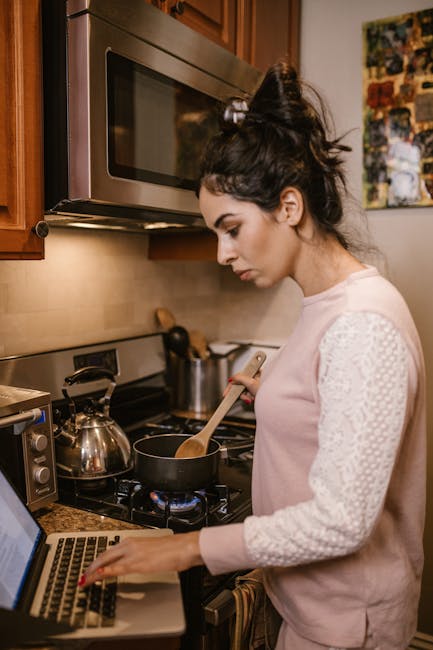
Unlocking the full potential of your kitchen appliances can be a game-changer, especially when it comes to cooking delicious meals with ease. If you’ve ever felt overwhelmed by the buttons and settings on your convection microwave oven, you’re not alone.
Many people have these versatile appliances sitting on their countertops but aren’t quite sure how to use them to their fullest. Imagine being able to whip up perfectly baked cakes, crispy pizzas, and evenly roasted vegetables in a fraction of the time it takes with traditional methods.
Sounds great, right? This guide will walk you through the simple steps to mastering your convection microwave oven, ensuring you make the most of this powerful kitchen tool. Whether you’re a seasoned chef or a cooking novice, you’ll find tips and tricks that will have you cooking like a pro in no time. Ready to transform your cooking experience? Let’s dive in!
Credit: www.kitchenaid.com
Choosing The Right Oven
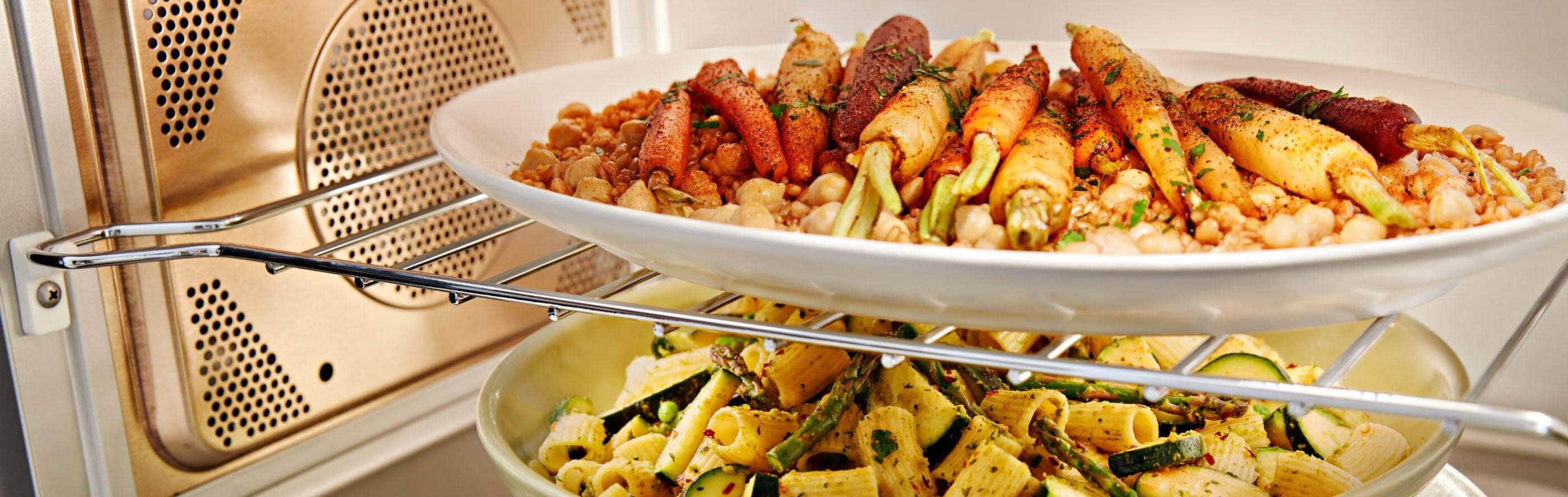
Choosing the right convection microwave oven is important for your kitchen. The right oven saves time and cooks food evenly. It fits your cooking style and space. Understanding types and features helps you decide quickly.
Types Of Convection Microwaves
Convection microwaves come in various types to suit different needs. Some have simple designs focused on basic functions. Others include advanced features for baking and grilling. Choose based on how you plan to use the oven.
- Solo Convection Microwaves:Basic models for grilling and baking with convection heat.
- Grill Convection Microwaves:Added grilling function for crispy food textures.
- Combi Convection Microwaves:Combine microwave, grill, and convection modes for versatile cooking.
Key Features To Consider
Several features affect your cooking experience and the oven’s convenience. Focus on those that match your needs and budget.
- Capacity:Choose based on the size of meals you prepare.
- Power Levels:Higher wattage cooks food faster and more evenly.
- Pre-set Programs:Helpful for beginners to cook different dishes easily.
- Control Panel:Easy-to-use buttons or touch screens improve usability.
- Size and Design:Fits your kitchen counter and matches decor.
- Safety Features:Auto shut-off and child lock protect users.
Credit: www.whirlpool.com
Basic Setup And Installation
Setting up a convection microwave oven properly is key for safe use and best results. This guide covers the basic steps to install and prepare your oven for daily cooking. Follow these tips to place and power your appliance correctly.
Placement Tips
- Choose a flat, stable surface that can support the oven’s weight.
- Keep at least 3 inches of space around the oven for ventilation.
- Avoid placing the oven near water sources like sinks or dishwashers.
- Do not put the oven inside cabinets or enclosed spaces.
- Ensure the area is away from direct sunlight and heat sources.
Power Requirements
- Use a dedicated electrical outlet to avoid power overload.
- Check the oven’s voltage rating, usually 110-120V or 220-240V.
- Do not use extension cords or power strips with high wattage ovens.
- Make sure the outlet has proper grounding for safety.
- Consult an electrician if you are unsure about your kitchen’s wiring.
Operating Controls
Operating controls on a convection microwave oven can seem complex, but once you get familiar with the panel and settings, you’ll handle your cooking with ease. These controls give you full power to customize cooking times and temperatures, ensuring your food comes out just right every time.
Understanding The Panel
The control panel usually combines buttons, a dial, and a digital display. Each button is designed for a specific function, like microwave cooking, convection baking, or grilling.
Spend a few moments identifying labels such as “Microwave,” “Convection,” “Grill,” “Timer,” and “Start.” Knowing these helps you avoid trial-and-error cooking, which can waste time and ingredients.
One tip: some models have a “Quick Start” button that jumps straight to a default cooking time. This is handy for reheating but less useful for precise cooking.
Setting Time And Temperature
Setting the right time and temperature is crucial for perfect results. After choosing the cooking mode, use the dial or keypad to adjust the minutes and seconds.
For convection baking, temperature control is usually separate from time. Set the temperature first, then enter the cooking time. This two-step process lets you bake like a pro.
Imagine baking a chicken: setting the oven to 180°C and 45 minutes ensures it cooks evenly. If you only set the time without adjusting temperature, you risk undercooked or overcooked food.
Ask yourself—are you cooking something delicate like fish or something dense like bread? Adjust time and temperature accordingly to avoid surprises.
Cooking Modes Explained
Understanding the cooking modes of a convection microwave oven helps use it effectively. Each mode offers different cooking styles and results. Choosing the right mode saves time and improves food texture and taste.
Microwave Mode
Microwave mode uses electromagnetic waves to heat food quickly. It is perfect for reheating leftovers or cooking simple meals. This mode cooks food from the inside out by agitating water molecules. It does not brown or crisp food.
Convection Mode
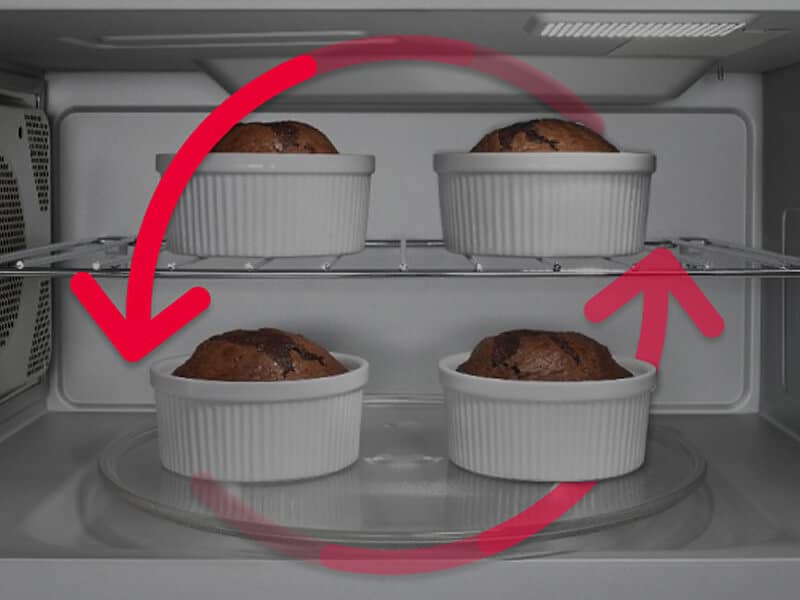
Convection mode uses a fan and heating element to circulate hot air. This creates even heat around the food, like a traditional oven. It is ideal for baking, roasting, and crisping dishes. Food cooks evenly with a golden-brown finish.
Combination Mode
Combination mode merges microwave and convection heating simultaneously. It cooks food faster than convection alone while achieving a crispy texture. Use this mode for baking casseroles, roasting meats, or cooking frozen foods. It offers both speed and quality in one setting.
Best Cooking Practices
Using a convection microwave oven well requires certain practices to get the best results. These ovens combine microwave and convection heat to cook food evenly and quickly. Knowing how to use the right tools and settings will help you save time and improve your meals.
Using Proper Cookware
Choose cookware that works with convection microwaves. Use metal pans or baking trays for convection mode. Avoid plastic or paper containers as they can melt or catch fire. Glass and ceramic dishes are safe for both microwave and convection cooking. Make sure the cookware fits inside the oven without touching the walls.
Preheating Guidelines
Preheat the convection oven before cooking for even heat distribution. It usually takes 3 to 5 minutes to reach the set temperature. Use the preheat function if available. For baking, preheating helps food cook properly and rise well. Skip preheating when using only the microwave function.
Adjusting Cooking Times
Convection cooking often reduces cooking time compared to traditional ovens. Lower cooking times by about 20% to avoid overcooking. Check food early to prevent dryness. Use the convection microwave’s manual for time adjustments. For combination cooking, balance microwave and convection times for best results.
Popular Recipes To Try
Convection microwave ovens blend microwave speed with convection heat. This mix creates many cooking possibilities. Using it for different recipes can save time and improve taste.
Here are popular recipes to try that show the oven’s versatility. These options suit daily meals and special treats alike.
Baking Cakes And Bread
Baking cakes and bread in a convection microwave is simple. The oven’s fan spreads heat evenly for better baking results.
- Use the convection mode for even browning.
- Adjust temperature lower than a regular oven.
- Check doneness with a toothpick before removing.
Try vanilla sponge cakes or whole wheat bread for a fresh home-baked treat. Small batches bake faster and taste great.
Roasting Meats
Roast meats become juicy and tender in this oven. The hot air crisps the outside while keeping the inside moist.
- Preheat the oven before placing the meat.
- Use a roasting rack to let air circulate.
- Baste meat occasionally to enhance flavor.
Chicken, pork, and beef roast well with convection heat. Set the timer and enjoy a perfectly cooked meal.
Reheating Tips
Reheating food with a convection microwave keeps it fresh and tasty. It avoids sogginess common in regular microwaves.
- Use microwave mode for quick warming.
- Switch to convection mode for crisping leftovers.
- Cover food lightly to keep moisture balanced.
Pizza, fried foods, and baked dishes regain their original texture. This method prevents overcooking and dryness.
Maintenance And Cleaning
Keeping your convection microwave oven clean and well-maintained ensures it works efficiently and lasts longer. Neglecting this can lead to poor cooking performance and even damage. Let’s go through practical ways you can care for your appliance without hassle.
Regular Cleaning Steps
Start by unplugging your microwave before cleaning. Use a damp cloth with mild detergent to wipe the inside walls, ceiling, and floor. Avoid harsh chemicals that can damage the surfaces.
Remove the turntable and wash it with warm, soapy water. Dry it thoroughly before placing it back. For stubborn stains inside, heat a bowl of water with lemon slices for 3-5 minutes to loosen grime, then wipe clean.
Don’t forget to clean the door seals carefully. Dirt here can affect the microwave’s ability to close properly, reducing cooking efficiency. Wipe the exterior regularly, especially control panels, with a soft cloth to avoid scratching.
Troubleshooting Common Issues
If your microwave doesn’t heat food evenly, check if the turntable is aligned and rotating smoothly. Sometimes food placement blocks the rotation, so rearranging can help.
Strange noises could mean debris stuck in the fan or turntable mechanism. Inspect and clean these parts gently. If the microwave fails to start, ensure the door is fully closed and the latch is not damaged.
Have you noticed the oven light flickering or the display acting up? These might be signs of electrical issues that require professional repair. Don’t ignore warning signs that could lead to bigger problems.
Safety Tips
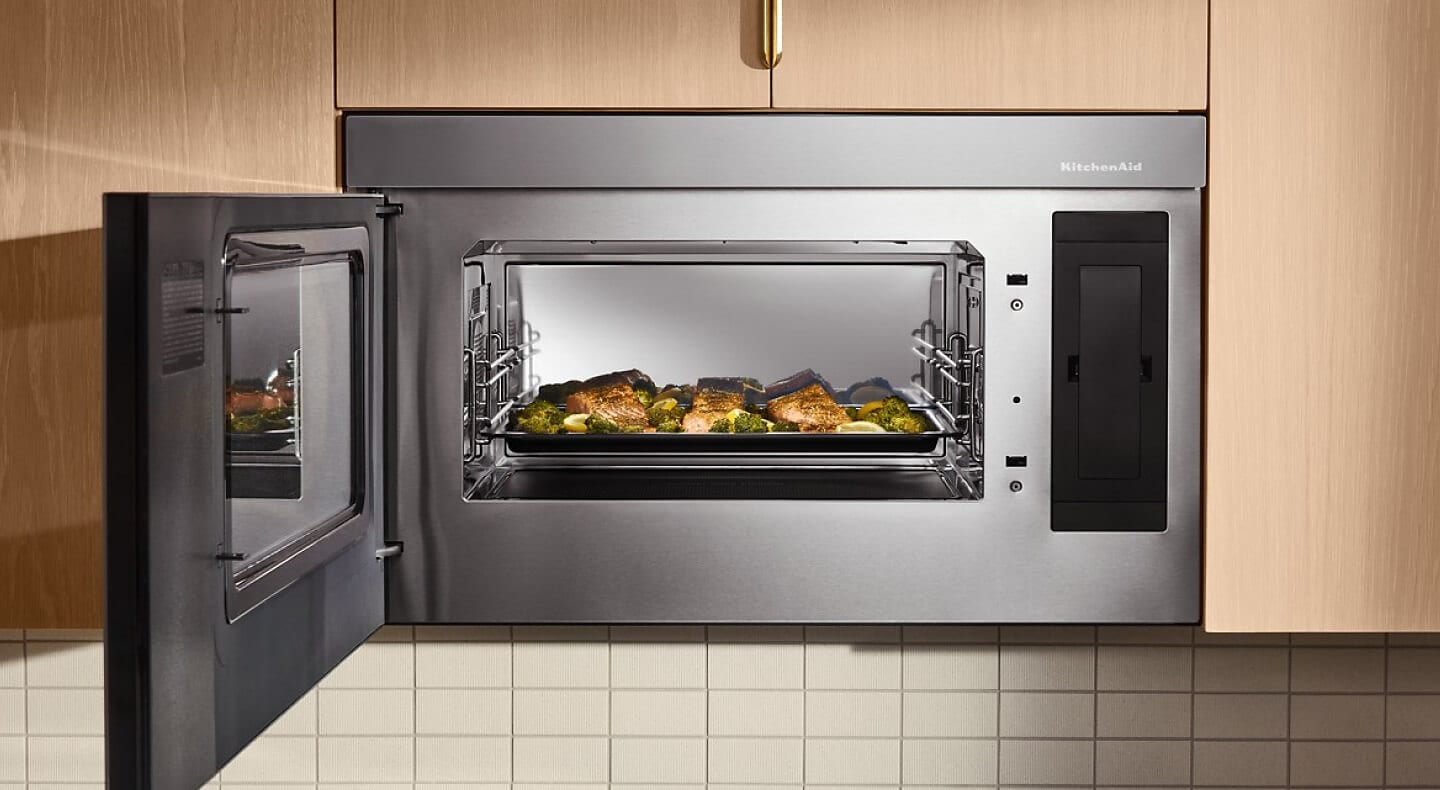
Using a convection microwave oven can make cooking faster and more convenient, but safety should always come first. Understanding how to handle your appliance properly protects you and your home from accidents. Let’s look at key safety tips to keep your cooking experience smooth and worry-free.
Avoiding Hazards
Never use metal containers or aluminum foil inside your convection microwave. These materials can cause sparks and damage the oven.
Check that the door seals tightly before use. A faulty seal can leak microwaves, posing health risks.
Keep the oven clean to prevent food buildup from catching fire. If you notice smoke or burning smells, turn off the oven immediately and unplug it.
Proper Usage Habits
Always place food in microwave-safe dishes that allow heat to circulate evenly. This prevents hot spots and uneven cooking.
Don’t overfill the oven. Give air space around your dishes to help the convection fan work properly.
Use oven mitts when removing hot containers to avoid burns. Remember, the glass tray and metal racks also get very hot.
Have you ever ignored a strange noise during cooking? Stop the oven and inspect it instead of risking damage or injury.
Credit: www.kitchenaid.com
Frequently Asked Questions
What Is A Convection Microwave Oven Used For?
A convection microwave oven combines microwave and convection heat. It cooks food faster and browns or crisps it better than a regular microwave.
How Do I Set The Convection Mode On My Oven?
Turn the mode selector to “Convection. ” Set the desired temperature and cooking time. Preheat if the recipe requires it.
Can I Bake Cakes In A Convection Microwave?
Yes, you can bake cakes in a convection microwave. Use the convection mode and adjust temperature and time as per the recipe.
Is A Convection Microwave Better Than A Regular Microwave?
Yes, a convection microwave offers more cooking versatility. It can bake, roast, grill, and microwave, unlike a regular microwave.
Conclusion
Using a convection microwave oven saves time and cooks food evenly. You can bake, roast, and grill with one appliance. Always read the manual to know the settings well. Experiment with different recipes to find what works best. Clean the oven regularly to keep it in good shape.
This appliance makes cooking simpler and more fun. Enjoy tasty meals with less effort every day.