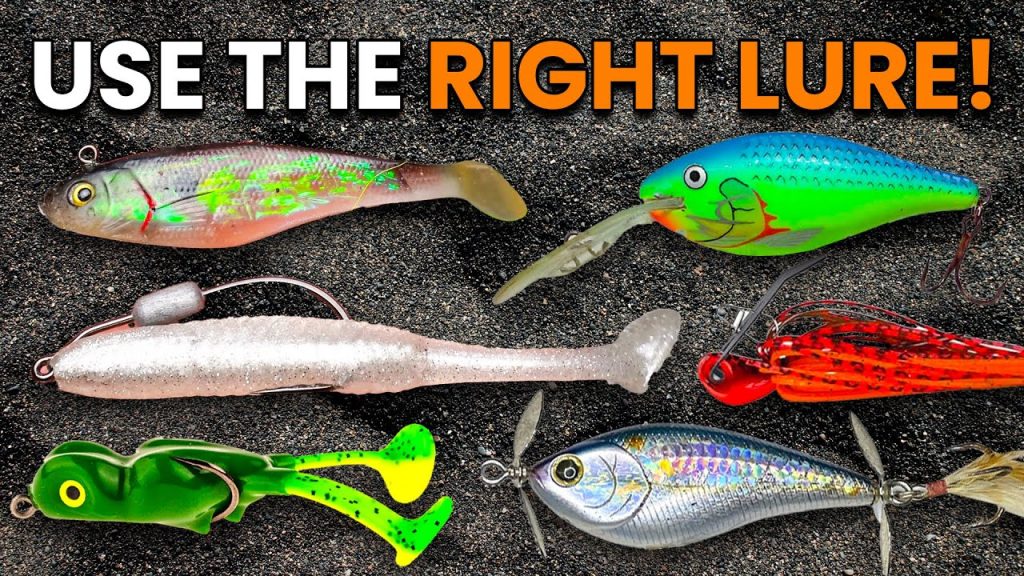
Are you ready to catch more fish and make your time on the water truly rewarding? Knowing how to use fishing lures the right way can turn your fishing experience from frustrating to exciting.
Whether you’re a beginner or looking to sharpen your skills, understanding the secrets behind lure selection and technique will give you an edge. Keep reading, and you’ll discover simple tips and tricks that can help you attract more bites and reel in your next big catch.
Choosing The Right Lure
Fishing lures come in many shapes and colors. Picking the right one can help you catch more fish. This guide explains how to choose the best lure for your fishing trip.
Knowing the types of lures, matching them to fish species, and thinking about water conditions will improve your success. Each factor plays a key role in lure selection.
Types Of Fishing Lures
Fishing lures include many kinds. Some look like small fish, others are bright and flashy. Each type works well in different situations.
- Spinnerbaits:These have spinning blades that flash and vibrate.
- Crankbaits:Hard-bodied lures that dive and wiggle underwater.
- Soft Plastics:Flexible lures that imitate worms or small creatures.
- Jigs:Weighted lures often used with soft plastics or feathers.
- Spoons:Metal lures that wobble and reflect light.
Matching Lures To Fish Species
Different fish prefer different lures. Knowing your target fish helps you pick the right lure. Size, color, and action are important.
| Fish Species | Recommended Lure Type | Color Tips |
|---|---|---|
| Bass | Spinnerbaits, Jigs, Soft Plastics | Natural green or brown shades |
| Trout | Crankbaits, Spoons, Small Spinners | Silver, gold, or bright colors |
| Pike | Large Crankbaits, Spoons, Jigs | Bright colors like red or yellow |
| Walleye | Jigs, Soft Plastics, Spoons | White, chartreuse, or translucent |
Considering Water Conditions
Water clarity, depth, and temperature affect lure choice. Adjust your lure to match these conditions for better results.
- Clear Water:Use natural colors and smaller lures to avoid spooking fish.
- Murky Water:Pick bright or dark colors that stand out.
- Shallow Water:Choose lures that stay near the surface or mid-depth.
- Deep Water:Use sinking lures or weighted jigs to reach fish.
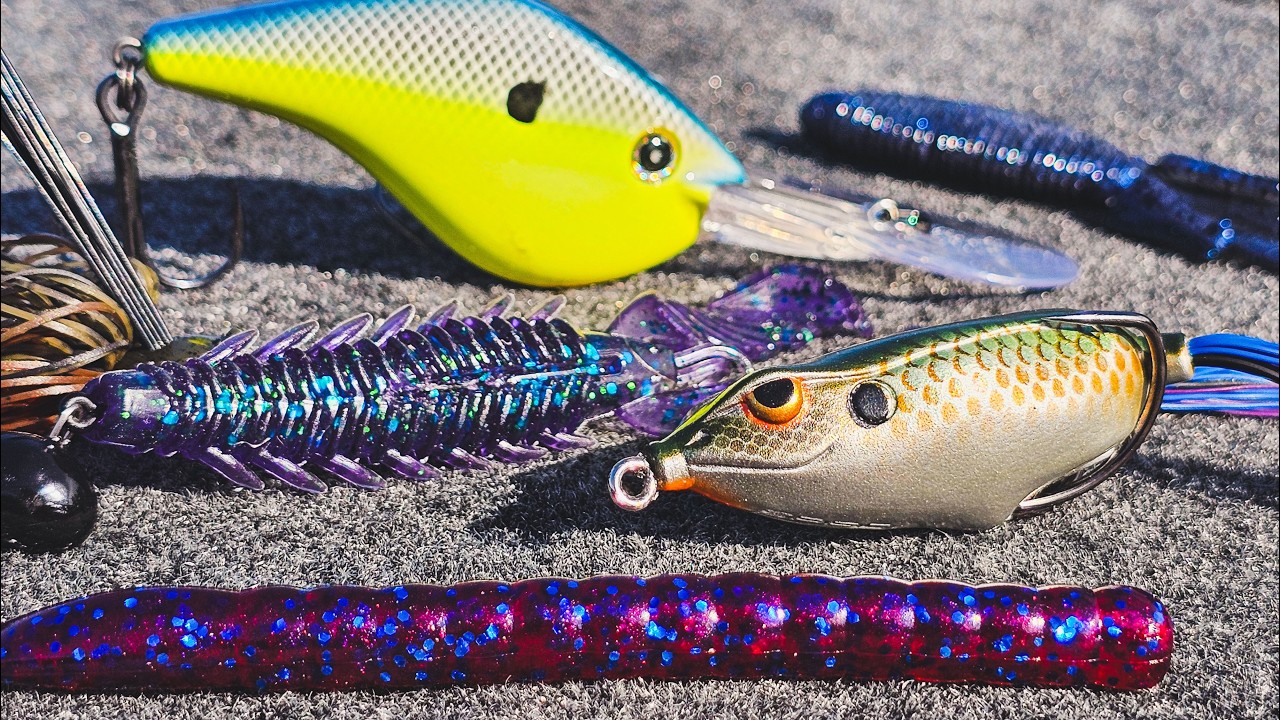
Credit: www.youtube.com
Lure Selection By Fishing Technique
Choosing the right fishing lure depends on your fishing technique. Each method uses different lures to attract fish effectively.
Knowing which lure suits your technique improves your chances of catching fish. Let’s explore lure choices for popular fishing styles.
Casting And Retrieving
In casting and retrieving, anglers throw the lure out and reel it back in. This technique mimics the movement of prey fish.
Common lures for this method include crankbaits, spinnerbaits, and soft plastics. These lures create action to attract fish.
- Crankbaits:Dive to different depths and have wobbling action.
- Spinnerbaits:Flash and vibration draw attention in murky water.
- Soft Plastics:Imitate worms or small fish with lifelike movement.
Trolling Strategies
Trolling moves the boat slowly while dragging lures behind. This covers large areas and finds active fish.
Deep-diving plugs, spoons, and tube baits work well for trolling. They reach different depths and attract fish on the move.
- Deep-diving Plugs:Reach deep water where big fish hide.
- Spoons:Flash and flutter to mimic injured baitfish.
- Tube Baits:Soft and fluttering, good for slow trolling.
Jigging Approaches
Jigging involves lifting and dropping a lure vertically in the water. It works well in deep or rocky areas.
Metal jigs, bucktail jigs, and soft plastic jigs are good choices. These lures create strong movement to trigger strikes.
- Metal Jigs:Heavy and sink fast, good for deep water.
- Bucktail Jigs:Hair-like skirts add flash and movement.
- Soft Plastic Jigs:Flexible and lifelike for slow jigging.
Effective Lure Presentation
Fishing lures come in many shapes and sizes. Presenting them effectively can make a big difference in catching fish. The way you move your lure mimics the actions of prey. This can attract more fish to your line.
Learning how to present your lure can improve your fishing success. Let’s explore some techniques to help you catch more fish.
Varying Retrieve Speeds
Changing the speed of your lure can attract different fish. Some fish like fast-moving prey, while others prefer slower targets. Try different speeds to see what works best.
Experimenting with speed can help you find what fish are biting. A steady, fast retrieve might catch a bass, but a slow one might lure a catfish.
- Try fast retrieves for bass
- Use slow retrieves for catfish
- Mix speeds to find what works
Using Pauses And Twitches
Adding pauses and twitches can make your lure look like a real fish. Fish often strike when the lure is still. Pauses mimic a fish stopping to rest.
Twitches add life to your lure. They make it look like a fish darting away. This can trigger a strike from curious fish.
- Pause to make the lure look tired
- Twitch to mimic a fish in distress
- Combine pauses and twitches for variety
Mimicking Natural Prey
Fish are more likely to bite if your lure looks like their food. Observe the local prey in the water. Match your lure’s actions to how they move.
Make your lure swim like a minnow or a worm. This can fool fish into thinking it’s a natural meal.
| Prey | Lure Action |
|---|---|
| Minnow | Dart and pause |
| Worm | Smooth, slow wiggle |
| Frog | Jump and stop |
Adjusting To Weather And Light
Fishing success depends on adapting your lure choice to weather and light. Different conditions call for different lures.
Understanding how light affects fish helps you pick the right lure. Bright days and cloudy days need different approaches.
Lures For Bright Conditions
On sunny days, fish can see clearly. Use lures that reflect light and show bright colors. These lures attract fish by their shine and movement.
- Use shiny spoons or spinnerbaits to catch the sun’s glare.
- Bright colors like white, silver, and chartreuse work well.
- Try lures with reflective surfaces to mimic small fish scales.
- Use fast retrieves to create flash and draw attention.
Lures For Low Light Or Murky Water
In low light or cloudy water, fish rely on senses besides sight. Use lures that create vibrations, noise, or stand out in dark water.
| Lure Type | Color | Effect |
| Jigs | Black or dark colors | Create vibrations and silhouette |
| Topwater lures | Bright colors with rattles | Make noise and splash |
| Soft plastics | Glowing or chartreuse | Offer movement and visibility |
Maintaining And Storing Lures
Proper care keeps fishing lures in good shape. It helps them last longer and work better.
Storing and cleaning lures after use stops damage and rust. It also keeps them ready for your next trip.
Cleaning After Use
Wash lures with fresh water after fishing. This removes salt, dirt, and debris that cause wear.
- Use a soft brush to clean hooks and bodies.
- Dry lures completely to avoid moisture buildup.
- Check for cracks or damage while cleaning.
- Remove any stuck weeds or bait pieces.
Preventing Rust And Damage
| Action | Purpose | Tip |
| Apply light oil | Protect metal parts from rust | Use after drying lures |
| Store in dry box | Keep lures safe and dry | Use tackle box with compartments |
| Separate lures | Prevent hooks from tangling | Use foam inserts or dividers |
| Inspect hooks | Replace rusty or dull hooks | Keep sharp for better fishing |

Credit: www.lurenet.com
Common Mistakes To Avoid
Using fishing lures is fun but can be tricky. Many anglers make simple mistakes that lower their catch rate.
Knowing what to avoid helps you fish smarter. Here are common errors and how to fix them.
Overusing One Lure Type
Using the same lure all day limits your chances. Fish may ignore it if they see it too often.
Try different lure types to find what fish prefer at the moment. Change size, color, or style.
- Switch between crankbaits, spinnerbaits, and soft plastics
- Use bright colors in clear water and dull colors in murky water
- Match lure size to the local baitfish
Ignoring Fish Behavior
Fish change their habits based on weather, time, and water temperature. Ignoring this wastes effort.
Observe fish activity before choosing your lure. Adjust your technique to their mood and location.
- Fish feed near the surface in warm weather
- They hide deeper in cold or bright conditions
- Look for signs like jumping fish or ripples
Neglecting Line And Hook Setup
Strong lures need the right line and hooks. Using weak or wrong gear causes lost fish and broken tackle.
Check your line strength and hook sharpness before fishing. Match them to your lure and target fish size.
- Use heavier line for big, strong fish
- Keep hooks sharp for better hook sets
- Replace damaged line and hooks regularly

Credit: fishingbooker.com
Frequently Asked Questions
What Types Of Fishing Lures Are Best For Beginners?
Soft plastic lures and spinnerbaits are ideal for beginners. They are easy to use and attract various fish species effectively. These lures mimic natural prey, increasing your chances of a catch. Starting with simple lures helps build confidence and skills quickly.
How Do I Choose The Right Fishing Lure Size?
Select lure size based on the target fish species and water conditions. Smaller lures work well for panfish, while larger ones suit bass and pike. Matching lure size to local baitfish improves lure effectiveness and increases catch rates.
When Is The Best Time To Use Fishing Lures?
Early morning and late evening are prime lure fishing times. Fish are more active during these periods and respond better to lures. Overcast days can also enhance lure effectiveness by reducing light and encouraging fish to feed.
How Should I Retrieve Fishing Lures Effectively?
Vary your retrieval speed to mimic natural prey movements. Use slow, steady retrieves or quick, erratic ones depending on fish behavior. Experimenting with pauses and twitches often triggers more strikes and improves your catch success.
Conclusion
Using fishing lures can make your fishing trips more fun and successful. Choose the right lure for the fish you want to catch. Change lures if the fish do not bite. Practice casting and retrieving to improve your skill. Watch how the lure moves in the water.
Small changes can attract more fish. Keep trying and enjoy the process. Fishing with lures brings excitement and a better chance to catch fish. Give it time, and you will see good results soon.