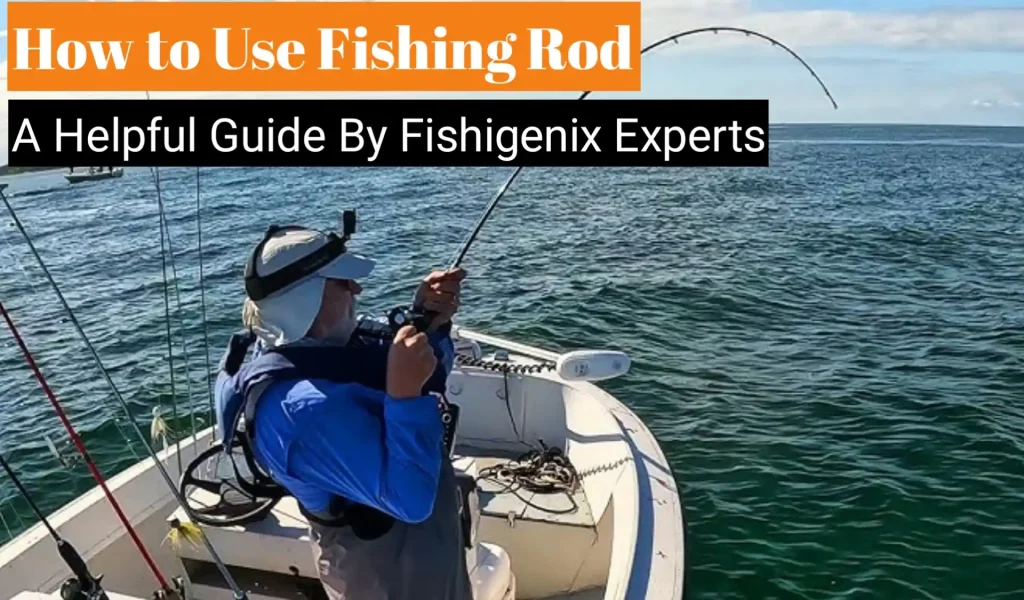
Are you ready to catch your next big fish but unsure how to use a fishing rod properly? Whether you’re a complete beginner or just need a quick refresher, this guide will help you master the basics fast.
Imagine the thrill of feeling a tug on your line and reeling in your catch with confidence. By the end of this article, you’ll know exactly how to set up, cast, and handle your fishing rod like a pro. Let’s dive in and make your fishing experience more fun and successful!

Credit: fishgenix.com
Choosing The Right Rod
Picking the right fishing rod is important for a good fishing experience. The right rod helps you catch fish easier and makes fishing more fun.
There are many types of rods, lengths, and powers to choose from. Knowing how to select the right one will improve your fishing success.
Types Of Fishing Rods
Fishing rods come in different types for different fishing styles. Each type fits certain fishing needs and locations.
- Spinning rods are good for beginners and light lures.
- Baitcasting rods offer more control for heavier lines.
- Fly rods are used for fly fishing in rivers and streams.
- Trolling rods are strong and used for fishing from boats.
Selecting Rod Length And Power
Rod length affects how far and where you can cast. Power means the rod’s strength to handle fish weight.
Short rods give more control but less casting distance. Long rods cast farther but can be harder to handle.
| Rod Power | Use |
|---|---|
| Light | Small fish and light lures |
| Medium | Average fish size and mixed conditions |
| Heavy | Large fish and heavy baits |
Matching Rod To Target Fish
Choose a rod that fits the fish size you want to catch. Using the right rod reduces line breaks and lost fish.
- Use light rods for small fish like trout or panfish.
- Medium rods work well for bass and walleye.
- Heavy rods suit big fish like pike, catfish, or saltwater species.
Preparing Your Gear
Getting your fishing gear ready is important before you start fishing. Proper setup helps you fish with ease and enjoy your time outdoors.
This guide will help you prepare your fishing rod by attaching the reel, threading the line, and choosing the right lure or bait.
Attaching The Reel
Attach the reel firmly to the fishing rod. The reel holds the fishing line and helps you cast and retrieve.
Place the reel foot into the reel seat on the rod. Tighten the locking mechanism until the reel is secure and does not move.
- Slide the reel foot into the reel seat
- Tighten the reel seat rings or clamps
- Check the reel is stable and locked
Threading The Line
Thread the fishing line through the rod guides starting from the tip. This guides the line during casting and retrieval.
Pull the line from the reel spool and pass it through each guide until you reach the reel. Tie the line to the reel spool securely.
- Open the reel bail arm
- Pass the line through each guide from tip to reel
- Tie the line to the spool using an Arbor knot
- Close the bail arm and tighten the line
Selecting The Right Lure Or Bait
Choose a lure or bait that matches the fish you want to catch. Different fish like different types of bait.
Consider the size, color, and movement of the lure. Live bait works well for many species, while artificial lures are good for others.
- Use worms or minnows for freshwater fish
- Use brightly colored lures in clear water
- Choose larger lures for bigger fish
- Match the lure type to the fishing location
Basic Casting Techniques
Using a fishing rod well starts with good casting skills. Casting sends your bait or lure to the water where the fish are.
Learn these basic casts to improve your fishing experience. Each cast fits different fishing spots and conditions.
Overhead Cast
The overhead cast is the most common technique. It works well for open water and long distances.
Hold the rod with both hands. Pull the rod back over your shoulder. Then, flick it forward to send the lure far out.
Sidearm Cast
The sidearm cast is good for fishing under trees or close to banks. It helps avoid obstacles above.
- Hold the rod low and to the side.
- Smoothly swing it sideways.
- Release the line as the rod moves forward.
- Keep the lure low to the water.
Roll Cast
The roll cast works best in tight spots with little room to pull the line back. It also helps with accuracy.
| Roll Cast Steps | Description |
|---|---|
| Lift Rod Tip | Raise the rod tip to form a loop in the line. |
| Pull Line Back | Pull the line with your finger to create tension. |
| Forward Motion | Push the rod forward smoothly to cast the lure. |
| Release Line | Let go of the line at the right moment for distance. |
Advanced Casting Skills
Fishing with a rod takes practice and skill. Advanced casting helps you reach farther and fish better.
Learning new casting techniques can improve your control and success on the water.
Distance Casting Tips
To cast far, use a smooth and steady motion. Build speed with your arm but stay relaxed.
Keep the rod tip low and follow through fully after the cast. This helps the line fly farther.
- Use a longer rod for more leverage
- Choose lighter lures to increase distance
- Practice timing the rod release for maximum line stretch
Accuracy Improvement
Focus on your target before you cast. Aim the rod tip directly at the spot where you want the lure.
Control your wrist and avoid jerky movements. Smooth casts help place the lure exactly where you want it.
- Practice casting at small targets on land
- Use short, controlled casts for better placement
- Adjust your stance to improve balance and aim
Casting In Windy Conditions
Wind can push your line off course. Cast into the wind to keep control of your lure.
Use heavier lures and slower casts to reduce wind effects. Keep the rod tip low to avoid strong gusts.
- Check wind direction before casting
- Adjust your line angle to match wind speed
- Keep your line tight to feel the wind’s impact
Common Casting Mistakes
Casting is a key skill in fishing. Many beginners make simple mistakes that affect their catch.
Fixing these errors helps improve your fishing experience and catch more fish.
Line Tangles And How To Avoid Them
Line tangles happen when the fishing line twists or knots. They slow you down and can break the line.
To avoid tangles, keep the line straight and avoid overfilling your reel. Check your line often for twists.
- Do not let the line hang loose during casting
- Keep the reel’s drag set correctly
- Use the right type of line for your reel
- Practice smooth, controlled casts
Incorrect Grip And Stance
Holding the rod wrong or standing unbalanced makes casting hard and less accurate.
Hold the rod firmly but relaxed. Stand with feet shoulder-width apart and face your target.
- Grip the rod handle near the reel seat
- Keep your wrist straight, not bent
- Place your dominant foot slightly forward
- Bend your knees slightly for better balance
Timing Errors
Timing is important when you release the line. Releasing too early or late wastes energy and distance.
Watch your rod tip and release the line when it points toward your target for best results.
- Start the cast with a smooth back swing
- Pause briefly at the top of the back cast
- Cast forward with a steady motion
- Release the line just as the rod moves forward

Credit: fishingbooker.com
Maintaining Your Rod And Reel
Taking care of your fishing rod and reel helps them last longer. Proper maintenance keeps your gear working well on every trip.
Cleaning, storing, and fixing small problems prevent bigger damage. Follow simple steps to keep your equipment in top shape.
Cleaning After Use
Always clean your rod and reel after fishing. Salt, dirt, and grime can harm the parts and cause rust.
Use fresh water to rinse off salt and dirt. Wipe the rod and reel dry with a soft cloth.
- Remove the reel from the rod before cleaning
- Use a soft brush to clean small parts
- Apply light oil to reel moving parts after drying
- Do not use harsh chemicals or strong detergents
Storage Tips
Store your fishing rod and reel in a dry place. Avoid direct sunlight to prevent damage to the materials.
Keep the rod straight or hang it vertically. This stops the rod from bending or warping over time.
- Loosen the drag on the reel before storing
- Keep the reel covered or in a case
- Store rods away from heat sources
- Check gear regularly for signs of wear
Troubleshooting Common Issues
Sometimes your rod or reel may have problems. Fixing small issues early saves money and effort later.
Check the reel if it feels stiff or makes noise. Look for broken guides or cracks on the rod.
- Clean and oil the reel if it is stiff
- Replace damaged line guides to avoid line breaks
- Tighten loose parts to prevent wobbling
- Replace broken rods or reels to avoid accidents

Credit: fishgenix.com
Frequently Asked Questions
How Do I Choose The Right Fishing Rod?
Choosing the right rod depends on fish type, water, and fishing style. Consider rod length, power, and action for best results. Lightweight rods suit small fish; heavier rods handle big catches. Match the rod with your reel and line for optimal performance.
What Is The Proper Way To Hold A Fishing Rod?
Hold the rod with your dominant hand near the reel seat. Use your other hand to support the rod’s base. Keep a firm but relaxed grip to control casting and reeling. Proper grip improves accuracy and reduces fatigue during fishing.
How Do I Cast A Fishing Rod Correctly?
Start with the rod tip low and the line slack. Pull the rod back smoothly, then flick it forward to release the line. Aim for a smooth, controlled motion to avoid tangles. Practice helps improve distance and accuracy in casting.
How To Maintain And Care For A Fishing Rod?
Rinse your rod with fresh water after each use, especially in saltwater. Dry it thoroughly to prevent rust and damage. Store the rod in a cool, dry place, preferably in a rod holder or case to avoid bending or breaking.
Conclusion
Using a fishing rod can bring calm and joy to your day. Practice casting and reeling often to improve your skills. Choose the right rod and bait for the fish you want. Stay patient and enjoy nature around you. Fishing is a simple way to relax and connect with the outdoors.
Keep learning and trying different techniques. Soon, catching fish will feel natural and fun. Remember, every fishing trip is a chance to enjoy and explore.